


Overview of Mini LED and OLED Technologies
Mini LED and OLED are two cutting-edge display technologies revolutionizing the way we experience screens. Both offer significant improvements over traditional LCDs, delivering better contrast, brightness, and overall picture quality. Whether you’re choosing a TV, monitor, or smartphone, understanding the differences between Mini LED vs. OLED can help you pick the display that best suits your needs. In this guide, we’ll compare the two technologies in detail, exploring their strengths, weaknesses, and ideal use cases to help you make an informed decision.
What is Mini LED?
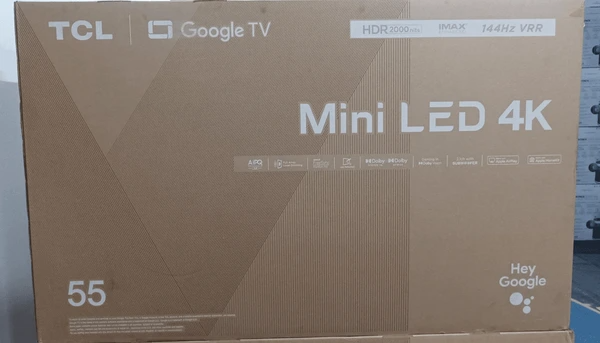
Mini LED technology bridges the gap between traditional LED and Micro LED, with chip sizes ranging from 100 to 300 micrometers. Often called “sub-millimeter light-emitting diodes,” Mini LEDs offer a significant upgrade over older display technologies.
One major advantage is their ability to deliver high contrast ratios and wide color gamuts, providing sharper images and richer colors. This makes them ideal for high-dynamic-range (HDR) LCDs and advanced emissive displays. Additionally, Mini LED displays boast longer lifespans and lower power consumption, making them both durable and energy-efficient.
With these benefits, Mini LED technology is quickly gaining traction in industries like televisions, gaming monitors, and portable devices, where superior visuals and efficiency are critical.
What is Oled?
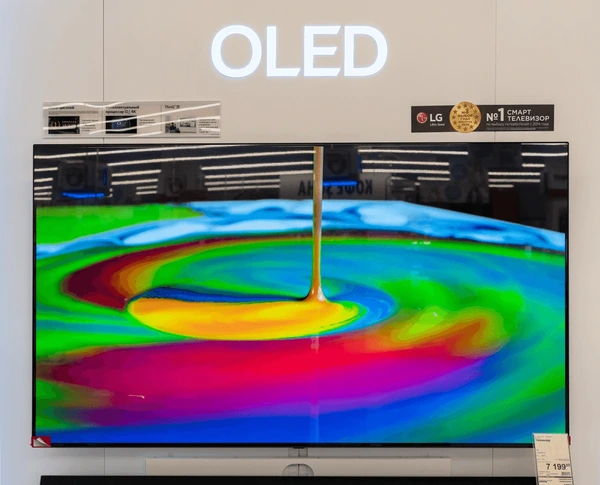
An Organic Light-Emitting Diode (OLED) is a display technology that uses organic compounds to emit light when powered by electricity. When a current flows through the organic material, it lights up, creating vibrant and clear visuals.
OLEDs stand out for their low power requirements, high efficiency, and fast response times. They deliver a wide color range, exceptional contrast ratios, and great viewing angles. Plus, OLED screens can be flexible, transparent, and incredibly thin, making them perfect for innovative designs.
Structurally, OLEDs feature a thin layer of organic material sandwiched between two conductive layers. When electricity passes through, excitons (electron-hole pairs) form and release energy as light. The emitted light’s color depends on the energy gap of the organic material. By adjusting this gap with quantum dots or semiconductor nanocrystals, manufacturers can fine-tune colors to achieve exceptional display quality.
Comparative Analysis: Mini LED vs OLED
Contrast and Black Levels
OLED displays excel in delivering perfect contrast and deep blacks because each pixel can turn off completely. This creates true black levels and an infinite contrast ratio, unmatched by other technologies. Mini LED, on the other hand, achieves impressive contrast through local dimming zones. While it doesn’t match OLED’s precision, advanced dimming techniques still provide excellent black levels for most viewing scenarios.
Color Accuracy and Gamut
Both OLED and Mini LED displays offer wide color gamuts, ensuring vibrant and realistic visuals. However, OLED often has a slight edge in color accuracy and reproduction due to its precise pixel control. With proper calibration, though, Mini LED can rival OLED in delivering stunning, true-to-life colors.
Brightness and HDR
Mini LED technology shines—literally—when it comes to peak brightness. It can reach higher levels than OLED, making it ideal for HDR content and viewing in bright environments. OLED still delivers excellent HDR performance, but its peak brightness may not match Mini LED’s capabilities, especially in sunlight.
Viewing Angles
Both technologies provide solid viewing angles, but OLED maintains better color accuracy and contrast from wider perspectives. This consistency makes OLED a great choice for group viewing or unconventional seating arrangements.
Price and Value
Mini LED displays are generally more budget-friendly compared to OLED, thanks to lower production costs and economies of scale. This affordability makes them an attractive choice for a wide range of consumers. Despite their lower price, Mini LED screens deliver impressive picture quality. With high brightness, great contrast, and a longer lifespan, they offer excellent value for money and a reliable alternative to OLED.
OLED technology tends to be more expensive than Mini LED, driven by higher production costs and limited economies of scale. As a result, OLED displays are often a premium investment. For those willing to spend more, OLED delivers unparalleled picture quality. Its superior color accuracy, true blacks, and wide viewing angles create a visually stunning experience, ideal for those who prioritize top-tier performance.
Best Use Cases for Each Technology
Mini-LED
- Large-Sized Displays
Mini-LED shines in large displays like TVs and billboards, offering impressive brightness and contrast. Its ability to maintain visibility in bright environments makes it perfect for these applications. - Professional Displays
For professional monitors and video walls, Mini-LED delivers high dynamic range and precise color accuracy, making it ideal for tasks like video editing and color grading. - Automotive Displays
Mini-LED is gaining traction in automotive dashboards and infotainment systems. Its brightness and fast response times ensure clarity and responsiveness in demanding driving conditions. - Gaming Monitors
Gamers love Mini-LED for its fast response times and high refresh rates, delivering smoother gameplay and vibrant visuals for an immersive experience. - Retail Signage
Retail signage benefits from Mini-LED’s brightness and wide viewing angles. It ensures advertisements look vibrant and eye-catching, whether indoors or outdoors.
OLED
- Portable Devices
OLED dominates in smartphones and tablets, offering deep blacks, high contrast, and energy efficiency—perfect for on-the-go applications. - Wearable Devices
The thin, flexible nature of OLED makes it the top choice for smartwatches and fitness trackers, where compact, curved displays are essential. - Home Appliances
OLED fits seamlessly into home appliances like refrigerators and washing machines. Its thin profile enables sleek, modern designs with functional displays. - Smart Home Devices
Smart speakers and displays benefit from OLED’s low power consumption and vibrant visuals, enhancing both aesthetics and functionality in smart home setups. - Medical Devices
In healthcare, OLED is used in wearable medical devices for wound healing and diagnostics. Its uniform light emission is ideal for precise and gentle applications.
FAQs
How does brightness compare among Mini LED, OLED, and Micro LED displays?
- Micro LED displays typically achieve the highest brightness levels, followed by Mini LED. OLEDs offer excellent brightness but may not reach the peak levels of the other two technologies.
Are there concerns about screen burn-in with these technologies?
- OLED displays can experience burn-in over time, especially with static images. Mini LED and Micro LED technologies are less susceptible to this issue due to their use of inorganic materials.
What are the cost differences between these display technologies?
- Currently, Micro LED displays are the most expensive due to complex manufacturing processes. OLEDs are priced at a premium but have become more affordable. Mini LED displays offer a cost-effective alternative with improved performance over traditional LEDs.
What is the future outlook for Micro LED technology?
- Micro LED technology holds significant promise for the future, with potential to surpass both OLED and Mini LED in performance. However, widespread adoption is pending advancements in manufacturing to reduce costs and improve scalability.
To get detailed scientific explanations of Mini LED vs OLED, try Patsnap Eureka.
