


Introduction: Projector vs TV – What’s the Difference?
Projector vs TV is a common debate for home entertainment setups. While projectors offer a cinematic, adjustable screen size, TVs deliver vibrant visuals and usability in all lighting conditions. Choosing the right one depends on your space, budget, and viewing preferences.
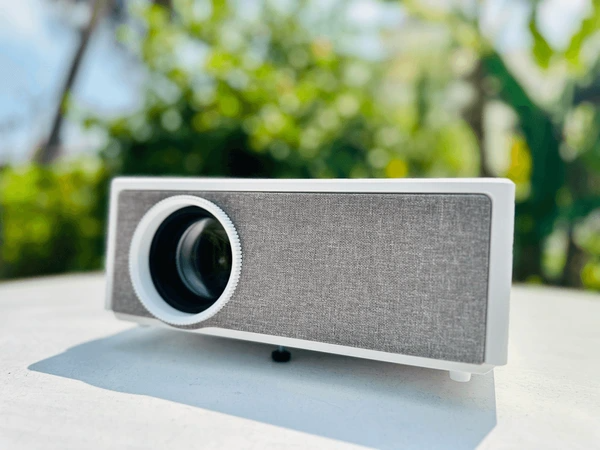
What Is Projector?
A projector, also known as a projection display device, is a device that projects an image onto an external screen or surface using an optical engine and a light source.
It is designed to display large-screen images, making it suitable for presentations, home theaters, and other applications where a sizable display is required.
What Is TV?
On the other hand, a TV (television) is a self-contained display device that receives and displays video and audio signals directly on its built-in screen. TVs are typically designed for home entertainment purposes and come in various sizes, ranging from small portable models to large-screen displays.
Key Differences: Projector vs TV
Screen Size
Projectors offer a significantly larger screen size compared to TVs, allowing for an immersive viewing experience. Projectors can project images up to 300 inches or more, while TVs are typically limited to sizes ranging from 40 to 85 inches.
Viewing Experience
Projectors create a more cinematic and theater-like viewing experience, especially in a darkened room. TVs, on the other hand, provide a more traditional living room viewing experience and can be viewed comfortably in brighter environments.
Image Quality
High-end projectors can deliver exceptional image quality, with deep blacks, vibrant colors, and high contrast ratios. However, TVs generally offer better image quality for their size, with higher resolutions and better color accuracy out of the box.
Brightness
Projectors require a darker environment to achieve optimal image quality, as their brightness levels are typically lower than TVs. TVs can perform well in brighter rooms due to their higher brightness capabilities.
Cost
Entry-level projectors can be more affordable than large-screen TVs, but high-end projectors can be significantly more expensive. TVs generally offer better value for money in terms of image quality and brightness for their size.
Portability
Projectors are more portable and easier to set up in different locations, making them ideal for presentations and temporary setups. TVs are generally fixed installations and less portable.
Space Requirements
Projectors require a dedicated projection area and a certain distance from the screen, while TVs can be mounted on walls or placed in smaller spaces.
Longevity and Maintenance
TVs generally have a longer lifespan and require less maintenance than projectors, which may need periodic lamp replacements or filter cleaning.
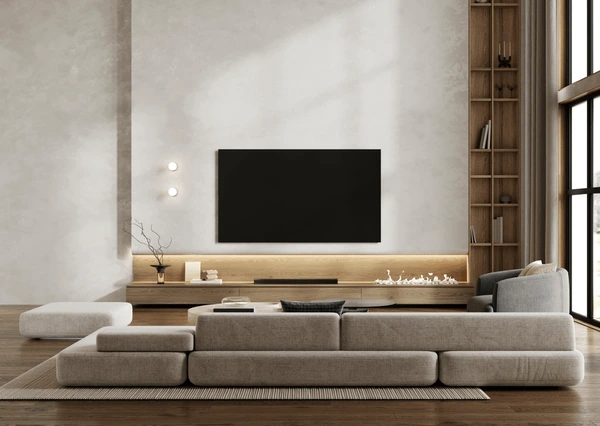
Applications of Projectors and TVs
Projector Applications Beyond Entertainment
Projectors have expanded their applications beyond traditional entertainment and presentations. Some innovative uses include:
- Architectural Projection Mapping: Projecting dynamic visuals onto buildings, monuments, or landscapes for artistic installations or advertising .
- Interactive Displays: Combining projectors with sensors and software to create interactive surfaces for gaming, education, or collaborative workspaces .
- Simulation and Training: Projecting realistic environments for flight simulators, military training, or virtual reality experiences .
Emerging TV Applications
While TVs are primarily used for entertainment, new applications are emerging:
- Smart Home Integration: TVs acting as control hubs for smart home devices, displaying security cameras, or serving as digital assistants .
- Digital Signage: Large TVs used for advertising, wayfinding, or information displays in public spaces like malls or airports .
- Teleconferencing and Collaboration: High-resolution TVs enabling remote meetings, presentations, or interactive whiteboards .
Combined Projector and TV Applications
Combining projectors and TVs can unlock novel applications:
- Immersive Entertainment: Projecting content onto walls or surfaces while using TVs for interactive controls or secondary displays .
- Hybrid Workspaces: Projecting shared content while using TVs for individual tasks or video conferencing .
- Interactive Retail Experiences: Projecting product information or virtual try-on experiences, with TVs for navigation or personalization .

Conclusion: Projector vs TV – Which One Should You Choose?
In the debate of Projector vs TV, projectors are perfect for immersive, large-scale viewing in controlled lighting, while TVs excel in everyday brightness and versatility. Evaluate your space, budget, and use case to pick the display that enhances your viewing experience.
FAQs
- Which is better for gaming: projector or TV?
TVs are generally better for gaming due to lower input lag and higher brightness, but high-end projectors can work well for immersive gaming. - Can projectors deliver the same image quality as TVs?
Projectors can achieve excellent image quality with the right setup, but TVs often provide better brightness and contrast in all lighting conditions. - Are projectors cheaper than TVs in the long run?
TVs typically have lower long-term costs due to their minimal maintenance, while projectors may require additional expenses for bulbs or screens. - Do projectors work well in bright rooms?
Projectors struggle in bright rooms without high lumens or ambient light-rejecting screens, whereas TVs excel in such environments. - What’s better for small spaces: a projector or a TV?
TVs are better for small spaces due to their fixed size and no need for a throw distance, while projectors need more setup room.
To get detailed scientific explanations of projector vs. TV, try Patsnap Eureka.
