


Introduction: What Are IPX Ratings?
IPX4, IPX8, and IPX68 are ingress protection ratings that measure a device’s resistance to water and dust. From splash resistance to full submersion and dustproofing, these ratings help consumers identify devices suited to their environments and activities.
What Do IPX4, IPX8, and IPX68 Mean?
IPX4: Protection against water splashing from any direction. This rating ensures that the device can withstand water splashing against the enclosure from all directions without harmful ingress.
IPX8: Protection against continuous immersion in water under conditions specified by the manufacturer, typically up to 1 meter depth. This rating ensures that the device can be submerged in water for an extended period without water ingress, making it suitable for underwater applications or exposure to heavy rain.
IPX68: The IPX8 rating in the IP (Ingress Protection) code indicates the highest level of protection against water ingress. Devices with an IPX8 rating are designed to withstand continuous immersion in water at depths greater than 1 meter. Specifically, the IPX8 rating requires the device to be able to withstand immersion in water at a depth of at least 1 meter for a minimum of 30 minutes without any harmful ingress of water.
Comparison Table: IPX4 vs IPX8 vs IPX68
| Feature | IPX4 | IPX8 | IPX68 |
|---|---|---|---|
| Water Protection | Splashes | Continuous submersion | Continuous submersion |
| Dust Protection | None | None | Complete (IP6X) |
| Use Case | Light rain, sweat | Swimming, water sports | Extreme environments |
| Example Devices | Basic earbuds, smartwatches | Waterproof headphones, cameras | Rugged phones, outdoor gear |
Use Cases for IPX4, IPX8, and IPX68
IPX4 (Splashing Water)
- Outdoor electronics like portable speakers, cameras, and drones
- Wearable devices like fitness trackers and smartwatches during exercise
- Bathroom electronics like hairdryers and electric shavers
IPX8 (Immersion in Water)
- Underwater photography and videography equipment
- Waterproof smartphones and tablets for use near pools or at the beach
- Marine electronics like fishfinders and navigation systems on boats
IPX68 (Dust and Water Resistance)
- Rugged smartphones and tablets for outdoor/industrial use
- Wearables and activity trackers for extreme sports like surfing or diving
- Industrial equipment and sensors used in harsh environments
- Automotive electronics exposed to water, mud, or dust
Advantages of Each Rating
IPX4 Water Resistance Rating
- IPX4 rating indicates protection against water splashes from all directions.
- Suitable for electronic devices used in environments with occasional water exposure, such as kitchens, bathrooms, or outdoor activities with light rain.
- Provides basic water resistance but not suitable for immersion or high-pressure water jets.
IPX8 Water Resistance Rating
- IPX8 rating signifies protection against continuous immersion in water deeper than 1 meter.
- Ideal for electronic devices used in marine environments, underwater activities, or situations with prolonged water exposure.
- Devices with IPX8 rating can withstand accidental drops in water bodies or exposure to heavy rain without damage.
IPX68 Water and Dust Resistance Rating
- IPX68 rating combines protection against both water immersion (IPX8) and solid particle ingress (IP6X for dust resistance).
- Devices with IPX68 rating can withstand prolonged immersion in water deeper than 1 meter and are also resistant to dust and sand ingress.
- Suitable for harsh environments, such as construction sites, deserts, or outdoor activities with exposure to water and dust.
Benefits for Electronic Devices
- Water resistance ratings protect sensitive electronic components from moisture damage, corrosion, and short-circuiting.
- Enables the use of electronic devices in wet or dusty environments without compromising functionality or safety.
- Enhances device durability and longevity, reducing the need for frequent replacements due to water or dust damage.
- Provides peace of mind and confidence for users engaging in outdoor activities or working in harsh environments.
Conclusion: Choosing Between IPX4, IPX8, and IPX68
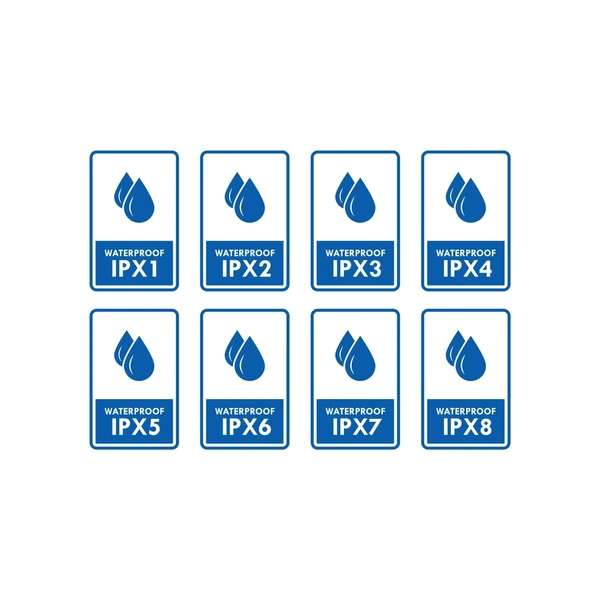
Whether you need a device for light rain, underwater adventures, or extreme environments, IPX ratings offer a clear guide to durability. Choose IPX4 for everyday splash resistance, IPX8 for underwater performance, or IPX68 for rugged all-around protection. Always check the manufacturer’s specifications for exact capabilities.
FAQs
- What’s the difference between IPX4 and IPX8?
IPX4 protects against splashes, while IPX8 allows for continuous submersion in water. - Is IPX68 the best rating for waterproofing?
Yes, IPX68 offers the highest level of combined water and dust protection. - Can an IPX4 device survive submersion?
No, IPX4 is only splash-resistant and not designed for submersion. - How does IPX68 protect against dust and water?
The IP6X rating ensures no dust ingress, while the IPX8 rating allows for prolonged submersion. - Are IPX ratings standardized across all manufacturers?
Yes, but the specifics (e.g., depth for IPX8) may vary, so always check the manufacturer’s guidelines.
To get detailed scientific explanations of IPX4 vs IPX8 vs IPX68, try Patsnap Eureka.
