


What Is a Passive Disabling Device?
A passive disabling device is a powerful security tool designed to protect systems and networks from unauthorized access. By verifying the identities of users and devices before granting access, it ensures only authorized entities can connect. This effective mechanism safeguards sensitive data and prevents breaches, making it an essential component in modern cybersecurity strategies. In this article, we’ll explore how passive disabling devices work, their benefits, and their role in enhancing network security.
Fundamentals of Passive Disabling Devices
Passive disabling devices are advanced security systems that protect items without needing an external power source. These devices use RFID technology to detect and prevent unauthorized tampering or removal of protected items. Their key components include:
- RFID Tags: Small tags attached to items for tracking and detection.
- Antennas: Devices that create an electromagnetic field to sense the presence of RFID tags.
- Control Unit: The central system that processes signals from the tags and activates the disabling mechanisms.
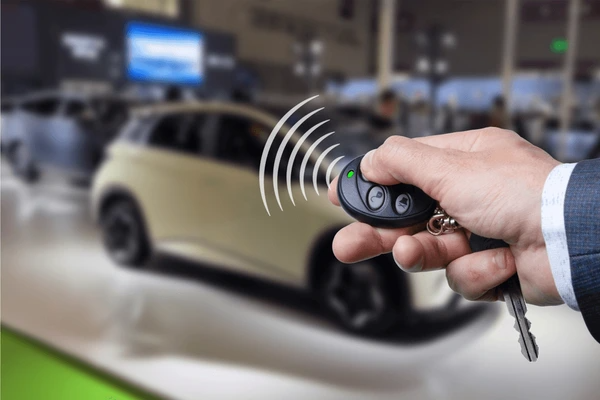
How Passive Disabling Devices Work
These devices establish an electromagnetic field within a specific area. RFID tags on secured items resonate at a unique frequency when they pass through this field. If someone attempts to remove an item without authorization, the system detects a disruption in the tag’s signal and takes immediate action.
- Ink Tags: Release permanent stains on the item to render it unusable or unattractive.
- Audible Alarms: Emit loud sounds to alert staff of unauthorized activity.
- Locking Mechanisms: Immobilize the item to prevent theft or removal.
Benefits of Passive Disabling Devices
Reduced Power Consumption and Longer Battery Life
Unlike systems that operate continuously, passive devices activate only when needed. This intermittent operation minimizes energy use, significantly extending battery life. This efficiency reduces the need for frequent battery replacements, making the devices more reliable and cost-effective.
Lower Risk of Habituation and Side Effects
Continuous stimulation can lead to brain tissue tolerance, reducing the effectiveness of the treatment. Passive devices avoid this issue by applying stimulation only when necessary. This approach also minimizes potential side effects, such as sensory discomfort or speech issues, ensuring a safer and more comfortable experience for users.
Enhanced Patient Control and Customization
Patients can control stimulation using an external device, turning it on or off based on their needs. For example, they might deactivate it during sleep or activities where stimulation isn’t required. This flexibility not only extends battery life but also allows customization to match individual preferences. Additionally, the device can store EEG data, enabling patients and healthcare providers to monitor specific patterns of interest.
Smart Sleep and Orientation Detection
Integrated sensors can detect sleep patterns or body orientation, automatically disabling stimulation during rest. Disorders rarely occur during sleep, making this feature an efficient way to save power. Advanced functionality, like detecting specific sleep stages (e.g., REM) through EEG patterns, enables even smarter and more precise operation.

Applications in Vehicle and Equipment Security
Advancements in Vehicle and Network Security
Modern vehicle and network security systems are evolving to combat sophisticated threats and ensure safety and reliability. Here’s a closer look at key components and emerging trends.
1. Vehicle Security Systems
Vehicle security systems safeguard vehicles and their contents from theft or unauthorized access. These systems include:
- Intrusion Detection: Identifying abnormal events like unauthorized door openings or tilting, then triggering alarms or sirens to deter intruders.
- Real-Time Alerts: Transmitting abnormality signals to security centers or authorities for a quick response and intervention.
2. Anti-Jamming and Interference Detection
To counteract theft techniques like signal jamming or RF shielding, advanced systems offer robust anti-jamming capabilities:
- Signal Monitoring: Detecting attempts to block GPS signals or cellular network communications at the vehicle.
- Shielding Detection: Identifying the use of RF shielding materials, such as blankets, that disrupt communication.
- Proactive Reporting: Alerting security centers about detected interference for prompt action.
3. Network Equipment Security
Securing network equipment is critical for protecting business operations and sensitive data. Effective measures include:
- Access Management: Ensuring only inspected and authorized equipment gains access to the network.
- Threat Prevention: Blocking unauthorized or compromised devices that could harm the network.
- Data Encryption: Using robust security protocols to protect communications and sensitive information.
4. Emerging Technologies and Trends
As security needs evolve, innovative technologies are shaping the future of vehicle and network protection:
- V2X Communication Systems: Enhancing situational awareness and safety by enabling vehicles to communicate with their surroundings.
- Blockchain and Distributed Ledgers: Securing data sharing and creating tamper-proof records for improved accountability.
- AI and Machine Learning: Providing advanced threat detection and predictive security through intelligent analytics.
- Quantum-Resistant Cryptography: Developing encryption algorithms designed to withstand future quantum computing threats.
Passive Disabling Devices vs Active Systems
Security systems play a vital role in protecting assets and preventing unauthorized access. These systems are broadly categorized into passive and active types, each with distinct features, advantages, and use cases.
1. Passive Disabling Devices
Passive disabling devices rely on physical barriers or mechanisms to deter unauthorized access or mitigate threats. These systems operate without an external power source or active control, making them simple and reliable. Common examples include:
- Mechanical Locks and Gates: Provide basic but effective physical security.
- Vehicle Immobilizers: Tools like wheel clamps or tire deflation devices prevent unauthorized vehicle movement.
- Passive Infrared Sensors: Detect motion without requiring constant energy input.
2. Active Security Systems
Active security systems use electronic components, sensors, and control systems to monitor and respond to threats in real time. These systems require a power source and often incorporate advanced technologies for enhanced security. Examples include:
- Access Control Systems: Biometric scanners and card readers regulate entry and exit points.
- CCTV Surveillance: Monitors and records activity, allowing for real-time or post-event review.
- Intrusion Detection Systems: Devices like motion sensors and glass-break detectors provide instant alerts.
- Active Vehicle Disabling Systems: Remotely controlled mechanisms stop unauthorized vehicles, enhancing safety and security.
3. Comparison of Passive and Active Systems
- Cost
Passive devices are more cost-effective to install and maintain, making them ideal for budget-conscious users. Active systems, while more expensive, provide advanced monitoring and response capabilities. - Effectiveness
Active systems offer comprehensive protection through real-time monitoring and automated responses. However, passive devices excel at providing robust physical barriers, particularly in areas where electronic solutions aren’t feasible. - Maintenance
Passive systems require minimal upkeep, ensuring long-term reliability. Active systems, on the other hand, need regular updates, battery replacements, and routine system checks to stay functional. - Versatility
Active systems integrate seamlessly with other technologies like video analytics and access controls for enhanced security. Passive devices, though less versatile, remain dependable for basic protection.
To get detailed scientific explanations of passive disabling device, try Patsnap Eureka.
