


What is Telemetry?
Telemetry is a powerful technology that allows for the remote measurement, monitoring, and transmission of data from distant or hard-to-reach locations. By utilizing sensors to collect data automatically, telemetry systems transmit this information to a central hub for analysis and decision-making. Often relying on wireless methods, but sometimes using wired connections, telemetry has become essential across industries for real-time data collection and efficient operations. This article will explore how telemetry works, its applications, and the benefits it brings to modern technology and business.
How Telemetry Works
Data Collection
Sensors placed in the field measure parameters like temperature, pressure, or location. These sensors convert physical readings into electrical signals for further processing.
Data Transmission
The electrical signals are transmitted to a central system using wireless methods such as radio waves, satellite signals, or cellular networks. In some cases, the internet is used for real-time monitoring and data transfer.
Data Reception
A receiver or data logger captures the transmitted information and stores it securely, ensuring it is ready for detailed analysis.
Data Analysis
Specialized software processes the received data to extract actionable insights. Depending on the application, this analysis can occur in real-time or after the event.
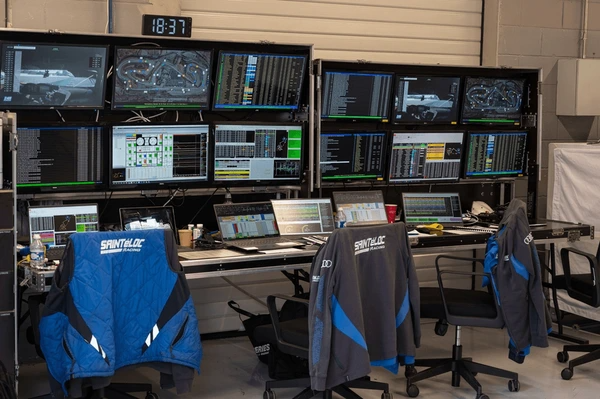
Key Components of a Telemetry System
Measurement Devices
Sensors and transducers gather data from the environment or object being monitored. They convert parameters like temperature, pressure, or voltage into electrical signals for processing.
Transmitters
Transmitters convert the data from sensors into signals suitable for transmission. Wireless systems often include antennas for broadcasting these signals efficiently.
Communication Infrastructure
This includes the transmission medium, such as cables, fiber optics, satellites, or radio links. It may also use repeaters and amplifiers to maintain strong and reliable signals.
Receivers
Receivers capture transmitted signals and convert them back into usable data. Many systems include decoders to interpret specific data formats for accurate analysis.
Processors and Analyzers
These components analyze incoming data, compare it to set parameters, and identify anomalies or issues. They may also perform calculations or additional processing.
Control Units
In some systems, control units send commands back to sensors or transmitters based on data analysis, enabling responsive adjustments.
User Interface and Display
Dashboards, monitors, or other visual displays present the data in a readable format, ensuring operators can make informed decisions quickly.
Power Supply
Reliable power sources, such as batteries, solar panels, or direct electrical connections, are crucial to ensure continuous operation of the system.
Security and Protection Systems
Encryption safeguards data during transmission, while physical protection ensures the durability and reliability of the equipment in demanding environments.
Benefits of Using Telemetry for Data Monitoring
- Real-Time Insights
Continuous data collection enables immediate analysis, critical for industries like space exploration, oil drilling, and weather monitoring. - Efficiency and Automation
Automated systems reduce manual intervention, streamlining operations in large-scale environments like chemical plants and spacecraft. - Enhanced Decision-Making
Real-time data supports timely decisions and proactive issue resolution, improving overall system reliability. - Scalability and Flexibility
Easily scalable systems handle growing networks without significant cost increases, supporting large-scale operations. - Better Performance
Accurate data collection ensures efficient monitoring, quick issue resolution, and improved system performance. - Cost Savings
Automating data processes minimizes labor costs and optimizes resource use, especially in utilities and infrastructure management. - Optimized Data Transfer
Compression techniques enable efficient data handling, even in bandwidth-limited scenarios. - Versatility
Used in aerospace, healthcare, automotive, and manufacturing, these systems fit diverse monitoring needs. - Advanced Integration
Seamless compatibility with IoT and other technologies enhances data collection, sharing, and system performance. - Improved Data Quality
High-quality, interoperable data ensures accurate analysis and better decision-making across platforms.
Challenges in Implementing Telemetry Systems
Technological Barriers
- Outdated Tools
Many healthcare systems still rely on outdated tools and platforms, making remote consultations inefficient and inconvenient. - Integration Challenges
Telemedicine platforms often struggle to integrate seamlessly with existing medical information systems, limiting their effectiveness. - Lack of Standardization
The absence of standardized protocols for information exchange between devices and systems creates compatibility issues. - Equipment Shortages
Limited access to essential tools like smart cameras, secure VPNs, and proper screens restricts the adoption of remote healthcare.
Legal Barriers
- Regulatory Restrictions
Strict regulations often prohibit making diagnoses or prescribing treatments remotely, hindering telehealth growth. - Workplace Requirements
Some regions impose specific workplace conditions for doctors conducting remote consultations, complicating implementation.
Economic Barriers
- Funding Issues
The lack of clear medical insurance tariffs creates financial challenges, alongside the misconception that remote care reduces costs. - Low Provider Motivation
In underfunded health systems with low wages, providers may lack the incentive to adopt telehealth solutions.
Methodological Barriers
- Insufficient Clinical Studies
A lack of robust research and publications supporting remote healthcare limits its credibility and widespread acceptance. - Training Gaps
Few programs train students or healthcare providers on the proper use of remote healthcare tools and platforms. - Limited Policy and Technical Support
Weak support from policymakers and health authorities further hampers the adoption and scaling of remote healthcare.

Applications of Telemetry
Aerospace and Defense
In aerospace, real-time monitoring ensures mission success and safety by tracking environmental conditions and equipment performance in aircraft and spacecraft. This data supports immediate decision-making during critical missions.
Automotive Industry
Remote monitoring in the automotive sector enhances vehicle management by tracking assets, monitoring health, and optimizing maintenance schedules. These tools improve efficiency and prolong vehicle lifespans.
Healthcare Applications
Remote monitoring systems in healthcare track vital signs and transmit them to providers, enabling timely interventions and improving patient outcomes.
Wildlife Research
Tracking mammals in their natural habitats relies on technologies like VHF radio, satellite, and GPS tracking. These systems gather critical data for conservation and behavioral studies.
Electric Power Industry
Automation tools in power management monitor and control electrical equipment, supporting applications like meter reading, load balancing, and network optimization.
Computer Systems
System health monitoring tools collect actionable data to optimize performance and detect issues. These insights improve reliability and guide future enhancements.
Industrial Applications
In manufacturing, remote monitoring systems oversee equipment and environmental conditions. Applications include security, device performance tracking, and process control.
Consumer Electronics
Applications like TV audience monitoring use power line communications to gather and transmit data, helping improve user experience and system functionality.
Application Cases
| Product/Project | Technical Outcomes | Application Scenarios |
|---|---|---|
| Telemetry Applications on SIM Aeris Communications, Inc. | Enables telemetry applications to be implemented on subscriber identity modules, reducing complexity and costs. | Remote monitoring and data collection in various industries like automotive, healthcare, and industrial automation. |
| Capacitive Sensor Readout Circuit | Enables wireless readout of remote passive capacitive sensors with high sensitivity and low cost. | Continuous and real-time monitoring of physical parameters in various applications, such as structural health monitoring, environmental sensing, and industrial process monitoring. |
| Telemetry for System Reliability | Enables gathering actionable data from end users for IC reliability modeling, optimization, and product health monitoring. | Monitoring and improving system reliability in various computing applications, including data centers, servers, and consumer electronics. |
Latest Technical Innovations in Telemetry
Intelligent Monitoring Systems
Advanced Mechanisms
Modern systems incorporate cameras with angle-adjusting motors, enhancing monitoring reliability by preventing interference and ensuring precise controls.
Real-Time Analysis
Real-time data analysis detects faults and triggers alarms quickly, maintaining system integrity through sensors and accurate detection circuits.
Low-Power Consumption
Battery-Powered Solutions
Innovations in low-power endpoints reduce reliance on AC power, lowering costs and enabling use in remote areas with limited electricity.
Energy-Efficient Protocols
New communication protocols extend device battery life, making these systems ideal for long-term monitoring in hard-to-reach locations.
IoT and AI Integration
IoT-Driven Insights
IoT systems collect data on parameters like gas pressure and temperature, offering a detailed view of system performance and health.
AI-Powered Analytics
AI algorithms enhance data analysis, predict issues before they arise, and support proactive maintenance, boosting system reliability.
Application-Specific Advances
Vehicle Telematics
Automotive systems gather vehicle data to improve performance, monitor driver behavior, and streamline fleet management.
Healthcare Telematics
Remote patient monitoring, integrated with telemedicine, allows continuous care, reducing physical visits and proving invaluable during crises like COVID-19.
To get detailed scientific explanations of methyl calcium nitride, try Patsnap Eureka.
