


The New Star in the World of Science
Blueberries are not just a delicious fruit, but they also feature powerful nanotech properties! Materials scientists, put down your graphene and carbon nanotubes for a moment—the next big thing in research might just be sitting in your breakfast bowl. Yes, that seemingly ordinary blueberry!

The Challenge of Blue in Nature
Can you think of any other blue fruits? Blue fruits are extremely rare in nature, which is due to the scarcity of blue pigment. Plants usually rely on brightly colored fruits to attract animals that help spread their seeds, and most animals are drawn to red, orange, or purple fruits, which indicate maturity and nourishment. Blue fruits, in comparison, lack attraction. Furthermore, the optical reflection of blue light in nature is complex, making the formation of blue fruits even more difficult.
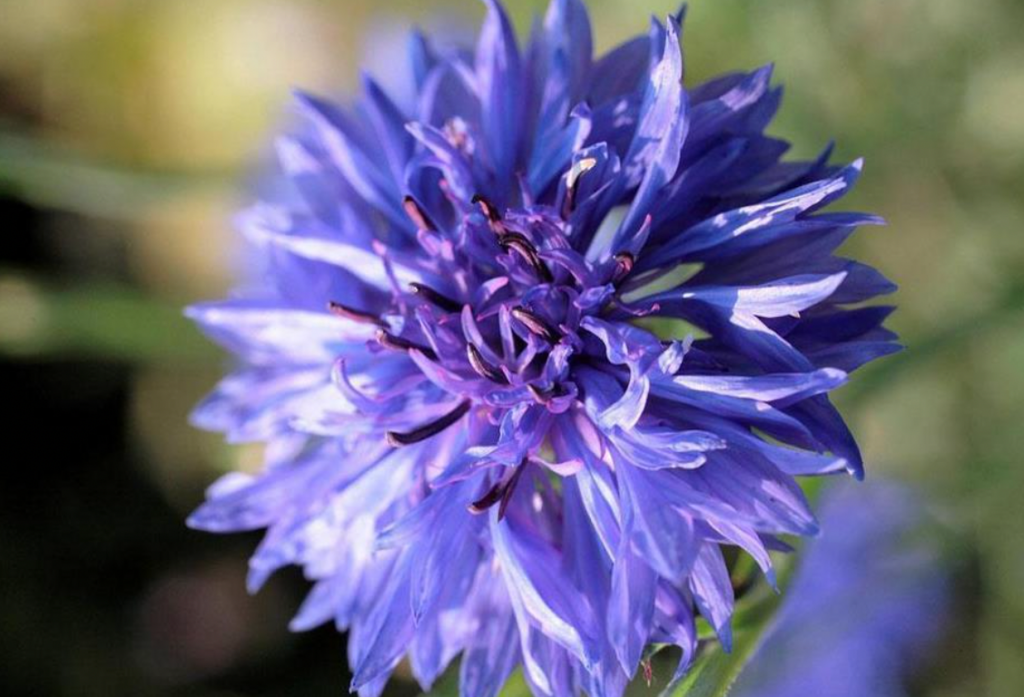
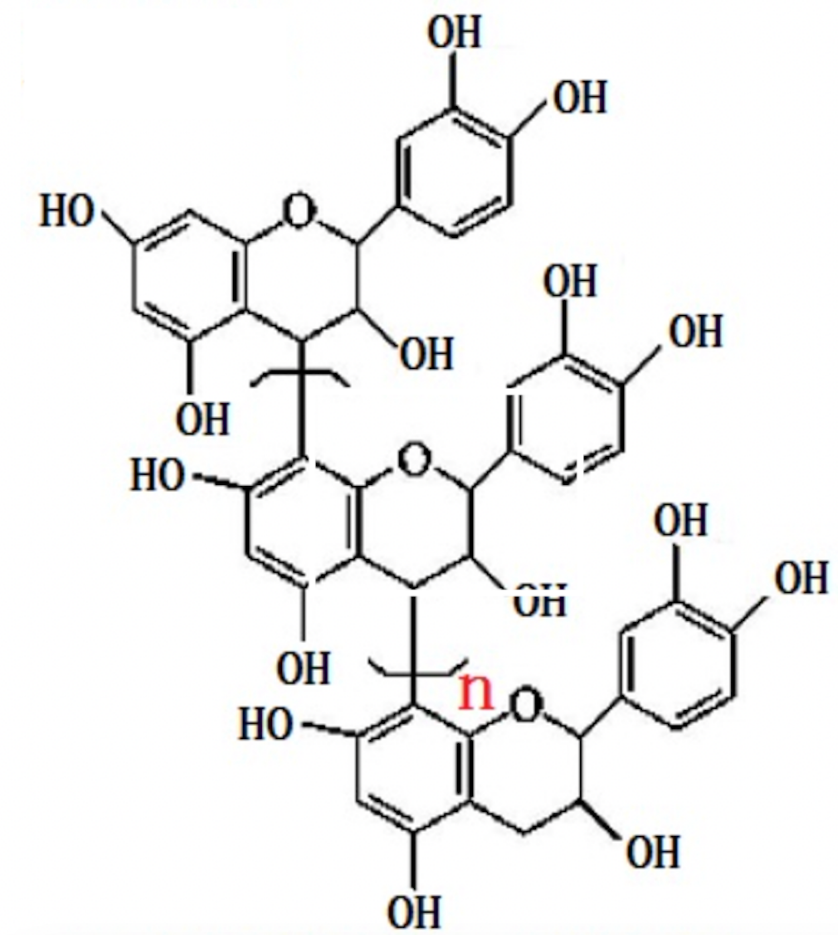
The Nanotech Mystery Behind Blueberries’ Blue
So, why do blueberries possess this rare blue color? You might think that it comes from some kind of blue pigment in the skin, but that’s not the case! The blue color of blueberries comes from nanostructures in their skin rather than pigments. These nanostructures interact with light to produce a phenomenon known as “structural color.” This color formation is similar to why the sky is blue—it’s all about light scattering, not pigments.

The Secrets of Structural Color
Colors are ubiquitous in everyday life, enriching our visual experience. However, we may not fully grasp how these colors are formed. Color formation can be categorized into two main types: traditional pigments and structural colors.
Traditional colors are formed when an object absorbs specific wavelengths of light. For example, when you see a red apple, it absorbs the majority of the colors in the spectrum and only reflects red light. Similarly, blue jeans look blue because they exclusively reflect blue light.
Structural colors, on the other hand, are not the consequence of light absorption. Instead, they are formed by the interaction of light with an object’s tiny structure. This interaction causes various wavelengths of light to interfere and produce distinct colors. Unlike traditional colors, structural colors depend not on the chemical composition of the material, but on its shape, surface texture, and microstructure.

Nature’s Nanotech Art
The waxy layer on a blueberry’s skin is made up of countless nanometer-scale crystals. Although these crystals are randomly arranged, they can precisely reflect blue light, giving blueberries their beautiful blue appearance. Similar structural colors can be found on the wings of insects, the feathers of birds, and the shells of some marine creatures.

These nanostructures are not only visually appealing; they also have self-assembling, self-cleaning, and self-repairing properties. This makes the waxy layer on blueberries an ideal material for environmentally friendly, sustainable, and biocompatible engineering. Such nanotech art of natural blueberries!
Blueberry’s Nanotech Magic
But how do these properties come to life? According to information from the Eureka platform, the wax on blueberry skin is a complex mixture primarily composed of ultra-long-chain aliphatic compounds, including fatty acids, alkanes, alcohols, aldehydes, ketones, and triterpenoids. These compounds naturally assemble into crystal structures, forming tubular wax deposits on the fruit’s surface, which give blueberries their unique nano-properties. This is the blueberries’ nanotech magic!


Eureka is crafted for self-driven R&D workflows. By leveraging extensive innovation data and advanced theories, we utilize vertical domain-specific models to help enterprises overcome their toughest technical challenges, simplify complex problems, and achieve breakthrough innovations.
Blueberries’ New Frontier in Materials
The wax on blueberry skin isn’t just about keeping the fruit fresh; it also has promising applications in creating edible films and bio-adsorbent materials. As a natural material that’s environmentally friendly, sustainable, and biocompatible, blueberry wax presents a new frontier in bioengineering materials. These nanostructures hint at innovative concepts in future material design, making them worthy of in-depth research and development.
These use cases can be queried from the Eureka platform.
| Product/Project | Technical Outcomes | Application Scenarios |
| Blueberry Epidermal Wax Coatings | Provides a natural, edible protective coating that extends shelf life and maintains quality of fresh produce by reducing moisture loss, oxidation, and microbial growth. | Food packaging and preservation for fruits, vegetables, and other perishable foods. |
| Cosmetic Formulations | Acts as an emollient, thickener, and stabiliser in cosmetic products, imparting a smooth texture and improving water resistance. Its antioxidant properties help protect against skin damage. | Skin care products, makeup, hair care products, and lip balms. |
| Pharmaceutical Excipients | Used as a controlled-release matrix for drug delivery systems, allowing sustained and targeted release of active ingredients. Its biocompatibility and biodegradability make it suitable for oral and topical applications. | Oral and topical drug formulations, particularly for extended-release medications. |
| Edible Coatings for Food Packaging | Forms a protective, edible film on food surfaces, acting as a barrier against moisture, gases, and contaminants. This extends the shelf life of packaged foods while being biodegradable and environmentally friendly. | Packaging for fresh produce, baked goods, meat products, and other perishable foods. |
| Wax-Based 3D Printing Materials | Blueberry epidermal wax can be combined with other waxes and additives to create feedstock materials for wax-based 3D printing processes, enabling the production of intricate and customised objects with unique properties. | Additive manufacturing of prototypes, moulds, patterns, and specialised components in various industries. |
The High-Stakes Challenges of Wax
Despite its promising applications, blueberry wax still faces several technical challenges:
- The extraction and purification process needs further optimization to improve yield and purity.
- The mechanical strength and water vapor barrier properties of wax film need enhancement, possibly through integration with other materials.
- The biodegradability and environmental friendliness of the wax film require further evaluation.
- The survival rate of blueberry cuttings is relatively low, necessitating optimization of rooting agent formulas.
As an ideal eco-friendly bioengineering material, blueberry wax shows great potential. Future research needs to overcome the challenges in extraction processes, material performance, and blueberry propagation technology. Not only is this a work of natural wonder, but it also holds great promise for the advancement of materials science.
Images are sourced from the internet. If there are any copyright infringements, please contact us for removal.
To get a detailed scientific explanation of nanotech, try Eureka.
