


When upgrading your kitchen, choosing the right range can significantly impact both functionality and style. Freestanding vs. Slide-In Range are two of the most popular options. Each offers unique advantages depending on your cooking habits and kitchen layout. This article explores the key differences, pros, and cons to help you decide which range fits your needs.
Freestanding Range Overview
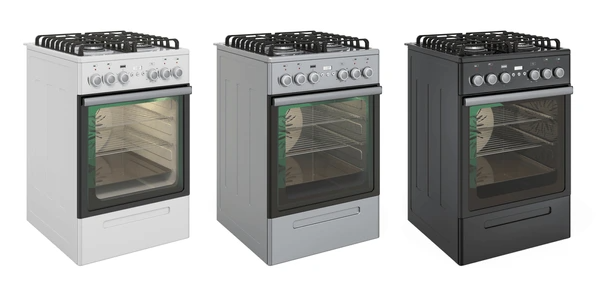
A Freestanding Range is one of the most common types of stoves in modern kitchens. It stands freely and is easy to install and move. The range comes with finished sides and a visible back panel that holds the control board.
Key Features of Freestanding Ranges:
- Flexibility: Freestanding ranges fit any space, making them ideal for kitchens where the range is a standalone piece.
- Easy to Install: No need for custom cabinetry or modifications.
- Variety of Styles: Available in electric or gas models, with features like convection, self-cleaning, and smart technology.
- Affordable: These ranges are more budget-friendly compared to slide-in models.
Common Use Cases for Freestanding Ranges:
- Kitchens with traditional setups where the range stands away from the cabinetry.
- Budget-conscious homeowners seeking efficiency and reliability.
- Renters or those who move frequently.
Slide-In Range Overview
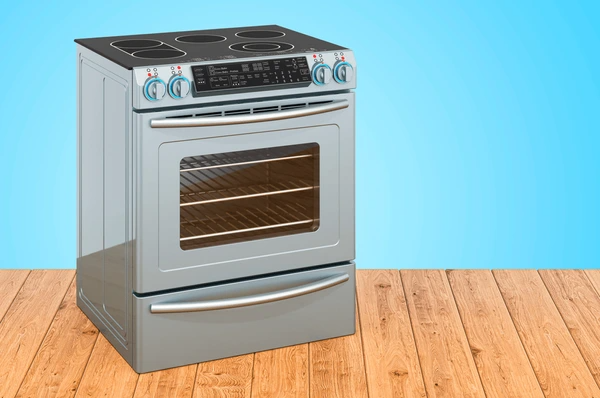
A Slide-In Range is designed to slide between your kitchen cabinetry, providing a more seamless, built-in look. These models lack a back panel, resulting in a sleek and modern appearance.
Key Features of Slide-In Ranges:
- Sleek Design: The range sits flush with countertops and cabinetry, giving your kitchen a custom, high-end look.
- Control Panel Location: Controls are positioned at the front, making them easier to access.
- Premium Look: Slide-in ranges often have a more upscale aesthetic, perfect for modern kitchens.
- Advanced Features: Many slide-in models come with dual-fuel options, convection cooking, and smart technology.
Common Use Cases for Slide-In Ranges:
- Kitchens with custom cabinetry where a seamless, built-in look is desired.
- Homeowners looking for a premium, high-end design and extra features.
- Those who prefer easy access to controls and a streamlined cooking space.
Key Differences Between Freestanding and Slide-In Ranges
| Feature | Freestanding Range | Slide-In Range |
|---|---|---|
| Design | Freestanding, visible sides and back panel | Sits flush with countertops, no back panel |
| Installation | Easy to install, can be moved easily | Requires custom cabinetry for a flush fit |
| Price | More affordable, budget-friendly | Higher-end, more expensive |
| Control Panel | Located on top, at the back of the unit | Located at the front, more accessible |
| Aesthetic | Traditional, visible sides | Modern, seamless integration with cabinetry |
| Versatility | Suited for any kitchen layout | Best for kitchens with pre-installed cabinetry |
Pros and Cons of Freestanding Ranges
Pros:
- Affordable: Great for budget-conscious buyers.
- Versatile: Easy to place in any kitchen layout.
- Wide Selection: Available in various styles and features.
Cons:
- Less Seamless: Visible back panel detracts from the sleek, built-in look.
- Limited Aesthetic Appeal: Doesn’t offer the integrated design many homeowners desire.
Pros and Cons of Slide-In Ranges
Pros:
- Premium Design: Offers a modern, upscale aesthetic.
- Better Control Panel Accessibility: Front-mounted controls are easier to reach.
- Integrated Look: Fits seamlessly into cabinetry for a more custom appearance.
Cons:
- Higher Price: Generally more expensive due to premium features.
- Installation Requirements: Requires custom cabinetry, which may not fit all kitchens.
- Limited Flexibility: Difficult to move once installed.
Which One Should You Choose?
Choosing between a Freestanding Range and a Slide-In Range depends on your kitchen layout, budget, and design preferences. If you need something easy to install, flexible, and affordable, a freestanding range is your best option. However, if you prefer a sleek, integrated design and are willing to invest in a premium appliance, a slide-in range is a worthwhile option.
Final Thoughts
Both Freestanding and Slide-In Ranges provide excellent cooking performance, but they cater to different needs. Assess your kitchen space, aesthetic preferences, and budget to determine which range best suits your home.
FAQs
1. Which is better for small kitchens?
A freestanding range is ideal for small kitchens because it’s easier to install and doesn’t require custom cabinetry.
2. Is a Slide-In Range worth the extra cost?
A slide-in range offers a sleek, integrated look and easier access to controls but comes at a higher price. It’s worth it if aesthetics and functionality are priorities.
3. Can I install a Slide-In Range without custom cabinetry?
No, a slide-in range needs custom cabinetry for a flush fit, which is part of its built-in design.
4. Which is easier to clean?
Slide-in ranges may be easier to clean around since they don’t have exposed sides or a back panel.
To get detailed scientific explanations of Freestanding vs. Slide-In Range, try Patsnap Eureka.
