


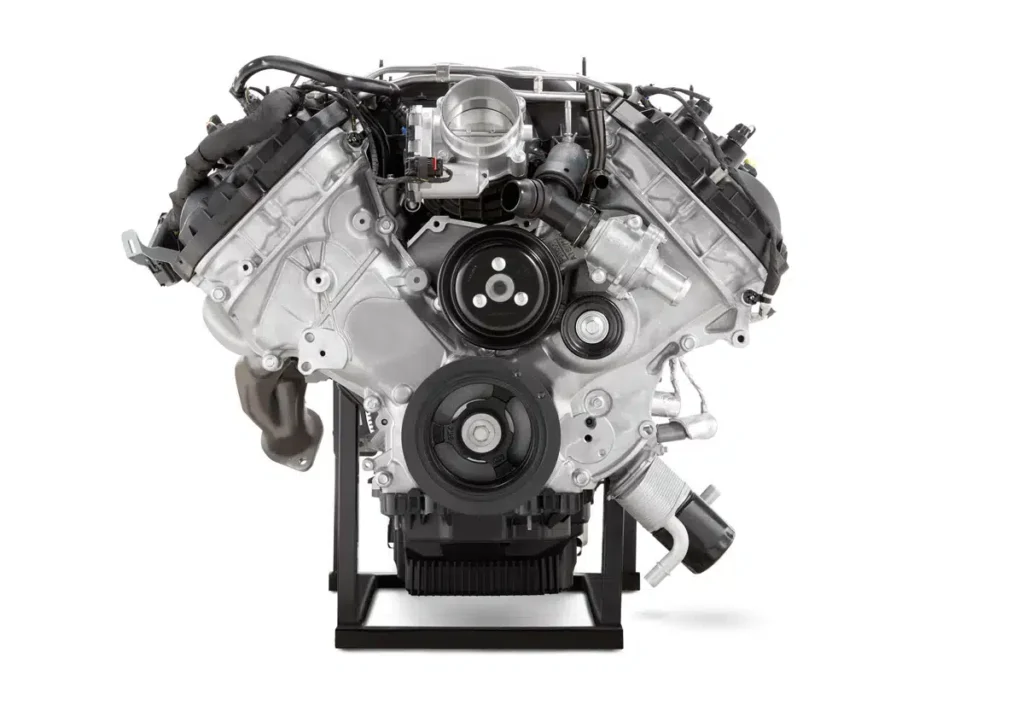
The Gen 3 Coyote engine is Ford’s 5.0L V8 powerplant, introduced in the 2018 Ford Mustang GT and F-150. It builds on the legacy of previous Coyote engines, offering increased power, efficiency, and durability. Compared to the Gen 2 Coyote (2015-2017), the Gen 3 features higher compression (12.0:1 vs. 11.0:1), a dual-fuel injection system (port + direct), and improved cylinder heads for better airflow and combustion efficiency. These upgrades result in higher horsepower (460 hp vs. 435 hp in the Mustang) and improved torque delivery. With its enhanced performance and tuning potential, the Gen 3 Coyote remains a top choice among enthusiasts. This article covers its specifications, upgrades, and performance benefits.
What is the Gen 3 Coyote Engine?
The Gen 3 Coyote is the third iteration of Ford’s 5.0L V8 engine, part of the Ford Modular engine family. It retains the DOHC (dual overhead camshaft) 32-valve design but features several improvements over the Gen 1 (2011-2014) and Gen 2 (2015-2017) versions.

Key Specifications
- Displacement: 5.0L (4,951 cc)
- Horsepower: 460 hp (Mustang) / 395 hp (F-150)
- Torque: 420 lb-ft (Mustang) / 400 lb-ft (F-150)
- Compression Ratio: 12.0:1
- Fuel System: Dual-fuel injection (Port + Direct Injection)
- Bore x Stroke: 92.2 mm × 92.7 mm
- Redline: 7,500 RPM
Upgrades Over Previous Coyote Generations
- Dual-Fuel Injection System
- Combines direct injection and port injection for improved efficiency, power, and emissions.
- Direct injection increases power and efficiency.
- Port injection prevents carbon buildup on intake valves.
- Higher Compression Ratio (12.0:1 vs. 11.0:1 in Gen 2)
- Increased compression improves fuel efficiency and horsepower.
- Requires higher-octane fuel for optimal performance.
- Revised Cylinder Heads
- Larger valves and improved airflow increase horsepower.
- High-pressure direct injectors improve combustion.
- Plasma Arc Cylinder Coating
- Replaces traditional cylinder liners with a low-friction coating.
- Reduces engine weight and improves heat dissipation.
- Improved Camshafts and Valvetrain
- Increased valve lift enhances airflow and power output.
- Dual Overhead Cam (DOHC) with Ti-VCT optimizes efficiency.
💡 Wondering how the Gen 3 Coyote engine improves over previous generations? Eureka Technical Q&A provides expert insights into its enhanced horsepower, fuel injection system, and performance upgrades, helping you understand what sets this generation apart.

Performance and Tuning Potential
The Gen 3 Coyote engine delivers high-revving performance, making it ideal for Mustang GT performance builds and F-150 towing applications. It supports bolt-on modifications and forced induction upgrades, such as superchargers and turbochargers.
Tuning and Modifications
- Cold Air Intake & Exhaust Upgrades: Improves airflow and increases power by 10-20 hp.
- ECU Tuning: Enhances fuel mapping and ignition timing, gaining 20-30 hp on stock internals.
- Supercharger or Turbocharger: Boosts horsepower to 700+ hp with proper fueling and cooling.
- Forged Internals (Pistons & Rods): Essential for forced induction builds exceeding 800 hp.
Gen 3 Coyote Engine vs. Gen 2 Coyote Engine
The table below breaks down the key differences between the Gen 3 and Gen 2 Coyote engines, showcasing the major upgrades in power, efficiency, and technology. Ford made significant improvements to the Gen 3, including a higher compression ratio, dual-fuel injection system, and redesigned cylinder heads. These changes result in more horsepower, better throttle response, and greater tuning potential.
If you’re wondering whether to stick with the Gen 2 or upgrade to the Gen 3, this comparison will help you decide. Whether you’re building a high-performance Mustang, upgrading an F-150, or planning an engine swap, understanding these differences ensures you get the best Coyote engine for your needs.
Gen 3 Coyote vs. Gen 2 Coyote: Key Differences
| Feature | Gen 3 Coyote (2018-2023) | Gen 2 Coyote (2015-2017) |
|---|---|---|
| Horsepower | 460 hp (Mustang) / 395 hp (F-150) | 435 hp (Mustang) / 385 hp (F-150) |
| Torque | 420 lb-ft (Mustang) / 400 lb-ft (F-150) | 400 lb-ft (Mustang) / 387 lb-ft (F-150) |
| Compression Ratio | 12.0:1 | 11.0:1 |
| Fuel System | Dual-Fuel Injection (Port + Direct) | Port Injection |
| Cylinder Heads | Larger valves & improved airflow | Standard DOHC heads |
| Redline (RPM) | 7,500 | 7,000 |
| Piston Coating | Plasma Arc Coating (reduces friction) | Traditional Cast Iron Liners |
| Best For | High-performance builds, forced induction, tuning | Reliable naturally aspirated power |
The Gen 3 Coyote is the ultimate evolution of Ford’s legendary 5.0L V8, delivering more power, efficiency, and durability than ever before. If you’re looking for the best Coyote engine for high-revving performance and serious tuning potential, the Gen 3 is the clear winner.
Common Applications of the Gen 3 Coyote Engine
- 2018-2023 Mustang GT
- Provides naturally aspirated performance with a high redline.
- Ideal for track days, drag racing, and street performance builds.
- 2018-2020 Ford F-150
- Tuned for low-end torque to improve towing and hauling capabilities.
- Delivers smooth power delivery and durability in work applications.
- Engine Swaps
- The Coyote 5.0L is a popular swap option for classic Mustangs, F-100 trucks, and muscle cars.
- Aftermarket standalone ECU systems make integration easier.
FAQs About the Gen 3 Coyote Engine
1. What fuel does the Gen 3 Coyote require?
The Mustang GT variant requires 91+ octane fuel for optimal performance, while the F-150 version is tuned for 87 octane but benefits from higher-octane fuel.
2. Can the Gen 3 Coyote handle a supercharger?
Yes, but stock internals are reliable up to 750 hp. For power beyond 800 hp, forged pistons and rods are recommended.
3. How long does a Gen 3 Coyote engine last?
With proper maintenance, the Coyote engine can last over 200,000 miles, thanks to its strong aluminum block and modern fuel injection system.
4. How does the Gen 3 Coyote compare to the Gen 2?
The Gen 3 offers better airflow, higher compression, and a dual-fuel system, resulting in more power and efficiency than the Gen 2.
5. Can you swap a Gen 3 Coyote into an older Mustang?
Yes, many enthusiasts swap Coyote engines into Fox-body Mustangs, classic Mustangs, and other muscle cars. However, wiring and transmission compatibility require modifications.
Conclusion
The Gen 3 Coyote engine continues Ford’s legacy of high-performance, naturally aspirated V8 power. Its dual-fuel injection, high compression, and tuning potential make it a favorite among Mustang and truck enthusiasts. Whether used for track racing, forced induction builds, or engine swaps, the 5.0L Coyote delivers exceptional power, reliability, and performance.
To get detailed scientific explanations of the Gen 3 Coyote engine, try Patsnap Eureka.
