


What are Hemi Engines?
Hemi engines, short for “hemispherical combustion chamber engine,” are high-performance internal combustion engines renowned for their unique design. Featuring a hemispherical-shaped combustion chamber, this engine improves air-fuel mixture combustion, resulting in better power output and fuel efficiency. The distinctive shape allows for larger valves and improved airflow, which enhances overall engine performance. In this article, we’ll delve into the key features, benefits, and applications of Hemi engines, highlighting why they remain a popular choice in the automotive world.
Commonly Used Hemi Engine Models
- Chrysler 426 Hemi: Dubbed the “Elephant Engine” for its massive size and power, the 426 Hemi was first introduced in the 1960s. It quickly became iconic in muscle cars like the Dodge Charger and Plymouth Barracuda. With a 426 cubic inch (7.0 L) displacement, it produces up to 425 horsepower, setting the standard for high-performance engines of its era.
- 5.7L V8: This modern engine is found in a range of Chrysler, Dodge, and Jeep vehicles. With a 5.7-liter displacement, it delivers between 370 and 395 horsepower, depending on the application. It also features technologies like variable valve timing (VVT) and multi-displacement system (MDS), improving fuel efficiency without sacrificing performance.
- 6.4L V8 (392 Hemi): Known for its balance of power and efficiency, the 6.4L V8 is used in high-performance models like the Dodge Challenger and Charger SRT. With around 485 horsepower and 475 lb-ft of torque, this engine provides thrilling performance, while also maintaining everyday drivability.
- 6.2L Supercharged V8 (Hellcat): This powerhouse engine is built for extreme performance, featured in vehicles like the Dodge Challenger SRT Hellcat. Equipped with a 6.2-liter displacement and a supercharger, it produces a staggering 717 horsepower and 650 lb-ft of torque, making it a top choice for those seeking ultimate power on the road.
The Evolution of Hemi Engines Over Time
Performance Improvements Over Generations
The performance of Hemi engines has significantly advanced, driven by innovations in materials, engineering, and technology.
- Power Output: Early models, like the 1951 Chrysler Hemi, produced around 180 horsepower. In contrast, modern engines, such as the 6.2L Hellcat V8, now deliver over 700 horsepower. This dramatic increase highlights improvements in engine design and forced induction systems.
- Fuel Efficiency: Advances in fuel injection, variable valve timing (VVT), and engine management systems have improved fuel efficiency. For example, the modern 5.7L V8 features cylinder deactivation. This allows half the cylinders to shut down under light load, saving fuel.
- Durability and Reliability: With improvements in materials and manufacturing processes, modern Hemi engines are more durable and reliable. They can now handle higher pressures and temperatures, leading to longer lifespans and reduced maintenance.
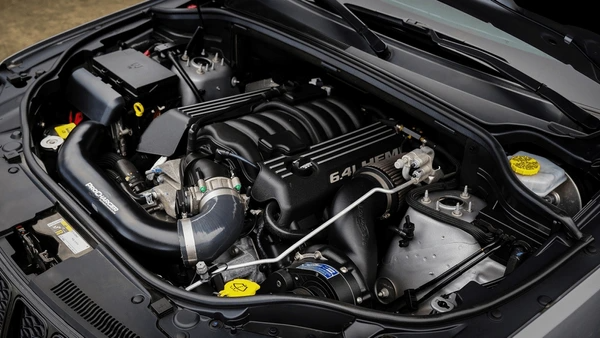
Major Design Changes from Inception to Present Day
Hemi engine design has evolved significantly over the years, reflecting changes in automotive engineering and market demands.
- Emission Control Systems: To meet stringent emission standards, modern Hemi engines are equipped with advanced emission control technologies, including catalytic converters, exhaust gas recirculation (EGR) systems, and particulate filters. These systems ensure that engines run cleaner and produce fewer harmful emissions.
- Engine Block and Head Materials: Early Hemi engines used cast iron for both the engine block and cylinder heads. Today, many Hemi engines utilize aluminum heads and, in some cases, an aluminum block. This reduces weight and improves heat dissipation.
- Valve Configuration: The original Hemi engines had a two-valve-per-cylinder setup. Today’s models feature four-valve-per-cylinder configurations. This change improves airflow and combustion efficiency, contributing to better overall performance.
- Electronic Engine Management: The introduction of electronic engine management systems has revolutionized Hemi design. These systems control critical engine parameters, such as fuel injection, ignition timing, and valve timing, optimizing both performance and fuel efficiency.
Why Choose Hemi Engines? Benefits Explained
Design and Performance Advantages
The hemispherical combustion chamber is a key design feature that sets this engine apart from conventional ones. This unique shape allows for larger valves and better airflow, resulting in several performance benefits:
- Increased Power Output: The efficient burn of the air-fuel mixture, enabled by the hemispherical shape, leads to higher power. Larger valves and optimized airflow dynamics boost engine breathing, enhancing overall performance.
- Improved Thermal Efficiency: The combustion process is more efficient, converting more fuel energy into useful work. This reduces waste heat and boosts overall engine efficiency.
- Higher Compression Ratios: The design supports higher compression ratios without risking knocking, further increasing power and fuel efficiency.
Specific Benefits Compared to Other Engines
- Enhanced Torque and Horsepower: This engine delivers significant torque and horsepower, making it perfect for high-performance vehicles. The large valves and efficient combustion help achieve this elevated performance.
- Durability and Longevity: With its robust design, the engine stands up to heavy use, offering durability and a long lifespan. This makes it ideal for both high-performance and heavy-duty applications.
- Reduced Emissions: The efficient combustion reduces emissions, helping meet stringent environmental standards while lowering the vehicle’s carbon footprint.
Applications of Hemi Engines
Primary Industries and Applications
Hemi engines are most commonly used in high-performance vehicles, particularly within the automotive industry. Their unique design—featuring larger valves and improved airflow—provides higher power output and efficiency. Key applications include:
- Automotive Performance: These engines are a favorite in muscle cars like the Dodge Challenger and Charger. Their power and torque are essential for these high-performance vehicles.
- Motorsports: With a high power-to-weight ratio, Hemi engines excel in drag racing and other motorsport events where speed and performance are critical.
- Heavy-Duty Trucks: Some heavy-duty trucks rely on these engines for their reliable power delivery, which is crucial for towing and hauling.
Performance and Efficiency Comparison
- Power Output: These engines often produce more power due to their superior combustion chamber design, optimizing the air-fuel mixture.
- Thermal Efficiency: The hemispherical design promotes better flame propagation, resulting in more complete combustion and improved thermal efficiency.
- Weight and Size: While heavier and larger than some modern designs, the performance benefits usually outweigh these drawbacks in high-performance applications.
- Fuel Efficiency: Though not traditionally the most fuel-efficient, advancements in design have improved fuel economy, making these engines more competitive in modern applications.
Recent Advancements
- Variable Valve Timing (VVT): VVT optimizes valve timing for varying engine speeds and loads, improving both performance and fuel efficiency.
- Cylinder Deactivation: This technology helps conserve fuel by shutting off half of the engine’s cylinders under light-load conditions.
- Direct Injection: Direct fuel injection enhances power output and fuel efficiency by injecting fuel directly into the combustion chamber.
- Materials and Manufacturing: Advances in materials and manufacturing have made engine components lighter, stronger, and more durable, improving overall performance and engine lifespan.
To get detailed scientific explanations of Hemi Engines, try Patsnap Eureka.
