Technical Background and Objectives
Background
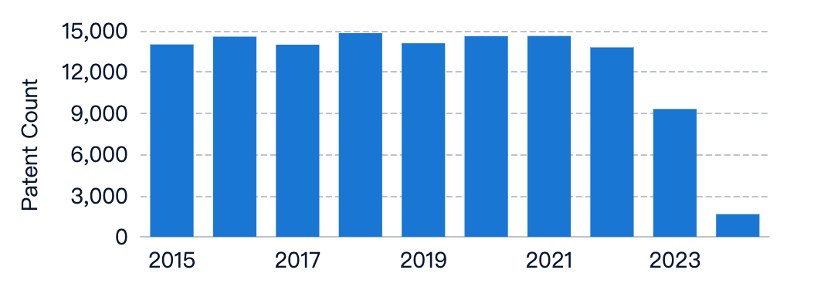
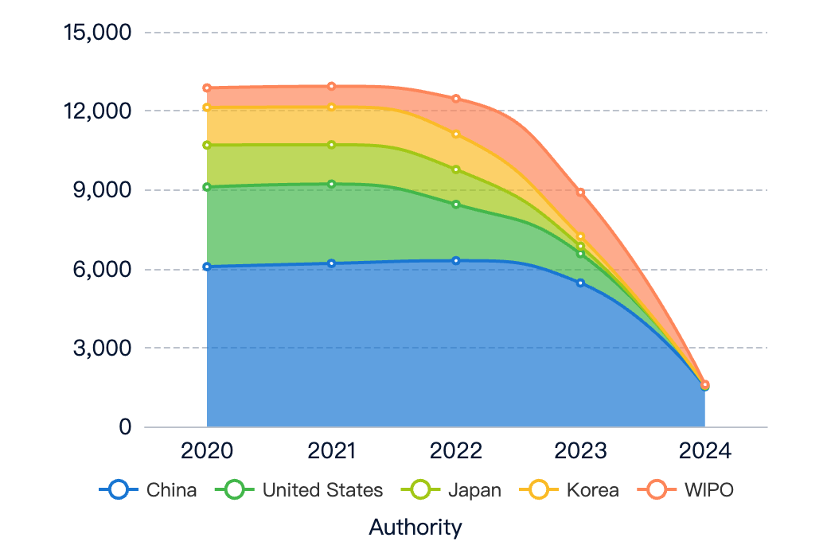
The field of ‘steam tables function increase’ has seen varying trends in patent applications and literature publications. Patent applications peaked in the middle years, indicating a period of active innovation, followed by a decline, possibly due to market saturation or technological maturity. Literature publications remained consistently low, suggesting limited academic research and a focus on practical, industry-driven advancements.
Objectives
The primary objective is to explore and develop innovative solutions to enhance the functionality of steam tables. By leveraging cutting-edge technologies and conducting comprehensive studies, we aim to expand the capabilities of steam tables, meeting the evolving demands of various industries and applications. The goal is to increase efficiency, versatility, and performance, providing users with a more comprehensive and advanced tool.
To get a detailed scientific explanations of Steam Table Function Increase, try Eureka.
Technical Current Status Analysis
Steam Tables
Steam tables are essential in engineering fields, providing critical thermodynamic data for water and steam. They are widely used in power generation, chemical processing, HVAC systems, and research and education.
Applications and Impact:
- Power Generation: Vital for the analysis and design of steam turbines, boilers, and condensers.
- Chemical Processing: Used as a heating medium or reactant, crucial for process optimization.
- HVAC Systems: Essential for sizing and selecting equipment like boilers and heat exchangers.
- Research and Education: Invaluable for understanding thermodynamics and conducting experiments.
Technical Characteristics and Challenges:
- Limited Data Range: Many steam tables cover limited temperatures and pressures.
- Interpolation Errors: Errors can occur when interpolating between data points.
- Outdated Data or Correlations: Some steam tables are based on older data or models.
- Lack of Uncertainty Quantification: Most do not provide uncertainty information.
- Limited Functionality: Traditional formats lack advanced features like automatic calculations or integration with other software.
- Accessibility and Portability: Printed tables can be cumbersome; digital versions may have compatibility issues.
- Specific Application Requirements: Different industries may have unique data needs not addressed by general-purpose tables.
Technological Paths:
- Expanded Data Range and Improved Accuracy: Use advanced computational methods and high-precision instrumentation.
- Uncertainty Quantification and Error Analysis: Implement rigorous statistical techniques.
- Advanced Interpolation and Modeling Techniques: Develop algorithms like spline interpolation or machine learning models.
- Integration with Engineering Software and Databases: Develop APIs or software libraries for seamless integration.
- User-Friendly Interfaces and Advanced Functionality: Design intuitive GUIs or web-based platforms.
- Cloud-Based and Mobile Access: Develop applications for ubiquitous access.
- Customizable and Extensible Frameworks: Allow integration of specialized data for specific industries or applications.
Research Content
Research Objectives
The primary objective is to develop innovative solutions to enhance the functionality of steam tables, focusing on thermal efficiency, multifunctional design, advanced materials, user experience, and commercialization strategies.
Research Direction and Focus
Thermal Efficiency Optimization
- Analyze existing heat transfer mechanisms, insulation techniques, and energy consumption patterns.
- Develop solutions to minimize heat loss, improve energy utilization, and enhance overall thermal performance.
Multifunctional Design and Integration
- Investigate the potential for additional functionalities such as built-in temperature monitoring, automated cleaning mechanisms, and smart connectivity.
- Create versatile and user-friendly products catering to a wide range of applications.
Advanced Materials and Manufacturing Techniques
- Explore new alloys, composites, or coatings for improved durability, corrosion resistance, or thermal properties.
- Investigate innovative manufacturing processes like additive manufacturing for complex and customized designs.
User Experience and Ergonomic Considerations
- Conduct user studies and gather feedback from industry professionals.
- Ensure designs are intuitive, user-friendly, and promote safe and efficient operation.
Cost-Benefit Analysis and Commercialization Strategies
- Evaluate economic viability, considering material costs, manufacturing processes, and market demand.
- Explore partnerships, licensing opportunities, and marketing strategies for successful commercialization.
Technical Development Roadmap
Key Areas of Advancement
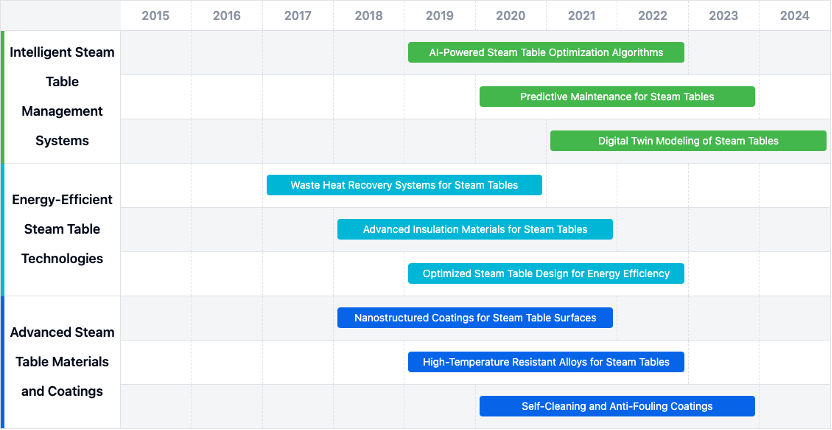
- Intelligent Steam Table Management Systems: AI-powered optimization algorithms, predictive maintenance, and digital twin modeling.
- Advanced Steam Table Materials and Coatings: Nanostructured coatings, high-temperature resistant alloys, and self-cleaning/anti-fouling coatings.
- Energy-Efficient Steam Table Technologies: Waste heat recovery systems, advanced insulation materials, and optimized designs.
These advancements aim to improve automation, sustainability, and operational excellence.
Main Player Analysis
Key Players and Focus
- BASF SE: Extensive patent portfolio in steam table technologies for industrial processes, energy production, and materials development.
- Getty Oil Co.: Expertise in steam injection techniques for enhanced oil recovery.
- Hitachi-GE Nuclear Energy Ltd.: Expertise in nuclear power plant operations and steam systems.
- China Petroleum & Chemical Corp.: Focus on applications in energy and petroleum industries.
- FUJIFILM Corp.: Potential applications in materials science, energy, and industrial processes.
Current Technical Solution Overview
Steam Table Heating Surface
- Temperature Control: Steam heating tables with mechanisms to regulate heat output.
- Adjustable Surface Area: Tables with expandable areas to accommodate varying food quantities.
- Integrated Cooling Function: Tables with dual heating and cooling capabilities.
- Energy-Saving Features: Tables designed with insulation or efficient heat transfer mechanisms.
- Improved Heat Retention: Tables with advanced heat retention capabilities.
Steam Generation and Control
- Steam Generation Systems: Methods for generating and controlling steam, including steam generators and control systems.
- Steam Turbine Power Generation Systems: Configurations and control methods for improving efficiency.
- Steam Generation Devices and Components: Assemblies, valves, and supply apparatuses for various applications.
Steam Turbine Power Control
- Power Control Methods: Techniques for regulating power output in response to load demand.
- Power Augmentation Techniques: Methods for increasing power output using steam injection or waste heat recovery.
- Combined Cycle Power Plant Configurations: Systems integrating gas and steam turbines for higher efficiency.
- Cycle Optimization: Techniques for maximizing efficiency using supercritical steam conditions and reheat cycles.
Steam Installations and Power Plants
- Power Plant Configurations: Arrangements of steam power plants to improve efficiency and flexibility.
- Steam Generation and Control: Methods for optimizing steam production and distribution.
- Thermodynamic Properties: Steam tables providing critical data for heat transfer and energy conversion.
- Operation and Control: Techniques for load management and operational flexibility.
Steam Table Accessories and Handling
- Handling and Functionality Accessories: Devices to enhance usability and efficiency.
- Cleaning and Maintenance Accessories: Tools for maintaining hygiene and functionality.
- Multipurpose and Modular Accessories: Configurable accessories for versatility.
- Cooking and Food Preparation Accessories: Tools for enhancing culinary capabilities.
Key Patent Interpretation
Patent Highlights
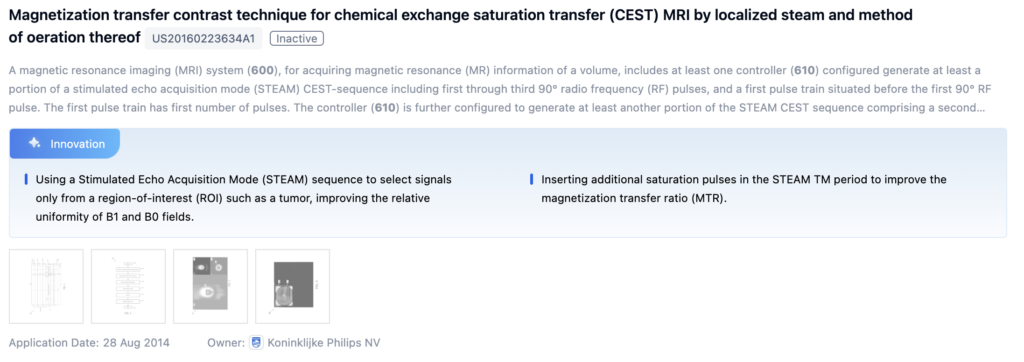
Patent 1: Magnetization Transfer Contrast Technique for CEST MRI
- Core Invention Points:
- Using a Stimulated Echo Acquisition Mode (STEAM) sequence for improved imaging.
- Inserting additional saturation pulses for better magnetization transfer ratio (MTR).
- Enhancing MRI by selecting signals from a region-of-interest.
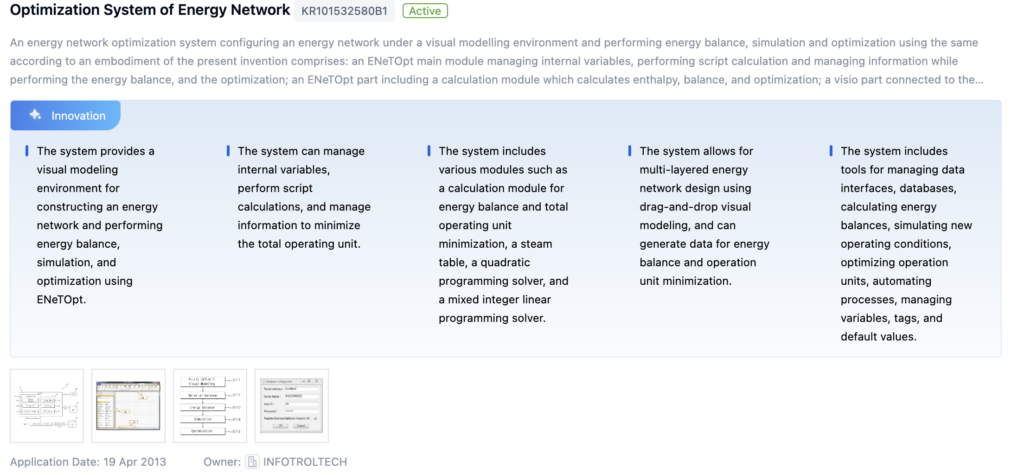
Patent 2: Optimization System of Energy Network
- Core Invention Points:
- Visual modeling environment for energy network construction and optimization.
- Managing internal variables and performing script calculations.
- Modules for energy balance, optimization, and steam table integration.
Patent 3: Metal Engineering Building Block Suite for STEAM Education
- Core Invention Points:
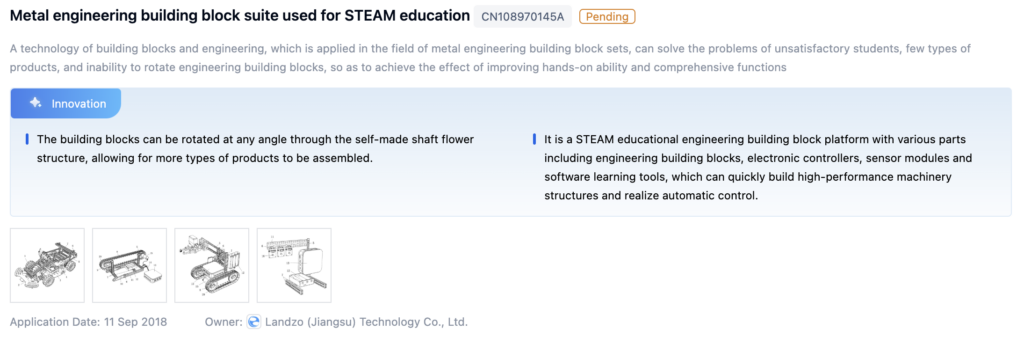
- Rotatable building blocks for diverse product assembly.
- STEAM educational platform with various parts for high-performance machinery structures.
- Integrated electronic controllers, sensor modules, and software learning tools.
Possible Research Directions
- Steam Table for Cooking and Heating Applications: Efficient designs for cooking and heating, including collapsible and nestable tables and heating surface adapters.
- Steam Generation and Control Systems: Methods for generating and controlling steam in power plants and turbines.
- Steam Distribution and Utilization: Patents related to improving steam distribution and utilization.
- Steam Table Accessories and Components: Devices to enhance functionality and usability, such as tray spacing apparatus and handling devices.
If you want an in-depth research or a technical report, you can always get what you want in Eureka Technical Research. Try now!