


Bronfenbrenner’s ecological model, also known as the ecological systems theory, explains how different environmental systems influence human development. Developed by psychologist Urie Bronfenbrenner, this model emphasizes the interconnected relationships between individuals and their surrounding environments. The model consists of five key levels: the microsystem, mesosystem, exosystem, macrosystem, and chronosystem. Each level plays a role in shaping an individual’s behavior, growth, and development. This article explores the components of the ecological model, real-world examples, and its significance in psychology and education.
The Five Levels of Bronfenbrenner’s Ecological Model
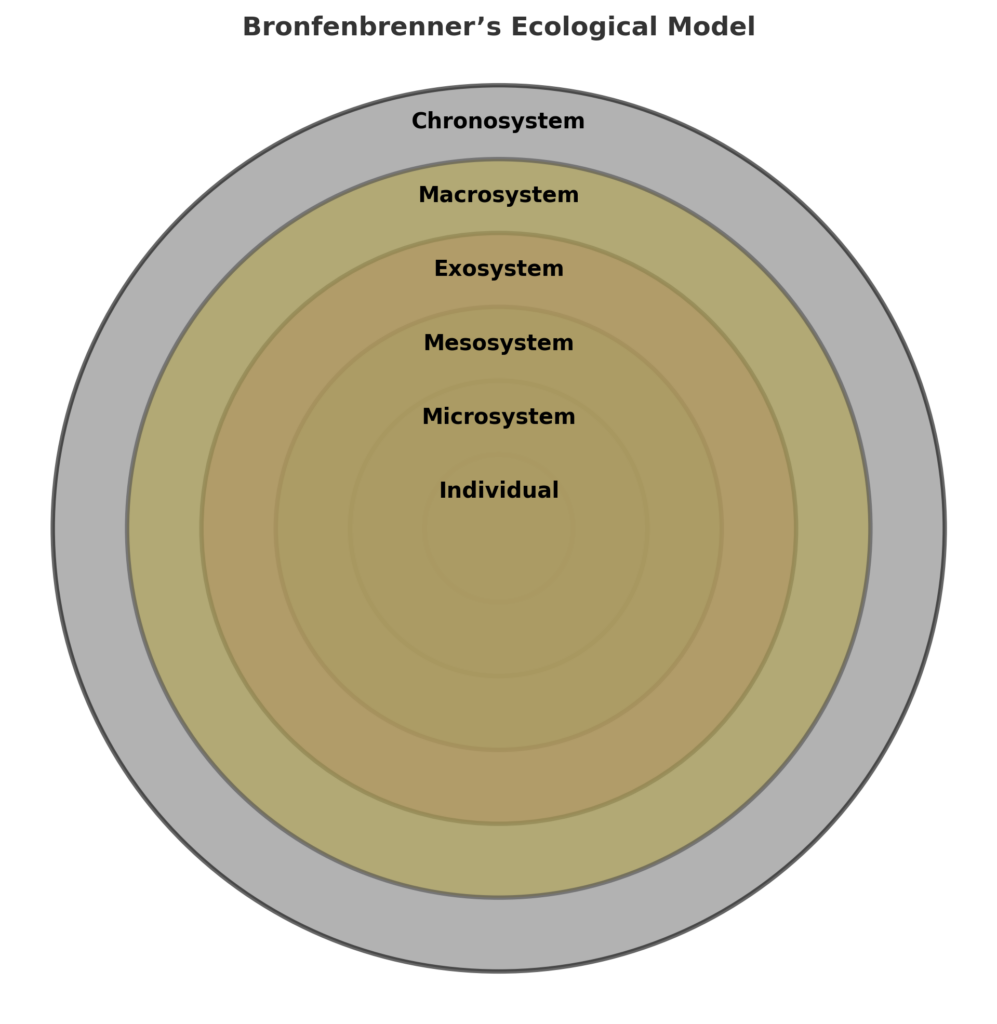
- Microsystem: This is the smallest and most immediate environment in which children live. It includes the direct environments and relationships that have a direct impact on the individual, such as family, friends, and teachers.
- Mesosystem: This level examines the individual’s interactions and interconnections with the people in the microsystem to further understand their impact on the individual’s development.
- Exosystem: This includes indirect environments that do not have direct contact with the individual but still have an impact on their development, such as day care centers or the places where parents work.
- Macrosystem: This encompasses the broader cultural context in which the individual lives, including societal norms, laws, and cultural values.
- Chronosystem: This level looks at how changes over time, such as life transitions or historical events, can affect development.
Detailed Explanation of the Five Levels
Curious about Bronfenbrenner’s Ecological Model? Eureka Technical Q&A provides expert insights into its five interconnected systems—microsystem, mesosystem, exosystem, macrosystem, and chronosystem—helping you understand how environmental factors influence human development.
1. Microsystem – The Immediate Environment
The microsystem is the closest level to an individual and includes direct interactions with family, friends, teachers, and caregivers. This system has the most immediate and significant influence on a person’s development.
Examples:
- A child’s relationship with parents and siblings.
- A student’s interactions with teachers and classmates.
- A teenager’s friendships and peer influences.
Impact:
Supportive microsystems promote positive emotional, social, and cognitive development, while negative microsystem interactions can contribute to stress, anxiety, or behavioral issues.
2. Mesosystem – Interconnections Between Microsystems
The mesosystem consists of the interactions between different microsystems and how they influence each other. It highlights the importance of relationships between different environments in a person’s life.
Examples:
- A child’s academic success influenced by communication between parents and teachers.
- A teenager’s behavior shaped by interactions between school and peer groups.
- The relationship between home life and religious or community involvement.
Impact:
A strong, supportive mesosystem creates a positive developmental environment, while a lack of communication between key systems can cause conflicts or emotional distress.
3. Exosystem – Indirect Environmental Influences
The exosystem includes settings that do not directly involve the individual but still have an impact on their development. These influences come from external environments like parents’ workplaces, local government, or the media.
Examples:
- A parent’s job affecting family stress and home life.
- A school district’s policies shaping educational opportunities.
- Exposure to social media or news affecting a person’s worldview.
Impact:
Though individuals are not directly involved in the exosystem, decisions made in these systems can impact emotional well-being, access to resources, and personal growth.
4. Macrosystem – Cultural and Societal Influences
The macrosystem represents the broader cultural, social, and economic context that affects development. This includes laws, customs, beliefs, and values that shape an individual’s experiences.
Examples:
- Cultural attitudes toward gender roles, education, and career choices.
- Government policies on healthcare, social services, and education.
- Economic conditions influencing family stability and opportunities.
Impact:
The macrosystem shapes ideologies, social norms, and opportunities, influencing how individuals perceive themselves and their role in society.
5. Chronosystem – Changes Over Time
The chronosystem includes life transitions, historical events, and changes in personal circumstances over time. It recognizes that development is influenced by both short-term and long-term experiences.
Examples:
- The impact of divorce on a child’s emotional well-being over time.
- Technological advancements shaping how people interact and learn.
- Historical events like the COVID-19 pandemic influencing social and economic structures.
Impact:
The chronosystem highlights how individuals adapt to change, with past experiences shaping future behavior and resilience.
Real-World Applications of Bronfenbrenner’s Ecological Model
Education
- Teachers can strengthen student learning by improving parent-teacher communication (mesosystem).
- Schools can provide support systems to mitigate external stressors from students’ home environments (exosystem).
Child Development
- Parents can enhance a child’s growth by fostering positive microsystem interactions through emotional support.
- Government policies on early childhood education and healthcare play a critical role in shaping development (macrosystem).
Psychology and Mental Health
- Therapists consider how family, culture, and societal pressures affect mental health.
- Changes like job loss or moving to a new city (chronosystem) impact emotional well-being.
FAQs
What is the main idea of Bronfenbrenner’s ecological model?
The model explains how multiple environmental systems interact to shape human development, from direct relationships in the microsystem to broader cultural influences in the macrosystem.
How does the mesosystem differ from the microsystem?
The microsystem consists of direct relationships, while the mesosystem refers to interactions between different microsystems, such as how school and home life influence each other.
Why is the exosystem important?
Although individuals are not directly involved in the exosystem, it affects their lives by influencing resources, policies, and external circumstances.
How does the chronosystem affect development?
The chronosystem includes life transitions and historical changes, recognizing that development is a lifelong process influenced by time and experiences.
Conclusion
Bronfenbrenner’s ecological model provides a comprehensive framework for understanding how different environmental factors influence human development. By considering the interactions between family, school, culture, and societal changes, this model highlights the importance of both direct and indirect influences on growth and behavior. Whether in education, psychology, or social policy, understanding these layers helps create supportive environments for personal and collective development.
To get detailed scientific explanations of Bronfenbrenner’s Ecological Model, try Patsnap Eureka.
