


A combustion engine is a heat engine that converts chemical energy from fuel into mechanical energy through the process of combustion. These engines power a vast range of vehicles, industrial machinery, and power generation systems. Combustion engines are broadly categorized into internal combustion engines and external combustion engines, each with unique working principles and applications. This article explores the types, working mechanisms, efficiency, and advantages of combustion engines, along with their future in an era of alternative energy.
What Is a Combustion Engine?
What is a combustion engine? Eureka Technical Q&A explains how it converts fuel into mechanical energy through controlled explosions, highlighting its types, efficiency, and applications in various industries.

A combustion engine operates by burning fuel to produce thermal energy, which is then converted into mechanical motion. The burning process generates high-pressure gases that drive pistons, turbines, or other mechanical components to create motion.
There are two main types of combustion engines:
- internal combustion engine – burns fuel inside a combustion chamber, such as gasoline and diesel engines
- external combustion engine – burns fuel outside the engine, such as steam engines
Types of Combustion Engines
Internal Combustion Engines
Internal combustion engines are the most commonly used engines in modern automobiles, motorcycles, and aircraft. They burn fuel within a closed chamber to produce power.
Types of Internal Combustion Engines
| Type | Fuel Used | Common Applications |
|---|---|---|
| gasoline engine | gasoline (petrol) | cars, motorcycles, small aircraft |
| diesel engine | diesel | trucks, buses, ships, generators |
| rotary engine (wankel) | gasoline | Mazda sports cars, UAVs |
| gas turbine engine | jet fuel, natural gas | aircraft, power plants, military vehicles |
External Combustion Engines
External combustion engines burn fuel outside the engine and use steam or heated gases to create motion.
Types of External Combustion Engines
- steam engine – used in old locomotives and power plants
- stirling engine – used in some power generation applications
How Does a Combustion Engine Work?
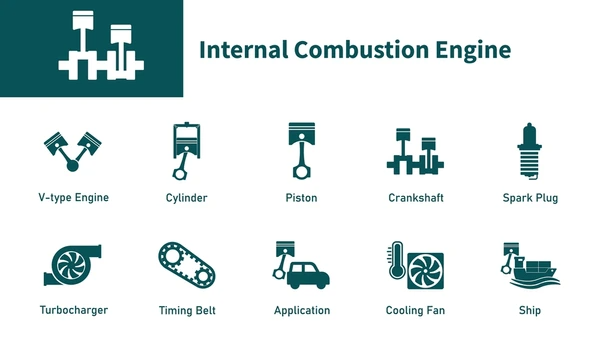
Internal Combustion Engine Working Cycle
Most internal combustion engines operate on a four-stroke cycle, which includes the following steps:
- intake stroke – the piston moves down, drawing air and fuel into the cylinder
- compression stroke – the piston moves up, compressing the air-fuel mixture
- power stroke – the spark plug ignites the mixture, causing an explosion that pushes the piston down
- exhaust stroke – the piston moves up again, expelling burned gases through the exhaust valve
Diesel Engine vs. Gasoline Engine Combustion
- gasoline engines use spark ignition to ignite fuel
- diesel engines use compression ignition, where air is compressed until it is hot enough to ignite injected fuel
Efficiency of Combustion Engines
The efficiency of a combustion engine is influenced by:
- fuel type such as gasoline, diesel, biofuels, and hydrogen
- compression ratio, where higher compression improves efficiency
- engine design, as turbocharging and direct injection increase power and efficiency
- cooling and exhaust systems, which reduce energy loss and emissions
| Engine Type | Efficiency Range |
|---|---|
| gasoline engine | 25-30 percent |
| diesel engine | 35-45 percent |
| steam engine | 10-15 percent |
| gas turbine | 30-40 percent |
Applications of Combustion Engines
Automotive Industry
- gasoline engines power most cars, motorcycles, and small trucks
- diesel engines dominate commercial trucks, buses, and off-road vehicles
Aerospace and Marine
- jet engines, or gas turbines, power aircraft
- diesel engines power ships and submarines
Industrial and Power Generation
- gas turbines generate electricity in power plants
- diesel generators provide backup power in remote locations
Advantages and Disadvantages of Combustion Engines
| Aspect | Advantages | Disadvantages |
|---|---|---|
| performance | high power output | limited efficiency compared to electric motors |
| fuel availability | widely available fuels | dependence on fossil fuels |
| durability | long lifespan with maintenance | higher emissions and pollution |
| portability | compact design for vehicles | requires complex cooling and lubrication |
Future of Combustion Engines
With the rise of electric vehicles and alternative energy, combustion engines are evolving to remain relevant.
Innovations in Combustion Engines
- hybrid powertrains combine internal combustion engines with electric motors for greater efficiency
- hydrogen combustion engines offer a zero-carbon alternative while retaining the benefits of internal combustion
- synthetic fuels and biofuels aim to reduce emissions while maintaining compatibility with existing engine technology
FAQs About Combustion Engines
What is the difference between an internal and external combustion engine?
Internal combustion engines burn fuel inside the engine, such as gasoline and diesel engines, while external combustion engines burn fuel outside and use steam or heated gases to power the engine, such as steam engines.
Which is more fuel-efficient, gasoline or diesel engines?
Diesel engines are typically more fuel-efficient than gasoline engines because they operate at higher compression ratios and extract more energy from fuel.
What is the most efficient combustion engine?
Diesel engines and gas turbine engines generally have the highest efficiency among combustion engines, reaching up to 45 percent in some applications.
Can combustion engines run on alternative fuels?
Yes, modern combustion engines can use alternative fuels such as biofuels, hydrogen, and synthetic fuels, which help reduce environmental impact.
Will combustion engines be replaced by electric vehicles?
While electric vehicles are gaining popularity, combustion engines are expected to continue in use for many decades, especially in industries like heavy transport, aviation, and power generation.
Conclusion
The combustion engine has been a driving force behind global industrialization and modern transportation. While facing competition from electric and hydrogen-powered alternatives, combustion engines continue to evolve through hybrid systems, alternative fuels, and efficiency improvements.
As new technologies emerge, combustion engines will remain relevant in sectors requiring high power, range, and reliability, ensuring their continued role in the future of transportation and energy production.
To get detailed scientific explanations of combustion engine, try Patsnap Eureka.
