


A hydrolocked engine occurs when water or another liquid enters the combustion chamber, preventing the pistons from moving properly. Since liquids do not compress like air, the sudden obstruction can cause the engine to stall immediately or even lead to severe internal damage. Hydrolocking is most common when driving through deep water, but it can also result from coolant or fuel leaks. This article explores the causes, symptoms, potential damage, and repair options for a hydrolocked engine, along with preventive measures to avoid costly repairs.
What Is a Hydrolocked Engine?
What is a hydrolocked engine? Eureka Technical Q&A explains how water enters the combustion chamber, preventing piston movement, and provides insights into causes, symptoms, and potential fixes.

A hydrolocked engine happens when a non-compressible liquid, such as water, coolant, or fuel, enters one or more cylinders. When the piston attempts to compress the liquid, it creates immense pressure inside the engine, often leading to bent connecting rods, cracked pistons, or a seized engine.
The severity of hydrolocking depends on whether the engine was running or off when the liquid entered the combustion chamber.
- If the engine is running, hydrolocking occurs suddenly, often with a loud knocking sound or immediate stalling.
- If the engine is off, liquid may seep into the cylinders gradually, making it difficult to start the vehicle.
Common Causes of a Hydrolocked Engine
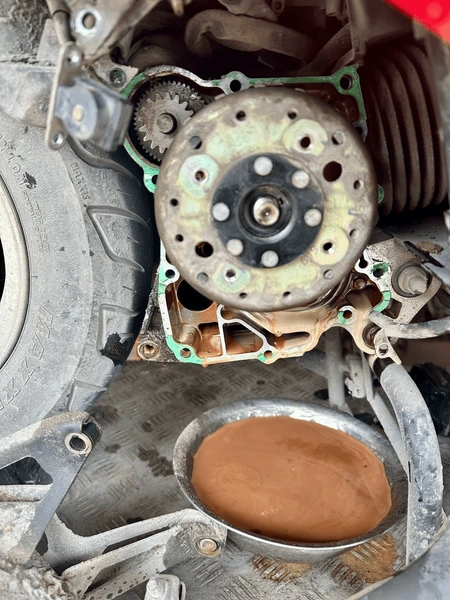
Driving Through Floods
Flooded roads pose a serious risk of water entering the air intake. Once inside, water disrupts the combustion cycle and damages the pistons. Avoid driving through deep water to prevent costly repairs.
Water Ingestion During Water Fording
Off-road driving or crossing deep water can allow water into the air induction system. If it reaches the engine, it can cause hydrolock and lead to significant engine damage. Using a snorkel system can reduce this risk.
Mechanical Failures
Certain mechanical issues can lock the engine clutch in place, preventing smooth operation. If the clutch remains stuck in a lock-up state, the transmission cannot slip properly, increasing the risk of engine stall or failure.
Lack of Proper Engine Maintenance
Worn seals and gaskets increase the risk of water entering the combustion chambers. Regularly inspect and replace aging components to keep the engine well-sealed and protected.
Accidental Overfilling of Fluids
Adding too much engine oil or coolant can push excess liquid into the combustion chambers. Always follow manufacturer guidelines when refilling fluids to avoid this issue.
Hydrolock in Turbocharged Engines
Turbocharged engines can experience oil hydrolock when excess oil builds up in the intake system. If oil enters the cylinders, it can prevent proper piston movement, leading to severe damage.
Symptoms of a Hydrolocked Engine

Sudden Engine Stall
If the engine suddenly stalls while driving, especially after going through water, it may be hydrolocked. This occurs because the piston cannot compress the liquid inside the cylinder, preventing further movement.
Engine Won’t Start or Turns Over Slowly
A hydrolocked engine may refuse to start or crank very slowly. If liquid remains in the cylinders, it prevents normal piston movement.
Loud Knocking or Clunking Noises
If a small amount of liquid enters the combustion chamber, the engine may still run but produce loud knocking noises due to internal damage. This is a sign that the connecting rods may be bent.
White Smoke from the Exhaust
If the hydrolock is caused by coolant leaking into the cylinders, the exhaust may produce thick white smoke, indicating a blown head gasket or internal engine leak.
Potential Damage Caused by Hydrolocking
| Severity | Effects on Engine | Possible Damage |
|---|---|---|
| Mild | Engine stalls but restarts after water drains | No significant damage, possible misfire |
| Moderate | Engine turns over slowly, rough running | Bent connecting rods, piston damage |
| Severe | Engine seized, won’t turn over | Bent rods, broken crankshaft, cracked block |
How to Fix a Hydrolocked Engine
Do Not Attempt to Restart the Engine
If you suspect hydrolock, do not try to start the engine. This can worsen internal damage by forcing the pistons to move against trapped liquid.
Remove Spark Plugs or Glow Plugs
Taking out the spark plugs for gasoline engines or glow plugs for diesel engines allows trapped liquid to escape when cranking the engine manually.
Drain the Engine and Air Intake
If water entered through the air intake:
- Manually crank the engine with the plugs removed to push out liquid.
- Dry the intake system and replace the air filter if necessary.
- Check the engine oil for water contamination and perform an oil change if needed.
Inspect for Internal Damage
Once the liquid is removed, check for unusual noises or rough idling when restarting the engine. If the engine runs poorly, it may have bent rods or damaged pistons, requiring further repairs.
Seek Professional Repair for Severe Cases
If the engine does not turn over after draining the liquid, internal damage is likely. In severe cases, the repair options include:
- Replacing bent connecting rods if only minor damage is found.
- Rebuilding the engine if multiple components are damaged.
- Replacing the engine entirely if the block or crankshaft is cracked.
How to Prevent a Hydrolocked Engine
Avoid Driving Through Deep Water
Do not drive through flooded roads, deep puddles, or submerged areas where water can reach the air intake.
Install a Snorkel for Off-Roading
For vehicles frequently used in off-road or flood-prone areas, installing a snorkel intake helps prevent water from entering the engine.
Regularly Check for Coolant and Fuel Leaks
Inspect the head gasket, intake manifold, and fuel injectors for leaks that could cause gradual hydrolocking.
Be Cautious When Washing the Engine
Avoid using high-pressure water directly on the intake system or ignition components, as water can enter the engine and cause hydrolock.
FAQs
Can a hydrolocked engine be fixed?
Yes, if caught early, a hydrolocked engine can often be repaired by removing the liquid and checking for damage. Severe cases may require engine rebuilds or replacement.
What does a hydrolocked engine sound like?
A hydrolocked engine may produce a loud knocking noise if some liquid is present. If fully hydrolocked, the engine will not turn over at all.
How much does it cost to fix a hydrolocked engine?
Repair costs vary depending on damage:
- Mild cases: 300 to 1,000 dollars for draining the engine and replacing fluids.
- Moderate damage: 1,500 to 3,000 dollars for bent rod replacement.
- Severe cases: 5,000 dollars or more for an engine rebuild or replacement.
Can a hydrolocked engine dry out on its own?
If a small amount of liquid is in the cylinders, it may evaporate over time, but severe hydrolocking requires draining and inspection.
Will insurance cover a hydrolocked engine?
If hydrolock occurs due to flooding or water intrusion, comprehensive insurance may cover repairs. However, damage caused by neglect or driving through deep water is often not covered.
Conclusion
A hydrolocked engine is a serious mechanical failure caused by liquid entering the combustion chamber, leading to immediate stalling and potential internal damage. Whether due to flooding, coolant leaks, or fuel system malfunctions, hydrolocking can result in costly repairs if not addressed quickly.
By recognizing early symptoms, taking immediate action, and following preventive measures, drivers can reduce the risk of hydrolock and avoid expensive engine damage. In severe cases, professional inspection and repairs are necessary to restore engine function.
To get detailed scientific explanations of hydrolocked engines, try Patsnap Eureka.
