


Introduction: What Makes the LS2 Engine Special?
The LS2 engine is one of the most iconic and sought-after engines in the performance vehicle world. Known for its power, reliability, and versatility, it quickly became a favorite among car enthusiasts. First introduced by General Motors in 2005, this 6.0-liter V8 engine powered high-performance cars like the Chevrolet Corvette and Pontiac GTO. With its impressive performance and adaptability for modifications, it has cemented its place in automotive history. In this article, we’ll take a closer look at the features that make this engine stand out and why it continues to dominate the world of high-performance cars.
LS2 Engine Specs: Power, Torque, and Efficiency
Power and Torque
With 400 horsepower and 400 lb-ft of torque, this engine delivers impressive power. It’s perfect for high-performance vehicles like the Corvette C6, GTO, and CTS-V. The engine’s camshaft design plays a crucial role in balancing torque and horsepower. In fact, its torque output directly correlates with its horsepower rating, making it an efficient powerhouse.
Efficiency
Designed for efficiency, the engine offers great performance with minimal interference from engine management systems. This enhances both power and fuel efficiency. Upgrading components, such as swapping LS3 heads onto an LS2 block, can further boost power, torque, and fuel efficiency across the RPM range.

Technical Evolution
Part of the Gen IV small-block V8 family, this engine benefits from significant advancements in materials and technology. It features a cast aluminum cylinder block and heads, which enhance durability. Additionally, the single camshaft’s closer placement to the cylinder heads allows for shorter pushrods, improving overall efficiency.
LS2 Engine vs. LS3: Key Differences
Displacement
The 6.0-liter (364 cubic inches) engine compares to the 6.2-liter (376 cubic inches) LS3 engine in terms of displacement. The LS3’s slightly larger displacement gives it an edge in power and performance.
Power Output
At 5,900 rpm, the 6.0-liter engine produces 400 horsepower and 400 lb-ft of torque. In comparison, the 6.2-liter LS3 engine generates 430 horsepower at the same rpm and 425 lb-ft of torque at 4,600 rpm. The LS3 offers more power, especially at higher revs.
Engine Design
The LS3 features a high-flow intake manifold and more efficient cylinder heads with rectangular intake ports. These improvements allow better power management across all RPM ranges. Additionally, the LS3 has a cast-aluminum block with six-bolt, cross-bolted main caps and a deep skirt design. This design strengthens its structural integrity and dampens vibrations for smoother operation.
Applications
The 6.0-liter engine powered the 2006-2007 Corvette, while the 6.2-liter LS3 engine became the standard in the 2008-2013 Corvette. The LS3 also powers the fifth-generation Camaro SS, further showcasing its versatility.
Performance
The LS3 engine excels in breathing and revving capabilities. It can reach higher revs than the 6.0-liter engine, and many owners report only minimal power differences between the two. However, the LS3’s design allows it to offer more consistent performance at higher speeds.
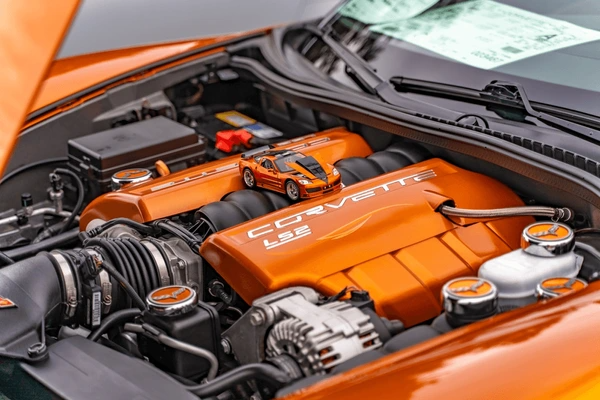
Common Applications of the LS2 Engine
- Automotive Applications: The 6.0-liter engine powers a wide variety of vehicles, from cars to trucks. Known for its strong performance and reliability, it remains a popular choice in both stock and modified applications.
- Performance Enhancements: Car enthusiasts and racers often upgrade this engine with parts like camshafts, intake manifolds, and exhaust systems. These modifications boost its power output, making it a favorite for performance builds.
- Durability and Reliability: One major reason for its popularity is its durability. Built to handle high performance, it’s renowned for its long lifespan and ability to endure tough driving conditions.
- Versatility: The engine’s versatility makes it suitable for a range of vehicle types, from muscle cars to SUVs. This adaptability makes it a go-to option for car manufacturers looking for power and flexibility.
Popular Modifications for the LS2
- Supercharger Installations: Installing a supercharger, like those from ECS or A&A, is a top recommendation for boosting power. These systems offer a significant increase in performance without sacrificing drivability. They strike a perfect balance between power and everyday usability.
- Cold Air Intake Kits: A cold air intake kit improves engine airflow, boosting performance and efficiency. By cooling and densifying the incoming air, it enhances the combustion process, leading to higher power output.
- Headers: Upgrading to performance headers improves exhaust flow and reduces backpressure. This change enhances engine efficiency, allowing exhaust gases to exit more freely and improving overall performance.
- Cold Thermostat: Replacing the stock thermostat with a colder version can optimize engine performance. A cooler thermostat helps the engine reach its ideal operating temperature more quickly, improving both performance and fuel efficiency.
- Aftermarket Exhaust Systems: Installing an aftermarket exhaust system reduces backpressure and improves exhaust flow. This modification boosts power and creates a more aggressive exhaust note.
- Computer Programmer: A computer programmer re-maps the engine control unit (ECU) to optimize performance. It improves throttle response, increases horsepower, and enhances overall engine management.
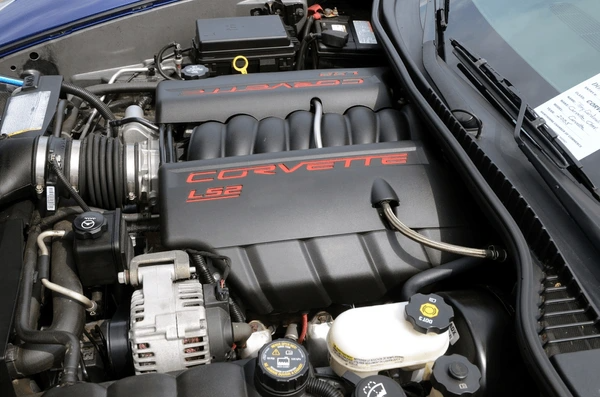
Conclusion: Is the LS2 the Right Choice for Your Build?
In conclusion, whether the LS2 is the right choice for your build depends on your performance goals and preferences. It offers a great balance of power, reliability, and versatility, making it a solid option for various vehicle types. With the right modifications, you can enhance its performance even further, from superchargers to cold air intakes. If you’re looking for a proven engine that provides a strong foundation for performance builds, the LS2 is a reliable and adaptable choice. Consider your specific needs and budget, and you’ll likely find that this engine delivers the power and performance you seek.
To get detailed scientific explanations of the LS2 Engine, try Patsnap Eureka.
