


Introduction to the LS6 Engine
The LS6 engine, a high-performance variant of the LS engine family, was introduced by General Motors in 2001. It became the standard engine for the Chevrolet Corvette Z06, a high-performance version of the C5 Corvette. Designed to deliver enhanced performance over the LS1 engine, the LS6 played a key role in establishing the LS engine platform as a powerful and versatile option for a variety of GM vehicles. This article will explore the key features, performance, and applications of the LS6 engine.
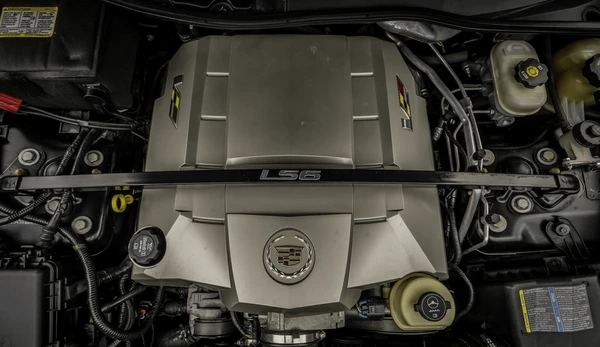
Key Specifications: Power, Torque, and Fuel Efficiency
- Displacement and Configuration
The 5.7-liter V8 engine has a displacement of 346 cubic inches. It shares components with the LS1, such as the deep skirted aluminum block and six-bolt main bearing caps. However, it features upgrades for better performance and durability. - Performance Specifications
The original version produced 385 horsepower and 385 lb-ft of torque. In 2002, updates increased this to 405 horsepower and 400 lb-ft of torque. With a 10.5:1 compression ratio and a high-flow intake manifold, it offers exceptional efficiency and power. - Technical Enhancements
Key improvements include reinforced main bearing bulkheads and a larger intake manifold plenum. These upgrades reduce airflow restrictions, enhancing overall performance. - Specialty Uses
Originally used in the Corvette Z06, it also powered the Cadillac CTS-V from 2004 to 2005. This showcases its versatility in delivering high performance across different GM vehicles. - Legacy and Influence
This engine marked a milestone in GM’s small-block development. Its success in the Corvette boosted its performance image and influenced future GM engine designs.
Applications of the LS6 Engine
- Corvette Z06: The LS6 was used as the standard engine for the Corvette Z06 from 2001 to 2004. This engine was part of Chevrolet’s efforts to enhance the Corvette’s performance, aligning with the vision of Chief Engineer David Hill to offer a high-performance variant that could compete with other high-speed American cars .
- Cadillac CTS-V: The LS6 was also used as the standard engine for the Cadillac CTS-V from 2004 to 2005. This application helped in bolstering the Cadillac’s image in the realm of performance vehicles .
- Holden Monaro GTO: The LS6 engine was also used in the Holden Monaro GTO, which featured the LS6 engine, not just the block. This indicates the engine’s versatility and its application in different vehicle models across different brands .
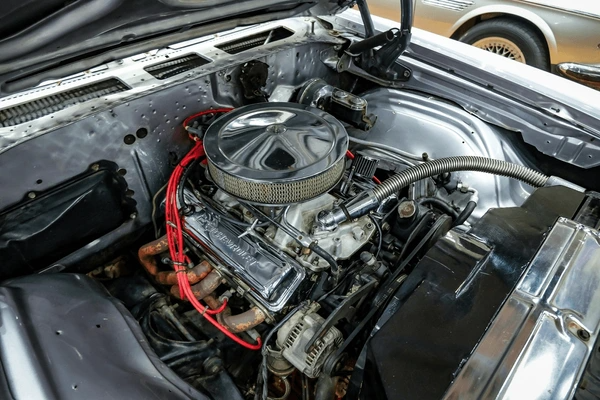
LS6 Engine vs. LS1: How They Compare
Engine Specifications
LS6
- 346 cubic inches (5.7L) displacement
- Deep skirted aluminum engine block
- Six-bolt main bearing caps
LS1
- 346 cubic inches (5.7L) displacement
- Deep skirted aluminum engine block
- Six-bolt main bearing caps
Performance Differences
LS6
- Compression ratio of 10.5:1
- Sodium-filled valves
- Smaller combustion chambers
- Enhanced main bearing bulkhead strength
LS1
- Lower compression ratio
- Standard valves
- Larger combustion chambers compared to LS6
- Less rigidity in main bearing bulkhead
Applications
LS6
- Used in the 2001-2004 Corvette Z06
LS1
- Used in the 1997-2004 Chevrolet Corvette
Engine Block Design
LS6
- Some perceive the block as weaker than other LS blocks
- Some companies avoid resleeving the LS6 block
LS1
- Strong engine block suitable for high-performance applications
Comparison with Other Engines
LS6
- Shares basic design with LS1 but features windows cast between cylinders
- Represents a key evolution in the LS engine platform
LS1
- Foundation of the LS platform, offering robust performance for a wide range of applications
Popular Upgrades and Modifications for the LS6 Engine
- Camshaft and Valvetrain Upgrades: Swapping the camshaft and modifying the valvetrain enhances airflow and power. Street-friendly mods often achieve a lift of .600 inches.
- Intake Manifold Modifications: Upgrading the high-flow intake manifold boosts airflow and adds horsepower. The original design increased plenum volume, adding 10 horsepower.
- Compression Ratio Adjustments: Using high-compression pistons and gaskets increases the compression ratio, often reaching 13.0:1 for better power output.
- Connecting Rod and Crankshaft Upgrades: Stronger connecting rods and a polished crankshaft improve durability. Using ARP bolts helps maintain engine strength at higher performance levels.
- Exhaust System Upgrades: Upgrading to high-flow catalytic converters and performance exhaust manifolds reduces backpressure, improving power and performance.
- Cooling System Improvements: Improving the radiator, hoses, and fans keeps engine temperatures optimal and prevents overheating as power increases.
- Fuel System Enhancements: Upgrading fuel injectors, the fuel pump, and intake manifold ensures sufficient fuel delivery for higher power and airflow.
Maintenance Tips for Longevity and Reliability
Regular Maintenance
- Oil Changes: Regular oil changes are vital to prevent engine wear. Use high-quality oil and follow the recommended schedule.
- Filter Checks: Regularly check and replace air and fuel filters. Clean filters help the engine run efficiently and last longer.
Performance Modifications
- Intake System: Upgrade to a high-flow intake manifold for better efficiency and performance. The LS6’s intake already offers improvements, but upgrades can enhance output.
- Camshaft: A mild camshaft lasts up to 100,000 miles with proper maintenance. Ensure other components, like springs, are also balanced.
Reliability Enhancements
- ARP Bolts: Using ARP bolts for critical components boosts engine reliability and prevents failures, particularly in high-stress areas.
- Compression Management: Be mindful of compression ratios. Use proper head gaskets and respect the engine’s original design for optimal performance.
Component Inspection and Replacement
- Oil Fill Inspection: Regularly inspect the oil fill area for wear or damage, as it can signal bigger issues.
- Original Component Use: Use original or matched parts to maintain engine integrity. Stick to factory specifications for replacements when possible.
To get detailed scientific explanations of LS6 Engine, try Patsnap Eureka.
