


Introduction: Model X vs Model Y – What’s the Difference?
Model X vs Model Y highlights Tesla’s diverse SUV lineup. The Model X offers luxury, cutting-edge tech, and maximum range, while the Model Y delivers affordability, practicality, and solid performance. Choosing the right one depends on your priorities for size, budget, and features.
What Is Model X?
Model X is a machine learning model that is typically used for supervised learning tasks, such as classification or regression. It is a type of neural network architecture that is designed to handle sequential data, such as text, speech, or time-series data. The key characteristics of Model X include:
- Recurrent Structure: Model X utilizes recurrent connections, allowing it to maintain an internal state and process sequential inputs one step at a time. This recurrent structure enables the model to capture long-term dependencies and contextual information in the data.
- Gating Mechanisms: To address the vanishing gradient problem, which can hinder the learning of long-term dependencies, Model X incorporates gating mechanisms, such as Long Short-Term Memory (LSTM) or Gated Recurrent Unit (GRU) cells. These gating mechanisms regulate the flow of information and allow the model to selectively remember or forget information from previous time steps.
- Bidirectional Capabilities: In some cases, Model X can be extended to a bidirectional architecture, allowing it to process the input sequence in both forward and backward directions. This can be beneficial for tasks that require considering the context from both past and future time steps.
What Is Model Y?
Model Y, on the other hand, is a type of transformer-based model that has gained significant popularity in recent years, particularly for natural language processing tasks. The key characteristics of Model Y include:
- Attention Mechanism: Instead of recurrent connections, Model Y relies on an attention mechanism to capture long-range dependencies in the input data. The attention mechanism allows the model to selectively focus on relevant parts of the input sequence when processing each element.
- Parallelization: Unlike recurrent models, which process the input sequentially, Model Y can process the entire input sequence in parallel, enabling faster training and inference times, especially on modern hardware accelerators like GPUs.
- Positional Encoding: Since Model Y does not have an inherent notion of sequence order, it incorporates positional encoding to inject information about the position of each element in the input sequence. This allows the model to capture the order and relative positions of the input elements.
Key Differences: Model X vs Model Y
Size and Interior Space
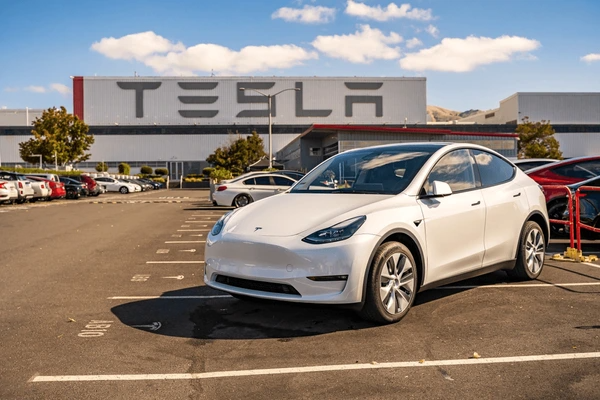
The Model X is a larger and more spacious vehicle compared to the Model Y. It is a mid-size luxury crossover SUV, while the Model Y is a compact luxury crossover SUV. The Model X has a length of 198.3 inches, a width of 89.4 inches, and a height of 66.3 inches, making it significantly larger than the Model Y, which measures 187 inches in length, 75.6 inches in width, and 63.9 inches in height. The Model X offers a third-row seating option, accommodating up to 7 passengers, while the Model Y is a 5-seater vehicle.
Design and Aerodynamics
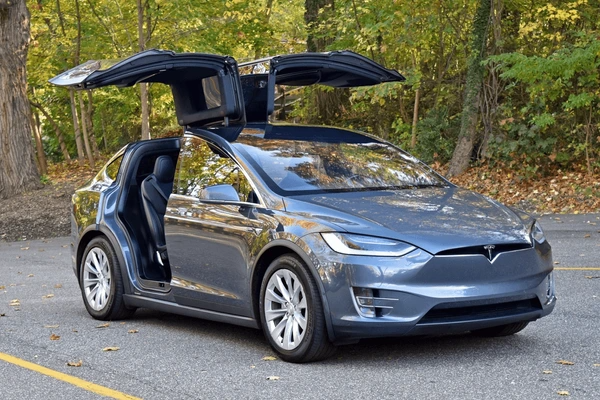
The Model X features a distinctive falcon-wing door design, which provides easy access to the second and third rows. The Model Y, on the other hand, has a more conventional SUV design with traditional doors. Both vehicles have a sleek, aerodynamic design, but the Model X’s larger size and unique door configuration result in a higher drag coefficient of 0.25 compared to the Model Y’s 0.23.
Performance and Range
Model X and Model Y feature diverse powertrain configurations, catering to various performance and range needs. Available trims for the Model X include Long Range and Plaid, while the Model Y offers Long Range, Performance, and entry-level options. Delivering remarkable performance, the Model X Plaid accelerates from 0-60 mph in just 2.5 seconds with a top speed of 163 mph. Meanwhile, the Model Y Performance achieves a 0-60 mph time of 3.5 seconds and a top speed of 155 mph. For range, the Model X Long Range provides an EPA-estimated 348 miles, slightly outpacing the Model Y Long Range’s 330 miles.
Interior Features and Technology
Both the Model X and Model Y feature premium interior materials and advanced infotainment systems. However, the Model X offers more luxurious amenities, such as a panoramic windshield, a larger 17-inch touchscreen display, and optional features like a premium audio system and a cold weather package. The Model Y has a more minimalist interior design but still offers a 15-inch touchscreen display and over-the-air software updates.
Autopilot Capabilities
Both vehicles are equipped with Tesla’s Autopilot advanced driver-assistance system, which includes features like Autosteer, Auto Lane Change, Summon, and Autopark. However, the Model X and Model Y may have slight differences in the specific hardware and software versions of Autopilot due to their different production timelines.
Pricing and Value
The Model X is positioned as a premium luxury SUV, with a higher price point than the Model Y. The Model X Long Range starts at $104,990, while the top-of-the-line Plaid trim is priced at $120,990. In contrast, the Model Y Long Range starts at $62,990, and the Performance trim is priced at $67,990. While the Model X offers more space, luxury features, and performance, the Model Y provides a more affordable option for those seeking a compact luxury electric SUV.
Conclusion: Model X vs Model Y – Which Tesla SUV Is Right for You?
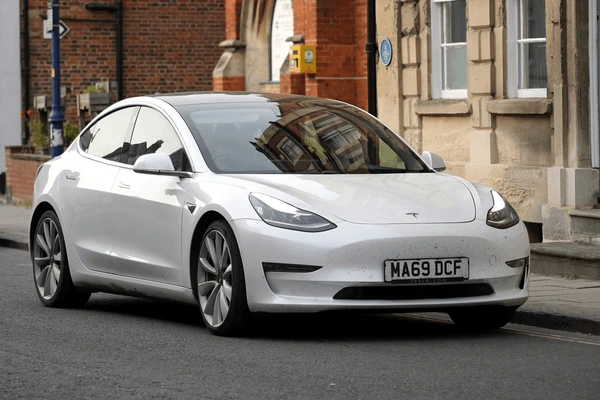
In the comparison of Model X vs Model Y, the Model X stands out for its luxury and performance, making it ideal for premium buyers. The Model Y, with its affordability and practicality, is perfect for those seeking a family-friendly and versatile EV. Choose based on your lifestyle and budget.
FAQs
- Which is better for families: Model X or Model Y?
Model X is better for larger families due to its spacious interior and luxury features, while Model Y is ideal for smaller families. - Is the Model X worth the higher price?
If you value luxury, advanced features, and maximum performance, the Model X is worth the investment. - Can the Model Y handle long road trips?
Yes, with a range of up to 330 miles and access to Tesla’s Supercharger network, Model Y is great for long trips. - How does the cargo space compare between Model X and Model Y?
Model X offers more cargo space due to its larger size, while Model Y provides ample storage for a compact SUV. - Does Model Y offer the same luxury features as Model X?
Model Y lacks some luxury elements, such as ventilated seats and a panoramic windshield, but still provides a high-quality experience.
To get detailed scientific explanations of model x vs. model y, try Patsnap Eureka.
