


What is a Pressure Reducing Valve?
A Pressure Reducing Valve (PRV) is designed to lower fluid pressure (liquid or gas) to a specified level, ensuring stability and preventing overpressure. It regulates flow rates and maintains consistent pressure in systems like water distribution, industrial processes, and pneumatic applications. PRVs are essential for safeguarding equipment, improving efficiency, and ensuring reliable operation across diverse settings.
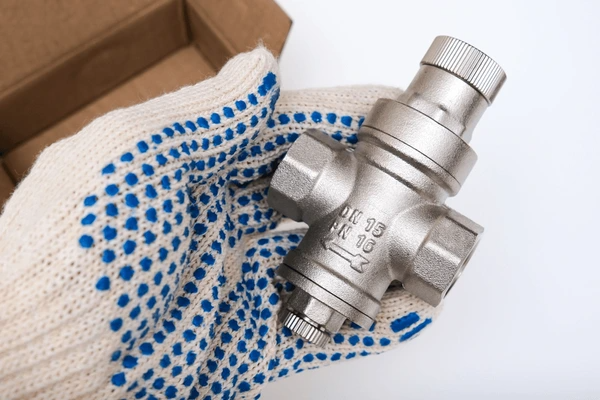
Key Components and Functionality
- Valve Body: The main housing that contains the valve elements.
- Valve Element: Opens and closes to regulate pressure by covering or uncovering the valve seat.
- Biasing Mechanism: Provides the force needed to move the valve element, such as a spring or piston.
- Pressure Sensing Mechanism: Monitors the outlet pressure to adjust the valve opening accordingly.
How Does a Pressure Reducing Valve Work?
- Works by regulating the flow of fluid through the valve, thereby reducing the pressure from an inlet (primary) side to an outlet (secondary) side.
- The valve element moves in response to pressure differences to open or close, allowing fluid to pass through or restricting flow.
- Some designs incorporate a pilot valve to regulate pilot pressure, enhancing control over the main valve.
Types of Pressure Reducing Valves
- Balanced and Unbalanced PRVs: Balanced PRVs have improved dynamic characteristics and are less affected by gas flow forces.
- Electronic and Manual PRVs: Electronic PRVs offer precise control, while manual ones are widely used due to simplicity.
- Specialized Designs: Some PRVs are designed for specific industries, such as high-pressure pneumatic systems or superheated steam control.
Key Features of Pressure Reducing Valves
- Structure and Components: PRVs typically consist of a valve body, valve element (such as a piston or diaphragm), spring mechanism, and pressure sensing units. The valve element moves to open or close the valve passage in response to pressure differences.
- Operation Principle: They operate by using the pressure difference between the inlet and outlet sides to move the valve element, which controls the flow of fluid through the valve. This movement is often assisted by a spring to return the valve to its closed position under secondary pressure.
- Pressure Regulation: PRVs are designed to maintain a constant output pressure despite fluctuations in inlet pressure and flow rate. This is achieved by adjusting the valve opening based on sensed pressure.
- Types of PRVs: There are various types, including balanced and backed pneumatic PRVs, each with different characteristics such as responsiveness, durability, and noise levels.
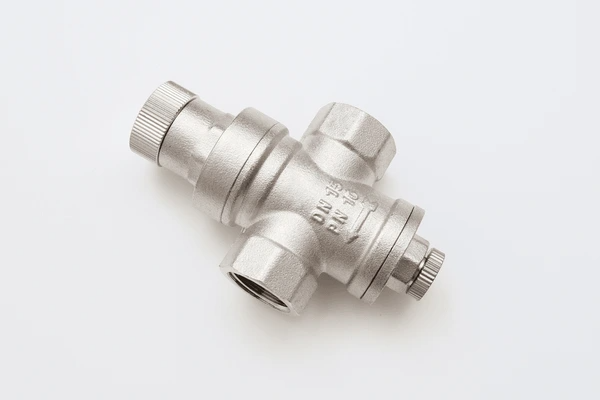
Advantages of Pressure Reducing Valves
- Leakage Reduction: By maintaining optimal pressure levels, PRVs help reduce fluid leakage in pipelines, which is directly related to pressure.
- Energy Efficiency: Certain PRV designs allow energy recovery from dissipated energy, which can be utilized using systems like pumps as turbines.
- Noise Reduction: Certain designs, such as those with radial slit structures, can significantly reduce noise generated during pressure reduction.
- Durability and Reliability: Modern PRVs are designed with secure connections and protection for elastic components during welding, ensuring durability and reliability.
- Responsive Pressure Control: PRVs equipped with electronic controllers implement real-time control strategies, enabling dynamic pressure adjustments based on remote measurements.
Challenges and Limitations
- Potential for Oscillation: At low flow rates, PRVs can experience oscillations due to the dynamic response to pressure changes.
- Complexity and Cost: Advanced PRVs with electronic controls or specialized structures may be more complex and costly to design and implement.
- Maintenance Requirements: Depending on the application, PRVs may require regular maintenance to ensure optimal performance and longevity.
Applications of Pressure Reducing Valve
Liquid Pipelines
PRVs eliminate vacuum slack flow, preventing issues like water hammer, oscillation, cavitation, and vapor-liquid mixture. This enhances liquid pipeline efficiency and reliability.
Hydraulic Systems
In hydraulic circuits, PRVs help control pressure to prolong the life of seal components and ensure smooth operation. They are crucial in systems where maintaining optimal pressure is essential for preventing damage to hydraulic components.
Leakage Control
High-Pressure Gas Control Systems
In high-pressure environments, such as those involving gases, PRVs are used for auto-control of pressure regulation, ensuring safe and stable operation of the system.
Water Supply Systems
PRVs are used in water supply systems to maintain a constant water pressure, preventing pressures from exceeding maximum allowable levels that could damage equipment or affect system performance.
Industrial and Irrigation Systems
These valves are integral in maintaining the required pressure in industrial processes and irrigation systems, ensuring optimal performance and product quality.
Nuclear Applications
In nuclear power plants, PRVs are designed with enhanced reliability and quality control measures to meet specific regulatory requirements, ensuring safe operation under challenging conditions.
Automotive and Mechanical Systems
PRVs are used in various mechanical and automotive systems to regulate pressure, thereby enhancing the longevity and efficiency of the systems they are integrated into.
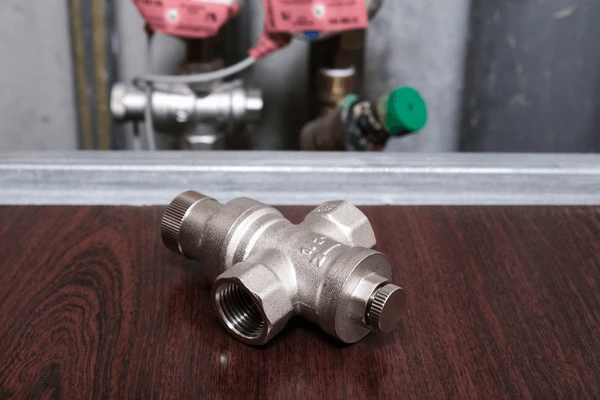
Latest Technical Innovations in Pressure Reducing Valve
Design and Structural Innovations
- A pressure reducing valve design that enhances sealing and durability by using a welding process to connect the valve and the connecting tube, protecting elastic rings from damage during welding.
- A valve design that eliminates components like diaphragms and metal poppet valves to reduce manufacturing costs and prevent fluid leakage.
- Incorporation of a rolling bearing to support the valve element, improving responsiveness and durability.
Dynamic and Control Innovations
- Dynamic modeling and simulation techniques, such as using AMESim for converse unloading pressure reducing valves in liquid rocket engines, to analyze and improve dynamic characteristics.
- The use of electronic controllers to adjust the pressure reduction ratio in real-time, enabling sophisticated pressure control strategies.
- A pressure reducing valve control apparatus that uses an electromagnetic coil to control rail pressure in fuel supply systems, allowing for precise pressure regulation.
Material and Mechanism Innovations
- Self-Locking Piston Function: A pressure-reducing valve incorporates a self-locking piston to prevent pressure equalization and maintain a consistent reduction ratio.
- Stepless Modulation Design: A hydraulic pressure-reducing valve connects to a tank or system for seamless modulation of working pressure.
- Direct-Acting Valve Innovation: A direct-acting valve combines reaction and balance type features for enhanced performance in specific operating conditions.
To get detailed scientific explanations of pressure reducing valves, try Patsnap Eureka.

Learn more
Shock Cords: Versatile Strength for Every Need
Pressure Switches: Small Devices, Big Impact
Unveiling The Lead Screw: Its Mechanism, Benefits, And Beyond