


Introduction to SI and CI Engines
Spark Ignition (SI) engines and Compression Ignition (CI) engines are the two primary types of internal combustion engines, distinguished by their ignition systems. SI engines rely on spark plugs to ignite the air-fuel mixture, while CI engines use heat generated by air compression for combustion. The SI Engine vs. CI Engine comparison highlights their unique features, advantages, and applications, making each suitable for different vehicles and purposes. In this article, we’ll explore how SI engines and CI engines work, their key differences, and the benefits they offer.
How SI Engines Work
Spark Ignition (SI) engines are internal combustion engines that rely on a spark plug to ignite the air-fuel mixture in the combustion chamber. These engines follow a four-stroke cycle to generate power efficiently. Here’s a step-by-step breakdown of the process:
1. Intake Stroke
During the intake stroke, the piston moves downward, drawing air and fuel into the cylinder. This process forms a homogeneous air-fuel mixture, which is essential for smooth combustion and efficient engine performance.
2. Compression Stroke
As the piston moves upward in the cylinder, it compresses the air-fuel mixture. This compression increases the mixture’s temperature and pressure, preparing it for ignition.
3. Power Stroke
The spark plug ignites the compressed air-fuel mixture at the top of the compression stroke. This ignition causes rapid combustion, leading to the expansion of gases. The expanding gases push the piston downward, producing the engine’s power.
4. Exhaust Stroke
In the final stroke, the piston moves upward again, expelling the spent combustion gases from the cylinder through the exhaust valve. This clears the chamber for the next cycle to begin.
How CI Engines Work
Compression Ignition (CI) engines, commonly known as diesel engines, operate by compressing air to a high temperature, causing the injected fuel to ignite spontaneously. Let’s break down the main components and processes that make CI engines efficient and powerful.
1. Air Induction and Compression
During the intake stroke, the engine draws air into the cylinder. As the piston moves upward in the compression stroke, it compresses the air to extremely high pressures and temperatures—typically 20 to 25 times the initial pressure. This high compression ratio distinguishes CI engines from Spark Ignition (SI) engines and plays a critical role in their efficiency.
2. Fuel Injection and Atomization
Near the end of the compression stroke, a high-pressure fuel injection system sprays diesel fuel into the hot, compressed air. The fuel is atomized into fine droplets, which increases its surface area, promoting better mixing with the air for efficient combustion.
3. Auto-Ignition and Combustion
The high temperature of the compressed air causes the atomized fuel to vaporize and self-ignite. This spontaneous ignition initiates the combustion process. The combustion timing and rate depend on factors like injection timing, fuel cetane number, air-fuel ratio, and cylinder conditions. Proper control of these variables ensures optimal engine performance and fuel efficiency.
4. Emission Formation
Due to the heterogeneous mixing of air and fuel, CI engines often produce higher levels of particulate matter (PM) and nitrogen oxides (NOx) compared to SI engines. To address this, advanced combustion strategies like Low-Temperature Combustion (LTC) and Homogeneous Charge Compression Ignition (HCCI) are used. These methods aim to reduce emissions without compromising the engine’s high efficiency.
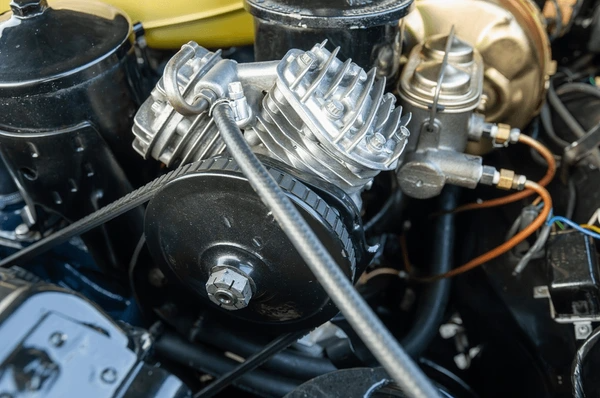
Si engine vs. Ci engine: Key Differences
Spark Ignition (SI) and Compression Ignition (CI) engines differ significantly in their combustion processes, efficiency, and emissions. Here’s a detailed breakdown of their key contrasts and the strategies used to optimize their performance.
Combustion Process Differences
The primary distinction lies in how these engines achieve combustion:
- Spark Ignition (SI): SI engines ignite a premixed air-fuel mixture using an external spark.
- Compression Ignition (CI): CI engines rely on the auto-ignition of fuel injected into highly compressed air.
1. Mixture Preparation
- SI Engines: Use a homogeneous air-fuel mixture, prepared before combustion.
- CI Engines: Operate with a heterogeneous mixture, where fuel is directly injected into the combustion chamber.
2. Compression Ratio
- CI Engines: Achieve higher compression ratios (16:1 to 22:1), improving thermal efficiency due to the absence of knock limitations.
- SI Engines: Operate with lower compression ratios (8:1 to 12:1), constrained by the risk of knock.
3. Emissions
- SI Engines: Emit primarily carbon monoxide (CO), unburned hydrocarbons (UHCs), and nitrogen oxides (NOx).
- CI Engines: Produce more particulate matter (PM) and higher levels of NOx due to their diffusion combustion process.
Ignition Mechanisms and Implications
Spark Ignition (SI)
- How It Works: An electrical spark ignites the air-fuel mixture.
- Advantages: Allows precise control over ignition timing.
- Challenges: Susceptible to knock, which limits compression ratios and overall efficiency.
Compression Ignition (CI)
- How It Works: Fuel auto-ignites when injected into hot, compressed air.
- Advantages: Eliminates the need for an external ignition source and is less prone to knock.
- Challenges: Requires high compression ratios and precise control of fuel injection and mixing.
Efficiency and Performance
- Thermal Efficiency: CI engines exhibit up to 50% higher thermal efficiency due to higher compression ratios and reduced throttling losses.
- Power Density: SI engines can achieve higher power densities and operate at higher speeds, making them suitable for high-performance applications.
Optimization Strategies for Better Performance
1. Advanced Combustion Concepts
- Homogeneous Charge Compression Ignition (HCCI): Combines the benefits of homogeneous mixture preparation and auto-ignition, reducing emissions and improving efficiency.
- Reactivity Controlled Compression Ignition (RCCI): Enhances control over combustion timing and reduces pollutant formation.
2. Gasoline Compression Ignition (GCI)
- How It Works: Leverages the high volatility and auto-ignition temperature of gasoline with the compression ratio of CI engines.
- Benefits: Achieves diesel-like efficiency while reducing particulate matter and NOx emissions.
3. Aftertreatment Systems
- Particulate Filters: Capture and reduce particulate matter emissions from CI engines.
- Selective Catalytic Reduction (SCR): Lowers NOx emissions, making CI engines cleaner and more environmentally friendly.
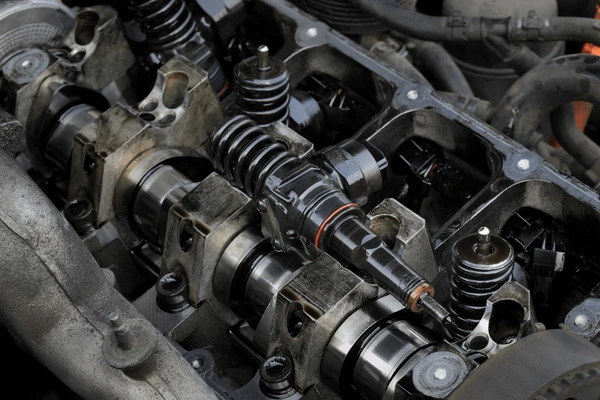
Real-World Applications of SI (Spark Ignition) Engines
Spark Ignition (SI) engines, commonly known as gasoline engines, are versatile and efficient, making them ideal for a wide range of applications. Here are the most notable areas where SI engines are used:
1. Automotive Industry
SI engines dominate the automotive sector, powering passenger cars, motorcycles, and light-duty trucks. Their high power-to-weight ratio and quick responsiveness make them ideal for everyday driving and urban mobility.
2. Aviation
Many small aircraft, including general aviation planes and helicopters, use SI engines for propulsion. These engines provide the lightweight design and high power output necessary for reliable flight.
3. Marine Applications
Outboard motors and small boats often rely on SI engines. Their compact size, ease of maintenance, and reliable operation make them suitable for recreational and light commercial marine use.
4. Power Generation
SI engines are widely used in portable generators and backup power systems. Their ability to provide efficient and dependable electricity generation makes them essential for residential, commercial, and emergency use.
Real-World Applications of CI (Compression Ignition) Engines
Compression Ignition (CI) engines, or diesel engines, are renowned for their durability, fuel efficiency, and high torque. These attributes make them indispensable in various demanding applications:
1. Transportation
CI engines are the go-to choice for heavy-duty vehicles, such as trucks, buses, and construction equipment. Their superior torque output and fuel efficiency enable them to handle heavy loads and long-distance travel effectively.
2. Agriculture and Forestry
Agricultural machinery, including tractors and harvesters, depend on CI engines for their rugged construction and ability to operate under tough conditions. They are ideal for handling heavy workloads in farming and forestry.
3. Marine Applications
Large ships, including cargo vessels and tankers, rely on CI engines for propulsion. Their fuel efficiency and long-range capabilities make them perfect for long-haul marine operations.
4. Power Generation
CI engines are commonly used in stationary power plants and backup generators, particularly in remote or off-grid locations. Their reliability and fuel economy ensure consistent power supply under challenging conditions.
5. Industrial Applications
From mining and construction to material handling, CI engines power various industrial machines. Their high torque and durability make them essential for heavy-duty industrial operations.
To get detailed scientific explanations of Si engine vs. Ci engine, try Patsnap Eureka.
