


The V5 engine offers a distinctive blend of compact size and efficient performance. Though not as common as other configurations, it finds its place in niche automotive applications. This article explores the key features, advantages, and real-world cases of the V5 to give you a clear understanding of its role in modern engineering.
What is a V5 Engine?
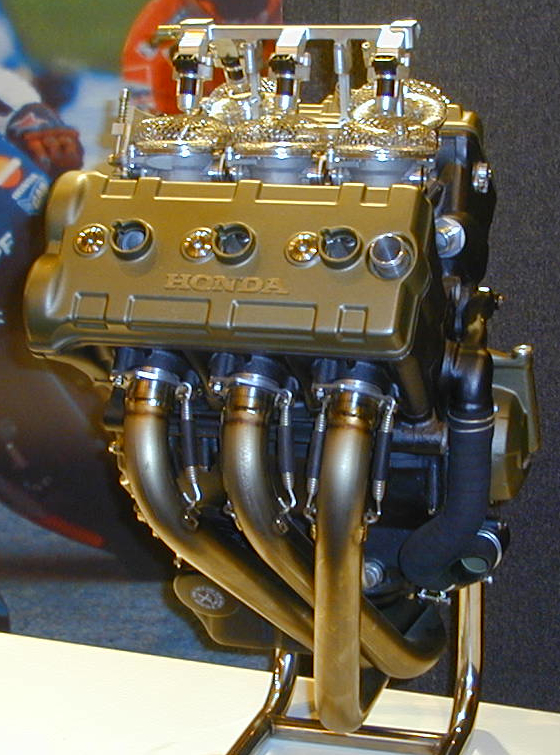
A V5 features five cylinders arranged in a V-shape. This configuration combines the balance of an inline engine with the compactness of a V6 engine. The result is an engine that delivers performance with a smaller footprint.
Key Features
- Cylindrical Layout: The V5 places its five cylinders in two banks, usually at a 72-degree or 90-degree angle. This layout strikes a balance between smoothness and compactness.
- Compact Design: Smaller than a V6 but more powerful than an inline-four, the V5 offers a middle ground.
- Smooth Operation: While it’s not as smooth as an inline-six, the V5 provides less vibration than a four-cylinder.
- Distinctive Sound: The V5 produces a unique sound that sets it apart from other engine types.
Advantages of the V5 Engine
- Compact Size: The V5 engine’s design helps save space, making it ideal for vehicles with limited engine bay space.
- Balanced Power: The engine provides better fuel efficiency and power than inline-four engines, while maintaining a smaller profile than a V6.
- Smoothness: The V5 reduces vibration, increasing comfort and improving engine durability.
Applications of the V5 Engine
Automobile Industry
Volkswagen introduced the VR5 engines, an example of the V5 design, in the early 2000s. It appeared in models like the Volkswagen Passat and Audi A3. The V5 provided a balance between the performance of a V6 and the compactness of a four-cylinder engine.
Motorcycle Industry
In some performance motorcycles, especially in racing applications, the V5 offers a balance between size and power, making it suitable for high-performance needs.
Marine and Aviation
Specialized applications in marine and light aviation industries have also explored the V5 for its compact and efficient power delivery.
Real-World Case Study: The Volkswagen VR5 Engine
Interested in real-world applications of the V5 engine, like the Volkswagen VR5? Eureka Technical Q&A offers in-depth analysis and expert insights into the V5 engine’s performance, efficiency, and innovation, helping you understand its impact on automotive technology.

Volkswagen’s VR5 engine was used in vehicles like the Passat and Audi A3. The VR5 combined smooth operation with compact size, offering performance that was similar to a V6, but more efficient. It delivered a strong middle ground, making it a popular choice for mid-range cars at the time.
Challenges and Limitations
- Limited Popularity: The V5 engine’s unique design didn’t gain widespread adoption due to high manufacturing costs.
- Fuel Efficiency: The V5 was more fuel-efficient than a V6, but not as efficient as an inline-four engine, which led to its decline.
- Maintenance Costs: Parts for the V5 were less common, leading to higher maintenance costs and more specialized repairs.
Comparing the V5 Engine with Other Configurations
| Feature | V5 Engine | Inline-Four Engine | V6 Engine |
|---|---|---|---|
| Cylinders | 5 (arranged in a V) | 4 (in a straight line) | 6 (arranged in a V) |
| Size | Compact, more space-efficient | Very compact, light | Larger and heavier |
| Vibration | Moderate, more balanced than 4-cylinder | Higher vibration than V5 | Smooth, with more balance |
| Performance | Moderate power and fuel efficiency | Limited power, but efficient | High power, often more fuel-consuming |
| Applications | Mid-range vehicles, niche markets | Common in economy cars | Used in higher-performance cars |
Future of the V5 Engine
While its popularity has waned, the V5 engine’s design principles are still influential. Many modern engines, such as the inline-five, offer similar benefits, and the concept of a compact, powerful engine remains important. With the rise of electric vehicles, internal combustion engines like the V5 may see less use, but the principles behind them will influence hybrid and performance engines in the future.
Conclusion
The V5 engine provides a blend of performance and compact design, making it an innovative choice for certain applications. Its use in cars like the Volkswagen Passat showcased its ability to offer a balanced driving experience. As the automotive world moves toward electric vehicles and hybrids, the legacy of the V5 engine’s design will continue to influence engine configurations in the future.e evolving landscape of hybrid and electric vehicles.
To get detailed scientific explanations of the V5 Engine, try Patsnap Eureka.
