


The Vortec engine, a series of internal combustion engines developed by General Motors (GM), has become a symbol of performance, efficiency, and reliability in various vehicles. This article explores the engine’s key features, performance, and real-world applications.
What is the Vortec Engine?
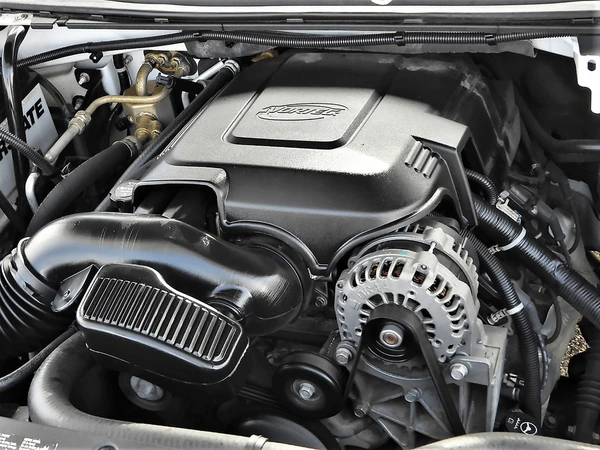
The Vortec engine is a family of both gasoline and diesel engines. GM uses these engines in many trucks, SUVs, and performance vehicles. The term “Vortec” refers to a special intake design that creates a swirl motion in the air-fuel mixture, leading to better combustion efficiency. This design enhances fuel economy, reduces emissions, and improves overall engine performance.
The Vortec family includes both V6 and V8 engines, with popular models like the Vortec 4200, 5300, and 6000. These engines are durable and offer high power, making them suitable for light-duty and heavy-duty applications.
Key Features of the Vortec Engine
The Vortec engine family has long been known for its impressive power and reliability, making it a popular choice for various vehicles, especially trucks. These engines come in different sizes and configurations to suit a range of driving needs, from mid-size trucks to heavy-duty commercial vehicles. Below is a comparison of some of the most common Vortec engines, highlighting their performance, power output, and ideal applications.
| Engine Model | Engine Size | Power | Performance | Application |
|---|---|---|---|---|
| Vortec 4200 I-6 Engine | 4.2 liters | 275 horsepower, 275 lb-ft of torque | Smooth and linear power delivery, ideal for mid-size trucks like the Chevrolet Colorado and GMC Canyon. | Great for drivers needing a balance between towing power and fuel efficiency. |
| Vortec 5300 V8 Engine | 5.3 liters | 285 horsepower, 325 lb-ft of torque | Ample power for full-size trucks like the Chevrolet Silverado. | Popular for drivers who require power for towing or hauling while maintaining good fuel efficiency. |
| Vortec 6000 V8 Engine | 6.0 liters | 345 horsepower, 380 lb-ft of torque | Excels in high-load conditions and offers excellent towing capacity. | Used in larger trucks and commercial vehicles for heavy-duty tasks. |
| Vortec Diesel Engines | 3.0 liters | 277 horsepower, 460 lb-ft of torque | Diesel versions, such as the Duramax, provide excellent torque and fuel economy. | Ideal for commercial fleets and heavy-duty vehicles that require long-lasting efficiency. |
Advantages of the Vortec Engine
1. High Power and Efficiency
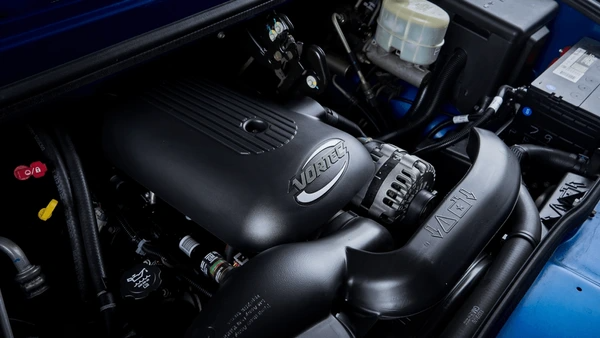
Vortec engines balance power with efficiency. The V8 models, like the Vortec 5300, provide impressive horsepower while ensuring good fuel economy. Diesel variants, like the Duramax 3.0L, excel at fuel efficiency without compromising power.
2. Durability and Reliability
Owners report that Vortec engines are built to last. Many users have reached high mileage without major mechanical issues, particularly with the 5300 V8. This makes Vortec engines a long-term investment.
3. Fuel Economy
Vortec engines incorporate technologies such as variable valve timing (VVT) and active fuel management (AFM) to optimize fuel consumption. These features help the engine adjust to driving conditions, improving fuel efficiency, especially in city traffic.
4. Towing Capacity
Vortec engines excel in towing. With engines like the Vortec 6000, GM vehicles offer high towing capacities, ranging from 8,000 to 12,000 lbs. This makes them suitable for recreational vehicles, trailers, and heavy equipment.
💡 Want to understand the full potential of the Vortec engine? Eureka Technical Q&A provides expert insights into the Vortec engine’s advantages, including performance, reliability, and fuel efficiency, helping you make an informed decision about incorporating it into your vehicle or project.

Real-World Applications and Performance
Vortec Engines in Pickup Trucks
Vortec engines are frequently found in GM’s pickup trucks. The Vortec 5300 V8 engine powers models like the Chevrolet Silverado 1500. It delivers a great combination of power for hauling and towing, while still offering good fuel efficiency.
Case Study: Chevrolet Silverado 1500 (Vortec 5300)
- Towing Capacity: Up to 12,000 lbs
- Fuel Economy: 16-20 mpg
- Real-World Use: The Silverado 1500, with the Vortec 5300, is a popular choice for construction workers and outdoor enthusiasts who need a truck that can handle heavy loads.
Vortec Engines in SUVs
Larger SUVs, like the GMC Yukon, use the Vortec 6000 V8 engine. These vehicles are often used for long trips or heavy-duty hauling.
Case Study: GMC Yukon XL (Vortec 6000)
- Towing Capacity: 8,000-9,000 lbs
- Fuel Economy: 15-19 mpg
- Real-World Use: The GMC Yukon XL, powered by the Vortec 6000, serves families who need extra space for passengers and gear, as well as businesses that require strong towing capacity.
Diesel Vortec Engines in Commercial Fleets
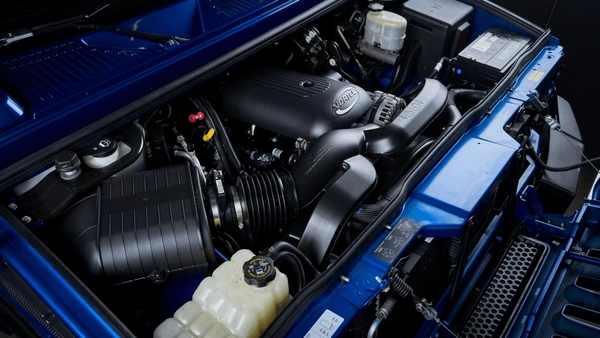
The Duramax diesel version of the Vortec engine is used in many GM commercial trucks. With better fuel economy, it is the preferred engine for fleets that travel long distances.
Case Study: GMC Sierra 2500HD (Vortec Diesel)
- Towing Capacity: 18,000 lbs
- Fuel Economy: 22-26 mpg on the highway
- Real-World Use: Common in logistics and long-distance transportation, where fuel savings and reliability are essential.
Comparing Vortec Engines to Competitors
When comparing Vortec engines to other brands like Ford’s EcoBoost or RAM’s HEMI, Vortec often strikes a good balance between fuel efficiency and towing capability. For instance, the Vortec 5300 competes closely with Ford’s 5.0L V8 in terms of fuel efficiency but offers a smoother power delivery. On the other hand, RAM’s HEMI engine might outperform the Vortec 6000 in pure towing power, but it tends to have lower fuel efficiency.
Why Choose a Vortec Engine?
If you’re in the market for a vehicle with a Vortec engine, you’ll get a blend of power, reliability, and efficiency. Vortec engines are perfect for those who need a durable, high-performance engine that can also handle heavy tasks like towing. Their widespread use in both personal and commercial vehicles makes them a top choice for a variety of applications.
FAQs
1. What vehicles use Vortec engines?
Vortec engines are used in many GM vehicles, including the Chevrolet Silverado, GMC Sierra, Chevrolet Suburban, and GMC Yukon.
2. What is the towing capacity of a Vortec engine?
The towing capacity ranges from 8,000 lbs to 12,000 lbs, depending on the engine variant. The Vortec 6000 engine, for example, is ideal for heavy towing.
3. Are Vortec engines fuel-efficient?
Yes, Vortec engines offer good fuel economy, especially the diesel variants, which are known for their efficiency over long distances.
4. How do Vortec engines compare to other brands?
Vortec engines balance power, towing capacity, and fuel economy better than some competitors. For example, the Vortec 5300 is known for its smooth power delivery, while Ford’s EcoBoost may offer more turbocharged power in some models.
To get detailed scientific explanations of Vortec Engine, try Patsnap Eureka.
