


What Is an Engine Flush?
Keeping your engine clean is crucial for maintaining its performance and longevity. Over time, oil passages and the oil pan can build up deposits, sludge, and varnish. These harmful residues reduce efficiency and may even damage the engine. An engine flush offers a simple solution to tackle these issues. This process uses a specialized cleaning solution to circulate through the engine’s oil system. It helps remove buildup and keeps the internal components running smoothly. By addressing these deposits, an engine flush can extend your engine’s lifespan and improve its overall performance. In this article, we’ll explain how an engine flush works, its benefits, and when you might need one.
Process of Cleaning an Engine
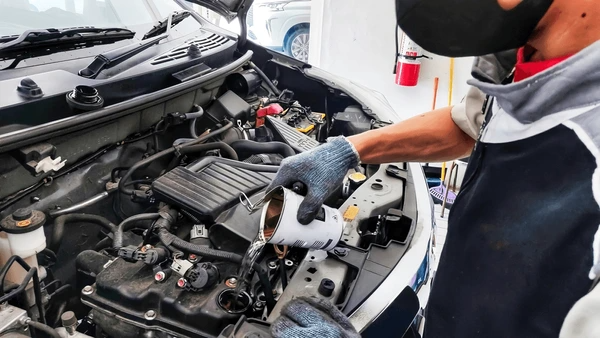
First, a specialized cleaning solution goes into the engine’s oil system. This solution targets stubborn deposits and contaminants, breaking them down effectively.
Next, the engine runs for a short time, allowing the cleaning solution to circulate. This movement helps loosen and suspend dirt and sludge from all areas of the oil system.
Finally, the dirty oil and cleaning solution are drained completely. This critical step ensures all the loosened contaminants leave the system, keeping your engine cleaner and healthier.
Types of Engine Cleaning Methods
Chemical Flush
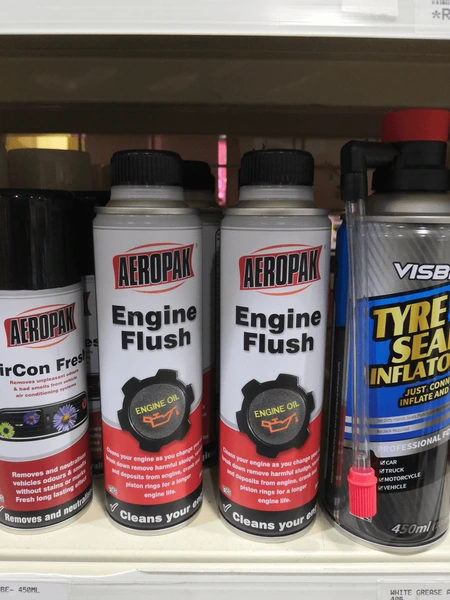
A chemical flush is the most common method. It circulates a cleaning solution through the oil system to dissolve sludge and varnish. This method is highly effective for removing tough deposits and improving engine cleanliness.
Pressure Flush
A pressure flush uses pressurized hot water to force contaminants out of the oil passages. This method works well when combined with a chemical flush, making it more thorough and effective.
Additive Flush
An additive flush involves adding a cleaner to the existing oil. While it’s less powerful than chemical or pressure flushes, it provides a convenient option for mild cleaning needs.
Benefits of an Engine Flush
Improved Engine Performance
Removing carbon deposits and contaminants boosts combustion efficiency, ensuring fuel burns more effectively. This cleaning process enhances power and keeps the engine running at its best. Clearing the air intake system also ensures a steady flow of clean air, essential for smooth and efficient combustion.
Extended Engine Lifespan
Regular cleaning removes harmful buildup, such as sludge and varnish, that can damage components over time. It also protects critical parts, like the EGR valve and cooler, by clearing debris and preventing clogging. This helps maintain the engine’s health and extends its life.
Increased Fuel Efficiency
Keeping the fuel system clean improves fuel flow and combustion, which enhances overall efficiency. It also reduces harmful emissions by optimizing the engine’s performance, making it more eco-friendly and economical.
Reduced Maintenance Costs
Consistent cleaning helps prevent wear and tear on key components, reducing the need for frequent repairs. With a cleaner system, maintenance intervals become longer, saving time and money over the years.
Enhanced Driving Experience
By optimizing the combustion process and clearing intake and exhaust restrictions, cleaning can boost power output for better performance. A cleaner system also leads to smoother operation, improved acceleration, and reduced engine noise, ensuring a more enjoyable drive.
When Should You Consider an Engine Flush?
Regular Maintenance
Including a cleaning process in your routine maintenance schedule helps remove harmful deposits that can build up over time. For example, in aircraft turbine engines, cleaning every 200 to 400 hours prevents buildup on compressor blades and ensures smooth operation.
After Extended Use
Engines used for long periods often accumulate debris and corrosion, especially in harsh environments. Marine operations, where engines encounter saltwater, benefit greatly from periodic cleaning to maintain performance.
Before Fuel System Cleaning
In some situations, cleaning the engine system before addressing the fuel system can improve results. For instance, flushing a fuel cell system after disconnection reduces the risk of freezing and minimizes energy requirements.
When Switching Fuel Types
Switching to a different fuel type, especially one designed for cleaning, often requires a thorough cleaning process. This step ensures the system is free from contaminants and ready for the new fuel.
After Operating in Contaminated Environments
Engines exposed to dust, salt, or corrosive particles may need more frequent cleaning. This prevents performance issues and protects vital components from long-term damage caused by environmental contaminants.
How to Perform an Engine Flush Safely
- Prepare Supplies: Gather a cleaning solution, drain pan, gloves, goggles, fresh oil, and a new filter.
- Warm Up Engine: Run the engine briefly to warm the oil.
- Add Cleaning Solution: Pour the solution into the oil filler as instructed.
- Run Engine: Let the engine idle for the recommended time.
- Drain Oil: Remove the drain plug to empty the oil and solution completely.
- Replace Filter: Install a new oil filter to prevent contamination.
- Refill Oil: Add fresh oil to the engine and check levels.
- Check and Dispose: Inspect for leaks and dispose of waste responsibly.
Cost of an Engine Flush
Electricity Costs
Electricity expenses for cleaning are minimal. For instance, a wind machine using 8.8 kW per hour costs totaling $0.04/hour per hour. Adding water heating costs, the total electricity expense reaches just $0.09.
Material Costs
The cost of cleaning materials, such as water wax and car wash liquid, is affordable. A $27.46 supply of these materials can clean 1,000 cars, bringing the per-car cost down to only $0.03 per car.
Water Costs
Water costs are effectively zero due to the use of a mid-water recycling system. This device reuses water, eliminating additional water expenses.
Conclusion: Is an Engine Flush Right for Your Car?
An engine flush can improve performance, extend engine life, and boost efficiency when done correctly. If your car shows signs of sludge buildup or operates in harsh conditions, it might benefit from a flush. Always consult your vehicle’s manual and a trusted mechanic to ensure it’s the right choice for your car.
To get detailed scientific explanations of Engine Flush, try Patsnap Eureka.
