


What is Engine Knocking?
Engine knocking, also referred to as detonation, is a common issue in internal combustion engines that can impact performance and longevity. This phenomenon occurs when the fuel-air mixture in the combustion chamber ignites prematurely due to excessive pressure and temperature, instead of being ignited by the spark plug. The resulting sharp pressure spikes create the distinctive knocking or pinging sound often associated with the issue. Particularly prevalent in spark-ignited gasoline engines, such as those operating on the Otto cycle, engine knocking is a critical concern for drivers aiming to maintain optimal engine health and performance. In this guide, we’ll explore the causes, effects, and solutions to engine knocking, helping you keep your vehicle running smoothly.
Common Causes of Engine Knocking
- Low-Grade Fuel: Using fuel with a lower-than-recommended octane rating increases the risk of pre-ignition, leading to knocking.
- Unbalanced Air-Fuel Mixture: An overly lean or rich mixture caused by faulty injectors, carburetors, or pumps can result in knocking.
- Advanced Timing Issues: Premature ignition from incorrect timing settings or a malfunctioning ignition system often triggers knocking sounds.
- Excessive Heat: Overheating due to issues in the thermostat, radiator, or water pump raises the chance of premature ignition.
- Carbon Build-Up: Accumulated carbon on pistons or chamber walls increases compression, making the engine more susceptible to knocking.
Symptoms of Engine Knocking
- Metallic Noise: A sharp metallic pinging sound often indicates uncontrolled combustion occurring inside the engine’s cylinders.
- Reduced Performance: Knocking can lower engine power, cause rough idling, and lead to hesitation during acceleration.
- Increased Fuel Use: Inefficient combustion caused by knocking can result in higher fuel consumption and reduced overall mileage.
- Component Damage: Prolonged knocking may damage critical parts like pistons, cylinder heads, and piston rings, leading to costly repairs.
- Higher Emissions: Incomplete combustion can increase harmful emissions like hydrocarbons and nitrogen oxides, affecting environmental compliance.
- Overheating Issues: Knocking raises combustion temperatures, leading to potential overheating and worsening damage to engine components.
How to Prevent Engine Knocking
- Optimize Fuel Quality: Using high-octane fuel reduces the chance of premature ignition, lowering the risk of combustion issues.
- Adjust Ignition Timing: Retarding ignition timing ensures the spark plug ignites the fuel-air mixture at the ideal moment, preventing unwanted knock.
- Enhance Engine Cooling: Improving the cooling system keeps combustion chamber temperatures stable, minimizing conditions that lead to knocking.
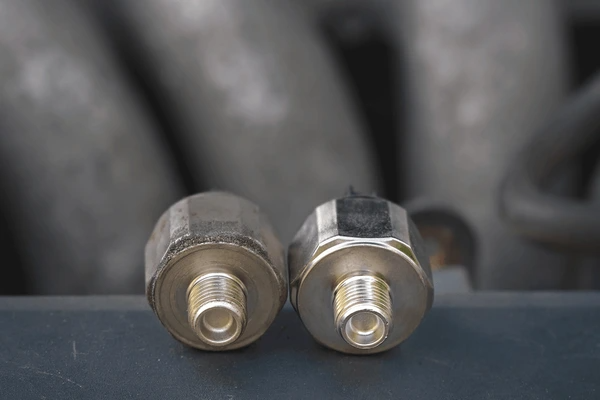
- Leverage Knock Sensors: Modern engines use sensors to detect knock and adjust parameters in real-time, improving performance and avoiding damage.
- Use Stratified Mixture Techniques: Combining a rich mixture near the spark plug and a lean end-gas mixture suppresses knock while controlling emissions.
Solutions to Fix Engine Knocking
- Fuel Octane Adjustment: Switching to higher-octane fuel improves resistance to premature ignition, effectively reducing the likelihood of combustion issues.
- Ignition Timing Retardation: Retarding ignition timing delays spark plug activation, ensuring smoother combustion and minimizing the chances of unwanted knock.
- Water Injection: Injecting water into the intake manifold cools the combustion mixture, reduces knock risk, and improves engine efficiency.
- Exhaust Gas Recirculation (EGR): Recycling exhaust gases lowers combustion temperatures, effectively preventing knock while optimizing engine performance.
How Engine Knocking Impacts Your Vehicle’s Performance
- Reduced Efficiency: Disrupted combustion decreases fuel efficiency, as the engine fails to convert fuel into energy effectively.
- Higher Fuel Consumption: Engines often compensate for knocking with suboptimal spark timing, leading to increased fuel usage and higher costs.
- Component Damage: Persistent knocking damages key engine parts like piston rings and cylinder heads, potentially requiring expensive repairs.
- Unwanted Noise and Vibration: Knocking creates metallic sounds and excessive vibrations, diminishing driving comfort and vehicle refinement.
- Increased Emissions: Inefficient combustion from knocking raises pollutant levels, contributing to greater environmental impact and air pollution.
Applications in Engine Design and Performance Optimization
- Turbocharged Downsizing Engines: Knock control is critical in turbocharged downsizing engines, which aim to improve power and fuel economy. Techniques like direct injection and water injection are employed to manage knock and enhance engine performance.
- Combustion Chamber Design: Modifying the combustion chamber’s surface roughness and geometry can improve anti-knocking performance. For instance, creating mirror surfaces with an arithmetic average roughness of 0.3 μm or less helps in reducing knock.
- Fuel Injection Strategies: Adjusting the ratio of port fuel injection (PFI) to direct injection (DI) based on knock intensity helps in mitigating knock and optimizing combustion efficiency.
Application Cases
| Product/Project | Technical Outcomes | Application Scenarios |
|---|---|---|
| Engine Knock Detection System | Utilizes atomic absorption spectrometry to detect metal content in engine oil, aiding in diagnosing engine knock without disassembly, reducing maintenance costs, and improving diagnostic accuracy. | Automobile engines, particularly for maintenance and fault diagnosis. |
| Combustion Knock Detection System | Employs accelerometers to measure engine vibrations and detect knock intensity, providing a feedback system to control knock levels and prevent engine damage. | Spark-ignition internal combustion engines, particularly in automotive applications. |
| Engine Knocking Detection Apparatus Yamabiko Corp. | Reduces engine knocking by effectively detecting and controlling knock, thereby enhancing reliability and product value. | Internal combustion engines, especially in automotive and industrial applications. |
| Optical Diagnostics and Multi-Point Pressure Sensing System | Uses high-speed imaging and pressure sensors to analyze knock intensity and characteristics, aiding in knock alleviation and engine efficiency improvement. | Single-cylinder optical research engines, particularly for experimental and research purposes. |
| Engine Knocking Control Method Hyundai Motor Co., Ltd. | Prevents engine knocking by adjusting ignition timing and controlling combustion parameters, enhancing engine performance and longevity. | Automotive internal combustion engines, particularly in modern gasoline engines. |
Recent Innovations in Knocking Prevention
- Empirical Knock Models: New research develops models to predict knocking by using parameters like temperature and the Arrhenius equation. These models help define knock boundaries under various engine conditions.
- Advanced Combustion Techniques: Techniques such as Two-Zone Homogeneous Charge and stratified combustion reduce knocking while improving fuel efficiency and cutting emissions.
- Low-Cost Knock Detection: New detection methods, including ion current sensors, engine vibrations, and microphones, offer affordable, non-intrusive alternatives to traditional pressure-based techniques.
To get detailed scientific explanations of engine knocking, try Patsnap Eureka.
