


What Is Sensor Technology?
Sensor technology refers to devices that detect and measure physical quantities, converting them into electrical signals for analysis. These versatile tools play a vital role in fields like healthcare, environmental monitoring, manufacturing, automotive systems, and aerospace innovation. This article will explore the types, applications, and benefits of sensor technology, showcasing how it transforms industries and drives advancements in everyday life.

Types of Sensors
Manufacturing Industry: Revolutionizing Processes with Sensor Technology
In the era of Industry 4.0, sensor technologies are reshaping the manufacturing landscape. They play a vital role in monitoring, controlling, and automating processes while ensuring safety and efficiency. By integrating sensors, manufacturers can achieve improved operational workflows, better asset management, and faster, more adaptive product development.
Key Types of Sensors in Manufacturing
- Temperature Sensors
Temperature sensors are among the most widely used tools in manufacturing. These sensors monitor and control temperature changes to ensure safety and efficiency. They prevent freezing in water lines by regulating heat supply and safeguard electrical machinery by detecting overheating, which can pose risks to both equipment and personnel. - Pressure Sensors
These sensors are essential for maintaining optimal pressure levels in systems such as hydraulic equipment and pneumatic tools. They help detect irregularities early, preventing system failures and enhancing productivity. - Proximity Sensors
Proximity sensors are used to detect objects without physical contact, making them crucial for automated production lines. They improve precision in assembly processes and reduce risks of mechanical damage. - Vibration Sensors
Vibration sensors monitor equipment performance and detect abnormalities that could indicate wear or potential failure. By identifying these issues early, manufacturers can minimize downtime and extend equipment lifespan. - Humidity Sensors
Humidity sensors maintain controlled environments in industries such as electronics and pharmaceuticals. They help regulate moisture levels to prevent damage to sensitive components or products during production. - Gas Sensors
These sensors detect harmful gases or leaks in industrial settings, ensuring worker safety and compliance with environmental standards.
Healthcare Industry: Transforming Patient Care with Sensor Technology
In healthcare, sensor technologies revolutionize diagnostics, monitoring, and treatment processes. By enabling real-time data collection, they enhance patient care and operational efficiency, ultimately improving outcomes across the medical field.
Key Types of Sensors in Healthcare
- Biosensors
Biosensors monitor biomarkers like glucose levels for managing conditions such as diabetes. They are also essential in detecting infections and other medical conditions quickly and accurately. - Temperature Sensors
Used in devices like thermometers and medical refrigerators, temperature sensors ensure that medications and vaccines are stored in optimal conditions, preserving their effectiveness. - Pressure Sensors
These sensors regulate airflow in ventilators and monitor blood pressure, ensuring accurate and life-saving support for patients. - Motion Sensors
Motion sensors assist in patient rehabilitation by tracking movement during physical therapy. They also play a role in wearable devices for fall detection. - Imaging Sensors
Used in medical imaging equipment like MRIs and ultrasounds, imaging sensors provide high-resolution visuals for accurate diagnosis and treatment planning.
Automotive Industry: Driving Innovation with Advanced Sensors
Sensors are key to modernizing vehicle performance and safety. They enable real-time diagnostics, improve driving conditions, and support the transition to autonomous vehicles.
Key Types of Sensors in Automotive
- LiDAR Sensors
LiDAR technology allows vehicles to detect obstacles and measure distances, making it vital for autonomous driving systems. - Accelerometers
These sensors ensure vehicle stability by monitoring acceleration and supporting systems like emergency braking. - Air Quality Sensors
These devices enhance cabin air quality by detecting and filtering out pollutants, providing a healthier environment for passengers. - Proximity Sensors
Proximity sensors enable parking assistance systems by detecting objects near the vehicle and preventing collisions. - Pressure Sensors
They monitor tire pressure, improving fuel efficiency and preventing potential accidents caused by under-inflated tires.
Agriculture Industry: Enhancing Precision Farming with Sensors
Precision agriculture relies heavily on sensors to optimize resources and boost yields. These technologies improve farming practices by providing detailed environmental insights.
Key Types of Sensors in Agriculture
- Soil Moisture Sensors
These sensors monitor soil hydration, ensuring efficient irrigation and water conservation. - Optical Sensors
Optical sensors analyze light absorption to monitor plant health and detect nutrient deficiencies. - Humidity Sensors
They regulate greenhouse environments, maintaining optimal moisture levels for crop growth. - Weather Sensors
Weather sensors provide real-time data on temperature, wind, and precipitation, enabling farmers to plan planting and harvesting more effectively. - Gas Sensors
These sensors monitor CO2 levels, promoting healthy plant growth in controlled agricultural setups.
Energy and Utilities Industry: Optimizing Operations with Advanced Sensors
Sensors play a pivotal role in improving energy production and utility management. They ensure efficient operations and compliance with safety standards.
Key Types of Sensors in Energy
- Thermal Sensors
Thermal sensors prevent overheating in turbines and generators, ensuring consistent energy production. - Current Sensors
These devices monitor electrical flow in power systems, preventing overloads and enhancing grid stability. - Environmental Sensors
Environmental sensors monitor wind, sunlight, and temperature, optimizing renewable energy systems like solar panels and wind turbines. - Pressure Sensors
Used in pipelines and reservoirs, these sensors detect irregularities to prevent leaks and ensure operational safety. - Proximity Sensors
Proximity sensors improve maintenance by identifying objects or machinery that require attention in utility operations.
Application Cases
| Product/Project | Technical Outcomes | Application Scenarios |
|---|---|---|
| Remote Patient Monitoring (RPM) Devices | Continuous monitoring of vital signs like heart rate, blood pressure, and activity levels, enabling early detection of health issues and timely interventions. | Healthcare, especially for chronic condition management and reducing hospital readmissions. |
| Tuberculosis Sensor Technology Technion Research & Development Foundation Ltd. | Ability to distinguish between active TB infection and latent TB infection, reducing labor-intensive processes for patients and healthcare providers. | Healthcare, specifically for diagnosing and managing tuberculosis. |
| Wound Care Product with Integrated Sensors Kob GmbH | Detection of wound data such as pH value, moisture, and temperature, improving wound management and patient outcomes. | Healthcare, particularly in wound care and management. |
| Interchangeable Pressure Sensor Assembly Honeywell International Technologies Ltd. | Flexible sensor unit subassemblies that can be mixed with different electrical connectors and port connections, enhancing versatility and application range. | Industrial automation, environmental monitoring, and various pressure sensing applications. |
| Model-based Sensor Technology for Cardiovascular Detection The Curators of the University of Missouri | Accurately detecting cardiovascular disorders, improving early detection and continuous monitoring, optimizing patient quality of life and survival. | Healthcare, particularly in cardiovascular health monitoring and management. |
Key Benefits of Sensor Technology
Sensors drive efficiency, safety, and innovation across industries by enabling real-time monitoring, automation, and data-driven decision-making. In manufacturing and agriculture, they optimize processes and resource use, reducing downtime and boosting productivity. Transportation systems rely on sensors for collision avoidance and road safety, while healthcare wearables monitor vital signs for early detection of health issues. They ensure consistent quality in production, automate smart systems in homes and robotics, and support research in fields like environmental conservation and healthcare innovation.
Latest Technical Innovations in Sensor Technology
Sensor Materials and Fabrication
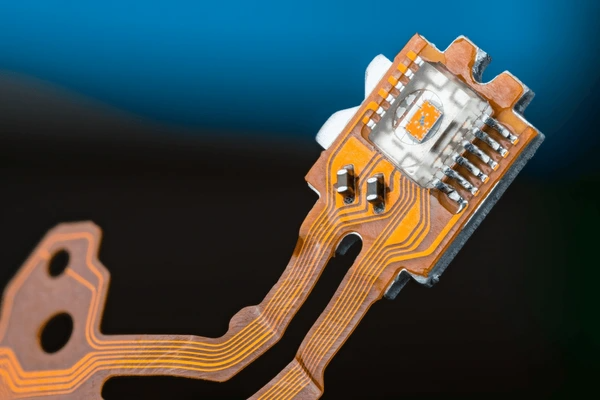
Advancements in microelectronics and electrochemical technologies have enabled the development of new sensor materials and fabrication techniques.
- Nanostructured materials for enhanced sensitivity and selectivity
- Novel thin-film deposition methods for improved sensor performance
- Integration of multiple sensing elements into a single device (multi-sensor arrays)
Sensor Design and Integration
Sensor design has evolved to incorporate smart features, miniaturization, and improved resolution. Key innovations include:
- Miniaturized sensors with higher spatial resolution and sensitivity
- Direct digital output or frequency output sensors, eliminating analog-to-digital conversion
- Integration of sensors with wireless communication capabilities for remote monitoring
Data Processing and Algorithms
Advancements in data processing and algorithms have enabled more intelligent and efficient sensor systems:
- Machine learning algorithms for sensor data analysis and pattern recognition
- Sensor fusion techniques for combining data from multiple sensors
- Edge computing and on-device processing for real-time data analysis
Emerging Sensor Technologies
Several novel sensor technologies have emerged, offering new sensing capabilities:
- Quantum sensors leveraging quantum phenomena for ultra-precise measurements
- Graphene-based sensors with high sensitivity and fast response times
- Optical sensors using advanced spectroscopy techniques for chemical analysis
To get detailed scientific explanations of sensor technology, try Patsnap Eureka.
