


The History of the 22RE Engine
The 22RE engine was a 2.4-liter inline four-cylinder gasoline engine produced by Toyota from 1982 to 1995. Known for its robust design, it became a staple in compact trucks and SUVs.
Powering vehicles like the Toyota Pickup, 4Runner, and Hilux, the 22RE earned a reputation as a reliable workhorse, with many vehicles still on the road today. Its robust design influenced future Toyota engines, leaving a lasting mark on the brand’s engineering excellence.
Though retired, the 22RE remains a symbol of Toyota’s commitment to quality, efficiency, and longevity.
Key Specs and Performance of the 22RE Engine
This engine became a staple for compact trucks and SUVs, offering a perfect blend of power and practicality. Below, we break down the key specifications and performance highlights that have cemented its legacy.
Specifications
- Displacement: 2,366 cc (144.4 cu in)
- Bore x Stroke: 92 mm x 89 mm (3.62 in x 3.50 in)
- Compression Ratio: 9.0:1
- Power Output: 105 hp (78 kW) at 4,800 rpm
- Torque: 137 lb-ft (186 Nm) at 2,800 rpm
- Fuel System: Electronic Fuel Injection (EFI)
- Ignition System: Transistor-Controlled Ignition (TCI)
Performance Characteristics of the 22RE Engine
The 22RE engine, introduced by Toyota in 1982, was a 2.4-liter inline four-cylinder gasoline engine known for its reliability and durability. Its key performance characteristics include:
- Power Output: The 22RE produced around 105 horsepower and 137 lb-ft of torque, which was modest but sufficient for its intended use in compact trucks and SUVs.
- Fuel Efficiency: With its relatively small displacement and advanced fuel injection system, the 22RE offered good fuel economy for its time, averaging around 20-25 mpg in city driving and 25-30 mpg on the highway.
- Low-End Torque: The 22RE was designed to deliver strong low-end torque, making it well-suited for hauling and towing applications. Its torque peak was achieved at relatively low engine speeds, providing good responsiveness and drivability.
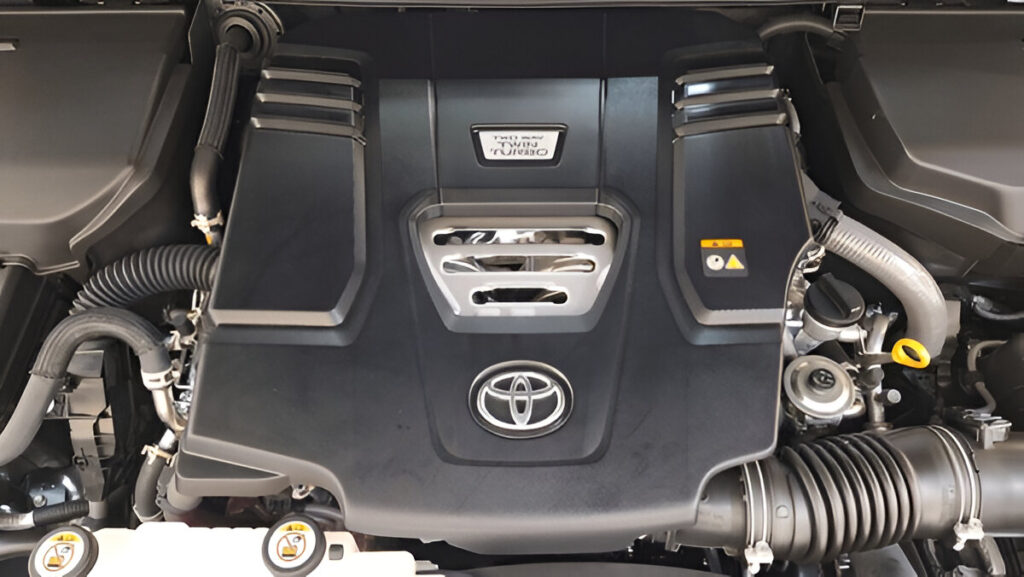
Why is the 22RE Engine So Reliable?
The 22RE engine, produced by Toyota, is renowned for its exceptional reliability and longevity. Several design features contribute to its robust performance:
- Robust Construction: The 22RE features a cast-iron engine block and cylinder head, providing superior durability and resistance to wear and tear. The forged steel crankshaft and connecting rods ensure strength and resilience under high loads.
- Simplicity and Proven Technology: The 22RE employs a straightforward and time-tested design, with a single overhead camshaft (SOHC) and two valves per cylinder. This simplicity reduces the number of potential failure points and makes maintenance more accessible.
- Efficient Cooling System: The engine’s cooling system is designed to effectively dissipate heat, preventing overheating and reducing thermal stress on components. The use of a cross-flow radiator and efficient water pump contributes to reliable cooling performance.
How to Maintain the Toyota 22RE Engine for Longevity
Regular Maintenance
- Oil Changes: Change the engine oil and filter every 5,000 miles or 6 months, whichever comes first. Use high-quality synthetic or semi-synthetic oil recommended by Toyota.
- Air Filter: Replace the air filter every 12,000 miles or annually. A clean air filter ensures proper airflow and prevents contaminants from entering the engine.
- Coolant: Flush and replace the coolant every 60,000 miles or 5 years. This prevents corrosion and overheating issues.
Preventive Measures
Avoid Short Trips: Frequent short trips can lead to excessive condensation buildup, diluting the oil and causing premature wear. Allow the engine to reach operating temperature regularly. Use High-Quality Fuel: Use premium gasoline to prevent carbon buildup and maintain optimal performance. Avoid Overheating: Monitor the coolant temperature and address any overheating issues promptly to prevent engine damage.
Regular inspections and adherence to the manufacturer’s recommendations are crucial for maximizing the engine’s longevity.
Applications of the 22RE Engine
The 22RE engine’s remarkable blend of reliability, efficiency, and durability has made it a preferred choice across a wide range of vehicles and industries. From rugged off-road adventures to commercial and industrial settings, its performance and simplicity have proven invaluable.
Application Cases
| Product/Project | Technical Outcomes | Application Scenarios |
|---|---|---|
| Toyota Pickup (1984-1995) | Reliable power and performance for light-duty hauling and off-road adventures. | Light-duty hauling and off-road adventures. |
| Toyota 4Runner (1984-1995) | Off-road capabilities and versatility. | Off-road driving and versatile use. |
| Toyota Hilux (1988-1997) | Ruggedness and reliability in various commercial and recreational applications. | Commercial and recreational use. |
| Industrial and Marine Applications | Simplicity and durability. | Generators, pumps, and small boats. |
Latest Technical Innovations in 22RE Engines
Fuel Efficiency Improvements
- Advanced fuel injection systems: Upgraded fuel injectors and higher injection pressures enable more precise fuel metering and improved atomization for better combustion efficiency.
- Variable valve timing (VVT): VVT optimizes valve timing across the engine’s operating range, reducing pumping losses and improving thermal efficiency.
- Low-friction components: Redesigned piston rings, bearings, and low-viscosity oils minimize frictional losses for increased fuel economy.
Emissions Reduction Technologies
- Exhaust gas recirculation (EGR): EGR systems recirculate a portion of exhaust gases back into the combustion chambers, lowering peak combustion temperatures and reducing NOx emissions.
- Catalytic converters: Advanced three-way catalytic converters with higher cell densities and precious metal loadings improve conversion efficiencies for HC, CO, and NOx.
- Diesel particulate filters (DPFs): DPFs trap and oxidize particulate matter from diesel exhaust, meeting stringent emissions regulations.
Performance Enhancements
- Turbocharging: Smaller turbocharged engines provide improved power density and torque output while maintaining fuel efficiency.
- Direct injection: Direct fuel injection into the combustion chambers enables higher compression ratios and improved thermodynamic efficiency.
- Lightweight materials: Increased use of aluminum alloys and composites in engine components reduces overall weight for better acceleration and handling.
Advanced Control Systems
- Electronic throttle control: Drive-by-wire throttle systems provide more precise air/fuel ratio control and enable advanced traction control features.
- Integrated engine management: Sophisticated engine control units (ECUs) integrate multiple subsystems for optimized performance, emissions, and diagnostics.
The Toyota 22RE engine remains a symbol of reliability, practicality, and performance. With proper care and the right enhancements, this engine continues to deliver value and dependability for generations of drivers.
To get detailed scientific explanations of the 22RE Engine, try Patsnap Eureka.
