


Acrylic fabric is a synthetic textile known for its wool-like softness, lightweight feel, and excellent insulation properties. Developed as an artificial alternative to wool, acrylic is widely used in clothing, upholstery, outdoor fabrics, and industrial applications. This article explores the properties, applications, advantages, and sustainability concerns of acrylic fabric, along with how it compares to other synthetic and natural fibers.
What Is Acrylic Fabric?
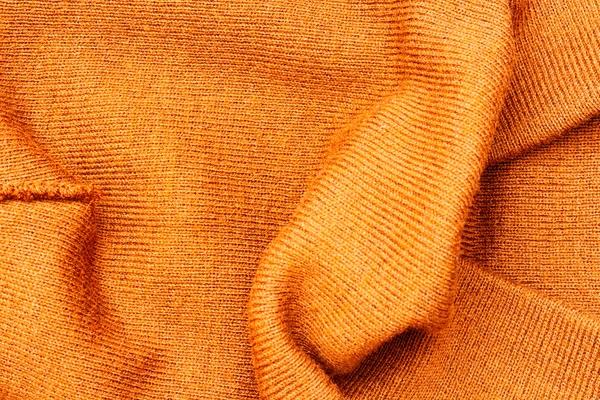
Acrylic fabric is made from acrylonitrile, a petroleum-based compound that undergoes polymerization to create synthetic fibers. These fibers are then spun into yarn and woven or knitted into fabrics that mimic the texture and warmth of wool while offering greater durability and moisture resistance.
What is acrylic fabric? Eureka Technical Q&A provides insights into its warmth, durability, and common uses in clothing, upholstery, and outdoor gear.

Key Characteristics of Acrylic Fabric
- Soft and lightweight, often used as a wool alternative
- Excellent insulation, trapping heat effectively for warmth in colder weather
- Moisture-resistant, making it quick-drying and suitable for humid conditions
- Resistant to fading, UV damage, and mildew, ideal for outdoor textiles
- Easy to dye and available in a wide range of vibrant colors
Due to these properties, acrylic is commonly found in sweaters, blankets, upholstery, and weather-resistant outdoor fabrics.
Applications of Acrylic Fabric
Clothing and Fashion
Acrylic is a popular material in everyday fashion due to its softness, warmth, and affordability compared to natural wool.
- Sweaters and knitwear provide warmth without the heaviness of wool
- Scarves, gloves, and hats retain heat while remaining lightweight
- Athletic wear is blended with other fibers to enhance flexibility and durability
- Faux fur and fleece mimic natural fibers while being easier to maintain
Home Textiles and Upholstery
Acrylic fabric’s fade resistance and durability make it a great choice for home furnishings.
- Blankets and throws are soft, warm, and easy to care for
- Upholstery is used in sofas, cushions, and chairs due to its resistance to wear and sunlight exposure
- Curtains and rugs hold color well and withstand moisture without shrinking
Outdoor and Industrial Uses
Acrylic is highly resistant to UV rays, moisture, and mildew, making it a top choice for outdoor and industrial applications.
- Outdoor furniture covers and awnings maintain color vibrancy and resist weather damage
- Marine and boat fabrics withstand harsh sunlight and saltwater exposure
- Workwear and protective clothing are often blended with other fibers to create fire-resistant or high-durability fabrics
Acrylic vs. Other Fabrics
| Property | Acrylic | Wool | Polyester | Cotton |
|---|---|---|---|---|
| Softness | Soft, wool-like | Natural softness | Slightly rougher | Soft but varies |
| Warmth | High insulation | Excellent insulation | Moderate | Breathable, not insulating |
| Moisture Resistance | High | Absorbs moisture | High | Absorbs moisture |
| Durability | Strong and lightweight | Can shrink and wear out | Strong and wrinkle-resistant | Moderate |
| UV Resistance | High | Low | Very high | Low |
| Maintenance | Easy to wash, quick-drying | Requires special care | Easy care, wrinkle-resistant | May shrink and wrinkle |
Compared to wool, acrylic is lighter, easier to maintain, and more affordable but lacks the natural breathability of wool.
Compared to polyester, acrylic is softer and more insulating, but polyester is generally more durable and wrinkle-resistant.
Compared to cotton, acrylic is warmer and dries faster, but cotton is more breathable and naturally hypoallergenic.
Advantages of Acrylic Fabric
- Soft and warm, making it a great alternative to wool
- Lightweight and comfortable for everyday wear
- Resistant to moisture, mildew, and UV rays, making it ideal for outdoor use
- Holds color well, withstanding repeated washing and sun exposure without fading
- Quick-drying and easy to care for, requiring minimal maintenance
Disadvantages of Acrylic Fabric
- Less breathable than natural fibers, which can cause overheating in warm climates
- Prone to pilling over time, especially in high-friction areas
- Can generate static electricity, leading to cling and discomfort
- Made from petroleum-based compounds, raising environmental concerns
Is Acrylic Fabric Sustainable?
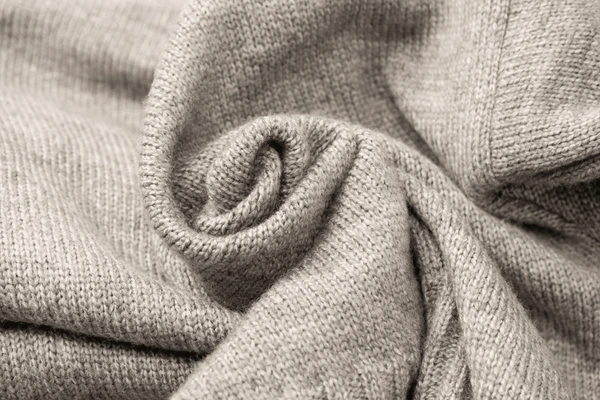
Acrylic fabric is derived from fossil fuels, making it non-biodegradable and energy-intensive to produce. However, some manufacturers are working on recycled acrylic fibers and more sustainable production methods to reduce environmental impact.
Sustainability concerns include:
- Microplastic pollution, as acrylic fibers shed tiny plastic particles during washing
- High energy and chemical usage in production
- Limited recyclability compared to natural fibers
To minimize the environmental impact, consumers can:
- Choose blended fabrics that combine acrylic with natural fibers for a balance of durability and sustainability
- Wash acrylic garments in cold water and use a microfiber filter to reduce plastic shedding
- Support brands that use recycled acrylic fibers
FAQs About Acrylic Fabric
Is acrylic fabric itchy?
Acrylic is generally soft, but some lower-quality versions may feel slightly rough or cause skin irritation in sensitive individuals.
Does acrylic fabric shrink?
Acrylic is resistant to shrinking, but high heat can cause it to lose shape, so it’s best to air dry or use low-heat settings when washing.
Is acrylic warmer than wool?
Acrylic provides excellent insulation, but wool offers better breathability and moisture regulation. Acrylic is a good wool alternative for those looking for an easier-to-care-for option.
Does acrylic fabric pill easily?
Yes, acrylic can be prone to pilling, especially in areas of frequent rubbing or friction. Using a fabric shaver or washing items inside-out can help reduce pilling.
Is acrylic fabric waterproof?
Acrylic is moisture-resistant but not fully waterproof. It dries quickly and repels water better than wool or cotton but won’t completely block out moisture like some synthetic coatings.
Conclusion
Acrylic fabric is a versatile, warm, and durable synthetic textile that serves as an affordable alternative to wool. Its moisture resistance, softness, and color retention make it a popular choice in clothing, home textiles, and outdoor applications.
While acrylic offers many practical benefits, its environmental impact and tendency to pill should be considered when choosing it over natural fibers. With ongoing advancements in sustainable acrylic production, this fabric is likely to remain a key player in the textile industry for years to come.
To get detailed scientific explanations of Acrylic Fabric, try Patsnap Eureka.
