


What is Polyolefin?
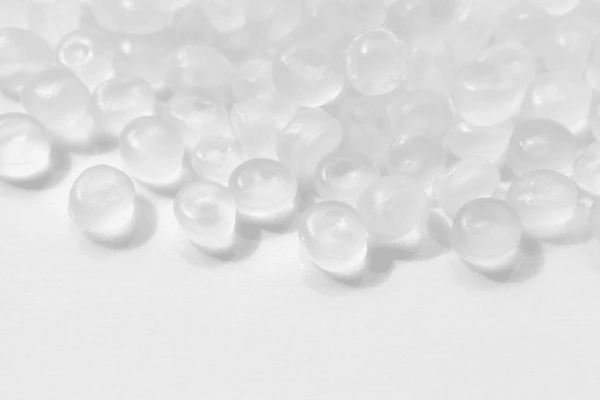
Polyolefins derive from olefin monomers, unsaturated hydrocarbons with a carbon-carbon double bond. They rank among the most widely produced synthetic polymers worldwide. The two primary types of polyolefins are polyethylene (PE) and polypropylene (PP).
Properties of Polyolefin
Mechanical Properties
Polyolefins exhibit a wide range of mechanical properties, including flexibility, toughness, and impact resistance. The addition of fillers and modifiers can significantly enhance these properties:
- Inorganic fillers like flame retardants and metal oxides can improve stiffness and tensile strength while reducing elongation at break.
- Elastomeric copolymers like ethylene-propylene and ethylene-butene copolymers impart flexibility and elasticity, with elongation at break over 400% and tensile strength above 4 MPa.
- Blending with polybutene-1 copolymers improves tenacity, elongation, and elastic recovery for fiber applications.
Thermal and Crystallization Behavior
The thermal stability and crystallization behavior of polyolefins are influenced by their molecular structure and composition:
- Increasing the side-chain length of higher α-olefin homopolymers enhances thermal stability and crystallinity.
- Metal fillers like low-melting-point metals can increase the degree of crystallization.
- Copolymerization with ethylene or α-olefins modifies the crystallization temperature and rate.
Optical and Surface Properties
Polyolefin compositions can be tailored for specific optical and surface properties:
- Blending propylene-ethylene random copolymers with different ethylene contents and melt flow rates improves optical properties and randomness of ethylene distribution.
- Incorporating elastomeric copolymers with specific ethylene contents and viscosities reduces gloss and flexural modulus.
- Functionalization with alkenyl-functional organosiloxanes and organic peroxides modifies surface properties.
Recycling of Polyolefin
The most common processes for recycling polyolefins like polyethylene (PE) and polypropylene (PP) involve:
- Dissolution in organic solvents like toluene or aromatic solvents at high temperatures (reflux) to dissolve the polymer, followed by filtration to remove impurities and solvent evaporation to recover the polymer.
- Washing with water and organic solvents to remove contaminants, followed by drying and extrusion into desired forms.
- Sorting polyolefin waste by density, oxidation level, or other properties before recycling.
Applications of Polyolefin
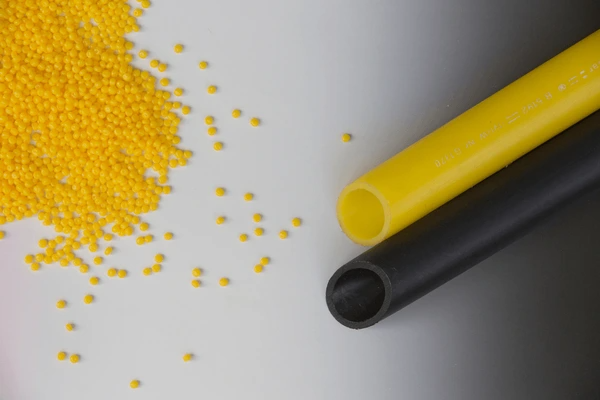
Polyolefins like polyethylene (PE) and polypropylene (PP) are widely used due to their excellent properties like toughness, low density, chemical resistance, and processability. Key applications include:
- Packaging: Films, containers, and bottles for food, beverages, and industrial products
- Consumer goods: Household items, toys, sports equipment
- Construction: Pipes, geomembranes, pond liners
- Automotive: Interior and exterior components like bumpers, trims, dashboards
- Medical: Implants, devices, pharmaceutical packaging
Application Cases
| Product/Project | Technical Outcomes | Application Scenarios |
|---|---|---|
| Polyolefin Aerogels | Utilising supercritical fluid technology, polyolefin aerogels exhibit ultra-low density, high porosity, and excellent thermal insulation properties, reducing heat transfer by up to 90% compared to conventional insulation materials. | Building insulation, cryogenic insulation, oil spill cleanup, and lightweight composite materials. |
| Polyolefin Nanocomposites | Incorporating nanofillers like carbon nanotubes or graphene into polyolefin matrices enhances mechanical strength, thermal stability, and electrical conductivity, enabling applications in high-performance engineering materials. | Automotive components, aerospace structures, and electronic devices requiring lightweight and durable materials. |
| Polyolefin Foams | Through advanced foaming processes, polyolefin foams exhibit low density, high strength-to-weight ratio, and excellent insulation properties, reducing material usage and transportation costs. | Packaging materials, insulation panels, automotive components, and protective equipment. |
| Polyolefin Membranes | Employing advanced membrane technologies, polyolefin membranes offer high chemical resistance, thermal stability, and selective permeability, enabling efficient separation processes in various industries. | Water treatment, gas separation, biomedical applications, and industrial filtration processes. |
| Polyolefin Elastomers | Incorporating specific catalysts and co-monomers, polyolefin elastomers exhibit excellent elasticity, low compression set, and resistance to chemicals and weathering, enabling applications in demanding environments. | Automotive seals and gaskets, wire and cable insulation, and construction sealants and adhesives. |
Latest innovations in Polyolefin
Polyolefin Additive Manufacturing
Polyolefins have recently been explored for additive manufacturing applications like 3D printing. The key challenge is achieving good interlayer adhesion and coalescence between the deposited polymer strands. Novel polyolefin compositions containing antistatic agents have been developed to improve the flowability and dispersibility of polyolefin materials during printing. Other approaches involve modifying the polyolefin molecular architecture to enhance layer-to-layer coalescence and bonding.
High-Performance Polyolefin Compounds
There is ongoing innovation in developing high-performance polyolefin compounds and blends for demanding applications like automotive and appliances. This includes thermoplastic polyolefins (TPOs) and impact copolymers (ICPs) with improved flexibility, impact resistance, and processing ability compared to conventional polypropylene/rubber blends. Techniques like grafting polar monomers onto polyolefins can enhance adhesion to other materials.
Polyolefin Synthesis & Catalysis
Advances in polyolefin catalysts and polymerization processes enable better control over polymer properties. New single-site catalysts allow tuning the molecular architecture, comonomer incorporation, and microstructure of polyolefins. Processes like oscillating catalysts, chain shuttling, and chain-walking mechanisms facilitate the synthesis of stereo multi-block copolymers and unique molecular architectures.
Sustainable & Functional Polyolefins
There is interest in developing sustainable and functional polyolefins, such as halogen-free flame retardant polyolefins, transparent polypropylenes, and polyolefins for high-frequency welding. Modification approaches include using eco-friendly additives, intumescent systems, and inorganic fillers to impart desired properties.
Technical Challenges
| Improving Interlayer Adhesion in Polyolefin 3D Printing | Developing methods and compositions to enhance the coalescence and adhesion between the deposited polymer layers in additive manufacturing processes involving polyolefins, enabling the production of high-quality 3D printed parts. |
| Polyolefin Compatibilization with Polar Materials | Modifying polyolefins to introduce polar functional groups, improving their compatibility and adhesion with polar polymers, metals, and other materials for applications requiring good interfacial bonding. |
| High-Performance Polyolefin Compounds | Developing advanced polyolefin compounds and blends with improved mechanical properties, such as impact resistance, flexibility, and processing ability, for demanding applications like automotive and appliances. |
| Polyolefin Catalyst Flowability and Dispersibility | Incorporating antistatic agents into polyolefin catalyst systems to enhance the flowability and dispersibility of the catalyst, improving the polymerization process and the properties of the resulting polyolefin. |
| Polyolefin Gel Reduction and Quality Control | Developing devices and processes for reducing the size and concentration of gels in polyolefin resins, improving the quality and value of the finished products. |
Conclusion: The Significance of Polyolefins
From packaging to medical devices, polyolefins play an essential role in countless applications, offering unparalleled versatility and affordability. Despite challenges like environmental concerns, their recyclability and adaptability ensure they remain at the forefront of modern materials. By understanding polyolefins, we can better appreciate their impact on everyday life and future innovations.
FAQs
- What are polyolefins made of?
Polyolefins are polymers made from simple alkenes like ethylene and propylene, produced through polymerization processes. - How are polyolefins different from other polymers?
Polyolefins are lightweight, chemically resistant, and versatile, making them ideal for high-volume, cost-sensitive applications. - Can polyolefins be recycled?
Yes, both polyethylene and polypropylene are recyclable, though recycling rates vary by region and infrastructure. - What industries rely most on polyolefins?
Industries such as packaging, automotive, healthcare, and construction heavily depend on polyolefins for their products. - Are polyolefins biodegradable?
Traditional polyolefins are not biodegradable, but ongoing research is developing biodegradable variants.
To get detailed scientific explanations of polyolefin, try Patsnap Eureka.

Learn more
Hypertonic vs. Hypotonic vs. Isotonic: What’s the Difference?
Acetophenone: A Key Compound in Fragrance and Industry
Magnesium Nitrate: Key Uses, Definition, and Innovations