


What Is Polythioether ?
Polythioether is a high-performance synthetic polymer known for its remarkable chemical resistance, flexibility, and environmental stability. As a sulfur-containing elastomer, it plays a vital role in industries that demand durability under extreme conditions. From aerospace sealants to electronic enclosures, this polymer offers solutions where traditional materials may fail.
What is polythioether? Eureka Technical Q&A explains this flexible, sulfur-based polymer known for its excellent chemical resistance, durability, and use in aerospace sealants, adhesives, and industrial applications.

This article explores the synthesis process, material characteristics, key benefits, industrial uses, and common challenges associated with polythioether-based formulations.
Definition and Properties
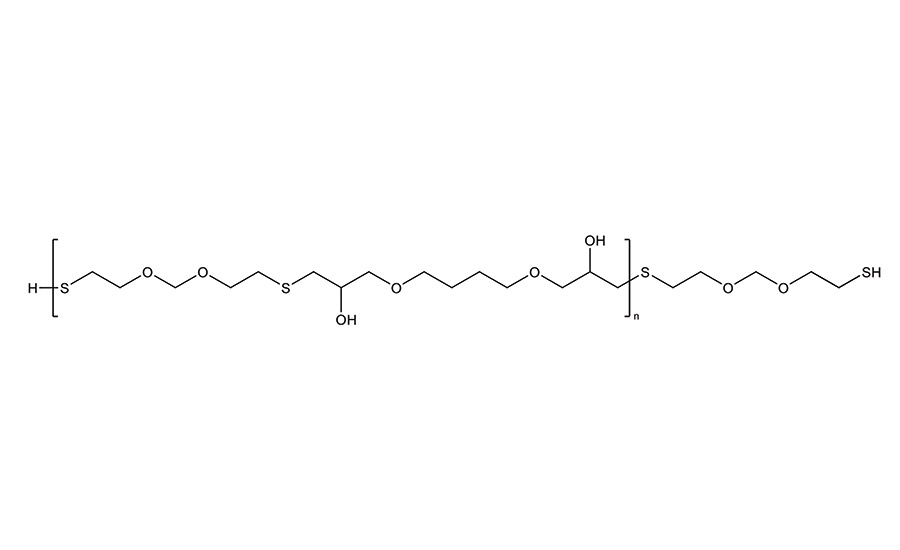
Polythioethers are composed of repeating units containing sulfur and oxygen atoms linked by ether bonds. This structure imparts several beneficial properties, including chemical resistance, weatherability, and resistance to gasoline and jet fuel. They also exhibit plasto-elastomeric properties, which allow them to undergo self-healing in the cured state.
How Polythioether Works
Polythioether polymers are created through step-growth polymerization involving thiol (–SH) groups and alkene or alkyne compounds. The resulting sulfur-rich backbone provides resistance to a wide range of fuels, oils, and solvents, while also enabling excellent mechanical elasticity.
Formulators often use these materials as base resins in adhesives, sealants, and coatings to provide structural integrity and environmental performance.
Steps in Polythioether Synthesis
- Monomer Selection – Chemists combine thiol-functional monomers with alkene or alkyne counterparts to begin the synthesis process.
- Polymerization Reaction – A catalyst initiates the step-growth reaction, forming long, flexible polymer chains with sulfur linkages.
- Property Optimization – Engineers modify the polymer using fillers, plasticizers, or curing agents to meet specific performance targets.
- Curing or Crosslinking – They cure the final product to create a solid elastomer with enhanced strength and chemical resistance.
Materials Enhanced with Polythioether
| Application Area | Formulation Format | Benefit Provided |
|---|---|---|
| Aerospace sealants | Two-part curing sealants | Fuel resistance and elasticity |
| Electronic enclosures | Conductive adhesives | EMI/RFI shielding and sealing |
| Industrial gaskets | Molded elastomer | Compression set resistance |
| Construction coatings | Brushable films | UV and weather resistance |
Key Benefits of Polythioether
Chemical Resistance
Polythioether exhibits excellent resistance to fuels (like JP-8 and Jet A), hydraulic fluids, solvents, and oils—making it highly suitable for aerospace and automotive applications.
Flexibility and Mechanical Integrity
It retains elasticity over time and does not become brittle under thermal cycling or vibration. This helps prevent cracking, leaking, or delamination in sealed joints.
Long-Term Stability
The material resists UV degradation, water absorption, and temperature extremes. It performs well in both humid and arid environments, with little loss in mechanical performance.
Tailorability
Its chemical structure allows for a wide range of formulation adjustments. Manufacturers can modify its properties to suit needs such as conductivity, flame retardance, or faster curing.
Industrial Applications of Polythioether
Aerospace and Aviation
Polythioether sealants are widely used in fuel tanks, fuselage joints, and access doors. These materials offer prolonged exposure resistance to aviation fuels and deicing fluids while maintaining adhesion to aluminum and composite substrates.
Defense and Electronics
In military and communication equipment, polythioether-based conductive sealants provide both structural sealing and electromagnetic shielding. They are particularly useful in radars, drones, and avionics systems.
Construction and Infrastructure
Manufacturers use these polymers in long-life sealants for roofing systems, expansion joints, and high-traffic floor seams. Their UV stability and weather resistance reduce maintenance needs.
Energy and Utilities
Manufacturers formulate polythioether into sealants for solar panels, power generation units, and chemical containment systems, where chemicals and extreme temperatures are common.
Polythioether vs. Traditional Polymers
| Property | Polythioether | Polyurethane | Silicone | Nitrile Rubber |
|---|---|---|---|---|
| Fuel Resistance | Excellent | Poor | Moderate | Good |
| Elasticity (Low Temp) | High | Moderate | High | Moderate |
| UV/Weather Resistance | High | Moderate | Excellent | Low |
| Thermal Stability | High | Moderate | High | Moderate |
| Customization Potential | High | High | Low | Low |
Common Challenges in Using Polythioether
Processing Sensitivity
Achieving optimal performance often requires precise mixing, curing temperatures, and humidity control. Improper ratios can lead to weak bonding or incomplete curing.
Cost Considerations
Compared to traditional elastomers, polythioether tends to be more expensive due to specialized monomers and complex synthesis steps. However, its performance and lifespan often justify the cost in critical applications.
Odor and Discoloration (Legacy Formulations)
Early versions had strong odors and yellowish color. Newer formulations have addressed these issues, offering odor-free and color-stable alternatives.
Testing the Effectiveness of Polythioether
| Test Type | Purpose |
|---|---|
| Fuel Immersion Test | Measures swelling and weight gain |
| Tensile Strength Test | Assesses elongation and break force |
| Salt Fog and UV Exposure | Simulates outdoor weathering |
| Peel Adhesion Test | Evaluates bond strength to substrates |
These evaluations help ensure the final product meets industrial durability and performance standards.
Frequently Asked Questions
What is polythioether used for?
It is primarily used in aerospace sealants, conductive adhesives, and industrial protective coatings.
Is polythioether fuel resistant?
Yes. It has excellent resistance to aviation fuels, oils, and many solvents, making it ideal for fuel tank sealing.
Can polythioether be used outdoors?
Yes. It offers good UV stability and maintains performance under various environmental conditions.
How long does polythioether last?
When properly applied and cured, it can last for decades without significant degradation, especially in aerospace and building applications.
Is polythioether flexible in cold weather?
Yes. It maintains flexibility and resists cracking even in subzero temperatures, which is critical for aerospace and cold-region infrastructure.
Conclusion
Polythioether is a versatile and high-performance material designed for use in demanding conditions. Its superior chemical resistance, mechanical flexibility, and environmental durability make it a preferred choice in aerospace, defense, construction, and industrial applications. As advancements in formulation continue, its role will expand further into next-generation electronics, energy systems, and beyond.
By understanding its benefits, application techniques, and limitations, industries can fully leverage the potential of polythioether to enhance product reliability, reduce maintenance, and improve long-term performance.
To get detailed scientific explanations of polythioether, try Patsnap Eureka.
