


What is LLDPE?
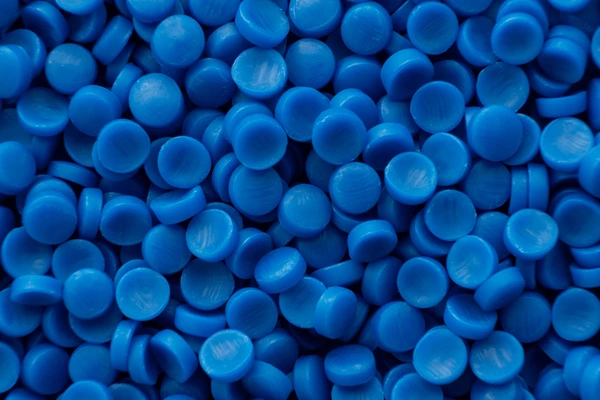
LLDPE (Linear Low-Density Polyethylene) is a linear polyethylene polymer with short-chain branching, produced by copolymerization of ethylene with α-olefins like butene, hexene, or octene. It has a density range of 0.915-0.935 g/cm³, lower than that of high-density polyethylene (HDPE) but higher than low-density polyethylene (LDPE).
Properties of LLDPE
It exhibits a unique combination of properties, including:
- Mechanical Properties: It has higher tensile strength, puncture resistance, and impact strength compared to LDPE, due to its linear structure and controlled short-chain branching.
- Thermal Properties: It has a narrower molecular weight distribution and a higher melting point than LDPE, resulting in better thermal stability and resistance to thermal degradation.
- Optical Properties: it films and products have good clarity and transparency due to their linear structure and controlled branching.
- Barrier Properties: It exhibits improved moisture barrier properties compared to LDPE, making it suitable for packaging applications.
- Processing characteristics: It has a narrower molecular weight distribution, which allows for easier processing and better melt strength, enabling the production of thin films and intricate shapes.
Production of LLDPE
Polymerization Process
It is typically produced via a low-pressure solution, slurry, or gas-phase polymerization process using Ziegler-Natta or metallocene catalysts. The copolymerization of ethylene and alpha-olefin comonomers is carried out in the presence of these catalysts, which facilitate the controlled incorporation of short-chain branches.
Reactor Systems
Various reactor systems are employed for its production, including:
- Solution polymerization: Monomers are dissolved in an inert solvent and polymerized at elevated temperatures and pressures.
- Slurry polymerization: Monomers are polymerized in an inert diluent, with the polymer formed as insoluble particles suspended in the diluent.
- Gas-phase polymerization: Monomers are polymerized in the absence of a solvent or diluent, with the polymer formed as solid particles.
Comonomer Selection
The choice of alpha-olefin comonomer significantly impacts the properties of the resulting LLDPE. Common comonomers include:
- 1-butene: Produces LLDPE resins suitable for commodity applications like film products.
- 1-hexene, 4-methyl-1-pentene, 1-octene: Higher alpha-olefins yield LLDPE resins with improved strength properties compared to ethylene/1-butene copolymers
What is the Difference between LDPE and LLDPE?
Fundamental Differences
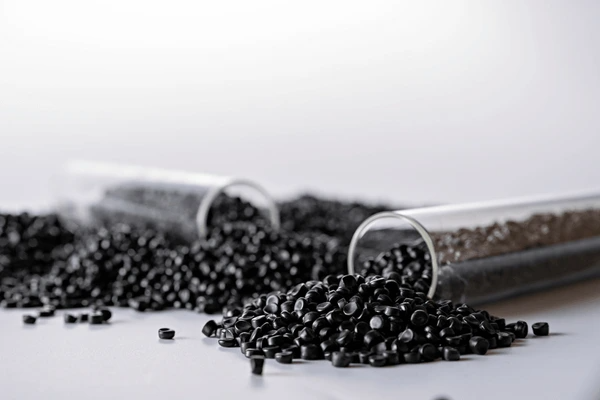
LDPE (Low-Density Polyethylene) and LLDPE (Linear Low-Density Polyethylene) are both polyethylene-based polymers, but they differ in their molecular structure, properties, and manufacturing processes.
LDPE is a highly branched polymer produced by free-radical polymerization at high pressure and temperature. It has a density range of 0.910 to 0.940 g/cm³ and exhibits good flexibility, impact resistance, and ease of processing. However, LDPE has lower tensile strength and stiffness compared to LLDPE.
On the other hand, LLDPE is a linear polymer with short-chain branching, produced by copolymerization of ethylene and alpha-olefins (e.g., 1-butene, 1-hexene) using Ziegler-Natta or metallocene catalysts at low pressure and temperature. It has a density range of 0.915 to 0.935 g/cm³ and exhibits higher tensile strength, puncture resistance, and stiffness than LDPE, while maintaining good impact resistance and flexibility.
Manufacturing Processes
LDPE is manufactured through a high-pressure free-radical polymerization process, typically at pressures ranging from 15,000 to 30,000 psi and temperatures around 200 °C. This process results in a highly branched structure with long-chain branches.
In contrast, LLDPE is produced through a low-pressure catalytic-polymerization process, typically at pressures ranging from 100 to 400 psi and temperatures below 120°C. The use of Ziegler-Natta or metallocene catalysts allows for precise control over the short-chain branching and molecular weight distribution, resulting in a linear backbone with short-chain branches.
Applications
LDPE is widely used in various applications, including packaging films (e.g., bread bags, garbage bags), plastic bags, coatings, and cable insulation, due to its flexibility, moisture resistance, and ease of processing.
LLDPE, on the other hand, is preferred for applications that require higher strength and stiffness, such as stretch films, heavy-duty bags, pipes, geomembranes, and rigid containers. Its superior mechanical properties, puncture resistance, and clarity make it suitable for these applications.
Applications of LLDPE
Due to its balanced properties, it finds widespread applications in various industries, including:
- Packaging films (stretch wrap, shrink wrap, and bags)
- Geomembranes and liners for environmental protection
- Pipes and tubing for water and gas distribution
- Automotive parts (interior and exterior components)
- Toys and household products
- Cable insulation and wire coatings
Applications Cases
| Product/Project | Technical Outcomes | Application Scenarios |
|---|---|---|
| LLDPE Film Extrusion | Improved mechanical properties, such as higher tensile strength, stiffness, and impact resistance compared to LDPE, while maintaining good processability and flexibility. Enhanced optical properties like clarity and gloss. | Packaging applications requiring durability, puncture resistance, and clarity, such as food packaging, stretch wrap, and industrial liners. |
| LLDPE Pipe Extrusion | Increased resistance to stress cracking, chemicals, and environmental factors compared to HDPE. Better flexibility and impact resistance, especially at low temperatures. | Underground piping systems for water, gas, and sewage transportation, where durability and resistance to environmental factors are crucial. |
| LLDPE Injection Moulding | Improved melt strength and processability compared to LDPE, allowing for faster cycle times and better part definition. Enhanced mechanical properties like impact resistance and stiffness. | Household and consumer products, such as containers, toys, and housewares, where durability and cost-effectiveness are important. |
| LLDPE Rotational Moulding | Excellent impact resistance, even at low temperatures, and good stress crack resistance. Improved melt strength and processability compared to LDPE. | Large hollow products like storage tanks, playground equipment, and marine components, where impact resistance and durability are essential. |
| LLDPE Blown Film Extrusion | Increased tensile strength, puncture resistance, and tear resistance compared to LDPE. Better optical properties like clarity and gloss, while maintaining good processability. | Packaging films for food, consumer goods, and industrial applications, where strength, clarity, and durability are required. |
Latest innovations
Improved Properties and Performance
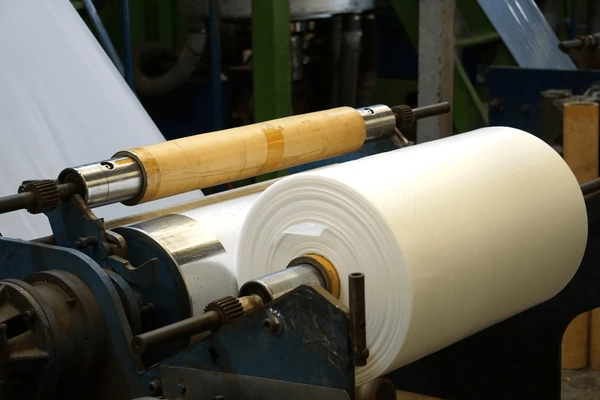
Recent LLDPE advancements have targeted boosting properties and performance across applications. For example, new LLDPE grades feature higher melt strength, better toughness, and enhanced processability, making them ideal for demanding uses, such as pipe extrusion or blown film. Moreover, metallocene-catalyzed LLDPE resins offer a narrower molecular weight distribution, providing superior control over short-chain branching. As a result, these materials deliver significantly improved mechanical properties and greater clarity.
Sustainable and Eco-Friendly Solutions
There has been a growing emphasis on developing sustainable and eco-friendly solutions. Researchers have explored the use of bio-based monomers and renewable resources for production, aiming to reduce the environmental impact and carbon footprint. Additionally, efforts have been made to improve the recyclability and biodegradability of products, aligning with the principles of a circular economy.
Advanced Processing Techniques
Innovations in processing techniques have also contributed to the advancement of LLDPE. The use of reactive extrusion and compatibilization strategies has enabled the development of LLDPE-based blends and composites with enhanced properties. Furthermore, the application of advanced manufacturing methods, such as 3D printing and additive manufacturing, has opened up new possibilities in various industries, including aerospace, automotive, and healthcare.
Specialized Applications
LLDPE has found its way into specialized applications due to its unique properties. In the field of high-voltage insulation materials, LLDPE-based ionomers have shown promising potential as an alternative to crosslinked polyethylene (XLPE) for high-voltage direct-current (HVDC) power cables. In addition, LLDPE has been explored for use in electrochemical energy conversion and storage technologies, such as fuel cells and flow batteries, due to its chemical stability and mechanical durability.
Technical Challenges of LLDPE
| Improving Mechanical and Optical Properties of LLDPE Films | Developing new LLDPE grades with higher melt strength, improved toughness, and better processability for demanding applications like pipe extrusion and blown film production. |
| Sustainable and Eco-Friendly LLDPE Solutions | Exploring the use of bio-based monomers and renewable resources for LLDPE production, aiming to reduce the environmental impact and carbon footprint. |
| Advanced LLDPE Processing Techniques | Utilising reactive extrusion and compatibilisation methods to enhance the processability and performance of LLDPE films. |
| Enhancing LLDPE Film Clarity and Surface Quality | Developing LLDPE formulations with improved optical properties, such as high transparency and smooth surface finish, suitable for packaging and coating applications. |
| Tailoring LLDPE Molecular Architecture | Employing advanced catalysts and polymerisation techniques to control the molecular weight distribution, branching, and comonomer distribution in LLDPE, enabling tailored properties for specific applications. |
Learn More About Versatile Chemical Compounds
Exploring Sodium Percarbonate: A Comprehensive Guide
Methyl Methacrylate: Properties, Uses, and Innovations Unveiled
Barium Acetate: Essential Uses, Properties and Innovations
To get detailed scientific explanations of the LLDPE, try Patsnap Eureka.
