


What Is Sealant?
Types of Sealants
Organic sealants include:
- Silicone Sealants: Composed of silicone polymers, these are widely used for their excellent weathering resistance, flexibility, and adhesion to various substrates.
- Polyurethane Sealants: Formed by the reaction of isocyanates and polyols, they offer good adhesion, abrasion resistance, and durability.
- Acrylic Sealants: Based on acrylic polymers or copolymers, they provide good UV resistance, flexibility, and adhesion to porous substrates.
Inorganic sealants include:
- Cement-based Sealants: Composed of hydraulic cements, they are suitable for sealing concrete and masonry structures.
- Glass Ionomer Sealants: Used in dentistry for sealing pits and fissures, they release fluoride and have a high capacity for preventing carious lesion development.

Properties of Sealant
Composition and Formulation
Sealants are typically composed of a base fluid or polymer, binders, fillers, and additives. Common binders include fly ash, hydrated lime, silica fumes, pozzolanic materials, and cementitious materials. Crosslinkable polymers like organic polymers and crosslinkers are also used. Fillers like carbonate fillers provide reinforcement. Additives like catalysts, plasticizers, and coupling agents tailor the curing and performance properties.
Curing and Crosslinking Mechanisms
Many sealants rely on moisture-curing mechanisms, where atmospheric moisture reacts with functional groups to form a crosslinked network. Others use thermal curing or UV-curing. The curing rate and degree of crosslinking significantly impact the sealant’s mechanical properties.
Mechanical and Adhesion Properties
Key mechanical properties include tensile strength, elongation at break, modulus of elasticity, and shear strength. Adhesion to substrates and cohesive strength are crucial for effective sealing. Sealants exhibit varying degrees of flexibility, with lower modulus sealants being more flexible.
Durability and Environmental Resistance
Sealants must withstand environmental factors like moisture, temperature fluctuations, UV exposure, and chemical attack. Properties like water absorption, volume change, and resistance to aging and corrosion are important. Low VOC and solvent-free formulations improve environmental performance.
Uses & Benefits of Sealant
Sealants play a crucial role in construction, automotive, and industrial applications due to their flexibility, durability, and weather resistance. In construction, they effectively seal joints, gaps, and glazing systems, preventing leaks and drafts. Additionally, sealants protect buildings from environmental elements, ensuring long-term structural integrity.
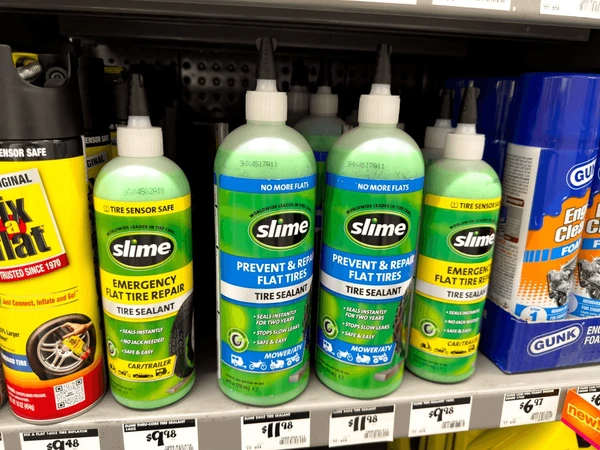
In the automotive industry, sealants are used to seal tire punctures and bond critical components, enhancing performance and reliability. Furthermore, sealants help improve the overall efficiency of vehicles by providing effective seals that reduce energy loss.
Industrial applications also benefit from sealants, especially for sealing electrical components, machinery, and pipelines. These seals ensure smooth operations and prevent damage from leaks or contamination. Key benefits of sealants include excellent adhesion, flexibility, chemical resistance, and long-term durability, making them indispensable across various industries.
Synthesis Methods
- Hot-melt extrusion: Raw materials are melted, mixed, extruded into strands, cooled, and pelletized. This method is suitable for thermoplastic sealants.
- Emulsion polymerization: Monomers are polymerized in an aqueous emulsion to form a latex, which is then compounded with fillers and additives. Used for water-based sealants.
- Reactive hot-melt: Reactive components like isocyanates and polyols are mixed and dispensed as a liquid that cures into a thermoset sealant.
Process Optimization
- Mixing and compounding: Efficient mixing of components is crucial for homogeneity and desired properties.
- Curing conditions: Temperature, humidity, and curing time are optimized for complete curing and desired properties.
- Additives: Catalysts, adhesion promoters, and other additives are used to tailor curing, adhesion, and performance.
Latest innovations of Sealant
Novel Sealant Formulations
- Silane-Modified Polymers: Silane-modified polymers like silyl-terminated polyethers and polyurethanes offer improved adhesion, weatherability, and chemical resistance for sealants. They combine advantages of organic and inorganic sealants.
- Reactive Sealants: Reactive sealants containing monomers, polymers, and swellable additives can cure in-situ, reseal, and swell in fluids, enabling applications in oil/gas wells and construction.
- Fiber-Reinforced Sealants: Incorporating fibers like cellulose derivatives enhances sealant flexibility, chemical stability, and sealing performance at high temperatures (up to 530°C) and pressures (up to 40 MPa).
Advanced Sealant Properties
- Rapid Curing: Formulations with fast initial curing rates and high initial shear strengths enable quicker production cycles. Catalysts and low molecular weight prepolymers accelerate curing.
- Improved Rheology: Optimized viscosities and non-sag properties through precise polymer molecular weights and filler loadings facilitate application.
- Enhanced Durability: Increased resistance to aging, chemicals, and abrasion by using modified polymers, surface treatments, and stabilizers.
Sustainable and Specialty Sealants
- Low VOC and Solvent-Free: Eco-friendly sealants with reduced VOC emissions and no solvents help industries meet strict environmental regulations. These sealants are ideal for companies looking to minimize their ecological impact while ensuring effective sealing.
- Fire Retardant Sealants: Flame retardants incorporated into these sealants make them suitable for applications in construction and transportation, where fire safety is crucial. They enhance fire resistance and help meet safety standards.
- Conductive Sealants: Sealants with conductive fillers, such as carbon nanotubes, find use in electronics and EMI shielding applications. These sealants not only provide effective sealing but also support electrical conductivity, making them essential for modern tech devices.
The innovations cover novel polymer chemistries, reactive mechanisms, fiber reinforcements, and performance enhancements to meet diverse industrial demands for durable, sustainable, and high-performance sealing solutions.
FAQs
How do I choose the right sealant for my project?
Selecting the appropriate sealant depends on factors like the materials being joined, exposure to environmental conditions, required flexibility, and whether the area is interior or exterior. Consulting product specifications and manufacturer recommendations can guide your choice.
Can sealants be applied to wet or damp surfaces?
Some sealants, like certain elastomeric types, adhere to wet or damp surfaces, making them suitable for emergency repairs and remedial sealing. However, it’s essential to check the product’s specifications to ensure compatibility.
How long does it take for a sealant to cure completely?
Curing times vary depending on the sealant type and environmental conditions. For instance, some silicone sealants become tack-free within 30 minutes and fully cure in 24 hours, while others may require longer. Always refer to the manufacturer’s guidelines for accurate curing times.
To get detailed scientific explanations of sealant, try Eureka.
