


What is Xylene?
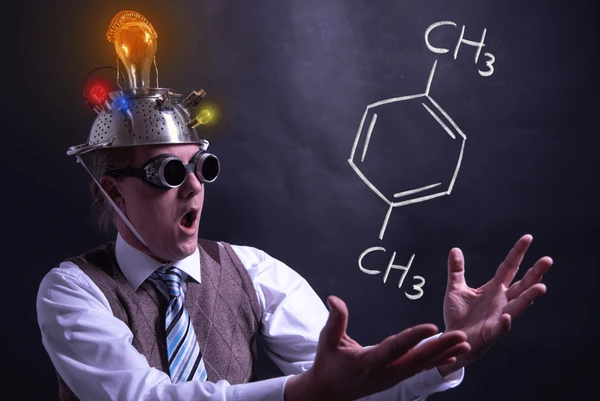
Xylene is a colorless, transparent, and volatile organic compound with the formula C₈H₁₀. It is insoluble in water but soluble in ethanol and is widely used as a solvent in various industries, including paints, coatings, and adhesives. Xylene is composed of three isomers: ortho-xylene (OX), meta-xylene (MX), and para-xylene (PX), with para-xylene being the most valuable due to its application in producing terephthalic acid, a key component in polyester fibers and plastics.
How is Xylene Produced?
- Catalytic Reforming of Naphtha: This process involves the cracking of naphtha, a fraction of crude oil, to produce xylene isomers. The feedstock is selectively hydrocracked and introduced into a transalkylation zone with a hydrocarbonaceous stream rich in benzene, toluene, and C9+ hydrocarbons.
- Methylation of Toluene: In this process, toluene is methylated with methanol over an alumino-silicate zeolite catalyst, such as ZSM-5, to produce a mixture of xylene isomers. This method can achieve high selectivity for p-xylene through optimization of catalysts and reactive distillation14.
- Aromatic Transalkylation: This process involves the transalkylation of aromatic compounds to increase xylene concentration and reduce olefin content. The feed material may undergo pretreatment, such as water treatment or hydrogenation, to enhance the efficiency of the process1.
- Isomerization and Transalkylation Reactions: Integrated processes that combine isomerization and transalkylation reactions in a single distillation assembly to enhance xylene recovery and reduce energy consumption10.
Benefits of Using Xylene
- Versatile Applications: Xylene isomers have various applications, including the production of polymers, solvents, fuel additives, and pharmaceutical intermediates. The demand for p-xylene, in particular, has been increasing due to its use in producing polyester fibers and polyethylene terephthalate.
- High Selectivity and Yield: Advanced production methods, such as toluene methylation followed by reactive distillation, can achieve high selectivity for p-xylene, resulting in purer products and reduced separation costs.
- Energy Efficiency: Process intensification and integration, such as combining reaction and distillation in a single vessel (reactive distillation), can lead to energy savings and reduced capital investment.
- Environmental Benefits: Improved processes can result in lower CO2 emissions and reduced environmental impact, making the production of xylene more sustainable.
Safety and Handling Guidelines
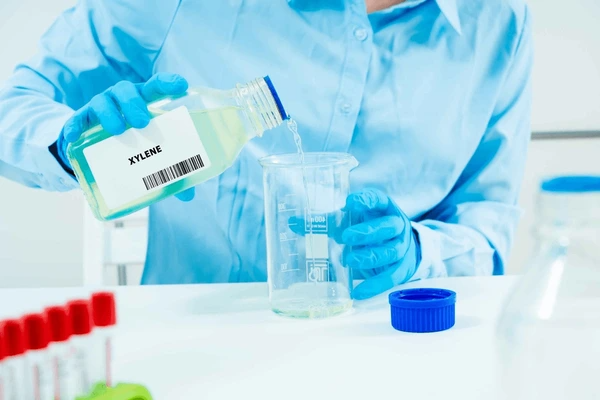
- Toxicity and Exposure: Xylene is toxic and can cause skin and mucous membrane irritation. Long-term exposure may lead to health hazards, necessitating proper ventilation and personal protective equipment (PPE).
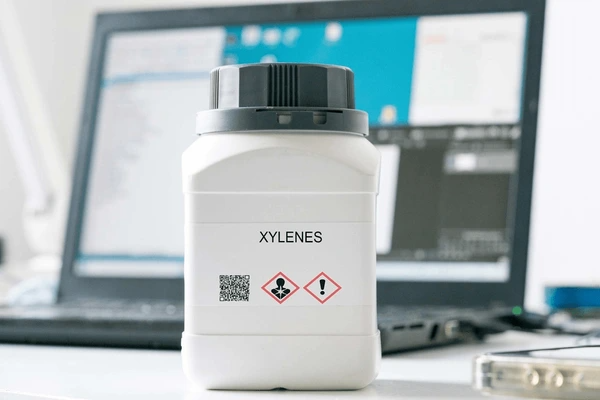
- Flammability: Xylene is flammable and explosive, requiring strict control measures to prevent accidents. Storage and handling should be in well-ventilated areas, away from ignition sources.
- Detection and Monitoring: Regular monitoring of xylene levels using gas sensors or other detection methods is essential to ensure safety.
- Environmental Considerations: Proper disposal and handling procedures should be followed to minimize environmental impact, as xylene can contaminate soil and water.
Environmental Impact
- Toxicity: Xylene is toxic and can cause respiratory and skin irritation, and long-term exposure may lead to health hazards. Proper ventilation and personal protective equipment are essential to mitigate these risks.
- Flammability: Xylene is highly flammable and can pose fire hazards. Adequate safety protocols, including fire suppression systems and emergency response plans, are necessary to ensure safe operations.
- Environmental Release: Accidental releases of xylene can contaminate soil and water, affecting local ecosystems. Implementing robust containment and spill response measures is critical to minimize environmental impact.
- Regulatory Compliance: Production processes involving xylene must comply with local and international regulations regarding air and water emissions, waste management, and worker safety.
Applications of Xylene
Petroleum Refining and Chemical Synthesis
- Xylene isomers, including para-xylene, meta-xylene, and ortho-xylene, are crucial intermediates in chemical syntheses.
- Para-xylene is primarily used for the production of terephthalic acid, which is a key component in the manufacture of synthetic textile fibers and resins.
- Meta-xylene is utilized in the production of plasticizers, azo dyes, and wood preservatives.
- Ortho-xylene serves as a feedstock for phthalic anhydride production.
Textile and Resin Manufacturing
- The oxidation of para-xylene yields terephthalic acid, which is essential for producing synthetic fibers and resins.
Plastic and Polymer Industry
- Xylene isomers are used in the production of various polymers and plastics, contributing to their structural integrity and properties.
Pharmaceuticals and Specialty Chemicals
- Xylene derivatives are employed in the synthesis of certain pharmaceuticals and specialty chemicals, highlighting its versatility in chemical manufacturing.
Aromatic Solvents
- Xylene is used as a solvent in various industrial applications due to its aromatic nature and solvency properties.
Latest Technical Innovations in Xylene
Catalyst Development
- Hierarchically Porous ZSM-5 Catalysts: A novel method of synthesizing hierarchically porous ZSM-5 zeolites using a combined dry-gel-conversion and steam-assisted-crystallization method has been developed. This catalyst enhances the selectivity towards xylenes by improving mass transport at higher Si/Al ratios.
- Rhenium-Containing Catalysts: These catalysts have been developed to improve the efficiency and purity of xylene production. They are designed to minimize the formation of non-aromatic compounds, thus increasing the yield of xylenes.
Process Intensification
- Reactive Distillation: This method integrates reaction and separation into a single column, overcoming equilibrium limitations in xylene isomerization. It allows for the simultaneous production and purification of p-xylene, achieving yields up to 37% molar.
- Simulated Moving Bed (SMB) Technology: SMB technology is widely used for the separation of p-xylene from xylene isomers. It enables the production of high-purity p-xylene by continuously recycling the feed stream through a series of adsorption and desorption steps.
Process Integration
- Integration of Toluene Methylation with Aromatic Complex: This innovation involves integrating a toluene methylation unit with a traditional aromatic complex using low-cost methanol as an additional feedstock. This integration significantly increases the p-xylene yield by optimizing the ratio of benzene rings to methyl groups in the feedstock.
Advanced Separation Techniques
- Catalytic Membrane Reactors: The use of zeolite/alumina pore-plugging membranes in extractor-type catalytic membrane reactors enhances the selectivity towards para-xylene by up to 100% in permeate-only mode.
- Liquid-Phase and Vapor-Phase Isomerization: A parallel configuration of liquid-phase and vapor-phase isomerization systems has been developed to reduce energy consumption and improve p-xylene production efficiency.
To get detailed scientific explanations of xylene, try Patsnap Eureka.
