


The 13B engine is one of the most iconic powerplants in automotive history, especially in the world of performance and rotary engines. Manufactured by Mazda, this engine is well-known for its compact design, unique rotary configuration, and use in the Mazda RX series. In this article, we’ll explore the specifics of the 13B engine, including its features, performance, applications, and impact on the automotive industry.
What is the 13B Engine?
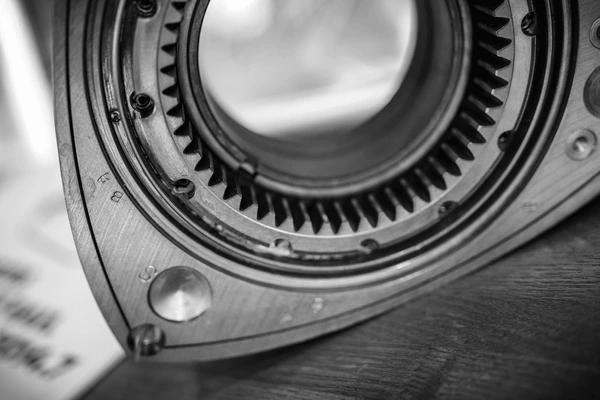
The 13B is a rotary engine developed by Mazda. The “13” refers to its 1.3-liter displacement, and the “B” indicates a specific variant within the Wankel rotary engine family. Unlike traditional piston engines, rotary engines use a triangular rotor that spins inside an oval-like housing, offering unique power characteristics.
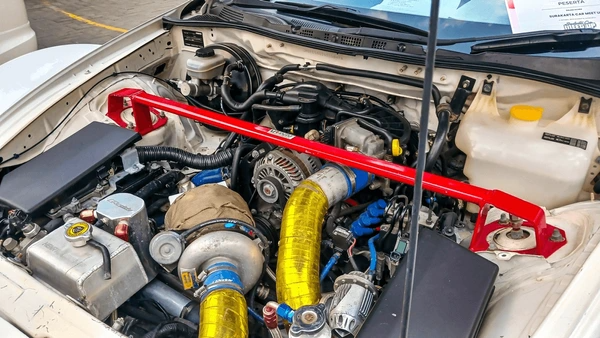
The 13B is famous for its smoothness, high-revving nature, and compact size. It can produce impressive power despite its small displacement. Over the years, it has powered several Mazda vehicles, including the RX-7 and RX-8.
Key Features
- Rotary Design:
The 13B uses a rotary design instead of the conventional piston system. This reduces friction and allows for a smoother, more efficient engine. - Compact and Lightweight:
Due to its design, the 13B is lighter and smaller than most piston engines. It is an ideal fit for sports cars and motorsports. - High RPM Capability:
The engine can reach high RPMs—up to 10,000 RPM or more in some variants. This contributes to its ability to deliver high power for its size. - Twin Rotor Configuration:
The 13B typically uses a twin-rotor configuration. Some variants, like the 13B-REW in the RX-7, include turbocharging for higher power output.
Performance and Power Output
- Naturally Aspirated 13B:
In its naturally aspirated form, the 13B produces around 135 to 160 horsepower and 130 to 140 lb-ft of torque. This performance is ideal for lightweight sports cars. - Turbocharged 13B (13B-REW):
The 13B-REW, found in the turbocharged RX-7, delivers 200 to 280 horsepower. The added turbocharging improves acceleration and top speed.
Applications of the 13B Engine
💡 Curious about the applications of the 13B engine? Eureka Technical Q&A provides expert insights into the versatile uses of the 13B engine, from automotive performance to industrial applications, helping you understand its capabilities and find the best fit for your projects.

The 13B engine has been used in several Mazda vehicles and in motorsport.
- Mazda RX-7:
The Mazda RX-7 is one of the most famous cars to use the 13B engine. It was used in all four generations, from the SA to the FD, with both naturally aspirated and turbocharged versions. - Mazda RX-8:
The RX-8 also uses the 13B, specifically the 13B-MSP. This version was optimized for emissions and daily driving, offering smooth power delivery and good torque. - Motorsports:
The 13B is often used in drifting and time attack racing. Its lightweight design and high-revving nature make it ideal for these sports. Many racers tune the engine for even greater performance.
Reliability and Maintenance
The 13B is a reliable engine but requires careful maintenance to ensure longevity.
- Sealing Issues:
Rotary engines are known for rotor seal wear. This can cause compression loss, reducing engine performance over time. - Oil Consumption:
Rotary engines tend to consume oil faster than piston engines. Regular oil changes are crucial for maintaining performance. - Proper Tuning:
Like any high-performance engine, the 13B needs regular tuning. This ensures it runs smoothly and efficiently, especially when modified.
Legacy and Impact
The engine has left a lasting mark on both Mazda and the automotive world. Its high-revving nature and distinctive sound have made it a fan favorite. The Mazda RX-7, powered by the 13B, has become a symbol of 1990s sports cars.
Even after Mazda moved to conventional piston engines, the rotary engine’s legacy continues. Many enthusiasts still modify and race cars with the 13B, preserving its place in automotive history.
Conclusion
The 13B engine stands as a testament to Mazda’s engineering innovation. It combines unique design with high performance, making it a favorite among enthusiasts. While it requires careful maintenance, the 13B remains one of the most beloved engines in automotive history.
FAQs
- Why is the 13B engine special?
The 13B engine’s rotary design and high-revving capabilities make it unique. Its compact size and smooth performance also set it apart. - How long does the 13B engine last?
With proper care, the 13B engine can last many years. However, rotor seals may need replacement over time. - What cars use the 13B engine?
The Mazda RX-7 and Mazda RX-8 are the most notable cars powered by the 13B. - Can the 13B be turbocharged?
Yes, the 13B can be turbocharged, and the 13B-REW variant in the RX-7 is a prime example of this.
To get detailed scientific explanations of the 13B engine, try Patsnap Eureka.
