


Wave propagation is a fundamental concept in physics that plays a crucial role in numerous scientific and engineering fields. From communications to seismology, understanding how waves travel through different media is vital for optimizing technologies and predicting natural phenomena. This article will explore the types of wave propagation, the principles behind wave motion, and its applications in modern technology.
Understanding Wave Propagation and Its Types
To fully grasp Wave travel, it’s essential to first understand the two main types of waves: mechanical and electromagnetic.
Mechanical Waves:
Mechanical waves require a medium to propagate. They include:
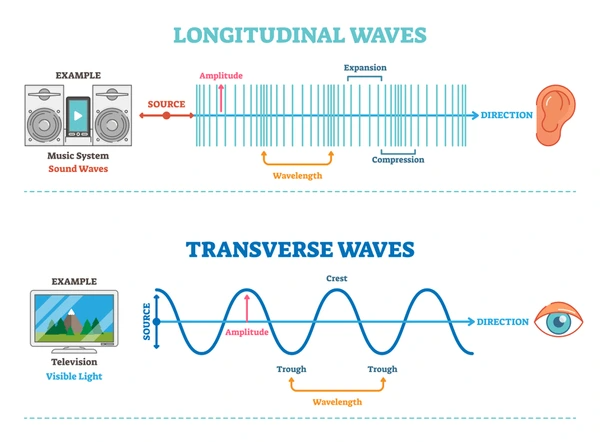
- Transverse Waves: Particles move perpendicular to the direction of the wave, such as in water waves.
- Longitudinal Waves: The wave motion is parallel to the direction of propagation, such as sound waves.
Electromagnetic Waves:
Electromagnetic waves, such as light and radio waves, don’t require a medium to travel. These waves can propagate through a vacuum, making them essential for communication technologies.
Key Characteristics :
- Frequency: Determines the wave’s energy and type of interaction with the medium.
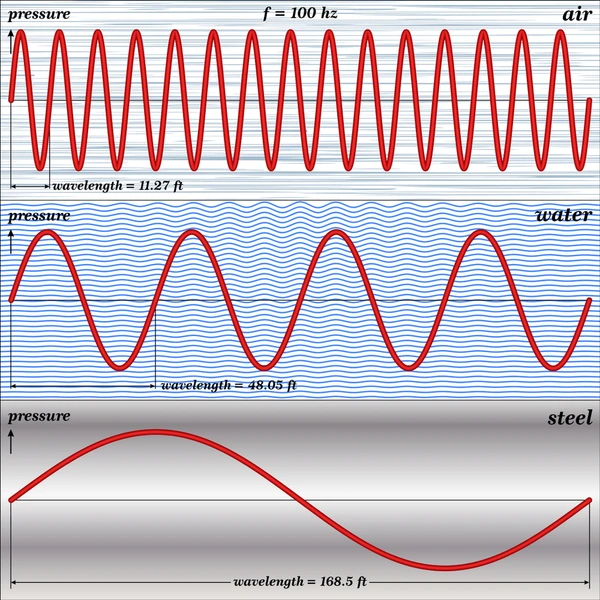
- Wavelength: The distance between two successive points in a wave.
- Amplitude: The height of the wave, related to the energy it carries.
- Velocity: The speed at which the wave travels through a medium.
Principles Behind Wave Propagation
Reflection:
When a wave encounters a boundary, part of it bounces back. This principle is key in technologies like radar and sonar systems, which rely on the reflection of waves to detect objects.
Refraction:
Waves change direction when they pass from one medium to another with different densities. This principle is crucial in optical communication systems and radio Wave travel.
Diffraction:
Waves spread out when passing through openings or around obstacles. This effect is important in the design of antennas and the propagation of sound waves in crowded environments.
Absorption:
Some energy in the wave is absorbed by the medium, affecting the wave’s strength as it travels. Seismic waves, for example, are absorbed by various earth layers, which can impact their detection and analysis.
💡 Looking to deepen your understanding of wave propagation? Eureka Technical Q&A provides clear explanations of the principles behind wave behavior, helping you grasp concepts like frequency, wavelength, and speed to enhance your knowledge of this fundamental physics topic.

Wave Propagation in Communication Systems
Wave travel plays a critical role in modern communication systems, including radio broadcasting, Wi-Fi networks, and satellite communications.
Radio Waves and Wireless Communication:
Radio waves are electromagnetic waves used for transmitting data over long distances. Understanding how radio waves propagate through different mediums allows engineers to design more reliable communication networks.
Satellite Communication:
Satellite communication systems rely on the propagation of electromagnetic waves through space. These systems must account for various factors like atmospheric interference and signal reflection from the Earth’s surface.
Applications in Seismology and Earthquake Monitoring
In seismology, Wave spread helps scientists understand and predict seismic events. Seismic waves, which propagate through the Earth’s crust, provide valuable insights into the Earth’s structure and can help forecast earthquakes.
Types of Seismic Waves:
- Primary Waves (P-waves): Travel through both solids and liquids, providing the first indication of an earthquake.
- Secondary Waves (S-waves): Only travel through solids, offering further information about the Earth’s composition.
- Surface Waves: Travel along the Earth’s surface, causing most of the damage during an earthquake.
Wave Propagation in Medical Technologies
Wave propagation also has critical applications in the medical field. Techniques such as ultrasound imaging and magnetic resonance imaging (MRI) rely on the principles of Wave spread to visualize internal body structures.
Ultrasound Imaging:
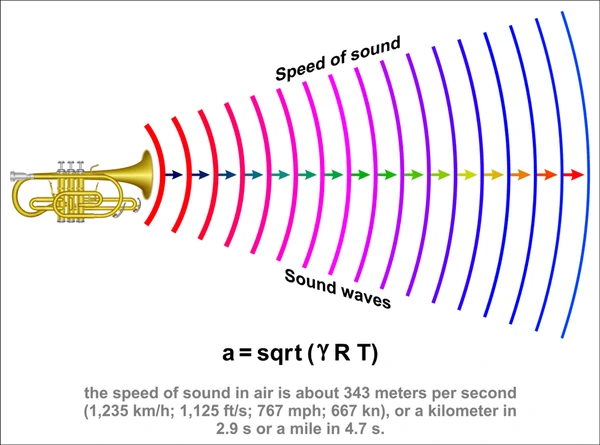
Ultrasound waves (high-frequency sound waves) propagate through the body to create real-time images of internal organs, making it a non-invasive diagnostic tool.
MRI:
MRI uses radio waves and magnetic fields to capture detailed images of tissues inside the body, helping doctors diagnose conditions with high accuracy.
Challenges and Limitations of Wave Propagation
While wave propagation is essential in many fields, it does face challenges:
- Environmental Interference: Weather conditions, obstacles, and other environmental factors can affect waves. This often leads to signal degradation or loss.
- Energy Loss: In long-distance transmission, waves lose energy due to absorption and scattering. This reduces the communication system’s range.
- Signal Distortion: Obstacles can distort waves, causing signal loss or errors in interpretation. This impacts the quality of communication.
The Future of Wave Propagation in Technology
As technology advances, new methods are being explored to optimize wave propagation:
- 5G and Beyond: With the roll-out of 5G networks, engineers are developing innovative ways to enhance wave propagation in urban environments.
- Quantum Communication: Quantum technologies may revolutionize wave propagation, offering ultra-secure communication channels based on quantum entanglement.
- AI-Driven Analysis: AI algorithms are being used to predict and model wave behavior, optimizing networks and systems for better performance.
How Eureka by PatSnap Accelerates Innovation in Wave Propagation Research

What is Eureka by PatSnap?
Eureka by PatSnap is an AI-powered innovation intelligence platform designed to help researchers and R&D teams stay ahead of the curve by providing real-time insights into the latest advancements in wave propagation technologies. By analyzing global patent data, identifying emerging trends, and offering competitive intelligence, Eureka empowers teams to streamline their research and accelerate the development of cutting-edge solutions.
How Eureka Benefits Wave Propagation R&D
Eureka’s advanced capabilities are invaluable for those working in fields like telecommunications, seismic research, and medical imaging, where wave travel is critical. Here’s how Eureka can enhance your wave travel research:
- Patent Analysis: Eureka’s AI tools help identify the latest patents in wave travel technologies, enabling R&D teams to understand current trends and avoid redundancy in their work.
- Competitive Intelligence: By tracking competitor activities, Eureka allows organizations to benchmark their innovations against industry leaders, ensuring they are on the cutting edge of wave propagation research.
- Technology Roadmapping: Eureka helps teams understand emerging trends in wave movement across different industries, guiding the direction of future research and development.
For professionals working in fields such as telecommunications, seismic wave analysis, or medical imaging, Eureka by PatSnap is a powerful tool for accelerating research and fostering innovative breakthroughs in wave propagation.
Conclusion
Wave propagation is a fundamental phenomenon that influences many aspects of modern life, from communication systems and medical technologies to earthquake monitoring and environmental studies. Understanding the principles of Wave spread allows for the development of more efficient, reliable, and innovative technologies across various industries. As research continues to evolve, new breakthroughs in Signal propagation will lead to advancements in everything from wireless communication to healthcare.
FAQs
1️⃣ How does wave propagation impact wireless communication?
Wave propagation determines how radio waves travel, affecting signal strength and range. Understanding it allows engineers to design better communication systems.
2️⃣ What are the main types of seismic waves?
Seismic waves include Primary (P) waves, Secondary (S) waves, and Surface waves, each providing valuable information about the Earth’s structure.
3️⃣ Can wave propagation be affected by weather?
Yes, environmental factors such as temperature, humidity, and obstacles can interfere with wave propagation, causing signal degradation.
4️⃣ What’s the role of wave propagation in ultrasound imaging?
Ultrasound uses the propagation of high-frequency sound waves through the body to create images of internal organs and tissues.
5️⃣ How is Wave spread used in MRI?
MRI uses radio waves and magnetic fields to map and visualize internal structures in the body, providing crucial diagnostic information.
To get detailed scientific explanations of wave propagation, try Patsnap Eureka.
