


In a world driven by data, it’s easy to overlook the profound insights that come from human experience. Phenomenological research offers a powerful way to explore how individuals perceive, interpret, and make sense of their lived realities. Rooted in philosophy and refined in modern qualitative research, this approach seeks to understand the essence of experience itself. In this article, we explore the foundations, applications, and processes of phenomenological research—and how innovation platforms like PatSnap Eureka can enrich and accelerate this reflective journey.
What is Phenomenological Research?
Conducting phenomenological research? Patsnap Eureka guides you through formulating questions, analyzing lived experiences, and structuring findings—making your qualitative research more focused and impactful.

Phenomenological research is a qualitative methodology focused on uncovering the meaning of lived experiences. Rather than measuring behaviors or quantifying outcomes, it asks, “What is it like to experience this phenomenon?” Researchers aim to understand the subjective realities of individuals, exploring how consciousness connects with specific events, environments, or conditions.
Core Concepts:
- Lived Experiences: The central focus is the participant’s personal perspective and emotional world.
- Intentionality: Emphasizes that consciousness is always directed toward something—highlighting the relationship between the experiencer and the experience.
- Bracketing (Epoché): Researchers suspend their own judgments and biases to focus purely on the participant’s descriptions.
Applications of Phenomenological Research
Phenomenological methods are widely used in fields that value deep understanding of human emotions, decision-making, and social interaction:
- Healthcare: To understand patient experiences with chronic illness, surgery, or recovery.
- Education: To explore how students engage with learning environments, feedback, or new pedagogies.
- Psychology: To investigate feelings of anxiety, trauma, or identity formation from the first-person perspective.
- Business and UX Research: To assess user emotions and motivations behind product interaction and decision-making.
What are the Methods of Collecting Data for Phenomenological Designs?
Phenomenological research emphasizes the depth and richness of lived experience, and therefore prioritizes methods that elicit detailed personal narratives. Common data collection methods include:
- In-Depth Interviews: The most frequently used method, involving open-ended, one-on-one conversations that allow participants to describe their experiences in detail.
- Focus Groups: Group discussions guided by a moderator to uncover collective themes around a shared phenomenon.
- Written Narratives or Diaries: Participants provide written reflections, often over time, which capture evolving experiences and perceptions.
- Observations: Direct observation of individuals in context can supplement interview data, capturing non-verbal cues and environmental influences.
- Audio/Video Recordings: These can document spontaneous discussions, lived routines, or reflective activities and are later transcribed for thematic analysis.
Researchers often use multiple methods to triangulate data, deepening their understanding of how participants experience a phenomenon. These qualitative sources are rich in meaning and serve as the foundation for identifying significant statements and constructing themes.
Steps to Conduct Phenomenological Research with the Help of Eureka
1. Identify the Phenomenon
Start by clearly defining the specific experience or phenomenon you wish to explore. This could include complex emotional states, life-altering events, or shifts in everyday behavior. Frame the research question in a way that invites depth and reflection.
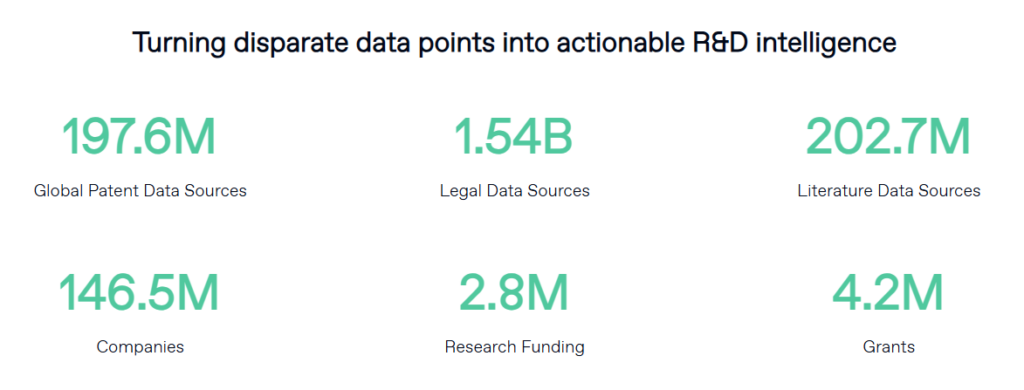
Patsnap Eureka enhances this step by enabling researchers to conduct a comprehensive literature review. With access to global databases of academic and patent data, users can ground their study in existing scholarship and emerging technologies.
2. Recruit Participants
Select individuals who have lived through the experience in question. Use purposeful sampling to identify participants who can offer diverse yet relevant perspectives. Ensure informed consent and ethical research standards are followed.
How Patsnap Eureka Helps: While the recruitment process remains largely manual, Eureka supports researchers in reviewing demographic patterns, experience types, and existing case studies that guide participant selection criteria.
3. Collect Data
Employ qualitative methods such as semi-structured interviews, focus groups, narrative journaling, or field observations to gather deep, descriptive data. Encourage participants to share their feelings, perceptions, and interpretations in rich detail.
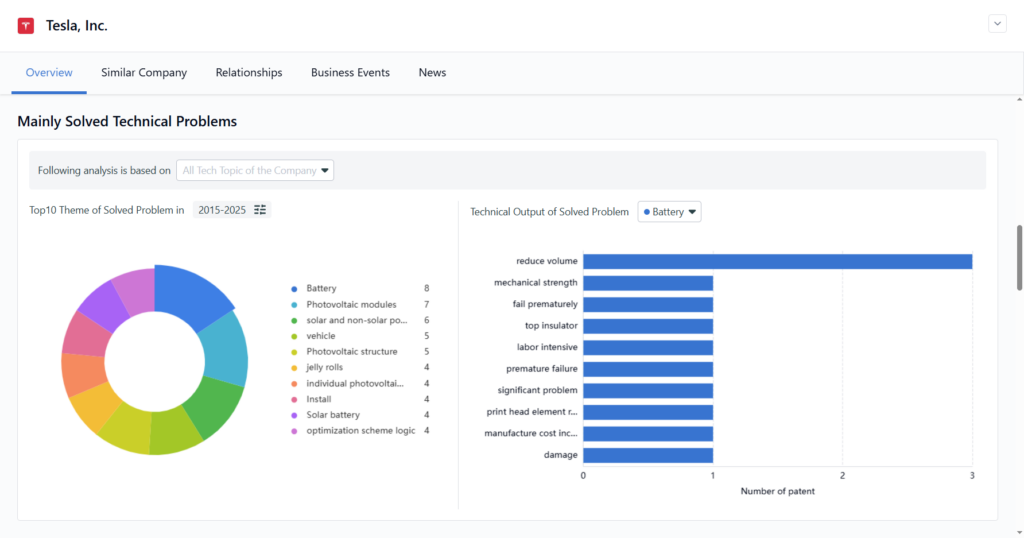
Patsnap Eureka allows researchers to cross-reference their data collection topics with similar prior studies and relevant innovations. It also assists in storing and tagging qualitative notes for easy retrieval and comparison.
4. Transcribe and Analyze
Transcribe interviews and field notes verbatim. Begin analysis by identifying significant statements and meaning units. Cluster these into emerging themes and patterns that describe how participants experience the phenomenon.
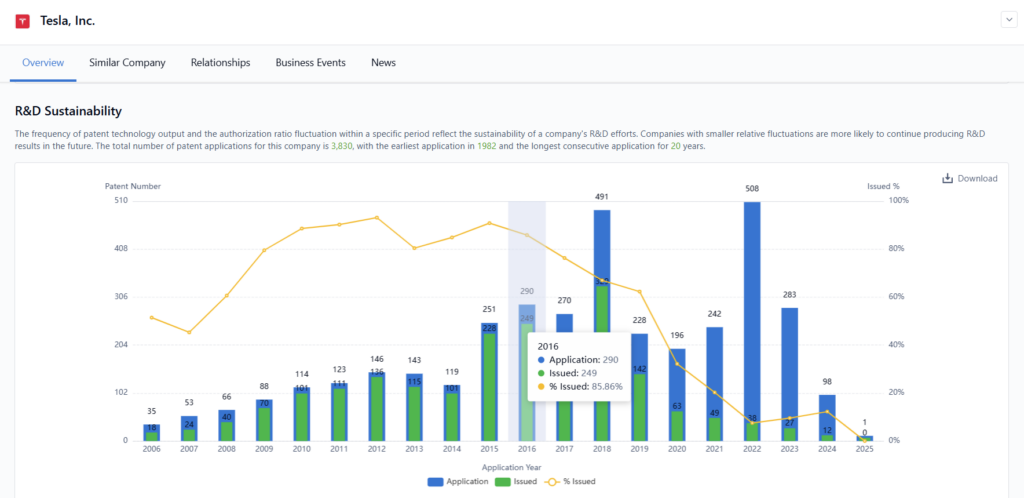
Patsnap Eureka’s AI capabilities assist in tagging, clustering, and thematically analyzing large bodies of qualitative data. Researchers save time and gain clarity by using automated tools to uncover hidden patterns and link insights across cases.
5. Synthesize Meaning
Develop a comprehensive description of the essence of the phenomenon based on the themes. This synthesis should capture both the individual and shared aspects of the experience, providing a holistic understanding.
With Patsnap Eureka’s reporting and visualization features, researchers can create clear, impactful summaries and visuals that encapsulate their findings. These can be easily shared with collaborators or used in publications and presentations.
6. Track Broader Trends and Validate Relevance
To ensure the research remains timely and actionable, connect findings to broader societal, technological, or behavioral trends. This final step situates the phenomenological study within a larger context.
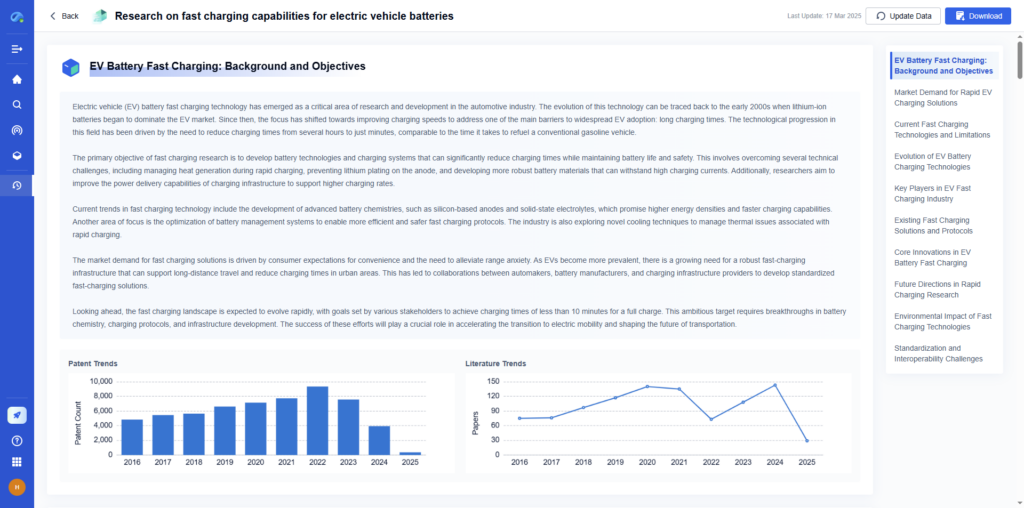
Patsnap Eureka’s real-time monitoring tracks trends in innovation, user behavior, and technology adoption, helping researchers ensure that their findings align with current developments and anticipate future relevance.

Conclusion
Phenomenological research provides a vital lens for understanding the depth of human experience, illuminating how people make sense of the world around them. From medicine and education to product design and mental health, this approach helps researchers grasp not just what people do—but how and why they feel, think, and act.
When combined with intelligent platforms like PatSnap Eureka, researchers can navigate the complexities of qualitative data more efficiently, validate their insights with contextual evidence, and turn rich narratives into actionable knowledge. In the age of AI and big data, phenomenology remains a crucial counterbalance—reminding us that the most powerful insights often begin with a single, lived experience.
To get detailed scientific explanations of Phenomenological Research, try Patsnap Eureka.
