


Introduction
When it comes to choosing the perfect display, OLED vs. LED is a debate between two top contenders, each offering unique advantages. OLED captivates with its stunning contrast, true-to-life colors, and sleek designs, while LED impresses with its brightness, durability, and affordability. But which one suits your needs best? This guide dives into the key differences of OLED vs. LED, helping you decide which display technology is right for you.
What is LED?
A Light Emitting Diode (LED) is a semiconductor device that converts electrical energy into light energy. The core of an LED is a semiconductor chip, typically made from materials such as gallium arsenide (GaAs), gallium phosphide (GaP), or gallium nitride (GaN). These materials form a p-n junction, which is crucial for the LED’s operation. When a forward voltage is applied, electrons and holes recombine at the junction, releasing energy in the form of photons, which is the light we see.
Components of an LED
- Semiconductor Chip: The semiconductor chip forms the heart of the LED, where the p-n junction generates light. Manufacturers mount this chip on a lead frame and encase it in epoxy resin to shield it from mechanical damage and environmental exposure.
- Electrodes: LEDs use two electrodes—an anode and a cathode—connected to the semiconductor chip. The anode connects to the power supply’s positive terminal, while the cathode links to the negative terminal, enabling the flow of current.
- Encapsulation: Transparent or diffused epoxy resin encapsulates the semiconductor chip and electrodes, providing protection and enhancing light extraction and distribution for better performance.
- Heat Sink: During operation, LEDs produce heat, which requires efficient management to preserve their performance and lifespan. Heat sinks, integrated into the LED package, dissipate heat effectively and ensure reliable operation.
What is OLED?
OLED, or Organic Light Emitting Diode, represents a significant advancement in display technology. This technology uses organic compounds to emit light when an electric current passes through them. OLED displays deliver superior image quality with higher contrast ratios, faster response times, and more vibrant colors than traditional LCDs, making them a top choice for modern screens.
Components of an OLED
- Substrate: This is the base layer, typically made of glass or plastic, providing structural support.
- Anode: A transparent layer that removes electrons (adds electron holes) when a current flows through the device.
- Organic Layers: These include the emissive layer, where light is generated, and the conductive layer, which helps transport electrons from the cathode.
- Cathode: This layer injects electrons into the device.
OLED vs. LED: Key Differences You Should Know
Performance Characteristics
OLEDs stand out for their high energy efficiency because they operate without a backlight, unlike LCDs. Each pixel in an OLED display emits its own light and can completely turn off to display true black. This feature significantly reduces energy consumption, especially in darker scenes, making OLEDs a power-efficient choice. LEDs, while also energy-efficient, generally consume more power than OLEDs due to the need for a backlight in LED-based LCDs.
Brightness and Contrast: OLEDs offer superior contrast ratios because they can achieve absolute blacks by turning off individual pixels. This results in an infinite contrast ratio and vibrant colors. LEDs, on the other hand, provide high brightness levels but struggle to achieve the same level of contrast due to the backlight bleeding through even in dark scenes.
Viewing Angles: OLED displays have wide viewing angles with minimal color distortion, making them ideal for applications where viewing from different angles is common. LED displays, particularly those using LCD technology, tend to have narrower viewing angles and can suffer from color and contrast shifts when viewed off-axis.
Response Time: OLEDs have faster response times compared to LEDs, making them suitable for high-speed video and gaming applications. The rapid response time of OLEDs reduces motion blur and provides a smoother visual experience.
Cost Consideration
When comparing the cost considerations between OLED (Organic Light-Emitting Diode) and LED (Light-Emitting Diode) technologies, several factors need to be evaluated, including manufacturing costs, material costs, operational costs, and overall performance.
1. Manufacturing Costs
OLED displays are generally more expensive to manufacture compared to LED displays. The primary reason is the complexity of the OLED production process, which involves multiple layers of organic materials and precise deposition techniques. OLEDs also require expensive rare-earth metals like iridium, platinum, and gold for their emitters, which significantly increases the cost. In contrast, LEDs use more common materials and simpler manufacturing processes, making them cheaper to produce.
For instance, the production cost of a 4K OLED display is approximately $950-$1000, whereas a 65-inch UHD MiniLED backlight display costs around $650-$700, making MiniLED displays 20% to 30% cheaper than OLEDs.
2. Material Costs
The cost of materials for OLEDs is higher due to the use of rare and expensive metals. Research is ongoing to find cheaper alternatives, such as using copper-based emitters instead of iridium or platinum. LEDs, on the other hand, use more abundant and less expensive materials, contributing to their lower overall cost.
3. Operational Costs
OLEDs are known for their lower power consumption compared to LEDs, especially at lower luminance levels. This is because OLEDs do not require a backlight and can emit light directly from each pixel, leading to higher energy efficiency. However, at higher luminance levels, μLEDs (a type of LED) can outperform OLEDs in terms of power efficiency.
Additionally, OLEDs have a shorter lifespan compared to LEDs. The typical lifespan of an OLED display is around 5000 hours, which is significantly lower than the 10000 hours or more for LED displays. This shorter lifespan can lead to higher replacement costs over time, making LEDs more cost-effective in the long run.
Application Scenarios
OLED:
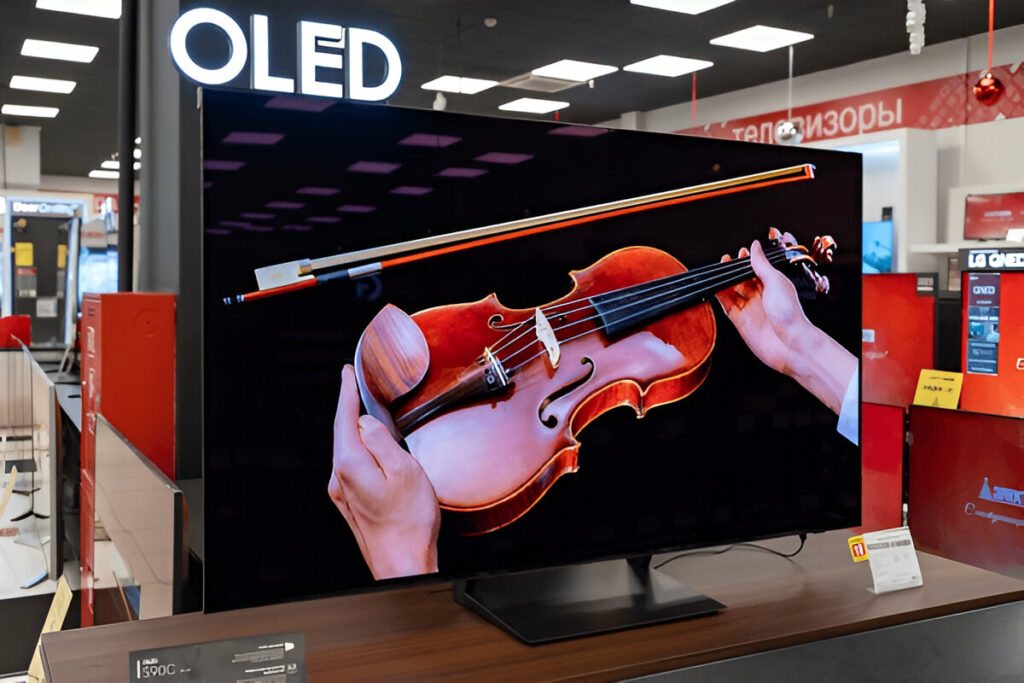
- Consumer Electronics: Smartphones, tablets, and high-end televisions benefit from OLED’s superior image quality and form factor flexibility.
- Wearable Devices: OLED’s thinness and flexibility make it ideal for smartwatches and other wearable technology.
- Automotive Displays: OLEDs are increasingly used in automotive displays for their high contrast and design flexibility.
LED:
- General Lighting: LEDs are widely used in general lighting applications due to their efficiency and long lifespan.
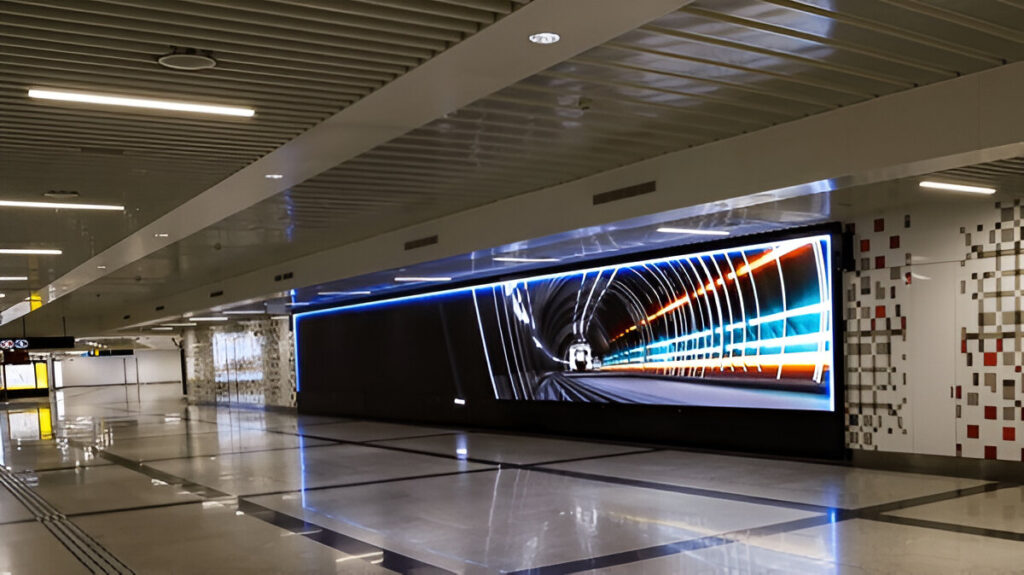
- Outdoor Displays: High brightness and durability make LEDs suitable for outdoor displays and signage.
- Industrial and Commercial Displays: LEDs are preferred in environments where long-term durability and high brightness are critical.
FAQ
Are OLED screens better for gaming than LED screens?
- OLED screens offer faster response times and better contrast, making them ideal for gaming, though they may be prone to burn-in with static images.
Which is better for bright rooms: OLED or LED?
- LED screens are generally better for bright rooms due to higher brightness levels.
Is OLED technology available in smartphones?
- Yes, many high-end smartphones use OLED displays for their superior image quality.
Can OLED screens suffer from burn-in?
- Yes, OLED screens can experience burn-in if static images are displayed for prolonged periods.
To get detailed scientific explanations of OLED vs. LED, try Patsnap Eureka.
