


Introduction to the LT1 Engine
The LT1 engine, developed by Chevrolet, holds an important place in automotive history, particularly within small-block V8 engines. First introduced in 1970, the LT1 was designed to meet the 5-liter displacement cap (305 cubic inches) for Trans-Am racing. It produced 290 horsepower and 290 lb-ft of torque from its 302 cubic inch displacement. With a cast-iron block, cross-drilled crankshaft, and heavy-duty connecting rods, this engine set the standard for high-performance capabilities in its class.
History and Evolution of the LT1 Engine
First Generation LT1 (1970-1972)
The first LT1 engine debuted in 1970 as part of GM’s Generation I Small-Block V8 series. Designed to compete in the Trans-Am racing series, it adhered to the 5-liter (305 ci) displacement cap. The engine delivered 290 horsepower and 290 lb-ft of torque from its 302 ci (5 liters) displacement, thanks to solid lifters and an aggressive camshaft. However, it was discontinued after 1972 due to new pollution control regulations.
Second Generation LT1 (1992-1997)
The second LT1 engine arrived in 1992 as part of GM’s Generation II Small-Block V8 series. It was initially developed for the C4 Corvette and featured a cast-iron engine block with a four-bolt configuration. The 1992 LT1 produced 300 horsepower, marking a significant increase in performance over previous models. Known for both high performance and efficiency, the second-generation LT1 became a favorite among enthusiasts.
Third Generation LT1 (2014-present)
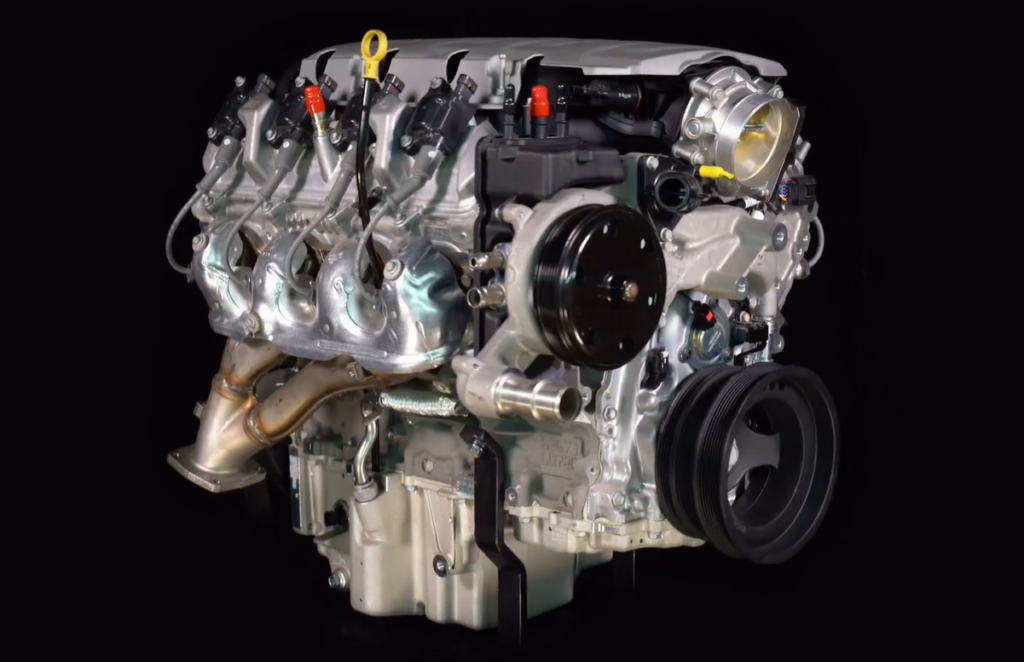
The third LT1 engine was introduced in 2014 for the seventh-generation Corvette. It belongs to GM’s fifth generation of small-block V8 engines, dating back to 1955. The 2014 LT1 displaces 6.2 liters and produces 450 horsepower, thanks to direct fuel injection and active fuel management. This modern engine combines fuel efficiency with performance, solidifying its place as a modern classic in the sports car world.
LT1 Engine Specifications and Features
- Small-Block V8 Design: The small-block V8 design is known for its durability and performance. It has powered numerous high-performance vehicles, proving its reliability over time.
- Use of Advanced Materials: This engine series incorporates advanced materials, like cast aluminum cylinder heads and forged steel components. These materials improve durability and maintain optimal performance.
- Optimized Camshaft Designs: Engine performance improves with optimized camshaft designs. The LT1 offers both solid lifter and hydraulic lifter configurations, catering to various performance needs.
- Advanced Fuel Injection Systems: Advanced fuel injection systems optimize both fuel efficiency and power. Early models use multi-port fuel injection, while later versions feature direct fuel injection for better performance.
- Focus on Weight Reduction: The engine design prioritizes weight reduction to enhance the power-to-weight ratio. This focus makes it especially suitable for high-performance applications, particularly in sports cars.
Performance Capabilities of the LT1 Engine
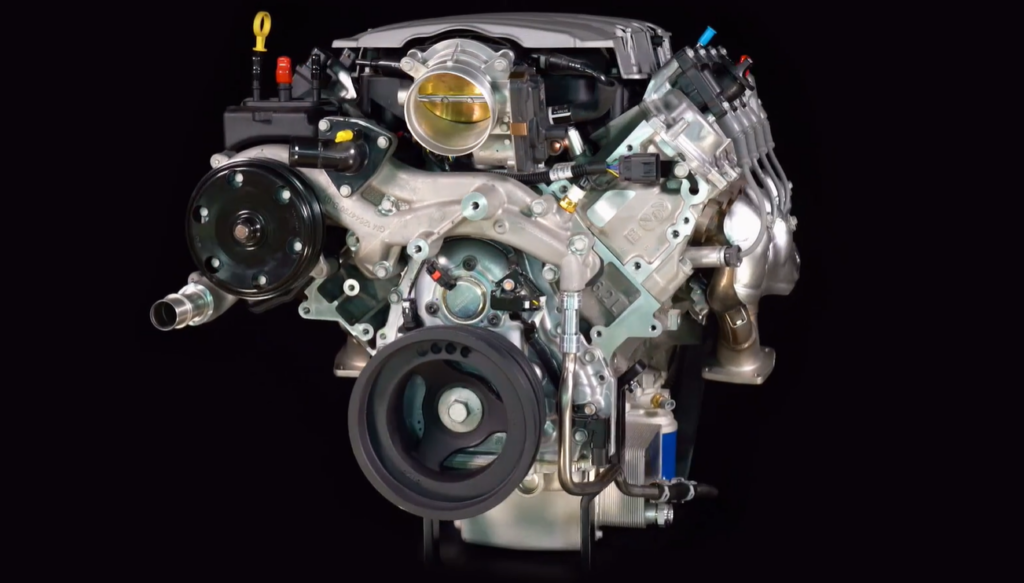
The LT1 engine generates about 700 horsepower in its naturally aspirated form, as seen in the Katech Ultimate 427. This power makes it a standout choice for high-performance applications.
Built as a V8, the LT1 delivers strong power and smooth operation. It’s commonly found in performance vehicles like the Chevrolet Corvette.
This engine incorporates advanced technology, such as direct fuel injection and variable valve timing. These features optimize both power and fuel efficiency, allowing the engine to perform at its best while maintaining solid fuel economy.
Applications of the LT1 Engine in Chevrolet Vehicles
- Modern Applications: The LT1 engine powers the sixth-generation Chevrolet Camaro, especially the Camaro SS, and the Corvette. These models highlight the engine’s versatility and ability to adapt to different vehicle types.
- Customization Options: Enthusiasts appreciate the LT1 for its strong performance. Many enhance it with custom upgrades, like an LT5 camshaft, to boost performance without changing the engine’s core specs.
- Wide Range of Applications: The LT1 engine powers not only sports cars like the Camaro and Corvette but also other Chevrolet models. This versatility highlights its ability to meet various performance needs across different vehicle types.
Application Cases
| Product/Project | Technical Outcomes | Application Scenarios |
|---|---|---|
| Chevrolet Corvette (1970-1972) | Introduced the LT1 engine, setting the foundation for high-performance applications. | Sports cars and high-performance vehicles. |
| Chevrolet Camaro SS (6th Gen) | Powerful and versatile LT1 engine, tailored for the Camaro SS platform. | Sports cars and muscle cars. |
| Chevrolet Corvette (6th Gen) | LT1 engine optimized for high-performance and customization in the Corvette. | High-end sports cars and enthusiast vehicles. |
LT1 Engine vs. LS Series: Key Differences
- Power Output: The LT1 typically delivers higher output due to its advanced technologies like direct injection and variable valve timing.
- Modifications: The LS series is more easily modified, which makes it a popular choice for custom builds.
- Flexibility: The LS series offers greater flexibility for tailored performance, appealing to enthusiasts who want to customize their engine.
- Advanced Features: While the LT1 focuses on efficiency and power with modern tech, the LS series prioritizes reliability and simplicity for easy modifications.
To get detailed scientific explanations of LT1 Engine, try Patsnap Eureka.
