


Overview of the Barra Engine
The Barra engine is a highly regarded series of inline-six (I6) engines developed by Ford Australia. Known for its reliability, impressive performance, and long lifespan, the Barra engine has become a favorite among enthusiasts and is widely recognized in the automotive industry. This article will explore the key features, performance, and legacy of the Barra engine, highlighting why it has become a standout in automotive engineering.
Barra Engine Generations: NA vs Turbo Models
Naturally Aspirated Models
- The Barra engine’s roots trace back to 1959 with the Thri Six pushrod engine.
- Over the years, it evolved, with the 3.3 and 4.1-liter versions in 1980 and the introduction of the single overhead cam (SOHC) design in 1998.
- The Barra 182 debuted in 2002 with a double overhead cam (DOHC) design, producing 244 horsepower, which was strong for its time.
- The Barra 190 came in 2005, increasing compression to 10.3:1 and boosting power to 255 horsepower.
Turbocharged Models
- Turbocharged Barra engines marked a significant performance increase, with forced induction pushing power up to 436 horsepower.
- These turbocharged models gained popularity among enthusiasts for their impressive output and high performance.
Key Differences
- Power Output: Turbocharged variants outperform naturally aspirated models with up to 436 horsepower compared to the naturally aspirated model’s 261 horsepower.
- Performance: Turbocharged versions offer superior power and acceleration, making them ideal for high-performance applications.
- Applications: Both engine types have powered several Ford models, including the Falcon, Fairmont, Fairlane, and Territory.
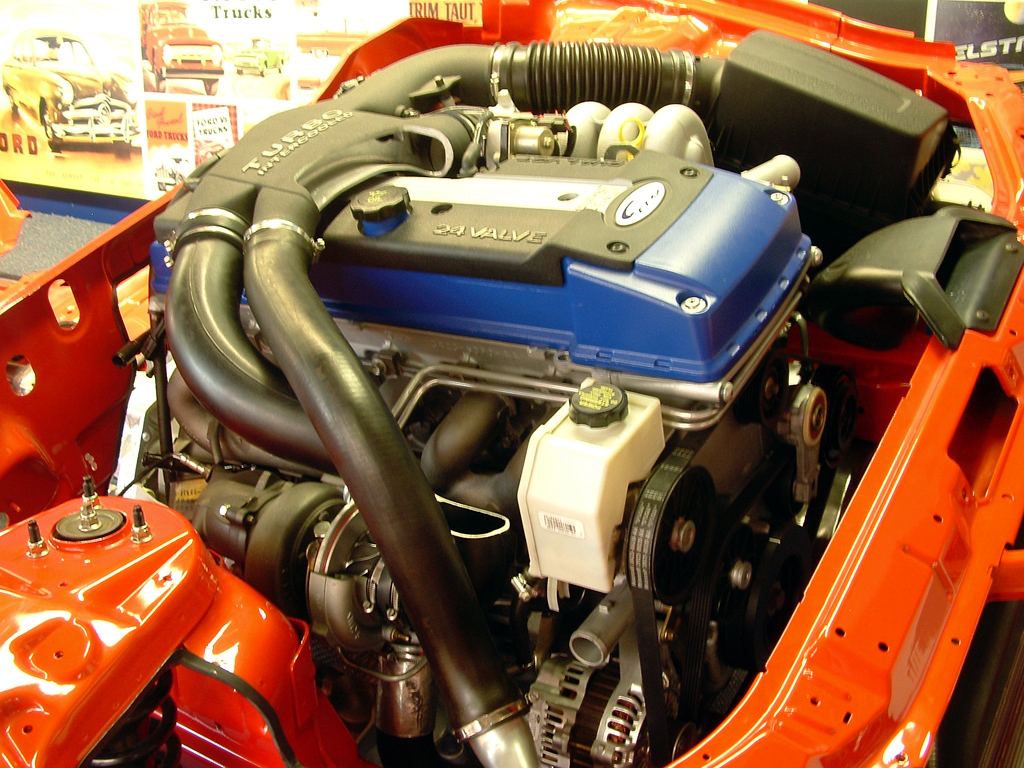
Comparing Barra to Other Inline-6 Engines
Power Output and Performance
The Ford 4.0L engine delivers impressive performance, especially in turbocharged variants, producing up to 436 horsepower. This makes it a strong competitor in the inline-6 category.
Other high-performance inline-6 engines, like the Nissan RB26 and Toyota 2JZ, are also notable. For example, the RB26 found in the Nissan Skyline GT-R produces 280 horsepower in stock form, with the potential to reach over 1000 horsepower when modified.
Reliability and Durability
The Ford 4.0L engine is known for its reliability and long lifespan. Many owners report over 300,000 miles without major issues, showcasing its durability.
Other engines, such as the AMC 4.0, are similarly reliable, often praised for their simplicity and ability to handle high mileage without problems.
Design and Engineering
The Ford 4.0L engine features a double overhead cam (DOHC) design, offering smooth operation and enhanced efficiency. This design is similar to high-performance inline-6 engines like the BMW M50, which is known for its balanced performance.
The design also allows for easier modifications, making it a favorite among car enthusiasts. Its flexibility sets it apart from other engines that may require more effort to modify.
Applications and Versatility
The Ford 4.0L engine has been used in a wide range of vehicles, including the Falcon, Fairmont, and Territory SUV. This broad usage highlights its versatility across different types of vehicles.
Similarly, engines like the Jaguar AJ6-S have been used in various high-performance and luxury models, showcasing their adaptability in multiple market segments.
Strengths and Weaknesses of the Barra Engine
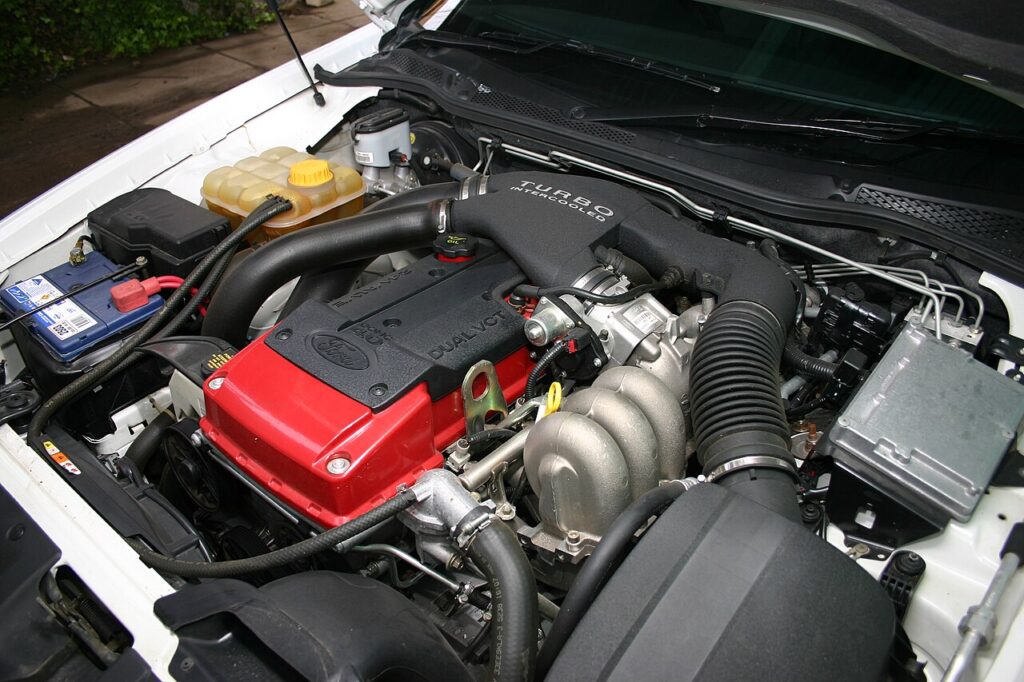
Strengths
- Power and Performance: The Barra engine is known for its impressive power output. It can reach up to 436 horsepower with forced induction, making it a popular choice for tuners. The engine’s robust design can handle substantial power upgrades, enhancing its appeal for performance enthusiasts.
- Reliability and Longevity: The engine is highly durable, often lasting over 250,000 miles with regular maintenance. Its reputation for reliability has made it one of the most trusted inline-6 engines available.
- Versatility: Its adaptable design allows it to fit various applications, from family sedans to SUVs. Conversion kits also make it compatible with different vehicle makes and models.
- Smooth Operation: Featuring a double overhead cam (DOHC) design and four valves per cylinder, the Barra offers smooth operation and efficient power delivery, making it a pleasure to drive.
- Aftermarket Support: The Barra engine enjoys significant aftermarket support, with numerous high-performance parts available for maintenance and upgrades. This makes it easy for owners to enhance the engine’s performance.
Weaknesses
- Early Reliability Issues: Earlier models had problems with valve springs and oil pump gears. Ford addressed these issues quickly, but they were notable during the initial release.
- Turbo Lag: Turbocharged versions of the Barra experience turbo lag, which can affect performance and driving dynamics, particularly in stock form.
- Size and Weight: The Barra is relatively tall, long, and heavy, which may pose challenges when used in smaller or lighter vehicles.
- Limited Availability: Since production has ended, finding new Barra engines or crate versions can be difficult. This limited availability may be an issue for those seeking a replacement or upgrade.
Tuning Potential and Aftermarket Support for Barra Engines
The Ford Barra, introduced in 2002, has earned a reputation for its tuning potential and strong aftermarket support. Originally designed for Ford Australia’s family sedans and wagons, it features a double overhead cam (DOHC) design with four valves per cylinder and electronic fuel injection. These design elements contribute to its smooth operation and efficiency.
Popularity in the Aftermarket Scene
The Barra engine is celebrated for its reliability and longevity. Its inline-six configuration has made it a favorite among the aftermarket community. Car enthusiasts use this engine not only in Ford vehicles but also in models from other brands, like Holden. This demonstrates its versatility and the strong support it enjoys from automotive enthusiasts.
Tuning Potential
The Barra engine stands out for its remarkable tuning potential. Starting with 182kW in the BA model, it can be turbocharged and modified to reach up to 325kW in the turbocharged FG XR6 Sprint variant. This showcases its ability to handle significant performance upgrades, making it a top choice for enthusiasts who love customizing their vehicles.
Applications: Ford Falcon and Other Vehicles
Performance and Racing Applications
The Barra engine is widely recognized in motorsports for its smoothness, power, and ability to handle high boost pressures. It excels in drag racing, where high power outputs are essential. For example, a Foxbody Ford Mustang with this engine has been showcased in drag racing, proving its capability in high-performance scenarios.
Conversion Kits and Custom Builds
The Barra engine offers excellent versatility, making it a popular choice for custom builds. For instance, enthusiasts use aftermarket conversion kits to swap the engine into vehicles like the Foxbody Mustang, allowing its use across various platforms.
Industrial and Non-Automotive Uses
The Barra engine’s robust design makes it suitable for non-automotive applications as well. It has found a place in generators sold to casinos, demonstrating its durability and reliability beyond just cars and trucks.
High-Performance Modifications
The Barra engine adapts well to high-performance modifications. Install racing camshafts for high RPM power and turbo setups that push the engine to 700 to 1000 horsepower with the right tuning.
To get detailed scientific explanations of Barra Engine, try Patsnap Eureka.
