


What Are Integrated Graphics?
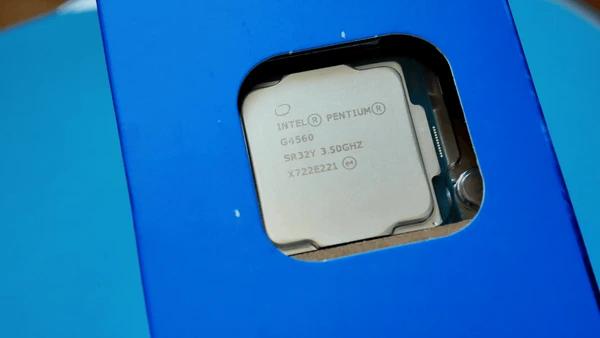
Integrated graphics (iGPUs) are built directly into the motherboard alongside the CPU. Unlike discrete GPUs, which are separate cards, iGPUs share memory with the CPU. These graphics processors offer basic performance without the need for a dedicated graphics card. In this article, we’ll explore how iGPUs work, their benefits, and limitations, so you can decide if they fit your needs.
Integrated Graphics vs. Dedicated Graphics: Key Differences
Definition and Design
Integrated GPUs: These graphics processors are built directly into the CPU or motherboard, sharing system memory. They are designed for basic graphics tasks and consume less power. You’ll find them ideal for everyday work, web browsing, and light gaming.
Dedicated GPUs: Known as discrete graphics cards, these are separate components installed in the PCIe slot. With their own dedicated video memory, they offer high-performance graphics, making them perfect for gaming, video editing, and demanding tasks.
Performance and Power Consumption
Integrated GPUs: While integrated GPUs offer lower performance due to shared resources, they consume much less power. This makes them great for battery-powered devices like laptops, where efficiency matters.
Dedicated GPUs: These cards deliver significantly better performance, handling complex tasks with ease. However, they consume more power, which can be a downside for portable devices but is acceptable in desktops and gaming systems.
Usage Scenarios
Integrated GPUs: These are a solid choice for everyday tasks, office work, and light gaming. They are commonly found in budget laptops, desktops, and mobile devices where space and power efficiency are essential.
Dedicated GPUs: If you’re into gaming, graphic design, or any graphics-intensive work, dedicated GPUs are the way to go. They shine in gaming PCs, workstations, and high-end laptops where superior graphics performance is needed.
Compatibility and Switching
Modern systems often support GPU switching to optimize performance and power usage. For instance, hybrid graphics mode allows the dedicated GPU to handle demanding tasks, while the integrated one manages lighter tasks. Some systems can automatically switch between GPUs based on workload, balancing performance with energy efficiency.
How Integrated Graphics Work
Architecture and Functionality: Integrated graphics provide basic graphics support for tasks like web browsing, office work, and streaming. They’re designed for power efficiency, making them ideal for low-power devices such as laptops and tablets. Typically, these graphics include a graphics core, a small amount of video memory (shared with system RAM), and execution units to handle graphics tasks.
Performance: While integrated graphics generally offer lower performance than discrete GPUs, recent advancements have boosted their capabilities. These improvements make integrated graphics suitable for more demanding tasks, though they remain better for everyday use than high-performance gaming or professional graphics work.
Benefits of Integrated Graphics for Everyday Use
Performance Optimization: Integrated graphics work closely with the CPU and RAM, optimizing data transfer speeds and system performance. This setup allows developers to create more complex applications, like games, delivering smoother and more realistic graphics.
Simplified Development: By combining the CPU, GPU, and RAM into a single SoC, the development process becomes easier. Developers no longer need to worry about communication and data transfer between components. This lets them focus on improving application functionality and performance.
Energy Efficiency: Integrated designs improve energy efficiency by allowing the CPU, GPU, and RAM to share the same physical memory. This reduces data transfer and energy costs, extending battery life in mobile devices, even under high-performance tasks.
Enhanced User Experience: The powerful hardware of integrated graphics ensures faster, smoother application performance. This enhances the user experience, providing better graphics, videos, and gaming, all without sacrificing system performance.
Cost-Effectiveness: Integrated graphics are more affordable than discrete graphics solutions. This cost-effectiveness makes them a popular choice for devices like PCs, phones, and tablets, offering strong performance without a high price tag.
Limitations of Integrated Graphics: When to Upgrade
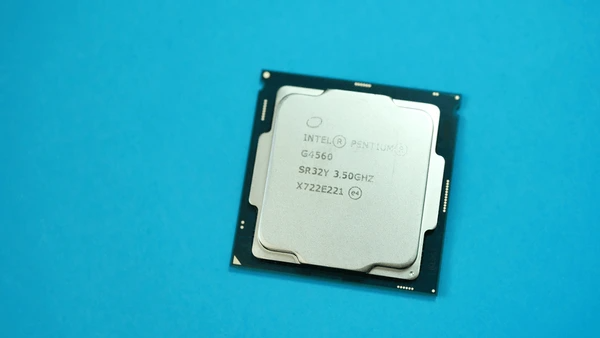
Performance Limitations: Integrated graphics aim to balance power and performance, which often results in lower capability compared to dedicated GPUs. They may struggle with resource-intensive tasks like gaming, video editing, and professional graphics work that need more processing power.
Programming Environment: Historically, GPUs were limited to graphics acceleration and multimedia applications. However, APIs like OpenCL and DirectCompute have expanded their use to general-purpose computing. Still, creating a seamless programming environment remains a challenge.
Parallel Computing Needs: Integrated graphics aren’t ideal for tasks that require extensive parallel processing, a strength of dedicated GPUs. Applications that rely on data parallelism perform better on systems that combine CPUs and GPUs.
Memory and Scheduling Challenges: Systems with integrated graphics often face challenges with memory, scheduling, and quality of service (QoS). These issues are even more complex when combining the CPU and GPU for general computing tasks.
Power Consumption: Although integrated graphics are designed for low power use, they sacrifice performance for efficiency. Dedicated GPUs consume more power but deliver far better performance, crucial for demanding applications.
Applications of Integrated Graphics
Applications in Packaging Design
Integrated graphics can elevate packaging design by improving visual appeal and grabbing consumer attention. They make it easier to create fun, engaging designs that increase product attraction.
On-the-fly Auto-Tuning for Hybrid Parallelization
Integrated graphics allow for parallel processing between the CPU and GPU. However, balancing workloads between the two can be tricky due to their different characteristics. On-the-fly auto-tuning adjusts the load in real time, optimizing performance.
Graphics Processing Unit Architecture
A GPU with integrated graphics uses a multi-stage pipeline to process images efficiently. This design is perfect for handling complex tasks like 3D rendering. The GPU has a geometry processing unit for handling vertices and outputting texture-rich primitives. It also includes a rendering unit that performs fragment shading to generate the final image.
Graphics Systems with Integrated GPUs
In systems combining integrated and discrete GPUs, compression techniques help optimize data transfer between the two. This improves performance, especially in graphics-heavy tasks.
Application Cases
| Product/Project | Technical Outcomes | Application Scenarios |
|---|---|---|
| Packaging Design Cork College of Commerce | Integrated graphics enhance visual communication and attract consumer attention in packaging design. | Creating engaging and fun packaging designs to increase product appeal. |
| On-the-fly Auto-Tuning | Determines optimal load balancing between CPU and integrated GPU in real-time for hybrid parallelization. | Applications requiring efficient utilization of both CPU and GPU resources. |
| GPU Pipeline Architecture QUALCOMM, Inc. | Rearranged pipeline stages and shared arithmetic logic units (ALUs) for improved performance and efficiency. | Graphics-intensive applications requiring efficient image processing and rendering. |
| Graphic Processing System Samsung Electronics Co., Ltd. | Improved graphics processing performance through architectural enhancements. | Graphics-intensive applications requiring high-performance rendering. |
| Buffer Blit Compression NVIDIA Corp. | Leverages compression to reduce bandwidth and power consumption in buffer blitting operations. | Graphics systems with integrated and discrete GPUs, particularly in high-resolution displays. |
Latest Technical Innovations in Integrated Graphics
Here’s the revised version with your requests applied:
Evolution of GPU Architecture
Modern GPUs have evolved significantly, focusing on boosting parallel processing and arithmetic performance. With thousands of cores, they handle complex tasks like image processing, machine learning, and scientific simulations more efficiently than CPUs. This architecture excels at dividing tasks into smaller operations.
Programmability and General-Purpose Computing
A major advancement in GPUs is their increased programmability. Initially designed for graphics, they now support general-purpose computing (GPGPU). Tools like CUDA give developers direct access to the GPU’s architecture, allowing them to optimize algorithms for better performance.
Memory and Bandwidth Optimization
Recent GPUs offer higher memory capacities and faster bandwidth to handle large datasets and high-resolution graphics. Techniques like memory compression and advanced data transfer mechanisms help optimize memory usage and improve performance.
Specialized Hardware Features
Modern GPUs include dedicated units for tasks like transform and lighting, vital for rendering. They also feature double-precision floating-point units, making them ideal for scientific and engineering workloads.
Power Efficiency and Integration
Today’s GPUs prioritize power efficiency, making them perfect for mobile and embedded devices. Enhanced chip design and integration also lead to more compact and energy-efficient systems.
To get detailed scientific explanations of integrated graphics, try Patsnap Eureka.
