


What is an ECG Machine?
An ECG machine, also known as an electrocardiograph, is a medical device used to measure and record the electrical activity of the heart over a period of time. It works by detecting the small electrical changes produced by the heart’s muscles during each heartbeat, which are then displayed as a waveform or graph known as an electrocardiogram (ECG).
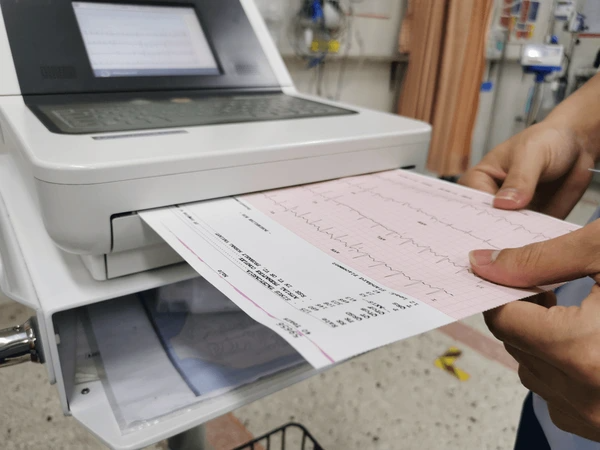
How Does an ECG Machine Work?
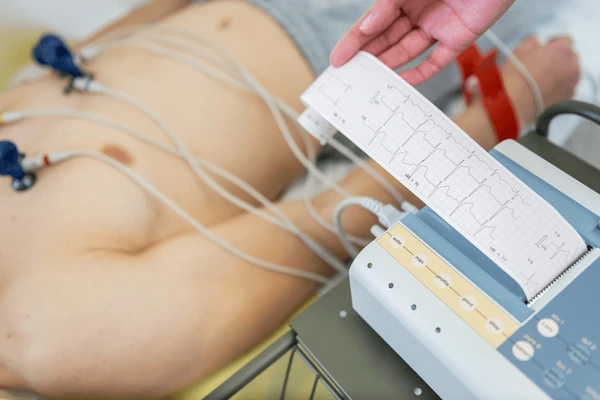
- Electrode Placement: Electrodes are placed on the skin at specific locations on the chest, arms, and legs. These electrodes detect the small electrical changes that occur in the skin due to the heart’s electrical activity.
- Signal Detection: The electrodes sense the electrical signals, which are then converted into an electrical signal by the electrodes6. These signals are generated by the depolarization and repolarization of the heart muscle cells during each heartbeat.
- Signal Processing: The detected signals are processed by the ECG machine, which amplifies and filters the signals to remove noise and interference. This is crucial for obtaining accurate readings.
- Signal Display: The processed signals are then displayed on a monitor as a waveform, known as an electrocardiogram (ECG). This waveform shows the electrical activity of the heart over time, allowing healthcare professionals to interpret the heart’s rhythm and identify any abnormalities.
- Data Analysis: The ECG machine can also perform real-time analysis of the heart signals, providing immediate feedback to healthcare professionals. This can help in diagnosing conditions such as arrhythmias, heart attacks, and other cardiac abnormalities.
Features of Modern ECG Machines
- Non-invasive: ECG machines are non-invasive, requiring only electrode placement on the skin, making them safe and comfortable for patients.
- Portability: Modern ECG machines are designed to be portable, allowing for use in various settings, including clinics, hospitals, and even at home.
- Accuracy and Sensitivity: Advanced ECG machines offer high accuracy and sensitivity, enabling the detection of even slight abnormalities in the heart’s electrical activity.
- Data Storage and Analysis: Many modern ECG machines can store and analyze data, providing insights into heart function and rhythm, aiding in the diagnosis of cardiac conditions.
- User-friendly Interface: ECG machines often come with user-friendly interfaces, making it easier for healthcare professionals to operate and interpret the results.
- Integration with Other Systems: Some ECG machines can integrate with other healthcare systems, enabling remote monitoring and data sharing.
Benefits of ECG Machines
- Early Detection of Conditions: ECGs can help detect heart-related conditions early, allowing for timely intervention.
- Guiding Treatment Decisions: Accurate readings can guide healthcare providers in making informed treatment decisions.
- Monitoring Progress: ECGs can be used to monitor the progression of heart conditions over time.
- Reducing Costs: Early detection and monitoring can reduce the overall cost of healthcare by preventing more severe complications.
Maintenance and Calibration
Maintenance Procedures
- Regular Calibration: Regular calibration of the ECG machine is essential to ensure accurate readings. This involves using calibration signals or phantom ECG signals to test the machine’s performance.
- Electrode Quality: Regularly checking and replacing electrodes is crucial to maintain signal quality. Electrodes should be cleaned and checked for proper contact with the skin.
- Software Updates: Keeping the machine’s software up to date can improve performance and add new features.
- Hardware Checks: Regularly inspecting the machine’s hardware components, such as the amplifier and processing units, can help identify and fix potential issues.
Calibration Methods
- Phantom ECG Signals: Phantom ECG signals are artificial signals generated to mimic real heart activity. These signals are used to test the machine’s ability to detect and process heart signals accurately.
- Standardization: Using standardized ECG signals or patterns can help in calibrating the machine to ensure consistency in readings.
- Comparative Testing: Comparing the machine’s readings with known standards or reference signals can help in identifying and correcting any discrepancies.
Challenges and Limitations
- Signal Interference: Electrical interference from other devices can affect signal quality, leading to inaccurate readings.
- User Error: Incorrect placement of electrodes can lead to poor signal quality and incorrect diagnoses.
- Calibration Issues: If not calibrated correctly, the machine may provide inaccurate readings, leading to misdiagnosis.
- Complexity of Interpretation: Despite advances, interpreting ECG readings still requires a high level of expertise, and even then, it may not capture sporadic or transient cardiac conditions.
- Cost and Accessibility: Advanced ECG machines can be expensive, limiting accessibility, especially in developing countries.
Applications of ECG Machine
Clinical Settings
- ECG machines are widely used in hospitals and clinics for diagnosing and monitoring heart conditions. They provide essential information about the electrical activity of the heart, which is crucial for diagnosing arrhythmias, ischemia, and other cardiac conditions.
- In emergency wards, ECG machines are used for rapid assessment and decision-making during cardiac emergencies, such as myocardial infarction.
Home Use
- There has been a development towards home-use ECG machines, particularly wireless and portable models. These devices allow patients to monitor their heart health at home, promoting early detection and management of cardiovascular conditions.
- A notable example is the home wireless electrocardiograph machine based on Internet technology, which uses dry electrodes and Bluetooth connectivity to upload ECG data to mobile phones for remote monitoring.
Rural and Public Health Settings
- In rural areas where access to advanced medical equipment is limited, low-cost ECG machines are essential. These machines are designed to be affordable and effective for use by healthcare practitioners in remote locations.
- Such machines often incorporate digital signal processing and filters to improve signal quality and noise removal, making them suitable for various clinical applications.
Specialized Medical Procedures
- In specialized procedures, ECG machines are used for electrophysiological testing and cardiac mapping. This involves using catheters with electrodes to gather detailed information about cardiac conduction and tissue characteristics, which is vital for procedures like radiofrequency ablation.
- These systems help in determining electrophysiological data and catheter orientation, which are critical for diagnosing and treating conditions such as atrial fibrillation and flutter.
Latest Technical Innovations in ECG Machine
Mobile Health (mHealth) Integration
- ECG machines are increasingly being integrated with mobile health platforms. This allows for real-time monitoring and remote data transmission to healthcare providers. For instance, some ECG machines use Bluetooth technology to send electrocardiogram data directly to mobile phones or servers for analysis.
Advanced Signal Processing Algorithms
- Modern ECG machines employ advanced signal processing algorithms to improve the accuracy of heart rate and rhythm analysis. These algorithms can filter out noise and artifacts, providing clearer and more reliable readings.
Wearable ECG Devices
- The development of wearable ECG devices has revolutionized continuous heart monitoring. These devices are small, lightweight, and can be worn on the body, allowing for long-term monitoring of cardiac activity.
Artificial Intelligence (AI) and Machine Learning
- AI and machine learning are being used to analyze ECG data for early detection of cardiac conditions. These technologies can identify patterns and anomalies that may not be apparent through traditional analysis methods.
Integration with Other Health Monitoring Systems
- ECG machines are being integrated with other health monitoring systems, such as blood pressure monitors and glucose meters, to provide a comprehensive view of a patient’s health status.
Miniaturization and Portability
- There has been a significant focus on miniaturizing ECG machines, making them more portable and suitable for use in various settings, including home care and emergency medical situations.
Wireless Communication Technologies
- The use of wireless communication technologies, such as Bluetooth and Wi-Fi, allows for seamless data transfer between ECG machines and electronic health records (EHR) systems, facilitating remote monitoring and data sharing among healthcare providers.
To get detailed scientific explanations of the ECG machine, try Patsnap Eureka.
