Preparation method of doping type fluorescent micron-nano fibers

A micro-nano-fiber, doping-type technology, applied in fiber processing, spinning solution preparation, fiber chemical characteristics, etc., can solve problems such as complex methods and large diameter of organic fluorescent fibers

CN101962818BInactive Publication Date: 2011-11-09HEILONGJIANG UNIV
4 Cites 0 Cited by

Patent Information

Authority / Receiving Office
CN · China
Patent Type
Patents(China)
Current Assignee / Owner
Publication Date
2011-11-09
Estimated Expiration
Not applicable · inactive patent

Smart Images

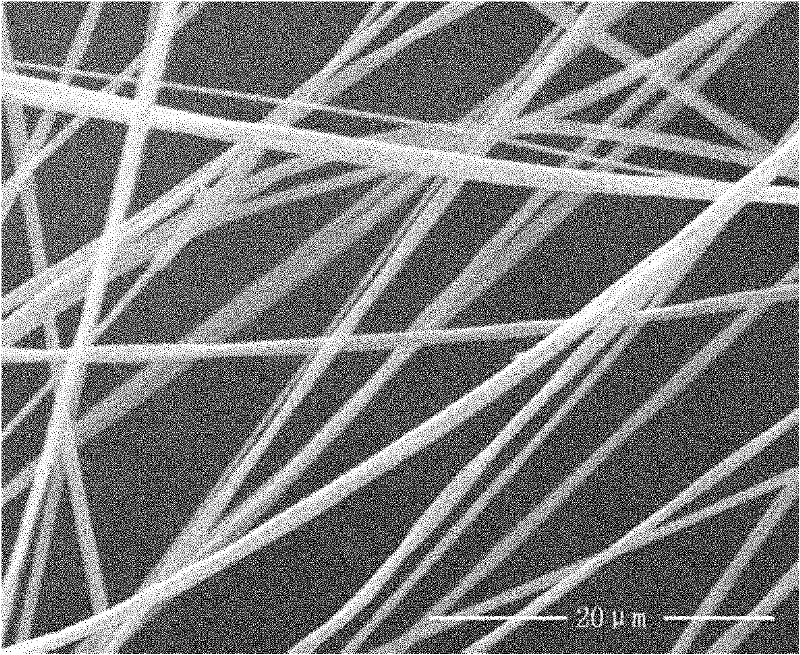
  • Figure 1
    Figure 1
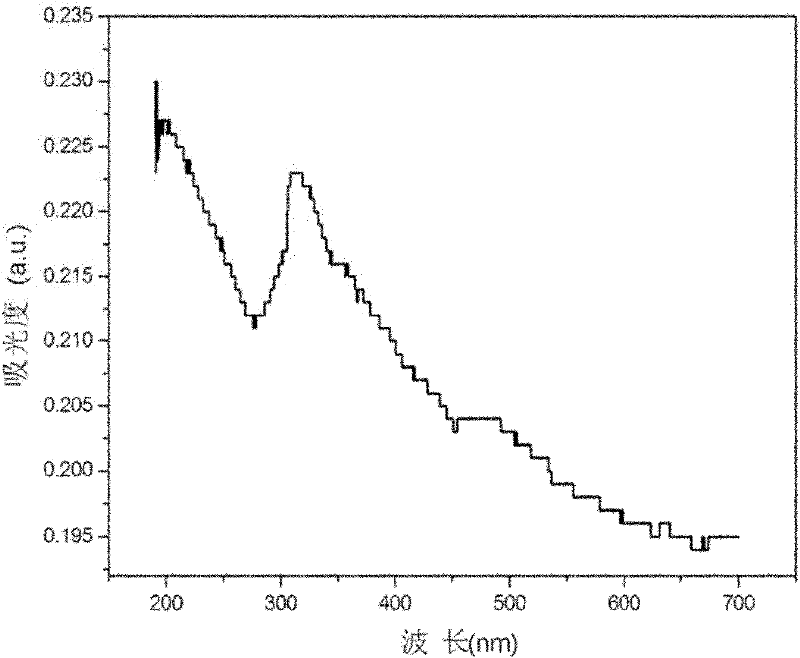
  • Figure 2
    Figure 2
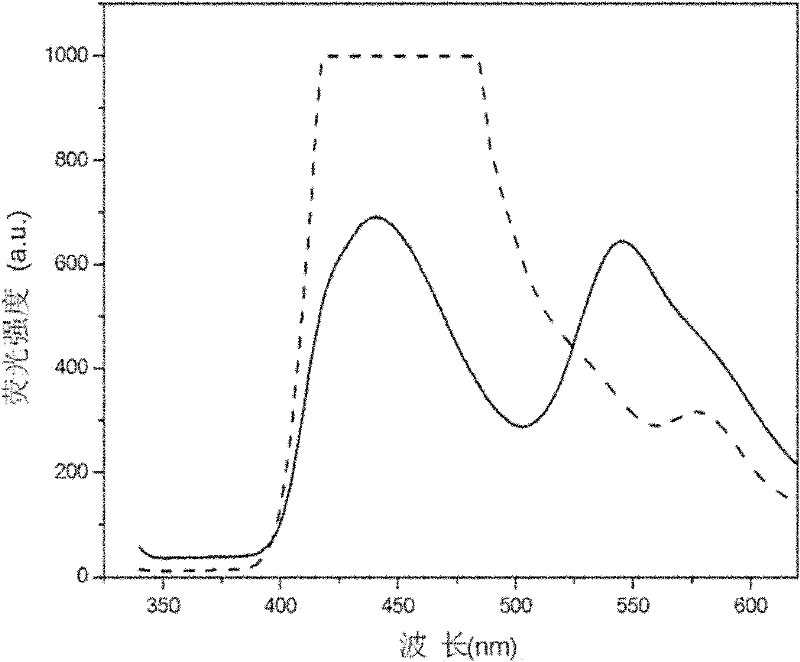
  • Figure 3
    Figure 3
Patent Text Reader

Abstract

The invention relates to a preparation method of doping type fluorescent micron-nano fibers, relating to a preparation method of fluorescent fibers and solving the problems of complex method realizing fluorescent light with different colors through the traditional organic fluorescent fibers of a monogenic dye, poor spectrum stability and short service life of physically blended organic fluorescent fibers and large diameters of the traditional organic fluorescent fibers. The preparation method of the doping type fluorescent micron-nano fibers comprises the following steps of: dissolving dialdehyde triphenylamine and poly [2-methoxyl-5(2'-ethylhexoxy) para-phenylacetylene] into a polymer solution according to different mass ratios; and then carrying out electrostatic spinning to obtain the doping type fluorescent micron-nano fibers. The doping type fluorescent micron-nano fibers have good fluorescence spectrum stability, long service life reaching two years and diameters of 10 nanometers-3 micrometers, and can be used in the life and highly technical fields of textile clothing, aviation, navigation, national defense industry, building decoration, transportation, night operation, daily life, amusement, leisure, optical-fiber communication, laser waveguide, and the like.
Need to check novelty before this filing date? Find Prior Art

Description

technical field

[0001] The invention relates to a preparation method of fluorescent fibers. Background technique

[0002] Fluorescent materials refer to substances that can fluoresce under various types of energy excitations. Fluorescent materials are widely used in waveguide laser emission and communication, bill anti-counterfeiting, screen display, clothing and textiles, information recording, optical computers, explosive sensors, biomolecular probes and many other high-tech fields. The fluorescence characteristics of fluorescent fibers are a very important index. Fluorescence characteristics include excitation wavelength, emission wavelength, characteristic peak, fluorescence intensity, fluorescence fastness and fluorescence stability of fluorescent materials. To meet the application purpose, the main focus is on fluorescence intensity , fluorescence fastness and fluorescence stability three indicators. Organic fluorescent fiber is a combination of organic fluorescent m...

Examples

specific Embodiment approach 1

[0012] Embodiment 1: The preparation method of the doped fluorescent micro-nano fiber of this embodiment is carried out according to the following steps: 1. According to the ratio of adding 10 mL to 15 mL of organic solvent to 1 g of polymer, weigh the polymer and organic solvent, and polymerize The compound is added into an organic solvent, and after dissolving, a polymer solution is obtained, wherein the polymer is one or a combination of polystyrene, polymethyl methacrylate, polycarbonate and polyacrylonitrile, and the organic solvent One or a combination of chloroform, N, N-dimethylformamide, N, N-dimethylacetamide, benzene, toluene, chlorobenzene, dichloroethane and tetrahydrofuran; two , take by weighing dialdehyde triphenylamine and poly[ 2-methoxy-5 (2'-ethylhexyloxy) p-phenylene vinylene], and added to the polymer solution prepared in step 1, stirred for 6h to 12h to obtain spinning solution, in which dialdehyde three The mass volume ratio of aniline and polymer solu...

specific Embodiment approach 2

[0016] Embodiment 2: This embodiment is different from Embodiment 1 in that: in step 1, 11 mL to 14 mL of organic solvent is added to 1 g of polymer. Others are the same as in the first embodiment.

specific Embodiment approach 3

[0017] Embodiment 3: The difference between this embodiment and Embodiment 1 or 2 is that 13 mL of organic solvent is added to 1 g of polymer in Step 1. Others are the same as in the first or second embodiment.