Non-homogeneous token implementation algorithm
A non-homogeneous and algorithmic technology, applied in the blockchain field, can solve the problem that the value cannot be measured by homogeneous tokens, and achieve the effect of improving practicability
- Summary
- Abstract
- Description
- Claims
- Application Information
AI Technical Summary
Problems solved by technology
Method used
Image

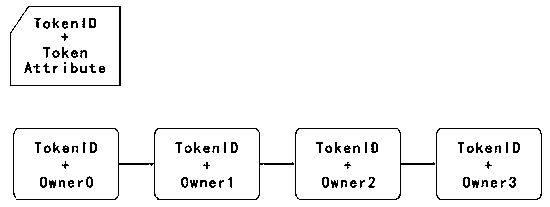
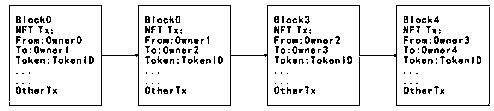
Examples
Embodiment 1
[0060] The present invention relates to an identification algorithm of non-homogeneous tokens on the block chain, in particular to another implementation method of the unique identification algorithm of the non-homogeneous tokens in the blockchain ledger based on the Ethereum ERC721 standard.
[0061] An implementation algorithm for non-homogeneous tokens, including asset class creation and asset creation, among which,
[0062] Asset class creation refers to defining a unique asset class for related non-homogeneous assets, for example, a certain manufacturer of home appliances, a certain company, and the category of a certain commodity (sweater), (wine), specifically, including the following step:
[0063] Asset class creation specifically includes the following steps:
[0064] (1) The asset creator initiates an asset category creation transaction, which carries the asset category name, the asset creator account ID, the public key and signature for verifying the identity of t...
Embodiment 2
[0084] On the basis of Example 1, when non-homogeneous assets need to do asset transfer transactions, the following steps are implemented:
[0085] (1) The asset owner initiates an asset transfer transaction, and the asset transfer transaction information includes TokenID, the unique ID of the physical object corresponding to the asset, the public key and signature for verifying the identity of the asset owner, the receiver of the asset transfer transaction, the attributes of the asset, and the owner of the asset After receiving the asset transfer transaction request, the system checks whether the asset of the TokenID exists and whether the status is valid, if yes, proceed to step (2), otherwise return failure;
[0086] (2) Check whether the asset owner is the initiator of the asset transfer transaction, if yes, proceed to step (3), otherwise return failure;
[0087] (3) Check whether the assets are allowed to be transferred, if yes, proceed to step (4), otherwise return to fa...
Embodiment 3
[0090] On the basis of Example 1, when non-homogeneous assets need to be destroyed, it can be realized through the following steps:
[0091] (1) The asset owner initiates an asset destruction transaction. The asset destruction transaction information includes TokenID, the unique ID of the physical object corresponding to the asset, the public key and signature for verifying the identity of the asset owner, the attributes of the asset, and the information of the asset owner. The system receives After the asset destruction transaction request, check whether the asset of the TokenID exists and the status is valid, if yes, proceed to step (2), otherwise return failure;
[0092] (2) Check whether the asset owner is the initiator of the asset destruction transaction, if yes, proceed to step (3), otherwise return failure;
[0093] (3) Check whether the asset is allowed to be destroyed, if yes, proceed to step (4), otherwise return failure;
[0094] (4) Check the properties of the as...
PUM
 Login to View More
 Abstract
Description
Claims
Application Information
 Login to View More
 - R&D
- Intellectual Property
- Life Sciences
- Materials
- Tech Scout
- Unparalleled Data Quality
- Higher Quality Content
- 60% Fewer Hallucinations
Browse by: Latest US Patents, China's latest patents, Technical Efficacy Thesaurus, Application Domain, Technology Topic, Popular Technical Reports.
© 2025 PatSnap. All rights reserved.Legal|Privacy policy|Modern Slavery Act Transparency Statement|Sitemap|About US| Contact US: help@patsnap.com