The average cup of coffee brewed at home, however, costs on average only 16 to 22 cents depending on how much you spend per pound to buy the coffee.
But there is a significant drawback that at-home coffee drinkers must face:
poor quality and taste (this can also be a significant problem at coffee shops).
Any variation from the agitation
infusion method, such as using water heated to a lower temperature or failing to utilize the gradual heating process and agitation (or any other variation), will result in the brewing process being unable to extract the very high percentage of oil from the grounds that can be extracted using agitated infusion.
During this time, the hot water will continue extracting oil from the coffee grounds to create a more robust brewed coffee, but the temperature of the water will decrease quickly and the process of extracting oil will be weakened as the temperature falls.
This saves the user the trouble of washing a carafe.
Because cold brewing uses water that is not heated, the process usually requires far longer to brew coffee than is required to brew hot coffee because cooler water less able to extract oil from coffee than hot water.
Unfortunately for consumers, all of the coffee brewing systems currently available are plagued by significant shortcomings that impair the quality of the coffee they produce or make the systems inconvenient for consumers and relatively expensive.
For most consumers today, the most significant problem of making Turkish coffee is the inconvenience of the brewing process.
In contrast, Turkish coffee requires multiple steps that are comparatively laborious.
Not only does this require work from the user, it also requires vigilance.
Aside from inconvenience, Turkish coffee also inheres several systemic problems for consumers.
For example, if the
consumer is not vigilant in the
water heating process the grounds can remain in boiling water for too long of a time resulting denatured coffee which can be very bitter Another potential problem is that consumers will pour the brewed coffee from the carafe before the coffee grounds have fully settled, which results in consumers drinking coffee grounds, which is undesirable.
As far as taste, the principal problem with Turkish Coffee is that the water used to extra oil from the grounds is generally heated to a medium-
hot temperature before the grounds are added or is heated for too long.
French Press systems suffer from the same convenience problems that plague Turkish coffee: the user must manually heat water, add grounds, and remain vigilant until the process is complete, and cleanup is inconvenient.
Because the size of the carafe is smaller, and the work and time involved to brew
French Press coffee, if a person has house guests (or otherwise needs to make coffee for more than one or two people), a
French press system will generally be undesirable.
Also
French Press coffee makers do not have heating elements to keep the brewed coffee hot.
French Press systems also fail to take
advantage of the infusion process.
Although infusing the grounds in water heated to 200+ degrees will extract more oil than lower temperature coffee brewing methods (such as drip systems and single-cup systems, see infra), failing to employ the infusion process that involves gradually raising the water's temperature and constant agitation means French Press systems will not extract the maximum amount of oil from the grounds, which means the brewed coffee will not be as robust in
flavor as it could be.
In addition, the water used to brew coffee using a French Press begins to immediately cool once it is removed from the heat source, which further reduces the ability of French Press systems to extract maximum oil from the coffee grounds.
For one, the user has to undergo the inconvenient process of separately heating water before coffee can be made.
Second, the heated water begins to cool as soon as it is removed from the heat, reducing the pour over method's ability to extract oil from the grounds.
In addition (and again like French Press), many pour over carafes hold a smaller volume of coffee and lack a
heating element (although some pour over carafes are specifically designed so that they may be placed on top of a stove to keep the coffee warm, but this remains a far cry from the heating elements included in some systems, such as those included in many drips).
The pour over method also lacks true agitation.
First, the
water temperature of most standard drip coffee makers is heated no higher than 170 degrees before it is sprayed over the coffee grounds.
This poses two problems.
First, by merely preheating water to 170 degrees and spraying it over grounds, drip systems fail to in any way take
advantage of the infusion process.
Second, water that is heated to 170 degrees is not hot enough to extract anywhere close to the maximum amount of oil from the coffee.
Further, the water begins to cool quickly after being sprayed on to the grounds, which further impairs the ability of most drip systems to extract oil from the grounds.
The second major problem with most drip coffee makers is the process by which they extract the coffee oil.
Besides dampening the coffee's
flavor, the inability of most drip systems to extract oil from all of the coffee grounds means that consumers are
wasting large amounts of money on coffee grounds that are never actually used to brew coffee.
For consumers that buy high quality beans, the day-in, day-out waste of “unused” grounds can equate to a significant amount of wasted income.
While this may be an improvement over the spraying and washing method, it is still less effective at extracting oil than the agitation and
infusion method disclosed herein.
In addition, the centrifugal processes do not employ the gradual heating process disclosed herein; the water in those systems is heated prior to circulating through the grounds.
And like other methods of brewing coffee, because the water is pre-heated to 192 degrees before inundating the grounds, single-cup brewing systems fail to utilize the gradual heating that is involved in the infusion process.
While this is often convenient, if a person has house guests or needs to make coffee for many, reliance solely on a single-cup
system can be inconvenient.
Finally, single-cup systems are generally considered bad for the environment because their use generates millions of used plastic pods that must be discarded.

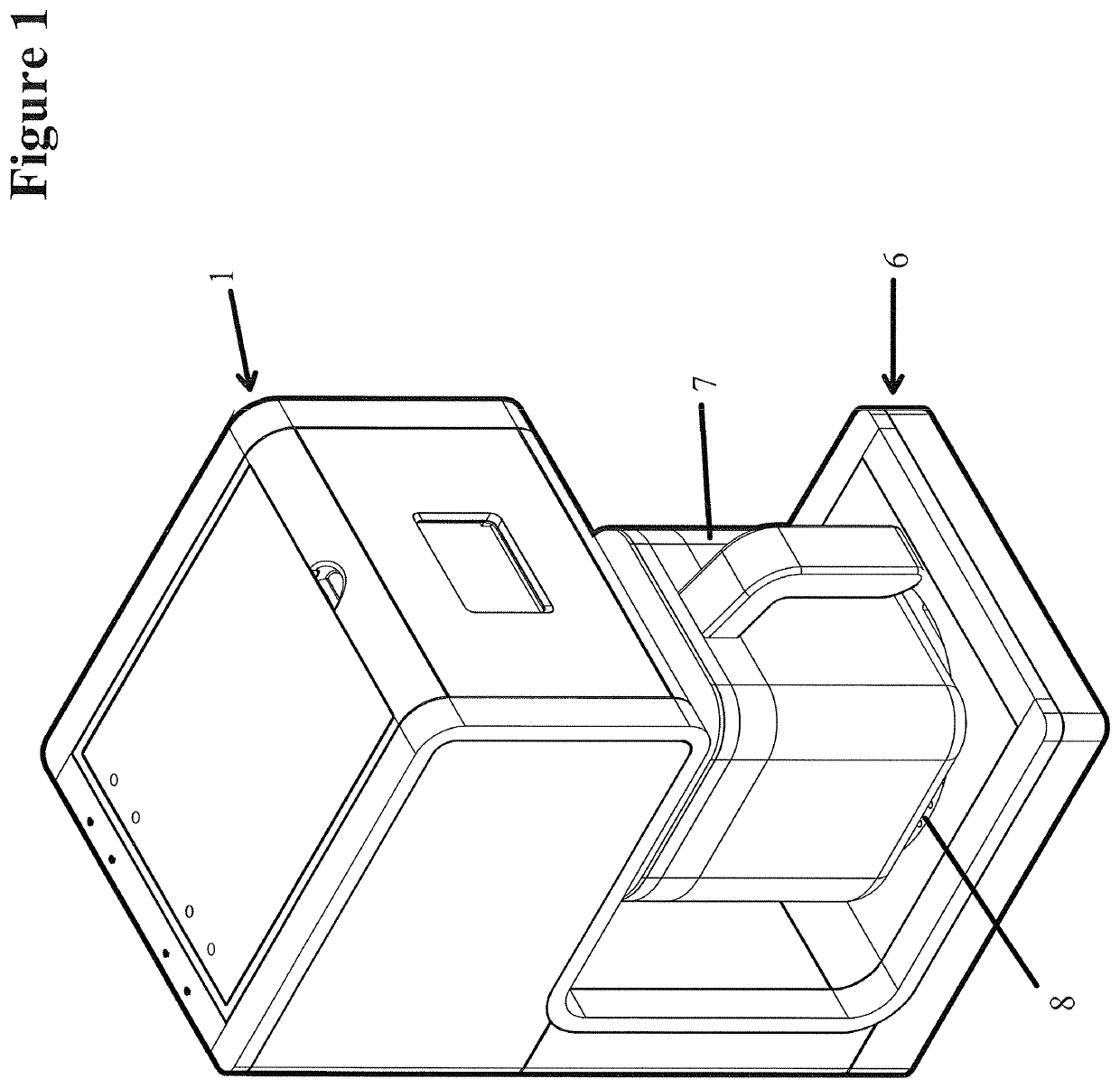
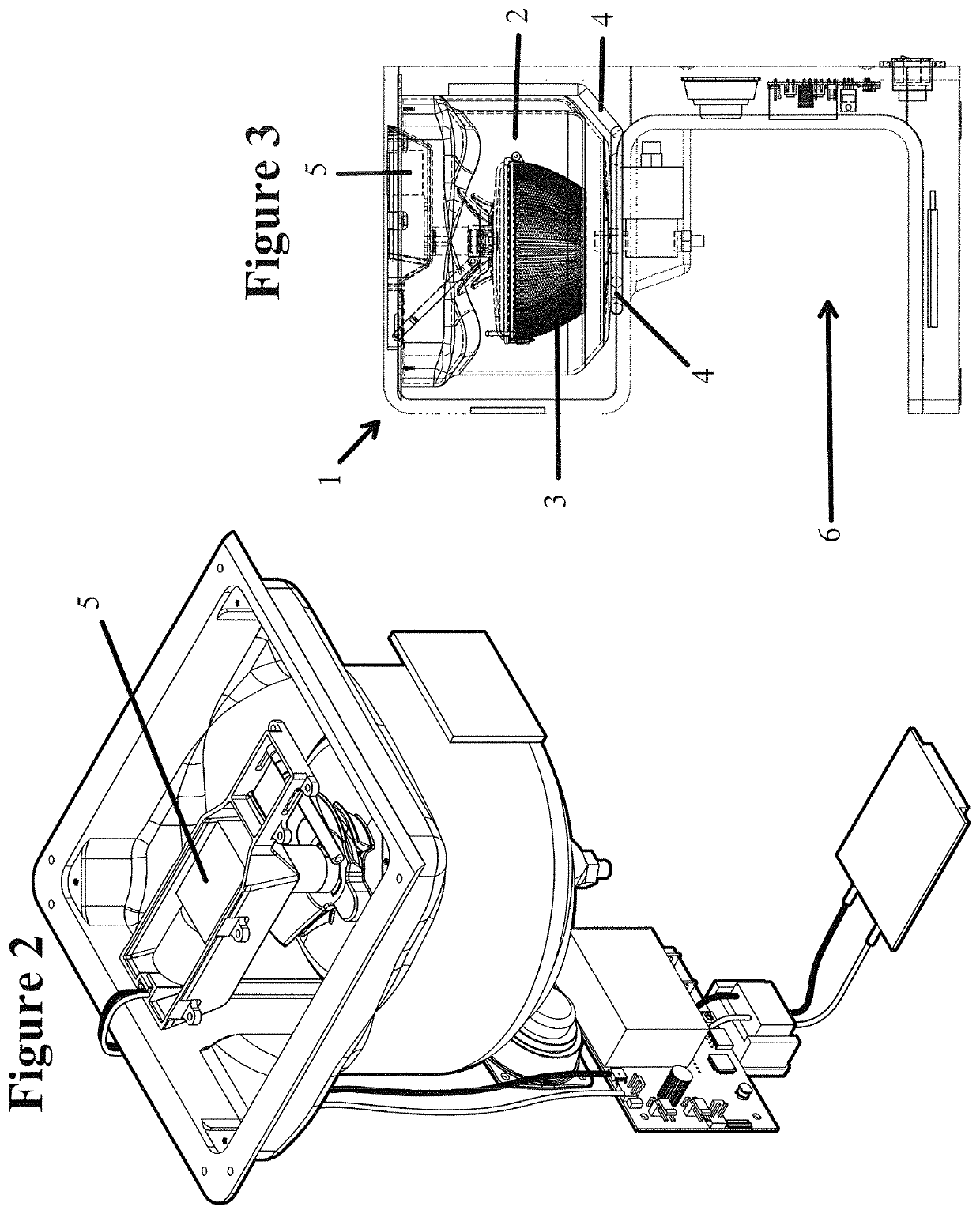
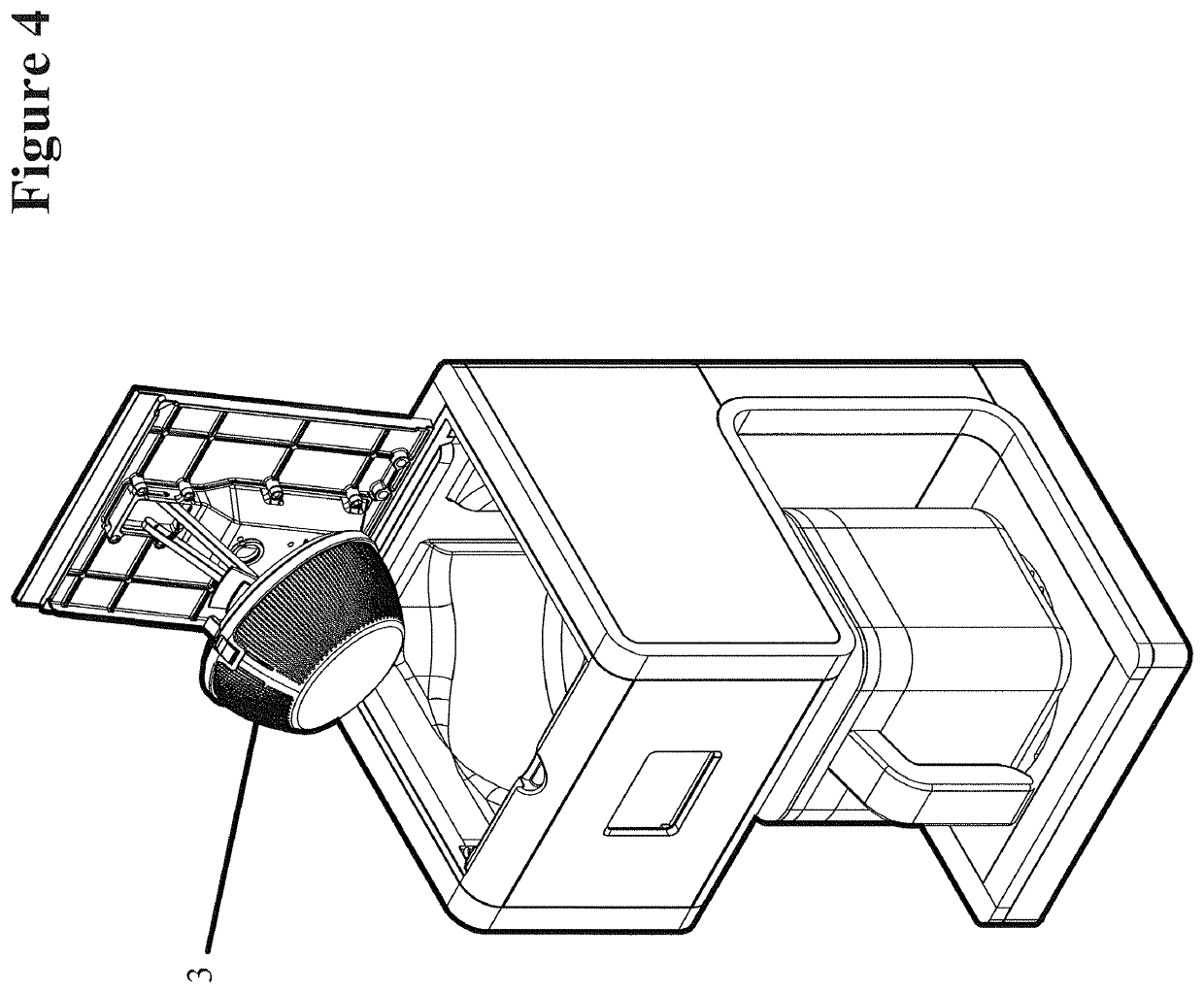
 Login to View More
  Login to View More