Two-axis inclinometer head of bed elevation alarm and method of operation

a two-axis inclinometer and alarm technology, applied in the field of medical devices, can solve the problems of high risk of aspiration and choking on secretions, high risk of choking on food, medicines or gastric contents of hospitalized bedridden patients, and difficult to achieve in practice, and achieves low power consumption and long battery life.

US20110234395A1Active Publication Date: 2011-09-29EGRESSION
35 Cites 20 Cited by

Patent Information

Authority / Receiving Office
US · United States
Current Assignee / Owner
Publication Date
2011-09-29

Smart Images

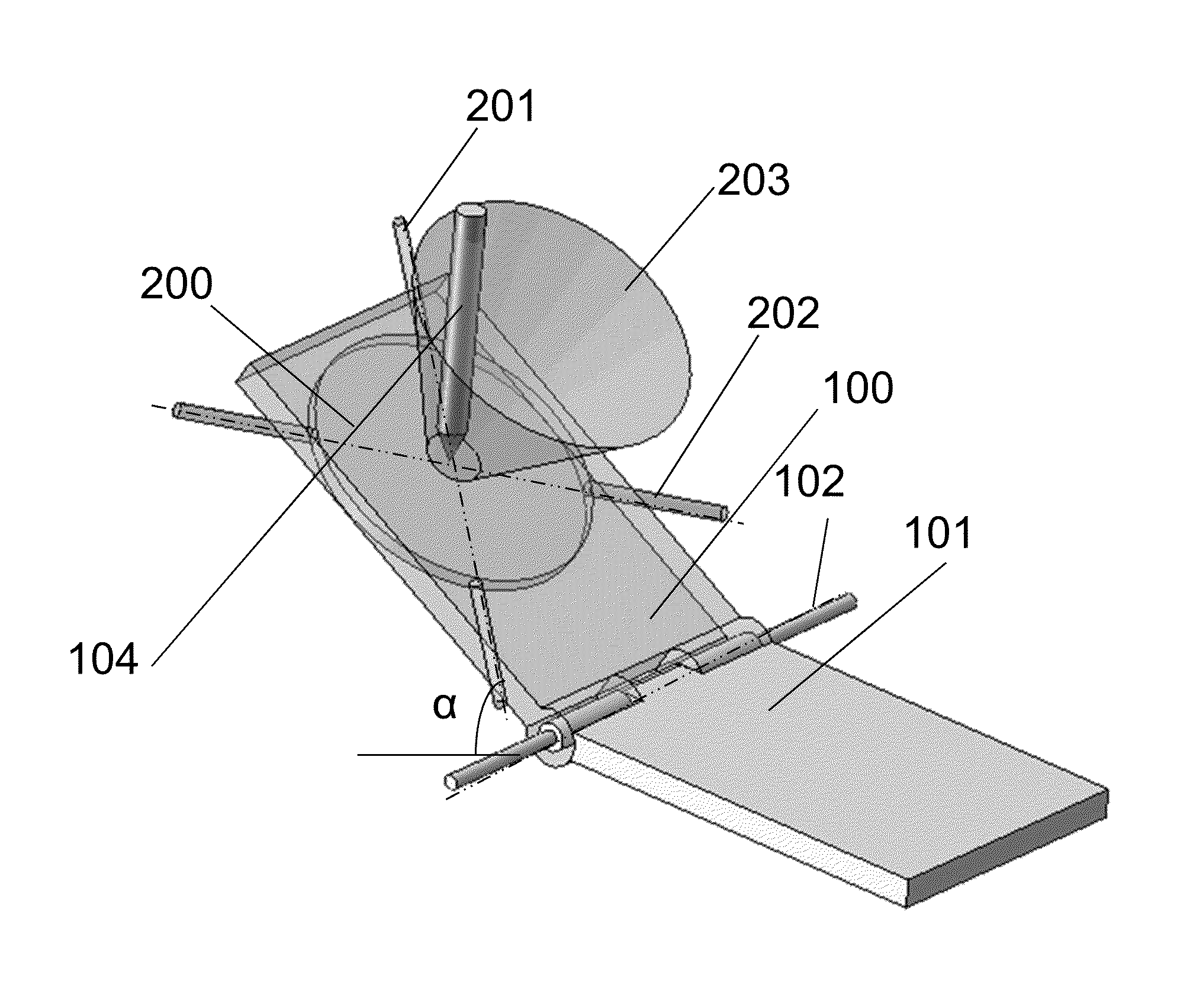
  • Figure 1
    Figure 1
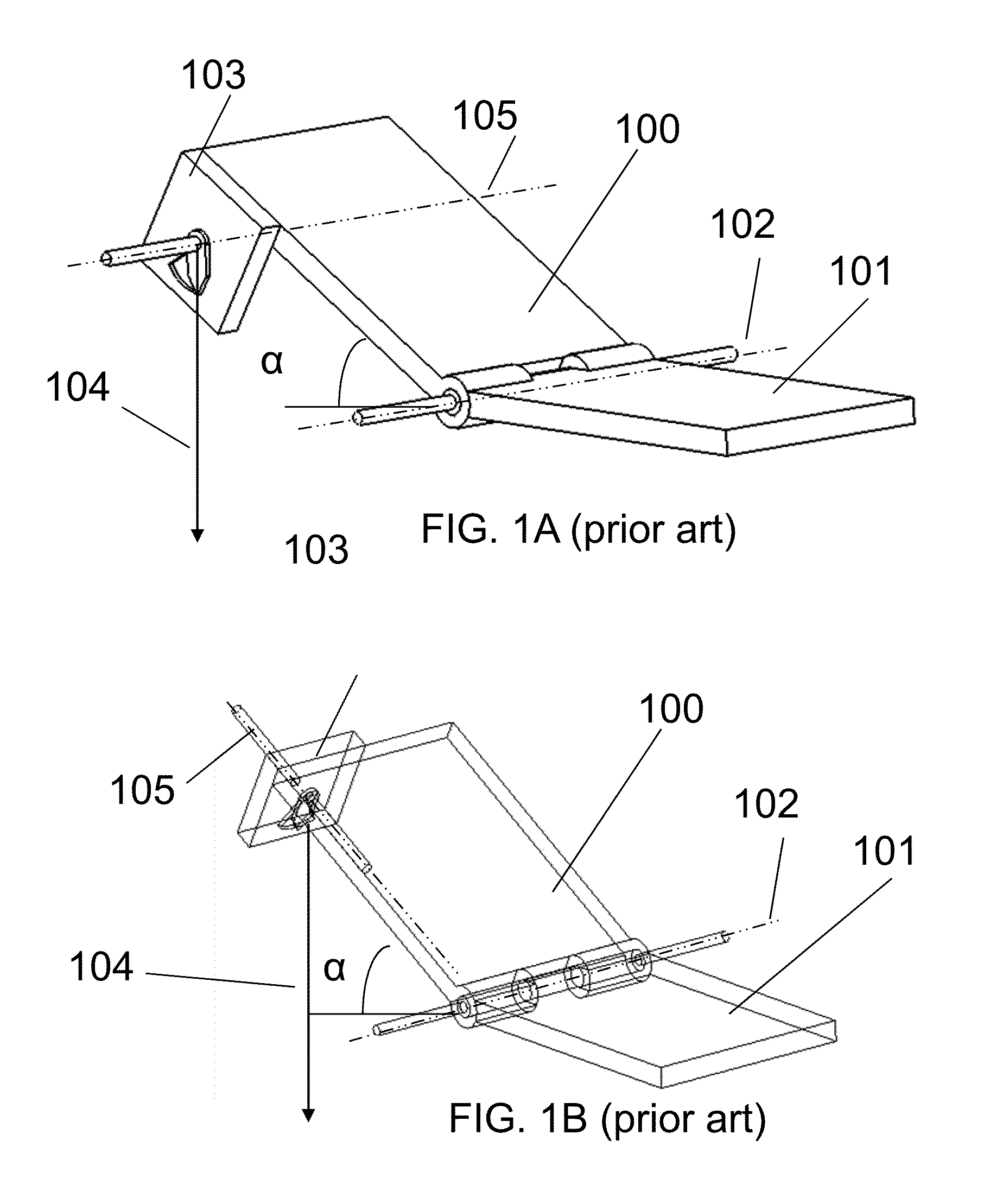
  • Figure 2
    Figure 2
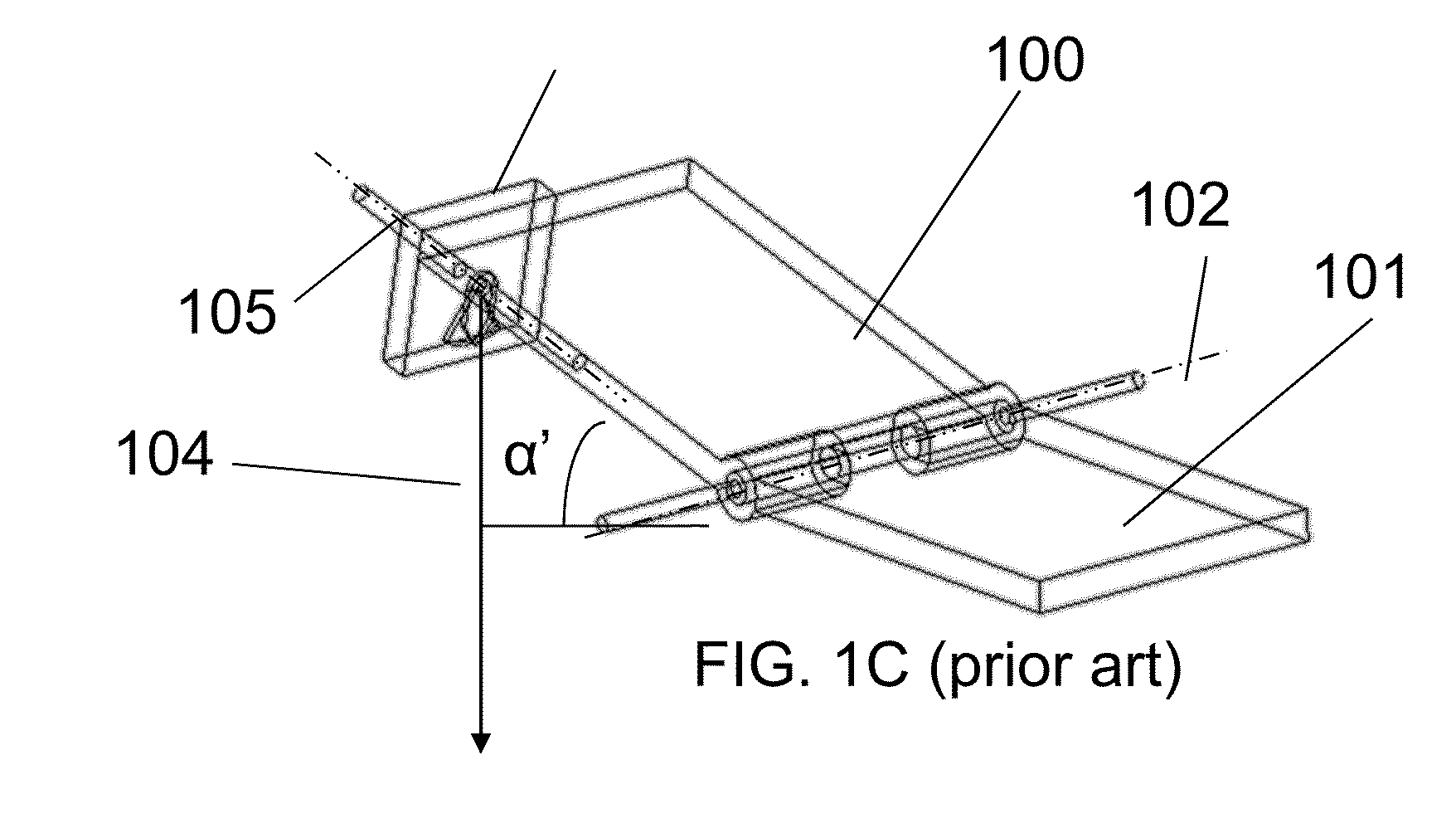
  • Figure 3
    Figure 3
Patent Text Reader

Abstract

An apparatus used for reducing the incidence of aspiration in patients using a two-axis inclinometer is disclosed. The apparatus uses a two-axis inclinometer that is attached in the region of the patient's upper body to measure the absolute angular elevation of the patient's upper body, which is then transmitted to a display or other output device. In one embodiment, the instrument can be mounted to the head of a bed in a plurality of orientations and accurately measure the absolute angular elevation of the patient's upper body. In other embodiments the absolute angular elevation of the patient's upper body information is processed and transmitted to the nurses' station or to a data recorder. The disclosure also relates to a method for measuring the physical orientation of a patient, using such two-axis inclinometer apparatus.
Need to check novelty before this filing date? Find Prior Art

Description

FIELDThis disclosure relates generally to medical devices used to prevent aspiration and other complications in patients, and more specifically two-axis inclinometry devices used to warn caregivers about improper absolute angular orientation of a patient's upper body.BACKGROUNDHospitalized bedridden patients are at a high risk of aspirating and choking on secretions, food, medicines or gastric contents. These risks can be lowered by closely monitoring the absolute angular orientation of the patient's upper body. For example, patients on ventilators are especially vulnerable to developing severe pneumonia after aspirating gastric contents. Numerous studies have shown that such cases of pneumonia, known as ventilator-associated pneumonia, often can be prevented by elevating the plane of the upper body of the patient by approximately 30 degrees above the local horizontal plane. The plane of the upper body is defined as a plane that that passes through the line between the two shoulder ...

Examples

Embodiment Construction

The present disclosure may be understood more readily by reference to the following detailed description, examples, drawings, and claims, and their previous and following description. However, before the present devices, systems, and / or methods are disclosed and described, it is to be understood that this disclosure is not limited to the specific devices, systems, and / or methods disclosed unless otherwise specified, as such can, of course, vary. It is also to be understood that the terminology used herein is for the purpose of describing particular aspects only and is not intended to be limiting.

As used in the specification and the appended claims, the singular forms “a,”“an” and “the” include plural referents unless the context clearly dictates otherwise. Thus, for example, reference to an “analyzer” can include two or more such analyzers unless the context indicates otherwise.

Ranges may be expressed herein as from “about” one particular value, and / or to “about” another particular ...