Achieving High Radiant Energy Efficiency in Processing Industries
FEB 13, 20269 MIN READ
Generate Your Research Report Instantly with AI Agent
PatSnap Eureka helps you evaluate technical feasibility & market potential.
Radiant Energy Efficiency Background and Objectives
Radiant energy, primarily in the form of infrared radiation, has been utilized in processing industries for decades as a fundamental heat transfer mechanism. Industries ranging from food processing and textile manufacturing to chemical production and materials treatment have increasingly recognized the potential of radiant heating systems to deliver targeted, efficient thermal energy. However, traditional radiant heating methods have historically suffered from significant energy losses through convection, conduction to non-target areas, and radiation misdirection, resulting in overall system efficiencies often below 50%. This inefficiency translates directly into elevated operational costs, increased carbon emissions, and reduced competitiveness in global markets where energy costs constitute a substantial portion of production expenses.
The evolution of radiant energy applications has been driven by both economic imperatives and environmental regulations. As energy prices have fluctuated and carbon reduction targets have become more stringent, processing industries face mounting pressure to optimize their thermal processes. Contemporary industrial facilities consume approximately 30-40% of their total energy budget on heating operations, making radiant energy efficiency improvements a critical leverage point for overall operational optimization. The challenge extends beyond simple energy conservation to encompass process quality enhancement, production throughput improvement, and workplace safety considerations.
The primary objective of advancing radiant energy efficiency in processing industries centers on achieving conversion efficiencies exceeding 70% while maintaining or improving process outcomes. This involves developing technologies and methodologies that minimize parasitic energy losses, enhance spectral matching between emitter and absorber materials, and enable precise spatial and temporal control of radiant energy delivery. Secondary objectives include reducing equipment footprint, lowering maintenance requirements, and facilitating integration with renewable energy sources and waste heat recovery systems.
Achieving these objectives requires addressing fundamental technical barriers including emitter material limitations, optical system inefficiencies, control system inadequacies, and insufficient understanding of material-radiation interaction dynamics. The pathway forward demands interdisciplinary approaches combining advances in materials science, optical engineering, computational modeling, and process control technologies to unlock the full potential of radiant energy as a sustainable industrial heating solution.
The evolution of radiant energy applications has been driven by both economic imperatives and environmental regulations. As energy prices have fluctuated and carbon reduction targets have become more stringent, processing industries face mounting pressure to optimize their thermal processes. Contemporary industrial facilities consume approximately 30-40% of their total energy budget on heating operations, making radiant energy efficiency improvements a critical leverage point for overall operational optimization. The challenge extends beyond simple energy conservation to encompass process quality enhancement, production throughput improvement, and workplace safety considerations.
The primary objective of advancing radiant energy efficiency in processing industries centers on achieving conversion efficiencies exceeding 70% while maintaining or improving process outcomes. This involves developing technologies and methodologies that minimize parasitic energy losses, enhance spectral matching between emitter and absorber materials, and enable precise spatial and temporal control of radiant energy delivery. Secondary objectives include reducing equipment footprint, lowering maintenance requirements, and facilitating integration with renewable energy sources and waste heat recovery systems.
Achieving these objectives requires addressing fundamental technical barriers including emitter material limitations, optical system inefficiencies, control system inadequacies, and insufficient understanding of material-radiation interaction dynamics. The pathway forward demands interdisciplinary approaches combining advances in materials science, optical engineering, computational modeling, and process control technologies to unlock the full potential of radiant energy as a sustainable industrial heating solution.
Market Demand for Energy-Efficient Processing Solutions
The global shift toward sustainable industrial operations has created substantial demand for energy-efficient processing solutions, particularly in sectors where radiant energy plays a critical role. Industries such as steel manufacturing, glass production, ceramics, food processing, and chemical synthesis rely heavily on high-temperature heating processes that traditionally consume enormous amounts of energy. As energy costs continue to rise and environmental regulations become more stringent, manufacturers are increasingly seeking technologies that can deliver superior radiant energy efficiency while maintaining or improving production quality.
Manufacturing facilities face mounting pressure from multiple stakeholders to reduce their carbon footprint and operational expenses. Governments worldwide have implemented carbon pricing mechanisms and energy efficiency mandates that directly impact processing industries. This regulatory environment has transformed energy efficiency from a competitive advantage into a business necessity. Companies that fail to adopt efficient radiant heating technologies risk facing penalties, losing market competitiveness, and damaging their corporate reputation among environmentally conscious consumers and investors.
The economic incentive for adopting high-efficiency radiant energy systems extends beyond regulatory compliance. Energy typically represents one of the largest operational costs in processing industries, often accounting for a significant portion of total production expenses. Technologies that improve radiant energy conversion and minimize heat loss can deliver substantial cost savings over equipment lifecycles. Return on investment calculations increasingly favor advanced radiant heating solutions, even when initial capital expenditure is higher than conventional systems.
Market research indicates robust growth trajectories for energy-efficient industrial heating equipment across multiple geographic regions. Emerging economies experiencing rapid industrialization show particularly strong demand as they seek to avoid the inefficient infrastructure legacy of developed nations. Meanwhile, established manufacturing regions are driving replacement cycles and retrofit projects to upgrade aging equipment. The convergence of economic, environmental, and regulatory factors has created a multi-dimensional market pull for innovations in radiant energy efficiency.
End-user industries are also demanding greater process control and product quality consistency, which modern radiant heating technologies can provide alongside energy savings. The integration of smart sensors, advanced materials, and optimized burner designs enables precise temperature management and uniform heat distribution. This dual value proposition of efficiency and performance enhancement strengthens market adoption across diverse processing applications.
Manufacturing facilities face mounting pressure from multiple stakeholders to reduce their carbon footprint and operational expenses. Governments worldwide have implemented carbon pricing mechanisms and energy efficiency mandates that directly impact processing industries. This regulatory environment has transformed energy efficiency from a competitive advantage into a business necessity. Companies that fail to adopt efficient radiant heating technologies risk facing penalties, losing market competitiveness, and damaging their corporate reputation among environmentally conscious consumers and investors.
The economic incentive for adopting high-efficiency radiant energy systems extends beyond regulatory compliance. Energy typically represents one of the largest operational costs in processing industries, often accounting for a significant portion of total production expenses. Technologies that improve radiant energy conversion and minimize heat loss can deliver substantial cost savings over equipment lifecycles. Return on investment calculations increasingly favor advanced radiant heating solutions, even when initial capital expenditure is higher than conventional systems.
Market research indicates robust growth trajectories for energy-efficient industrial heating equipment across multiple geographic regions. Emerging economies experiencing rapid industrialization show particularly strong demand as they seek to avoid the inefficient infrastructure legacy of developed nations. Meanwhile, established manufacturing regions are driving replacement cycles and retrofit projects to upgrade aging equipment. The convergence of economic, environmental, and regulatory factors has created a multi-dimensional market pull for innovations in radiant energy efficiency.
End-user industries are also demanding greater process control and product quality consistency, which modern radiant heating technologies can provide alongside energy savings. The integration of smart sensors, advanced materials, and optimized burner designs enables precise temperature management and uniform heat distribution. This dual value proposition of efficiency and performance enhancement strengthens market adoption across diverse processing applications.
Current Status and Challenges in Radiant Energy Systems
Radiant energy systems in processing industries currently operate at efficiency levels that fall significantly short of theoretical maximums, with typical industrial furnaces and heaters achieving only 30-50% thermal efficiency. This substantial gap stems from inherent heat transfer limitations, where a considerable portion of generated radiant energy escapes through flue gases, conduction losses, and uncontrolled radiation dispersion. Modern industrial sectors including steel manufacturing, glass production, and petrochemical processing continue to rely heavily on conventional radiant heating technologies that were designed decades ago with minimal optimization for energy conservation.
The primary technical challenge lies in the fundamental physics of radiant heat transfer, where achieving directional control and targeted energy delivery remains problematic. Current systems struggle with spectral mismatch between emitter characteristics and material absorption properties, resulting in wasted energy across non-productive wavelength ranges. Surface oxidation and contamination of radiant elements progressively degrade emissivity over operational lifespans, while temperature uniformity across large processing zones proves difficult to maintain without excessive energy input.
Geographical distribution of advanced radiant energy technology development shows concentration in industrialized regions, particularly Germany, Japan, and the United States, where stringent energy regulations drive innovation. However, widespread adoption faces barriers including high capital costs for retrofitting existing infrastructure and limited availability of specialized materials capable of withstanding extreme thermal cycling while maintaining optimal radiative properties.
Emerging constraints include increasingly strict environmental regulations targeting carbon emissions and energy consumption, pushing industries toward more efficient solutions. The integration challenge of combining radiant systems with waste heat recovery mechanisms adds complexity, as does the need for real-time monitoring and adaptive control systems. Material degradation under prolonged high-temperature exposure, particularly for selective emitters and reflective surfaces, represents another persistent obstacle. Additionally, the lack of standardized measurement protocols for radiant efficiency across different industrial applications hinders comparative analysis and technology benchmarking efforts.
The primary technical challenge lies in the fundamental physics of radiant heat transfer, where achieving directional control and targeted energy delivery remains problematic. Current systems struggle with spectral mismatch between emitter characteristics and material absorption properties, resulting in wasted energy across non-productive wavelength ranges. Surface oxidation and contamination of radiant elements progressively degrade emissivity over operational lifespans, while temperature uniformity across large processing zones proves difficult to maintain without excessive energy input.
Geographical distribution of advanced radiant energy technology development shows concentration in industrialized regions, particularly Germany, Japan, and the United States, where stringent energy regulations drive innovation. However, widespread adoption faces barriers including high capital costs for retrofitting existing infrastructure and limited availability of specialized materials capable of withstanding extreme thermal cycling while maintaining optimal radiative properties.
Emerging constraints include increasingly strict environmental regulations targeting carbon emissions and energy consumption, pushing industries toward more efficient solutions. The integration challenge of combining radiant systems with waste heat recovery mechanisms adds complexity, as does the need for real-time monitoring and adaptive control systems. Material degradation under prolonged high-temperature exposure, particularly for selective emitters and reflective surfaces, represents another persistent obstacle. Additionally, the lack of standardized measurement protocols for radiant efficiency across different industrial applications hinders comparative analysis and technology benchmarking efforts.
Mainstream Radiant Energy Efficiency Solutions
01 Solar energy collection and concentration systems
Systems designed to collect and concentrate solar radiation to improve energy conversion efficiency. These systems typically employ reflectors, lenses, or mirrors to focus radiant energy onto receivers or collectors. The concentrated energy can then be converted to thermal or electrical energy with enhanced efficiency compared to non-concentrated systems. Various geometric configurations and tracking mechanisms are used to optimize the collection angle and maximize energy capture throughout the day.- Solar energy collection and concentration systems: Systems designed to collect and concentrate solar radiation for improved energy conversion efficiency. These systems utilize reflectors, lenses, or other optical elements to focus radiant energy onto receivers or collectors. The concentrated energy can be converted to thermal or electrical energy with enhanced efficiency compared to non-concentrated systems. Various geometric configurations and tracking mechanisms are employed to optimize energy capture throughout the day.
- Radiant heating and cooling systems with improved thermal efficiency: Systems that utilize radiant energy transfer for heating or cooling applications with enhanced thermal efficiency. These systems employ specialized surface treatments, coatings, or materials to optimize radiant heat exchange. Design features include selective emitters, reflective barriers, and thermal insulation to minimize energy losses. The systems can be integrated into building structures or industrial processes to improve overall energy performance.
- Photovoltaic systems with enhanced conversion efficiency: Advanced photovoltaic technologies designed to improve the conversion of radiant solar energy into electrical energy. These systems incorporate novel cell structures, materials, or configurations to increase quantum efficiency and reduce energy losses. Features may include multi-junction cells, light-trapping structures, and optimized electrical contacts. System-level improvements such as maximum power point tracking and thermal management further enhance overall efficiency.
- Radiant energy management through selective coatings and surfaces: Technologies employing specialized coatings and surface treatments to control radiant energy absorption, reflection, and emission. These solutions utilize wavelength-selective materials to optimize energy efficiency for specific applications. Applications include solar absorbers with high absorptivity and low emissivity, and cool roof coatings that reflect solar radiation while emitting thermal radiation. The coatings can be applied to various substrates to enhance energy performance in buildings and equipment.
- Hybrid radiant energy systems with integrated storage: Integrated systems that combine radiant energy collection with thermal or electrical storage to improve overall system efficiency and reliability. These systems address the intermittent nature of solar radiation by storing excess energy for later use. Storage mechanisms may include phase change materials, thermal mass, or battery systems. Control strategies optimize the balance between energy collection, storage, and utilization to maximize efficiency across varying conditions.
02 Radiant heating systems with improved thermal efficiency
Heating systems that utilize radiant energy transfer to provide efficient space heating or process heating. These systems incorporate design features such as optimized emitter surfaces, reflective materials, and controlled radiation patterns to maximize heat transfer efficiency while minimizing energy losses. The systems may include infrared heaters, radiant panels, or other devices that convert electrical or combustion energy into radiant heat with improved efficiency metrics.Expand Specific Solutions03 Photovoltaic systems with enhanced conversion efficiency
Solar photovoltaic technologies designed to improve the conversion of radiant solar energy into electrical energy. These systems incorporate advanced cell designs, materials, or configurations that increase quantum efficiency, reduce reflection losses, or capture broader spectrum ranges. Innovations may include multi-junction cells, anti-reflective coatings, light-trapping structures, or novel semiconductor materials that enhance overall system efficiency.Expand Specific Solutions04 Energy management and control systems for radiant energy applications
Control systems and methods for optimizing the operation and efficiency of radiant energy systems. These technologies include sensors, controllers, and algorithms that monitor system performance and adjust operational parameters to maximize energy output or minimize losses. The systems may incorporate maximum power point tracking, adaptive control strategies, or predictive algorithms that respond to changing environmental conditions or load requirements to maintain optimal efficiency.Expand Specific Solutions05 Thermal storage and heat recovery systems for radiant energy
Systems that store thermal energy from radiant sources or recover waste heat to improve overall system efficiency. These technologies enable time-shifting of energy use, load leveling, and capture of otherwise wasted thermal energy. Storage media may include phase change materials, sensible heat storage, or thermochemical storage systems. Heat recovery mechanisms capture and redirect thermal energy that would otherwise be lost, improving the net efficiency of radiant energy systems.Expand Specific Solutions
Major Players in Industrial Radiant Energy Systems
The processing industries sector is experiencing a transformative shift toward electrification and sustainable heating solutions to achieve high radiant energy efficiency. The market is transitioning from early adoption to growth phase, driven by decarbonization mandates and rising energy costs. Key players span diverse segments: research institutions like Fraunhofer-Gesellschaft, Tsinghua University, and Paul Scherrer Institut PSI are advancing fundamental technologies; industrial giants including Applied Materials, Robert Bosch GmbH, and Hitachi Kokusai Electric bring established manufacturing expertise; while emerging innovators like Hyperheat GmbH and Coolbrook Oy are developing breakthrough electrification solutions. Technology maturity varies significantly—semiconductor processing equipment from companies like Micron Technology and EDWARDS LTD represents mature applications, whereas direct electric heating systems for heavy industries remain in pilot-to-commercial stages. Chemical processors such as NOVA Chemicals and SCG Chemicals are actively exploring implementation pathways, indicating growing industrial acceptance and market expansion potential.
Fraunhofer-Gesellschaft eV
Technical Solution: Fraunhofer institutes have developed multiple innovative technologies for enhancing radiant energy efficiency in industrial processes. Their research encompasses advanced infrared heating systems, plasma-based processing, and novel heat transfer optimization methods. Fraunhofer's infrared heating solutions utilize selective wavelength emitters that match the absorption characteristics of specific materials, achieving energy transfer efficiencies of 70-85% compared to 40-60% for conventional heating methods. The organization has pioneered the use of carbon-based infrared emitters and ceramic heating elements with rapid response times and precise temperature control. Their research also includes computational modeling tools for optimizing radiant heat distribution in industrial furnaces and dryers, enabling energy savings of 15-40% through improved process design. Fraunhofer's technologies have been successfully demonstrated in applications including polymer processing, food production, textile manufacturing, and automotive component curing.
Strengths: Extensive research capabilities across multiple technology domains; strong focus on practical industrial implementation and technology transfer. Weaknesses: As a research organization, commercialization and large-scale deployment depend on industry partnerships; solutions may require customization for specific applications.
Hyperheat GmbH
Technical Solution: Hyperheat specializes in high-efficiency infrared heating systems designed specifically for industrial processing applications. Their technology utilizes advanced ceramic and metal-based infrared emitters with optimized spectral output characteristics that maximize energy absorption by target materials. Hyperheat's systems incorporate modular heating zones with independent power control, enabling precise thermal profiling and minimizing energy waste in non-critical areas. The company's solutions achieve radiant efficiency rates of 75-90% through the use of reflector systems that direct infrared radiation toward the workpiece while minimizing ambient heat losses. Their heating systems feature rapid thermal response capabilities, reducing warm-up times by 50-70% compared to conventional ovens, thereby decreasing overall energy consumption. Hyperheat's technology is deployed in applications including plastic thermoforming, powder coating curing, paint drying, and composite material processing, where controlled radiant heating provides superior results with reduced energy input.
Strengths: Specialized expertise in infrared heating technology with high radiant efficiency; modular and adaptable systems for diverse industrial applications. Weaknesses: Smaller company scale compared to major industrial equipment manufacturers; market presence primarily in European markets with limited global reach.
Core Patents in High-Efficiency Radiant Systems
High emissivity coating compositions and manufacturing processes therefore
PatentWO2013130021A1
Innovation
- Developing high emissivity coating compositions with titanium dioxide (TiO2) as an emissivity enhancing agent, obtained from industrial waste sources, combined with ceramic matrix strength enhancers and fillers, to achieve enhanced mechanical strength and cost-effectiveness.


Radiant energy thermochemical processing system
PatentInactiveUS20100098599A1
Innovation
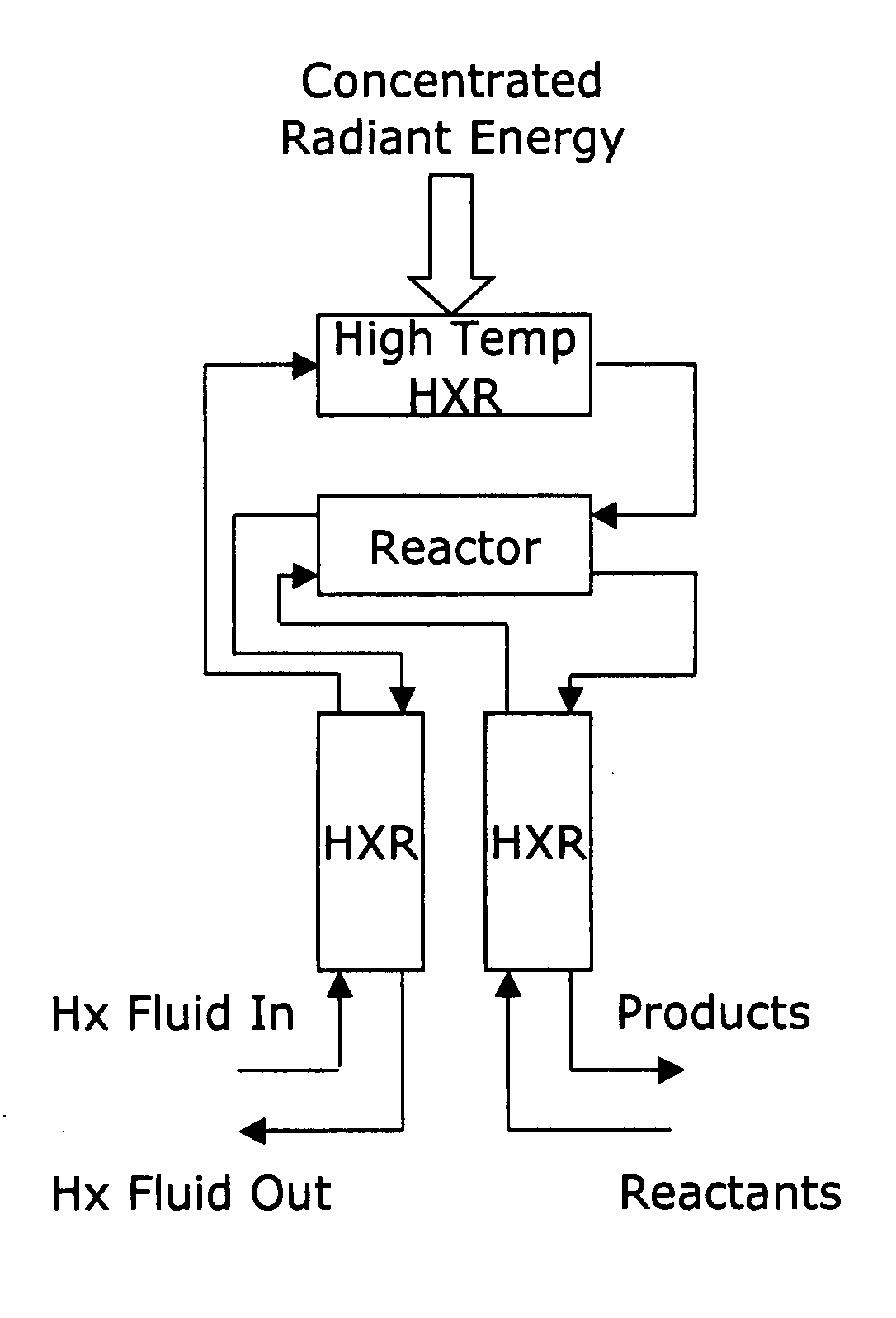
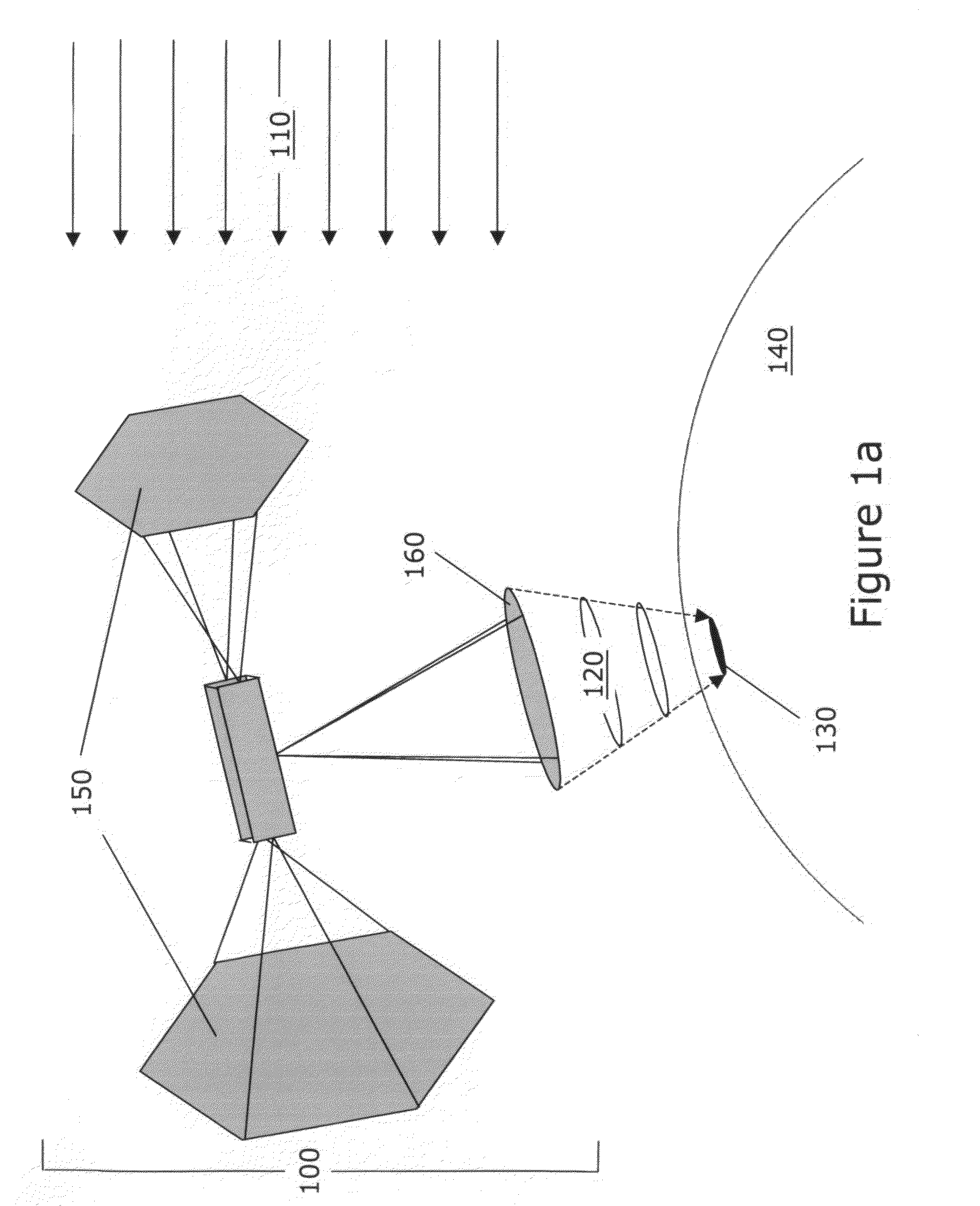
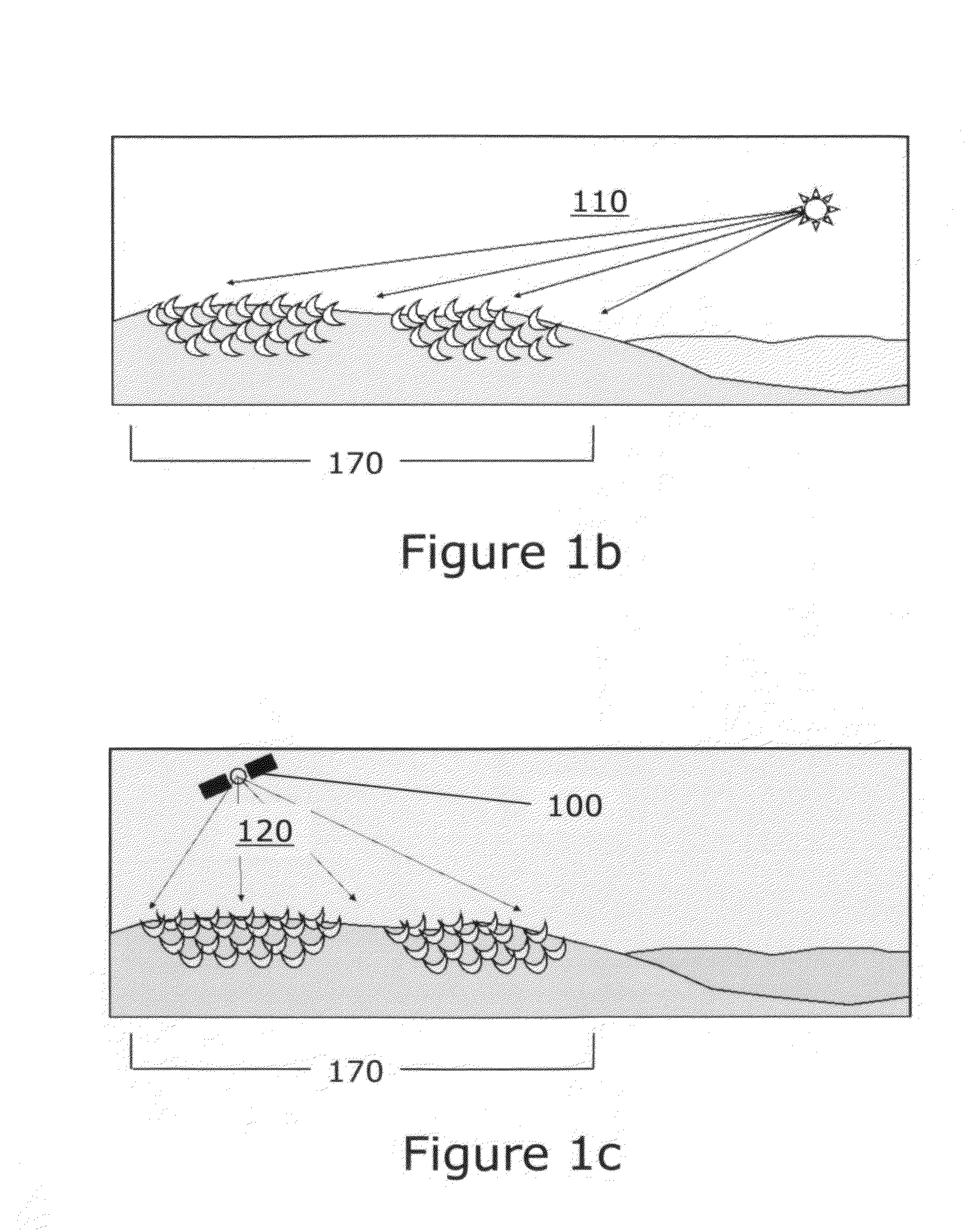
- A thermochemical processing system comprising a radiant energy concentrator, a recuperative heat exchanger, and a microchannel reactor, which intensifies radiant energy and converts it into heat for endothermic chemical reactions, enabling the production of solar fuels and chemicals using solar or other radiant energy.

Energy Policy and Regulatory Framework
The global pursuit of high radiant energy efficiency in processing industries operates within an increasingly complex policy and regulatory landscape. Governments worldwide have established stringent energy efficiency standards and emissions reduction targets, recognizing that industrial sectors account for approximately 30-40% of global energy consumption. The European Union's Energy Efficiency Directive mandates member states to achieve specific energy savings targets, while the United States implements sector-specific regulations through the Department of Energy's Industrial Technologies Program. These frameworks create both compliance pressures and innovation incentives for processing industries to adopt advanced radiant energy technologies.
Carbon pricing mechanisms have emerged as pivotal regulatory instruments driving efficiency improvements. Cap-and-trade systems in regions such as the EU Emissions Trading System and California's carbon market establish financial penalties for excessive energy consumption, making investments in high-efficiency radiant systems economically compelling. Additionally, many jurisdictions offer tax credits, accelerated depreciation schedules, and direct subsidies for industrial energy efficiency upgrades, effectively reducing the capital barriers to implementing advanced radiant heating technologies.
International standards organizations play a crucial role in harmonizing efficiency metrics and testing protocols. ISO 50001 energy management standards provide frameworks for systematic efficiency improvements, while industry-specific guidelines from bodies like ASTM International establish performance benchmarks for radiant heating equipment. These standardized approaches enable cross-border technology transfer and facilitate comparative assessments of different technical solutions.
Emerging regulatory trends indicate a shift toward mandatory energy audits, real-time monitoring requirements, and disclosure obligations for industrial energy consumption. Several countries now require large processing facilities to conduct periodic energy assessments and publicly report efficiency metrics. Furthermore, extended producer responsibility regulations increasingly hold manufacturers accountable for the lifecycle energy performance of their equipment, incentivizing the development of inherently efficient radiant systems. This evolving regulatory environment creates sustained momentum toward technological advancement while establishing clear compliance pathways for industry stakeholders.
Carbon pricing mechanisms have emerged as pivotal regulatory instruments driving efficiency improvements. Cap-and-trade systems in regions such as the EU Emissions Trading System and California's carbon market establish financial penalties for excessive energy consumption, making investments in high-efficiency radiant systems economically compelling. Additionally, many jurisdictions offer tax credits, accelerated depreciation schedules, and direct subsidies for industrial energy efficiency upgrades, effectively reducing the capital barriers to implementing advanced radiant heating technologies.
International standards organizations play a crucial role in harmonizing efficiency metrics and testing protocols. ISO 50001 energy management standards provide frameworks for systematic efficiency improvements, while industry-specific guidelines from bodies like ASTM International establish performance benchmarks for radiant heating equipment. These standardized approaches enable cross-border technology transfer and facilitate comparative assessments of different technical solutions.
Emerging regulatory trends indicate a shift toward mandatory energy audits, real-time monitoring requirements, and disclosure obligations for industrial energy consumption. Several countries now require large processing facilities to conduct periodic energy assessments and publicly report efficiency metrics. Furthermore, extended producer responsibility regulations increasingly hold manufacturers accountable for the lifecycle energy performance of their equipment, incentivizing the development of inherently efficient radiant systems. This evolving regulatory environment creates sustained momentum toward technological advancement while establishing clear compliance pathways for industry stakeholders.
Sustainability and Carbon Reduction Impact
Achieving high radiant energy efficiency in processing industries represents a critical pathway toward substantial sustainability improvements and carbon footprint reduction across manufacturing sectors. The optimization of radiant energy systems directly correlates with decreased fossil fuel consumption, as thermal processing operations account for approximately 30-40% of total industrial energy usage globally. By enhancing radiative heat transfer efficiency, facilities can significantly reduce greenhouse gas emissions while maintaining or improving production output, creating a compelling business case that aligns economic and environmental objectives.
The implementation of advanced radiant energy technologies enables processing industries to transition toward cleaner energy sources more effectively. High-efficiency radiant systems demonstrate superior compatibility with renewable energy integration, particularly solar thermal and biomass-derived heat sources, facilitating the decarbonization of traditionally carbon-intensive operations. Industries adopting these technologies report emission reductions ranging from 25% to 45% compared to conventional heating methods, contributing measurably to national and international climate commitments under frameworks such as the Paris Agreement.
Beyond direct emission reductions, improved radiant energy efficiency generates cascading sustainability benefits throughout industrial ecosystems. Reduced energy consumption translates to decreased demand on power generation infrastructure, lowering upstream emissions from electricity production. Additionally, enhanced thermal efficiency minimizes waste heat discharge, reducing thermal pollution and associated environmental impacts on surrounding ecosystems. The extended equipment lifespan resulting from optimized thermal management further reduces the embodied carbon associated with manufacturing replacement components.
The economic viability of high-efficiency radiant systems strengthens their role in accelerating industrial decarbonization. Typical payback periods of 2-4 years make these investments attractive even without carbon pricing mechanisms, while emerging carbon credit markets and regulatory frameworks create additional financial incentives. As carbon costs continue rising globally, early adopters of efficient radiant technologies gain competitive advantages through lower operational costs and enhanced regulatory compliance positioning, driving broader industry transformation toward sustainable manufacturing practices.
The implementation of advanced radiant energy technologies enables processing industries to transition toward cleaner energy sources more effectively. High-efficiency radiant systems demonstrate superior compatibility with renewable energy integration, particularly solar thermal and biomass-derived heat sources, facilitating the decarbonization of traditionally carbon-intensive operations. Industries adopting these technologies report emission reductions ranging from 25% to 45% compared to conventional heating methods, contributing measurably to national and international climate commitments under frameworks such as the Paris Agreement.
Beyond direct emission reductions, improved radiant energy efficiency generates cascading sustainability benefits throughout industrial ecosystems. Reduced energy consumption translates to decreased demand on power generation infrastructure, lowering upstream emissions from electricity production. Additionally, enhanced thermal efficiency minimizes waste heat discharge, reducing thermal pollution and associated environmental impacts on surrounding ecosystems. The extended equipment lifespan resulting from optimized thermal management further reduces the embodied carbon associated with manufacturing replacement components.
The economic viability of high-efficiency radiant systems strengthens their role in accelerating industrial decarbonization. Typical payback periods of 2-4 years make these investments attractive even without carbon pricing mechanisms, while emerging carbon credit markets and regulatory frameworks create additional financial incentives. As carbon costs continue rising globally, early adopters of efficient radiant technologies gain competitive advantages through lower operational costs and enhanced regulatory compliance positioning, driving broader industry transformation toward sustainable manufacturing practices.
Unlock deeper insights with PatSnap Eureka Quick Research — get a full tech report to explore trends and direct your research. Try now!
Generate Your Research Report Instantly with AI Agent
Supercharge your innovation with PatSnap Eureka AI Agent Platform!