
Active Memory Expansion and Its Effect on Computational Fluid Dynamics
MAR 19, 20269 MIN READ
Generate Your Research Report Instantly with AI Agent
Patsnap Eureka helps you evaluate technical feasibility & market potential.
Active Memory Expansion Background and CFD Objectives
Active Memory Expansion represents a paradigm shift in computational architecture design, emerging from the fundamental limitations of traditional memory hierarchies in high-performance computing environments. This technology addresses the growing disparity between processor speeds and memory access latencies, which has become increasingly pronounced in memory-intensive applications such as Computational Fluid Dynamics simulations.
The evolution of Active Memory Expansion can be traced back to early research in distributed memory systems and parallel computing architectures during the 1990s. Initial developments focused on creating intelligent memory controllers capable of performing basic computational operations, reducing the need for frequent data transfers between memory and processing units. This foundational work laid the groundwork for more sophisticated memory expansion techniques that could dynamically allocate and manage computational resources.
Contemporary Active Memory Expansion technologies encompass various approaches including near-data computing, processing-in-memory architectures, and intelligent memory management systems. These solutions aim to bring computational capabilities closer to data storage locations, thereby minimizing data movement overhead and maximizing memory bandwidth utilization. The technology has gained significant momentum with the advent of advanced semiconductor manufacturing processes and the increasing demand for real-time processing capabilities.
In the context of Computational Fluid Dynamics, Active Memory Expansion addresses several critical performance bottlenecks that have historically limited simulation accuracy and computational efficiency. CFD applications typically involve solving complex partial differential equations across large three-dimensional grids, requiring extensive memory bandwidth and storage capacity. Traditional computing architectures often struggle with the irregular memory access patterns and massive data sets characteristic of fluid dynamics simulations.
The primary objective of implementing Active Memory Expansion in CFD environments is to achieve substantial improvements in computational throughput while maintaining numerical accuracy. This involves optimizing memory allocation strategies for grid-based calculations, enhancing data locality for iterative solvers, and reducing communication overhead in distributed computing scenarios. Additionally, the technology aims to enable larger-scale simulations by effectively expanding available memory resources without proportional increases in hardware costs.
Future development trajectories focus on creating adaptive memory systems that can dynamically reconfigure based on simulation requirements, implementing machine learning algorithms for predictive memory management, and developing standardized interfaces for seamless integration with existing CFD software frameworks. These advancements promise to unlock new possibilities in fluid dynamics modeling, enabling more detailed simulations of complex phenomena such as turbulent flows, multiphase interactions, and coupled physics problems.
The evolution of Active Memory Expansion can be traced back to early research in distributed memory systems and parallel computing architectures during the 1990s. Initial developments focused on creating intelligent memory controllers capable of performing basic computational operations, reducing the need for frequent data transfers between memory and processing units. This foundational work laid the groundwork for more sophisticated memory expansion techniques that could dynamically allocate and manage computational resources.
Contemporary Active Memory Expansion technologies encompass various approaches including near-data computing, processing-in-memory architectures, and intelligent memory management systems. These solutions aim to bring computational capabilities closer to data storage locations, thereby minimizing data movement overhead and maximizing memory bandwidth utilization. The technology has gained significant momentum with the advent of advanced semiconductor manufacturing processes and the increasing demand for real-time processing capabilities.
In the context of Computational Fluid Dynamics, Active Memory Expansion addresses several critical performance bottlenecks that have historically limited simulation accuracy and computational efficiency. CFD applications typically involve solving complex partial differential equations across large three-dimensional grids, requiring extensive memory bandwidth and storage capacity. Traditional computing architectures often struggle with the irregular memory access patterns and massive data sets characteristic of fluid dynamics simulations.
The primary objective of implementing Active Memory Expansion in CFD environments is to achieve substantial improvements in computational throughput while maintaining numerical accuracy. This involves optimizing memory allocation strategies for grid-based calculations, enhancing data locality for iterative solvers, and reducing communication overhead in distributed computing scenarios. Additionally, the technology aims to enable larger-scale simulations by effectively expanding available memory resources without proportional increases in hardware costs.
Future development trajectories focus on creating adaptive memory systems that can dynamically reconfigure based on simulation requirements, implementing machine learning algorithms for predictive memory management, and developing standardized interfaces for seamless integration with existing CFD software frameworks. These advancements promise to unlock new possibilities in fluid dynamics modeling, enabling more detailed simulations of complex phenomena such as turbulent flows, multiphase interactions, and coupled physics problems.
Market Demand for Enhanced CFD Computing Performance
The computational fluid dynamics market has experienced unprecedented growth driven by increasing complexity in engineering simulations across multiple industries. Aerospace manufacturers require enhanced CFD capabilities to model intricate aerodynamic phenomena, thermal management systems, and propulsion mechanisms with higher fidelity. The automotive sector demands accelerated simulation workflows for vehicle aerodynamics, engine combustion analysis, and electric vehicle thermal management as development cycles compress and regulatory requirements intensify.
Energy sector applications present substantial computational challenges, particularly in renewable energy systems where wind turbine blade optimization and offshore platform design require massive parallel processing capabilities. Oil and gas companies seek enhanced CFD performance for reservoir modeling, pipeline flow analysis, and refinery process optimization. These applications often involve multi-phase flows, complex geometries, and extended temporal simulations that strain conventional computing resources.
Manufacturing industries increasingly rely on CFD for process optimization, particularly in chemical processing, pharmaceutical production, and materials manufacturing. The semiconductor industry requires precise thermal and fluid flow modeling for chip design and manufacturing equipment optimization. These applications demand real-time or near-real-time simulation capabilities that current memory architectures struggle to support efficiently.
The emergence of digital twin technologies has amplified CFD performance requirements significantly. Real-time monitoring and predictive maintenance applications require continuous simulation updates with minimal latency. Industrial IoT integration necessitates CFD systems capable of processing streaming sensor data while maintaining simulation accuracy and responsiveness.
Cloud computing adoption in engineering simulation has created new performance expectations. Organizations expect scalable CFD solutions that can dynamically adjust computational resources based on problem complexity. This shift toward cloud-native CFD workflows demands memory architectures that can efficiently handle distributed computing scenarios while maintaining data coherency and minimizing communication overhead.
Academic and research institutions face growing pressure to tackle larger, more complex fluid dynamics problems. Climate modeling, biomedical flow simulations, and fundamental turbulence research require computational capabilities that exceed traditional memory limitations. These applications often involve massive datasets and extended computation periods where memory bandwidth becomes the primary performance bottleneck.
The convergence of artificial intelligence with CFD has introduced additional performance requirements. Machine learning-enhanced turbulence modeling, automated mesh generation, and intelligent simulation steering require hybrid computing architectures that can seamlessly integrate traditional numerical methods with AI algorithms, creating new demands for flexible, high-performance memory systems.
Energy sector applications present substantial computational challenges, particularly in renewable energy systems where wind turbine blade optimization and offshore platform design require massive parallel processing capabilities. Oil and gas companies seek enhanced CFD performance for reservoir modeling, pipeline flow analysis, and refinery process optimization. These applications often involve multi-phase flows, complex geometries, and extended temporal simulations that strain conventional computing resources.
Manufacturing industries increasingly rely on CFD for process optimization, particularly in chemical processing, pharmaceutical production, and materials manufacturing. The semiconductor industry requires precise thermal and fluid flow modeling for chip design and manufacturing equipment optimization. These applications demand real-time or near-real-time simulation capabilities that current memory architectures struggle to support efficiently.
The emergence of digital twin technologies has amplified CFD performance requirements significantly. Real-time monitoring and predictive maintenance applications require continuous simulation updates with minimal latency. Industrial IoT integration necessitates CFD systems capable of processing streaming sensor data while maintaining simulation accuracy and responsiveness.
Cloud computing adoption in engineering simulation has created new performance expectations. Organizations expect scalable CFD solutions that can dynamically adjust computational resources based on problem complexity. This shift toward cloud-native CFD workflows demands memory architectures that can efficiently handle distributed computing scenarios while maintaining data coherency and minimizing communication overhead.
Academic and research institutions face growing pressure to tackle larger, more complex fluid dynamics problems. Climate modeling, biomedical flow simulations, and fundamental turbulence research require computational capabilities that exceed traditional memory limitations. These applications often involve massive datasets and extended computation periods where memory bandwidth becomes the primary performance bottleneck.
The convergence of artificial intelligence with CFD has introduced additional performance requirements. Machine learning-enhanced turbulence modeling, automated mesh generation, and intelligent simulation steering require hybrid computing architectures that can seamlessly integrate traditional numerical methods with AI algorithms, creating new demands for flexible, high-performance memory systems.
Current Memory Limitations in Large-Scale CFD Simulations
Large-scale computational fluid dynamics simulations face significant memory constraints that fundamentally limit their scope and accuracy. Traditional CFD applications require substantial memory resources to store mesh data, solution variables, and intermediate computational results. As simulation complexity increases with higher resolution meshes and more sophisticated physics models, memory requirements grow exponentially, often exceeding the capacity of conventional computing systems.
The primary memory bottleneck stems from the need to maintain multiple data structures simultaneously during computation. Modern CFD solvers must store velocity fields, pressure distributions, temperature profiles, and turbulence parameters across millions or billions of computational cells. Each variable typically requires double-precision floating-point representation, consuming 8 bytes per cell per variable. For three-dimensional simulations with multiple physics phenomena, memory consumption can easily reach hundreds of gigabytes or even terabytes.
Current high-performance computing architectures impose strict limitations on available memory per node. Typical HPC systems provide 128GB to 512GB of RAM per compute node, creating a ceiling for simulation size regardless of available computational power. This memory wall forces researchers to compromise between spatial resolution and domain size, often resulting in oversimplified models that fail to capture critical flow phenomena.
Memory fragmentation presents another significant challenge in large-scale CFD applications. As simulations progress through multiple time steps, dynamic memory allocation and deallocation can lead to fragmented memory spaces. This fragmentation reduces effective memory utilization and can cause premature memory exhaustion even when sufficient total memory appears available.
The temporal nature of CFD computations exacerbates memory limitations. Implicit time-stepping schemes require storing multiple solution states and large sparse matrices for linear system solutions. Adaptive mesh refinement algorithms demand additional memory for mesh hierarchy data and solution interpolation buffers. These requirements create peak memory usage patterns that often exceed average consumption by factors of two to three.
Data movement between different memory hierarchies introduces additional constraints. The bandwidth limitations between main memory and processing units create performance bottlenecks when large datasets must be transferred repeatedly. Cache memory limitations further restrict the effective working set size, forcing frequent data exchanges that degrade computational efficiency and limit scalable performance in memory-intensive CFD applications.
The primary memory bottleneck stems from the need to maintain multiple data structures simultaneously during computation. Modern CFD solvers must store velocity fields, pressure distributions, temperature profiles, and turbulence parameters across millions or billions of computational cells. Each variable typically requires double-precision floating-point representation, consuming 8 bytes per cell per variable. For three-dimensional simulations with multiple physics phenomena, memory consumption can easily reach hundreds of gigabytes or even terabytes.
Current high-performance computing architectures impose strict limitations on available memory per node. Typical HPC systems provide 128GB to 512GB of RAM per compute node, creating a ceiling for simulation size regardless of available computational power. This memory wall forces researchers to compromise between spatial resolution and domain size, often resulting in oversimplified models that fail to capture critical flow phenomena.
Memory fragmentation presents another significant challenge in large-scale CFD applications. As simulations progress through multiple time steps, dynamic memory allocation and deallocation can lead to fragmented memory spaces. This fragmentation reduces effective memory utilization and can cause premature memory exhaustion even when sufficient total memory appears available.
The temporal nature of CFD computations exacerbates memory limitations. Implicit time-stepping schemes require storing multiple solution states and large sparse matrices for linear system solutions. Adaptive mesh refinement algorithms demand additional memory for mesh hierarchy data and solution interpolation buffers. These requirements create peak memory usage patterns that often exceed average consumption by factors of two to three.
Data movement between different memory hierarchies introduces additional constraints. The bandwidth limitations between main memory and processing units create performance bottlenecks when large datasets must be transferred repeatedly. Cache memory limitations further restrict the effective working set size, forcing frequent data exchanges that degrade computational efficiency and limit scalable performance in memory-intensive CFD applications.
Existing Memory Management Solutions for CFD Workloads
01 Memory compression techniques for expanding available memory
Memory compression methods can be employed to effectively expand the available memory space by compressing data stored in memory. These techniques reduce the physical memory footprint while maintaining data accessibility, thereby improving computational performance by allowing more data to be kept in faster memory tiers. Compression algorithms can be applied dynamically to memory pages based on access patterns and system load.- Memory compression techniques for expanding available memory: Memory compression algorithms can be employed to reduce the physical memory footprint of data, effectively expanding the available memory capacity. By compressing data stored in memory, systems can accommodate more information within the same physical memory constraints. This approach improves computational performance by reducing memory access latency and enabling more data to be kept in faster memory tiers. Various compression algorithms can be applied dynamically based on data characteristics and access patterns to optimize the balance between compression ratio and decompression overhead.
- Tiered memory architecture with active memory management: Implementing a tiered memory architecture allows systems to utilize different memory technologies with varying performance characteristics. Active memory management techniques intelligently migrate data between memory tiers based on access frequency and patterns. Frequently accessed data is promoted to faster memory tiers while less active data is demoted to slower but larger capacity tiers. This hierarchical approach expands effective memory capacity while maintaining high performance for critical workloads. The system dynamically adjusts data placement to optimize overall computational throughput.
- Virtual memory expansion through storage-class memory integration: Storage-class memory technologies can be integrated into the memory hierarchy to provide substantial memory expansion capabilities. These technologies bridge the gap between traditional volatile memory and persistent storage, offering larger capacity at lower cost while maintaining reasonable access speeds. Virtual memory systems can leverage these technologies to extend addressable memory space beyond physical RAM limitations. This integration enables systems to handle larger datasets and more concurrent processes, improving overall computational performance for memory-intensive applications.
- Memory pooling and disaggregation for flexible resource allocation: Memory pooling architectures allow multiple computing nodes to share a common pool of memory resources, enabling dynamic allocation based on workload demands. This disaggregated approach separates memory from compute resources, allowing independent scaling and more efficient utilization. Systems can dynamically expand available memory by accessing remote memory pools over high-speed interconnects. This flexibility improves computational performance by ensuring that memory-intensive tasks have access to sufficient resources without over-provisioning individual nodes.
- Intelligent prefetching and caching strategies for memory optimization: Advanced prefetching algorithms predict future memory access patterns and proactively load data into faster memory tiers before it is needed. Combined with intelligent caching strategies, these techniques effectively expand the perceived memory capacity by ensuring that required data is available in high-speed memory when accessed. Machine learning models can be employed to improve prediction accuracy based on historical access patterns. These optimization strategies reduce memory latency and improve computational throughput by minimizing cache misses and memory stalls.
02 Tiered memory architecture with active memory expansion
Implementing a tiered memory architecture allows systems to utilize multiple memory types with different performance characteristics. Active memory expansion in such architectures involves dynamically moving data between memory tiers based on access frequency and computational requirements. This approach optimizes performance by keeping frequently accessed data in faster memory while expanding capacity through slower but larger memory pools.Expand Specific Solutions03 Virtual memory management and page swapping optimization
Advanced virtual memory management techniques enable active memory expansion by optimizing page swapping mechanisms and memory allocation strategies. These methods predict memory access patterns and preemptively manage memory pages to minimize performance penalties associated with memory expansion. Intelligent page replacement algorithms and prefetching strategies enhance overall computational performance.Expand Specific Solutions04 Hardware-assisted memory expansion with computational acceleration
Hardware-based solutions for memory expansion incorporate specialized circuits and controllers that facilitate rapid memory access and expansion operations. These implementations may include dedicated memory management units, cache hierarchies, and interconnect optimizations that reduce latency associated with expanded memory access. Hardware acceleration ensures that memory expansion does not significantly degrade computational performance.Expand Specific Solutions05 Software-defined memory pooling and resource allocation
Software-defined approaches to memory expansion enable dynamic allocation and pooling of memory resources across computing systems. These techniques allow applications to access expanded memory pools through virtualization layers and resource management frameworks. Intelligent scheduling and allocation algorithms ensure optimal utilization of expanded memory while maintaining high computational performance across diverse workloads.Expand Specific Solutions
Key Players in Memory Systems and CFD Software Industry
The active memory expansion technology for computational fluid dynamics represents an emerging field in the early development stage, characterized by significant growth potential as organizations seek to overcome memory bottlenecks in complex simulations. The market demonstrates substantial scale driven by increasing demand for high-performance computing solutions across aerospace, automotive, and energy sectors. Technology maturity varies considerably among key players, with established technology giants like NVIDIA Corp., Samsung Electronics, and Hewlett Packard Enterprise leading hardware innovations, while academic institutions including Xi'an Jiaotong University, National University of Defense Technology, and Swiss Federal Institute of Technology drive fundamental research breakthroughs. Companies like Dassault Systèmes and specialized firms such as E8 Co., Ltd. focus on simulation software optimization, creating a diverse competitive landscape spanning hardware manufacturers, software developers, and research institutions collaborating to advance memory-efficient CFD computing solutions.
Hewlett Packard Enterprise Development LP
Technical Solution: HPE provides enterprise-grade memory expansion solutions through their Memory-Driven Computing initiative and persistent memory technologies. Their approach to CFD applications involves intelligent memory tiering systems that automatically manage data placement across different memory hierarchies including DRAM, persistent memory, and storage. The company's solutions feature adaptive memory compression algorithms and predictive data prefetching mechanisms specifically optimized for iterative CFD computations, allowing simulations to scale beyond traditional memory limitations while maintaining computational efficiency.
Strengths: Enterprise reliability, comprehensive memory hierarchy management, strong integration with HPC systems. Weaknesses: Limited specialized CFD optimization, higher complexity in deployment, dependency on specific hardware configurations.
Samsung Electronics Co., Ltd.
Technical Solution: Samsung has developed advanced memory technologies including high-bandwidth memory (HBM) and processing-in-memory (PIM) solutions that enable active memory expansion for CFD applications. Their approach focuses on near-data computing architectures where memory modules can perform basic computational operations, reducing data movement overhead in fluid dynamics simulations. The company's solutions incorporate intelligent memory controllers that can dynamically allocate and reallocate memory resources based on simulation requirements, enabling efficient handling of adaptive mesh refinement and multi-physics coupling scenarios common in advanced CFD applications.
Strengths: Cutting-edge memory hardware technology, high bandwidth capabilities, innovative processing-in-memory approaches. Weaknesses: Limited software ecosystem for CFD applications, primarily hardware-focused solutions, integration challenges with existing CFD software.
Core Innovations in Active Memory for CFD Applications
Fluid memory for high performance computing applications
PatentActiveUS20240232065A9
Innovation
- The introduction of 'fluid' dynamic memory regions that automatically deallocate upon expiration of a validity time interval and are allocated based on data-oriented priority values, reducing the need for explicit requests and minimizing memory leaks.


Accelerating computational algorithms using reconfigurable computing technologies
PatentInactiveUS20050288800A1
Innovation
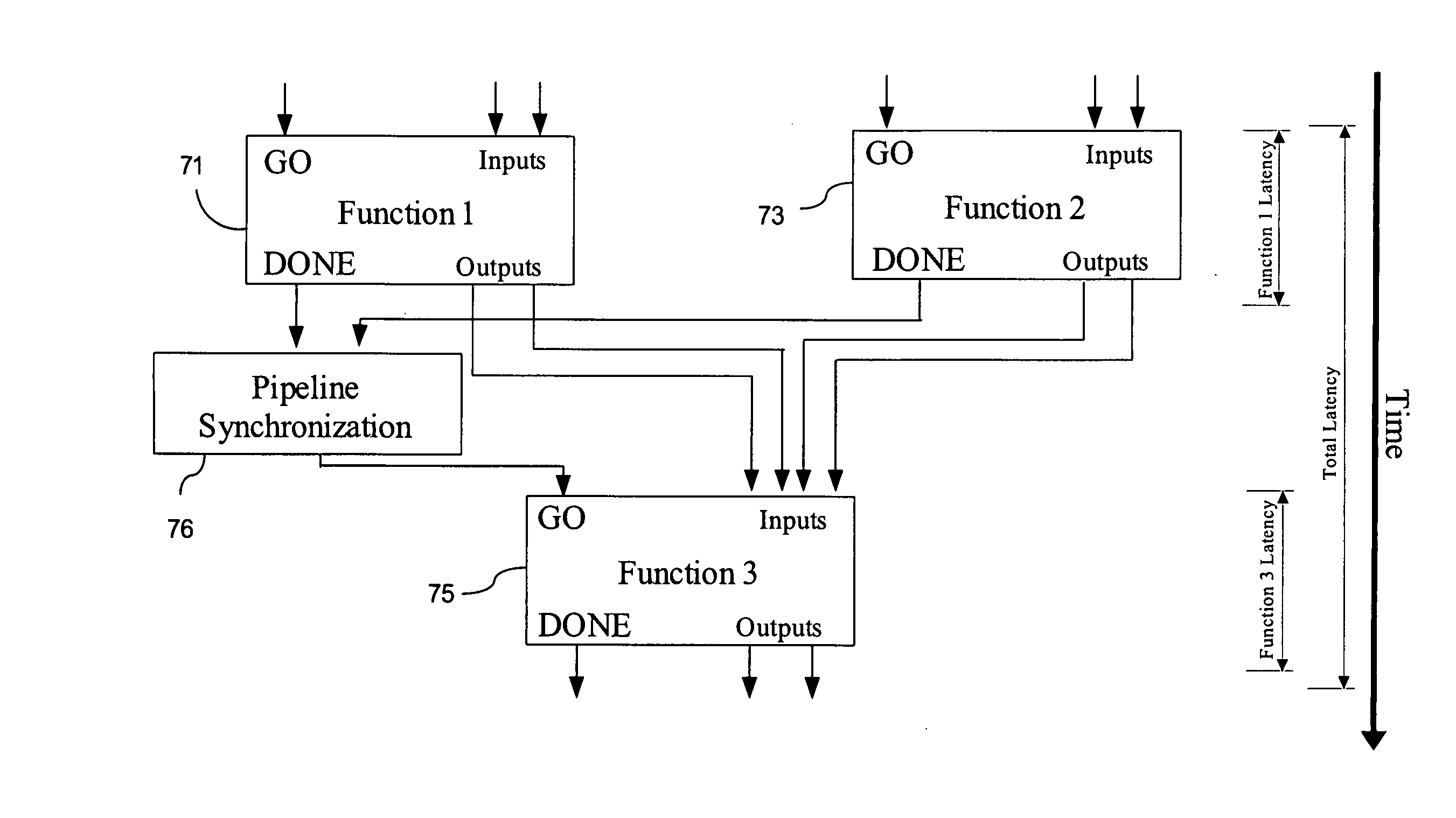
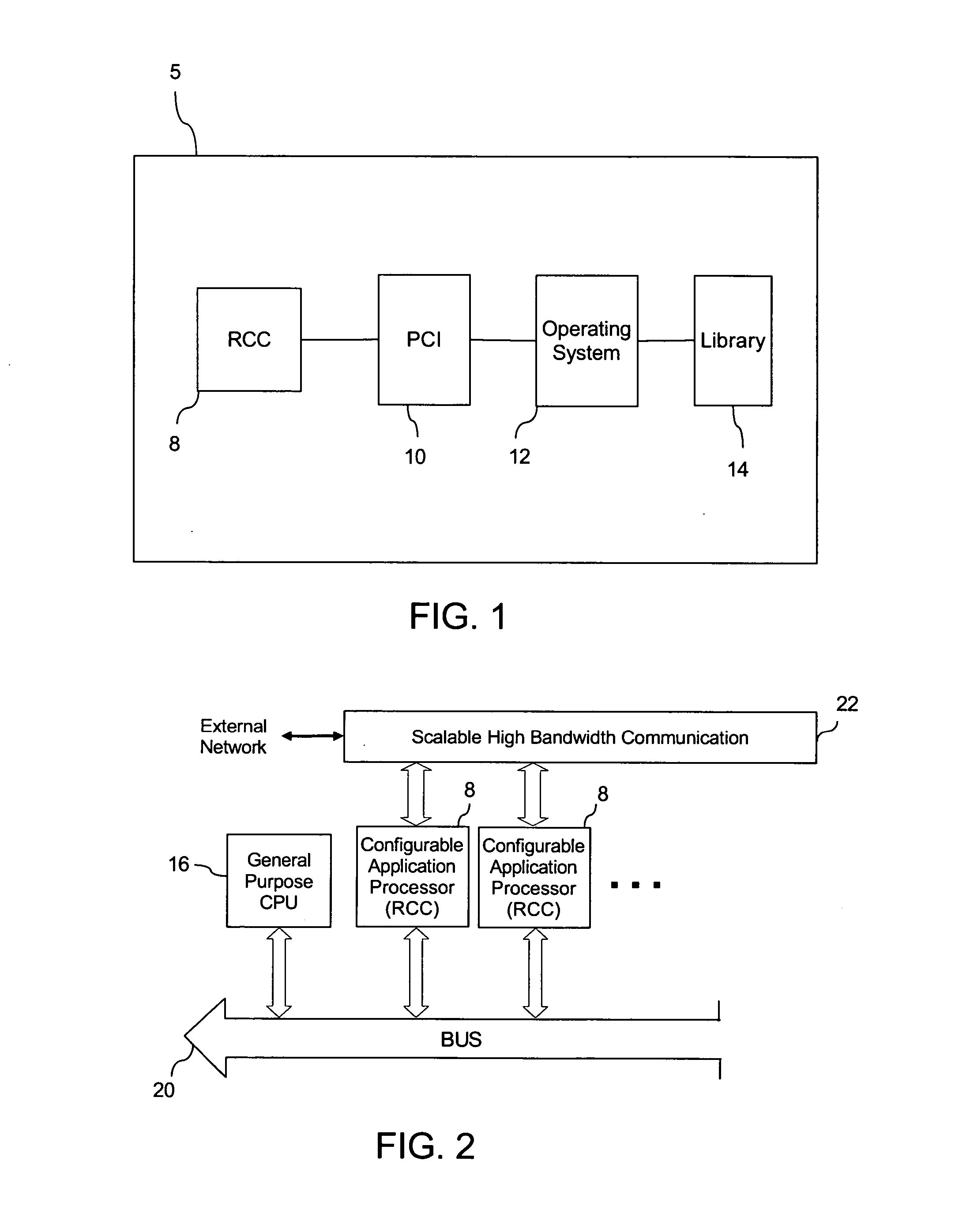
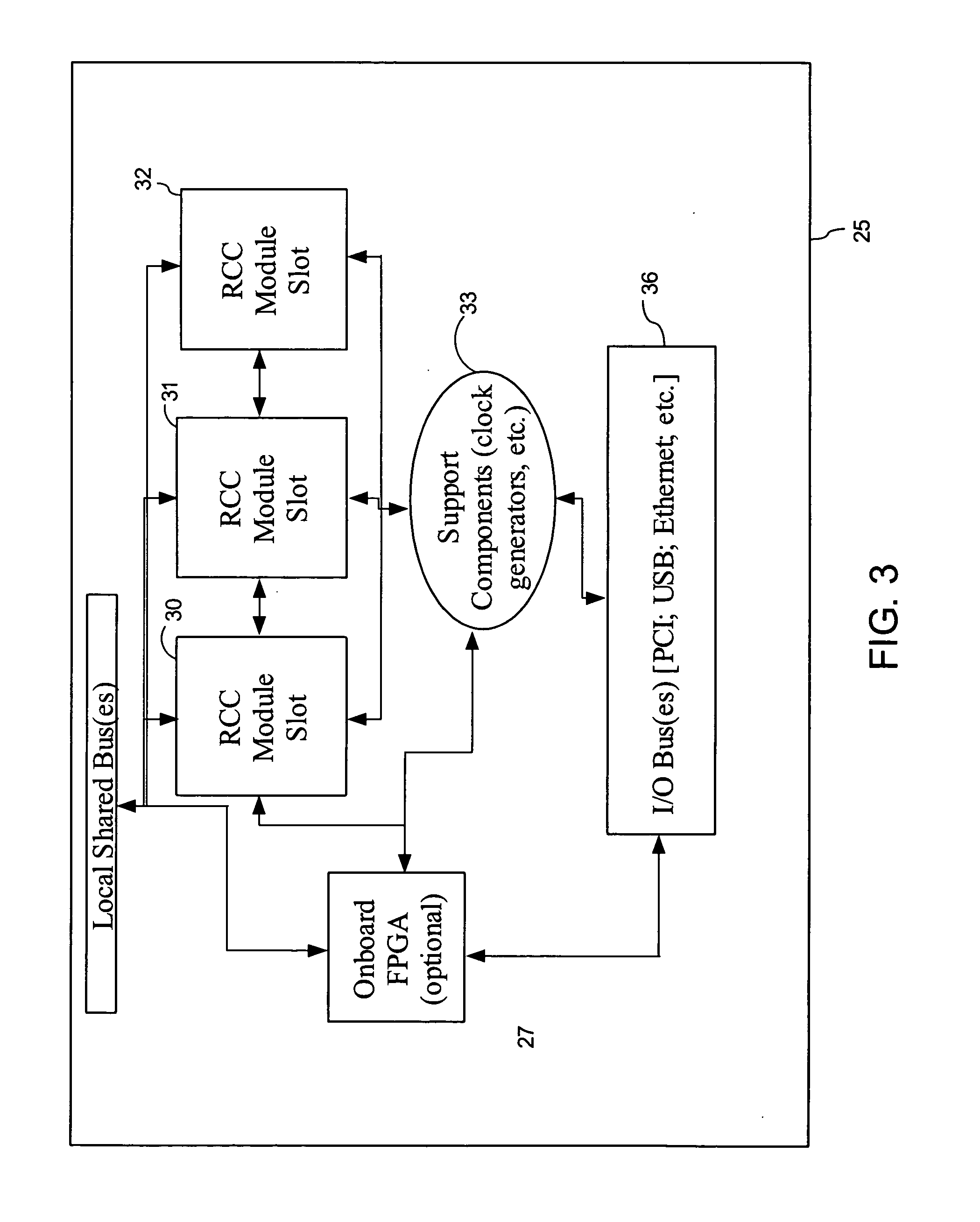
- A reconfigurable computing system with specialized hardware components and optimized memory management, including a Peripheral Component Interface (PCI) bus for direct high-bandwidth communication between reconfigurable hardware components, and a method for sweeping stencils through three-dimensional arrays with address generators to manage data transmission and reduce cache misses.

Energy Efficiency Standards for HPC Memory Systems
Energy efficiency standards for High Performance Computing (HPC) memory systems have become increasingly critical as computational demands continue to escalate, particularly in memory-intensive applications such as Computational Fluid Dynamics (CFD). The growing complexity of CFD simulations, which require substantial memory bandwidth and capacity, has driven the need for comprehensive energy efficiency frameworks that can accommodate active memory expansion technologies while maintaining optimal power consumption profiles.
Current industry standards primarily focus on static memory configurations, with established benchmarks such as the Energy Star specifications for enterprise servers and the Green500 rankings for supercomputing systems. However, these frameworks inadequately address the dynamic nature of active memory expansion, where memory resources are allocated and deallocated based on computational requirements. The absence of specific standards for expandable memory architectures creates significant challenges in evaluating and comparing energy performance across different HPC implementations.
The development of energy efficiency standards for HPC memory systems must consider multiple performance metrics beyond traditional power consumption measurements. Key parameters include memory access latency under varying load conditions, power scaling efficiency during memory expansion events, and thermal management effectiveness across different memory utilization patterns. These standards should establish baseline energy consumption thresholds for different memory technologies, including DDR4, DDR5, and emerging high-bandwidth memory solutions.
Regulatory bodies and industry consortiums are actively working to establish comprehensive guidelines that address the unique characteristics of expandable memory systems. The proposed standards emphasize dynamic power management capabilities, requiring memory controllers to demonstrate efficient power scaling during expansion and contraction cycles. Additionally, these standards mandate specific reporting mechanisms for energy consumption during peak memory utilization periods, which are particularly relevant for CFD applications that exhibit irregular memory access patterns.
Implementation of these energy efficiency standards requires sophisticated monitoring and measurement protocols that can accurately capture power consumption across distributed memory architectures. The standards specify requirements for real-time power monitoring at the memory module level, enabling precise tracking of energy usage during active memory expansion operations. This granular monitoring capability is essential for validating compliance with efficiency targets and optimizing memory allocation strategies in production HPC environments.
Current industry standards primarily focus on static memory configurations, with established benchmarks such as the Energy Star specifications for enterprise servers and the Green500 rankings for supercomputing systems. However, these frameworks inadequately address the dynamic nature of active memory expansion, where memory resources are allocated and deallocated based on computational requirements. The absence of specific standards for expandable memory architectures creates significant challenges in evaluating and comparing energy performance across different HPC implementations.
The development of energy efficiency standards for HPC memory systems must consider multiple performance metrics beyond traditional power consumption measurements. Key parameters include memory access latency under varying load conditions, power scaling efficiency during memory expansion events, and thermal management effectiveness across different memory utilization patterns. These standards should establish baseline energy consumption thresholds for different memory technologies, including DDR4, DDR5, and emerging high-bandwidth memory solutions.
Regulatory bodies and industry consortiums are actively working to establish comprehensive guidelines that address the unique characteristics of expandable memory systems. The proposed standards emphasize dynamic power management capabilities, requiring memory controllers to demonstrate efficient power scaling during expansion and contraction cycles. Additionally, these standards mandate specific reporting mechanisms for energy consumption during peak memory utilization periods, which are particularly relevant for CFD applications that exhibit irregular memory access patterns.
Implementation of these energy efficiency standards requires sophisticated monitoring and measurement protocols that can accurately capture power consumption across distributed memory architectures. The standards specify requirements for real-time power monitoring at the memory module level, enabling precise tracking of energy usage during active memory expansion operations. This granular monitoring capability is essential for validating compliance with efficiency targets and optimizing memory allocation strategies in production HPC environments.
Performance Benchmarking Frameworks for CFD Memory Solutions
Establishing robust performance benchmarking frameworks for CFD memory solutions requires standardized methodologies that can accurately assess the impact of active memory expansion technologies across diverse computational scenarios. These frameworks must encompass both synthetic and real-world CFD workloads, incorporating metrics that capture memory bandwidth utilization, latency characteristics, and overall computational throughput improvements.
The foundation of effective benchmarking lies in developing comprehensive test suites that represent typical CFD applications, including incompressible flow simulations, turbulence modeling, and multi-phase flow calculations. Standard benchmarks such as the NASA CFL3D solver, OpenFOAM test cases, and ANSYS Fluent validation problems provide baseline references for memory performance evaluation. These benchmarks should be augmented with varying mesh densities, boundary conditions, and solver configurations to stress-test memory expansion capabilities under different computational loads.
Memory-specific performance indicators form the core of these frameworks, focusing on metrics such as effective memory bandwidth, cache hit ratios, memory access patterns, and data locality efficiency. Advanced profiling tools like Intel VTune, NVIDIA Nsight, and custom memory tracing utilities enable detailed analysis of memory subsystem behavior during CFD computations. These tools must capture both hardware-level metrics and application-specific performance characteristics to provide comprehensive insights into memory expansion effectiveness.
Scalability assessment represents another critical dimension of benchmarking frameworks, evaluating how memory expansion solutions perform across different system configurations and problem sizes. This includes testing on various processor architectures, memory hierarchies, and distributed computing environments. The frameworks should incorporate both strong scaling studies, where problem size remains constant while increasing computational resources, and weak scaling analyses, where problem size grows proportionally with available memory capacity.
Standardization efforts must address reproducibility challenges by defining consistent testing environments, measurement protocols, and reporting formats. This includes specifying hardware configurations, software versions, compiler optimizations, and environmental conditions that could influence benchmark results. Collaborative initiatives between academic institutions, industry partners, and standards organizations are essential for establishing widely accepted benchmarking protocols that enable meaningful comparisons across different memory expansion technologies and CFD applications.
The foundation of effective benchmarking lies in developing comprehensive test suites that represent typical CFD applications, including incompressible flow simulations, turbulence modeling, and multi-phase flow calculations. Standard benchmarks such as the NASA CFL3D solver, OpenFOAM test cases, and ANSYS Fluent validation problems provide baseline references for memory performance evaluation. These benchmarks should be augmented with varying mesh densities, boundary conditions, and solver configurations to stress-test memory expansion capabilities under different computational loads.
Memory-specific performance indicators form the core of these frameworks, focusing on metrics such as effective memory bandwidth, cache hit ratios, memory access patterns, and data locality efficiency. Advanced profiling tools like Intel VTune, NVIDIA Nsight, and custom memory tracing utilities enable detailed analysis of memory subsystem behavior during CFD computations. These tools must capture both hardware-level metrics and application-specific performance characteristics to provide comprehensive insights into memory expansion effectiveness.
Scalability assessment represents another critical dimension of benchmarking frameworks, evaluating how memory expansion solutions perform across different system configurations and problem sizes. This includes testing on various processor architectures, memory hierarchies, and distributed computing environments. The frameworks should incorporate both strong scaling studies, where problem size remains constant while increasing computational resources, and weak scaling analyses, where problem size grows proportionally with available memory capacity.
Standardization efforts must address reproducibility challenges by defining consistent testing environments, measurement protocols, and reporting formats. This includes specifying hardware configurations, software versions, compiler optimizations, and environmental conditions that could influence benchmark results. Collaborative initiatives between academic institutions, industry partners, and standards organizations are essential for establishing widely accepted benchmarking protocols that enable meaningful comparisons across different memory expansion technologies and CFD applications.
Unlock deeper insights with Patsnap Eureka Quick Research — get a full tech report to explore trends and direct your research. Try now!
Generate Your Research Report Instantly with AI Agent
Supercharge your innovation with Patsnap Eureka AI Agent Platform!