

Adjust Thixotropy for Enhanced Biocompatibility
MAR 17, 20269 MIN READ
Generate Your Research Report Instantly with AI Agent
Patsnap Eureka helps you evaluate technical feasibility & market potential.
Thixotropic Material Background and Biocompatibility Goals
Thixotropic materials represent a unique class of non-Newtonian fluids that exhibit time-dependent viscosity changes under applied shear stress. These materials demonstrate a reversible gel-to-sol transition when subjected to mechanical agitation, returning to their original gel-like state upon cessation of the applied force. This distinctive rheological behavior has positioned thixotropic materials as promising candidates for various biomedical applications, ranging from drug delivery systems to tissue engineering scaffolds.
The fundamental mechanism underlying thixotropy involves the breakdown and reformation of internal structural networks within the material matrix. Under quiescent conditions, these materials maintain a three-dimensional network structure that provides mechanical stability and controlled flow properties. When shear forces are applied, this network temporarily disassembles, reducing viscosity and enabling material flow or injection through narrow channels or needles.
Historical development of thixotropic materials traces back to early clay-based systems and has evolved significantly with advances in polymer science and nanotechnology. The integration of biocompatible polymers, hydrogels, and nanoparticle systems has expanded the potential applications of these materials in medical devices and therapeutic interventions. Contemporary research focuses on developing synthetic and natural polymer-based thixotropic systems that can meet stringent biocompatibility requirements.
The primary technical objective in adjusting thixotropy for enhanced biocompatibility centers on achieving optimal balance between mechanical performance and biological safety. This involves fine-tuning the material's rheological properties to ensure appropriate viscosity recovery times, shear-thinning behavior, and structural integrity while maintaining non-toxicity and biocompatibility standards. Key performance targets include achieving rapid viscosity recovery within seconds to minutes, maintaining stable gel properties under physiological conditions, and ensuring complete biodegradability when required.
Enhanced biocompatibility goals encompass multiple dimensions including cytotoxicity minimization, inflammatory response reduction, and promotion of favorable tissue integration. The materials must demonstrate excellent hemocompatibility, minimal protein adsorption, and controlled degradation kinetics that align with tissue healing processes. Additionally, the thixotropic adjustment should enable precise control over drug release profiles and mechanical properties that match target tissue characteristics, ultimately facilitating improved therapeutic outcomes and patient safety in clinical applications.
The fundamental mechanism underlying thixotropy involves the breakdown and reformation of internal structural networks within the material matrix. Under quiescent conditions, these materials maintain a three-dimensional network structure that provides mechanical stability and controlled flow properties. When shear forces are applied, this network temporarily disassembles, reducing viscosity and enabling material flow or injection through narrow channels or needles.
Historical development of thixotropic materials traces back to early clay-based systems and has evolved significantly with advances in polymer science and nanotechnology. The integration of biocompatible polymers, hydrogels, and nanoparticle systems has expanded the potential applications of these materials in medical devices and therapeutic interventions. Contemporary research focuses on developing synthetic and natural polymer-based thixotropic systems that can meet stringent biocompatibility requirements.
The primary technical objective in adjusting thixotropy for enhanced biocompatibility centers on achieving optimal balance between mechanical performance and biological safety. This involves fine-tuning the material's rheological properties to ensure appropriate viscosity recovery times, shear-thinning behavior, and structural integrity while maintaining non-toxicity and biocompatibility standards. Key performance targets include achieving rapid viscosity recovery within seconds to minutes, maintaining stable gel properties under physiological conditions, and ensuring complete biodegradability when required.
Enhanced biocompatibility goals encompass multiple dimensions including cytotoxicity minimization, inflammatory response reduction, and promotion of favorable tissue integration. The materials must demonstrate excellent hemocompatibility, minimal protein adsorption, and controlled degradation kinetics that align with tissue healing processes. Additionally, the thixotropic adjustment should enable precise control over drug release profiles and mechanical properties that match target tissue characteristics, ultimately facilitating improved therapeutic outcomes and patient safety in clinical applications.
Market Demand for Biocompatible Thixotropic Materials
The global market for biocompatible thixotropic materials is experiencing unprecedented growth driven by expanding applications across multiple healthcare sectors. Medical device manufacturing represents the largest demand segment, where thixotropic properties enable precise material placement during surgical procedures while ensuring optimal biocompatibility for long-term implantation. Injectable drug delivery systems constitute another rapidly expanding market, as pharmaceutical companies seek materials that maintain stability during storage yet flow smoothly through fine needles during administration.
Tissue engineering applications are generating substantial demand for materials that can adjust their viscosity in response to physiological conditions. These materials must demonstrate excellent biocompatibility while providing structural support during tissue regeneration processes. The ability to fine-tune thixotropic behavior allows for customized mechanical properties that match specific tissue requirements, creating significant market opportunities for advanced biomaterial developers.
Dental and orthopedic applications represent high-value market segments where biocompatible thixotropic materials serve critical functions. Dental composites and bone cements require materials that flow easily during application but rapidly develop structural integrity upon placement. The growing aging population worldwide is driving increased demand for these applications, with particular emphasis on materials that minimize inflammatory responses while maintaining long-term mechanical performance.
Wound care and surgical sealant markets are witnessing accelerated adoption of thixotropic biomaterials. These applications require materials that conform to irregular surfaces while providing hemostatic properties and promoting healing. The market demands materials with tunable viscosity profiles that can be optimized for specific wound types and healing requirements.
Regulatory requirements for biocompatibility are becoming increasingly stringent, creating market demand for materials with enhanced safety profiles. Manufacturers are seeking thixotropic materials that not only meet current biocompatibility standards but also demonstrate superior performance in advanced testing protocols. This trend is driving innovation in material design and creating premium market segments for high-performance biocompatible thixotropic materials.
The market is also responding to demands for personalized medicine approaches, where thixotropic properties can be adjusted to match individual patient requirements. This customization capability is opening new market opportunities in specialized medical applications and driving investment in advanced manufacturing technologies.
Tissue engineering applications are generating substantial demand for materials that can adjust their viscosity in response to physiological conditions. These materials must demonstrate excellent biocompatibility while providing structural support during tissue regeneration processes. The ability to fine-tune thixotropic behavior allows for customized mechanical properties that match specific tissue requirements, creating significant market opportunities for advanced biomaterial developers.
Dental and orthopedic applications represent high-value market segments where biocompatible thixotropic materials serve critical functions. Dental composites and bone cements require materials that flow easily during application but rapidly develop structural integrity upon placement. The growing aging population worldwide is driving increased demand for these applications, with particular emphasis on materials that minimize inflammatory responses while maintaining long-term mechanical performance.
Wound care and surgical sealant markets are witnessing accelerated adoption of thixotropic biomaterials. These applications require materials that conform to irregular surfaces while providing hemostatic properties and promoting healing. The market demands materials with tunable viscosity profiles that can be optimized for specific wound types and healing requirements.
Regulatory requirements for biocompatibility are becoming increasingly stringent, creating market demand for materials with enhanced safety profiles. Manufacturers are seeking thixotropic materials that not only meet current biocompatibility standards but also demonstrate superior performance in advanced testing protocols. This trend is driving innovation in material design and creating premium market segments for high-performance biocompatible thixotropic materials.
The market is also responding to demands for personalized medicine approaches, where thixotropic properties can be adjusted to match individual patient requirements. This customization capability is opening new market opportunities in specialized medical applications and driving investment in advanced manufacturing technologies.
Current State and Challenges in Thixotropy Adjustment
Thixotropy adjustment in biomedical applications has reached a critical juncture where traditional approaches are encountering significant limitations. Current methodologies primarily rely on mechanical mixing, chemical additives, and temperature modulation to control thixotropic behavior. However, these conventional techniques often compromise biocompatibility by introducing cytotoxic substances or creating unpredictable rheological responses in biological environments.
The pharmaceutical industry faces substantial challenges in developing injectable drug delivery systems with optimal thixotropic properties. Existing formulations frequently exhibit inconsistent flow behavior under physiological conditions, leading to unpredictable drug release profiles and potential tissue damage during administration. Many current thixotropic agents, including synthetic polymers and inorganic additives, trigger inflammatory responses or interfere with cellular metabolism.
Biomedical device manufacturing encounters similar obstacles when incorporating thixotropic materials into implantable products. Current processing techniques struggle to maintain precise control over thixotropic recovery times while ensuring complete biocompatibility. The challenge intensifies when materials must function across varying pH levels, ionic strengths, and temperature ranges typical of biological systems.
Regulatory frameworks present additional constraints, as current thixotropy adjustment methods often involve substances not approved for biomedical use. The FDA and EMA have established stringent requirements for biocompatible materials, limiting the available options for thixotropic modification. This regulatory landscape forces researchers to work within narrow parameter ranges, often compromising optimal rheological performance.
Manufacturing scalability represents another significant hurdle in current thixotropy adjustment approaches. Laboratory-scale methods that successfully enhance biocompatibility frequently fail during industrial production due to processing limitations, quality control challenges, and cost considerations. The transition from research to commercial application reveals inconsistencies in thixotropic behavior that are difficult to predict and control.
Contemporary research efforts are constrained by limited understanding of the molecular mechanisms governing thixotropic behavior in biological environments. Current analytical techniques provide insufficient real-time monitoring capabilities for thixotropic changes under physiological conditions, hampering the development of more sophisticated adjustment strategies.
The pharmaceutical industry faces substantial challenges in developing injectable drug delivery systems with optimal thixotropic properties. Existing formulations frequently exhibit inconsistent flow behavior under physiological conditions, leading to unpredictable drug release profiles and potential tissue damage during administration. Many current thixotropic agents, including synthetic polymers and inorganic additives, trigger inflammatory responses or interfere with cellular metabolism.
Biomedical device manufacturing encounters similar obstacles when incorporating thixotropic materials into implantable products. Current processing techniques struggle to maintain precise control over thixotropic recovery times while ensuring complete biocompatibility. The challenge intensifies when materials must function across varying pH levels, ionic strengths, and temperature ranges typical of biological systems.
Regulatory frameworks present additional constraints, as current thixotropy adjustment methods often involve substances not approved for biomedical use. The FDA and EMA have established stringent requirements for biocompatible materials, limiting the available options for thixotropic modification. This regulatory landscape forces researchers to work within narrow parameter ranges, often compromising optimal rheological performance.
Manufacturing scalability represents another significant hurdle in current thixotropy adjustment approaches. Laboratory-scale methods that successfully enhance biocompatibility frequently fail during industrial production due to processing limitations, quality control challenges, and cost considerations. The transition from research to commercial application reveals inconsistencies in thixotropic behavior that are difficult to predict and control.
Contemporary research efforts are constrained by limited understanding of the molecular mechanisms governing thixotropic behavior in biological environments. Current analytical techniques provide insufficient real-time monitoring capabilities for thixotropic changes under physiological conditions, hampering the development of more sophisticated adjustment strategies.
Existing Thixotropy Modification Solutions
01 Thixotropic hydrogels for biomedical applications
Thixotropic hydrogels are designed to exhibit reversible gel-sol transitions under shear stress, making them suitable for injectable biomedical applications. These materials demonstrate excellent biocompatibility and can be used for drug delivery, tissue engineering, and wound healing. The thixotropic properties allow for easy injection through needles while maintaining structural integrity after administration. The formulations typically incorporate biocompatible polymers and crosslinking agents that provide both mechanical stability and biological safety.- Thixotropic hydrogels for biomedical applications: Thixotropic hydrogels are designed to exhibit reversible gel-sol transitions under shear stress, making them suitable for injectable biomedical applications. These materials demonstrate excellent biocompatibility and can be used for drug delivery, tissue engineering, and wound healing. The thixotropic properties allow for easy injection through needles while maintaining structural integrity after administration. The formulations typically incorporate biocompatible polymers and crosslinking agents that provide both mechanical stability and biological safety.
- Biocompatible thixotropic compositions for tissue repair: Specialized thixotropic compositions are developed for tissue repair and regeneration applications, combining flow properties with biological compatibility. These materials can conform to irregular tissue surfaces and cavities while providing a scaffold for cell growth. The compositions maintain their structural integrity in physiological conditions and support cellular adhesion and proliferation. They are particularly useful in dental, orthopedic, and soft tissue repair applications.
- Injectable thixotropic bone cement with enhanced biocompatibility: Thixotropic bone cements are formulated to provide optimal handling characteristics during surgical procedures while ensuring biocompatibility with surrounding tissues. These materials exhibit shear-thinning behavior for easy injection and rapid setting properties once in place. The formulations are designed to minimize heat generation during curing and reduce inflammatory responses. They provide mechanical support while allowing for bone ingrowth and integration.
- Thixotropic pharmaceutical formulations with biocompatible excipients: Pharmaceutical formulations utilize thixotropic properties combined with biocompatible excipients to improve drug delivery and patient compliance. These formulations maintain stability during storage but flow easily during administration. The biocompatible components ensure minimal adverse reactions and support therapeutic efficacy. Applications include topical preparations, ophthalmic solutions, and parenteral formulations that require controlled viscosity.
- Biocompatible thixotropic coatings and adhesives: Thixotropic coatings and adhesives are developed with biocompatible properties for medical device applications and surgical use. These materials provide controlled flow during application and form stable bonds or protective layers. The biocompatibility ensures safe contact with biological tissues and fluids without causing toxicity or adverse immune responses. They are used in implant coatings, surgical sealants, and medical device assembly where both rheological control and biological safety are critical.
02 Biocompatible thixotropic compositions for tissue repair
Specialized thixotropic compositions are developed for tissue repair and regeneration applications, combining flow properties with biological compatibility. These materials can be applied directly to damaged tissues and conform to irregular surfaces due to their shear-thinning behavior. The biocompatibility is achieved through careful selection of base materials and additives that do not elicit adverse immune responses. Such compositions often include natural or synthetic polymers that support cell adhesion and proliferation.Expand Specific Solutions03 Thixotropic bone cement with enhanced biocompatibility
Bone cement formulations with thixotropic properties are designed to improve handling characteristics during surgical procedures while ensuring biocompatibility with surrounding tissues. The thixotropic behavior allows surgeons to apply the cement precisely without excessive flow, while the biocompatible components minimize inflammatory responses. These formulations often incorporate calcium-based compounds and biocompatible polymers that promote osseointegration and long-term stability.Expand Specific Solutions04 Injectable thixotropic scaffolds for cell delivery
Injectable scaffolds with thixotropic properties are developed for minimally invasive cell delivery and tissue engineering applications. These materials flow under injection pressure but quickly recover their structure to provide a three-dimensional environment for encapsulated cells. The biocompatibility ensures cell viability and function while the thixotropic nature facilitates uniform cell distribution. The scaffolds are designed to degrade at controlled rates, allowing tissue regeneration to occur naturally.Expand Specific Solutions05 Thixotropic dental materials with biological safety
Dental materials exhibiting thixotropic behavior are formulated to provide optimal handling properties during clinical procedures while maintaining biocompatibility with oral tissues. These materials can be easily placed and shaped but resist flow under gravitational forces, ensuring precise application. The biocompatible formulations prevent adverse reactions in the oral cavity and support long-term clinical success. Components are selected to provide appropriate mechanical properties while meeting stringent biological safety requirements.Expand Specific Solutions
Key Players in Thixotropic Biomaterial Industry
The thixotropy adjustment technology for enhanced biocompatibility represents an emerging field within the broader biomaterials and medical device industry, currently in its early-to-mid development stage. The market demonstrates significant growth potential, driven by increasing demand for advanced biocompatible materials across medical applications. Key players span diverse sectors, with established medical device companies like Surmodics, Applied Medical Resources, and PAUL HARTMANN AG leading commercialization efforts, while specialized biotech firms such as Synaffix BV, Noxelis SAS, and Falgagen SAS focus on innovative polymer formulations. Academic institutions including MIT, University of California, and Heidelberg University contribute fundamental research. Technology maturity varies significantly across applications, with companies like BioMarin Pharmaceutical and BYD demonstrating advanced implementation capabilities, while others remain in research phases, indicating a fragmented but rapidly evolving competitive landscape.
Surmodics, Inc.
Technical Solution: Surmodics develops advanced thixotropic hydrogel formulations specifically designed for biomedical applications. Their technology focuses on creating injectable biomaterials that exhibit shear-thinning properties, allowing for easy delivery through small gauge needles while maintaining structural integrity upon injection. The company's proprietary polymer chemistry enables precise control of thixotropic behavior through crosslinking density modulation and incorporation of biocompatible rheology modifiers. Their systems demonstrate excellent biocompatibility profiles with minimal inflammatory response and controlled degradation rates suitable for tissue engineering applications.
Strengths: Established expertise in biocompatible polymer chemistry and proven track record in medical device coatings. Weaknesses: Limited scalability for large-volume applications and higher production costs compared to conventional materials.
PAUL HARTMANN AG
Technical Solution: PAUL HARTMANN AG has developed innovative thixotropic wound care formulations that enhance biocompatibility through controlled rheological properties. Their technology incorporates biocompatible thickening agents and shear-responsive polymers that provide optimal flow characteristics during application while maintaining adherence to wound surfaces. The company's approach focuses on minimizing tissue trauma during dressing changes through reversible gel-sol transitions. Their formulations include antimicrobial agents integrated within the thixotropic matrix, ensuring sustained release while maintaining biocompatibility standards required for chronic wound management.
Strengths: Strong market presence in wound care and extensive clinical validation of biocompatible materials. Weaknesses: Primary focus on topical applications limits broader biomedical applications and dependency on traditional healthcare distribution channels.
Core Patents in Biocompatible Thixotropic Systems
Thixotropic biocompatible GEL for live cell observation in cell computed tomography
PatentWO2019046452A1
Innovation
- Development of a thixotropic biocompatible gel composed of polyethylene glycol (PEG) and a thickening agent like fumed silica or a-cyclodextrin, which maintains live cell viability and mobility, allowing for 3D imaging of live cells using computed tomography by matching the refractive index of the gel to glass and varying viscosity with pressure.


Thixotropic biological adhesive for use in internal body cavities
PatentInactiveUS20140200193A1
Innovation
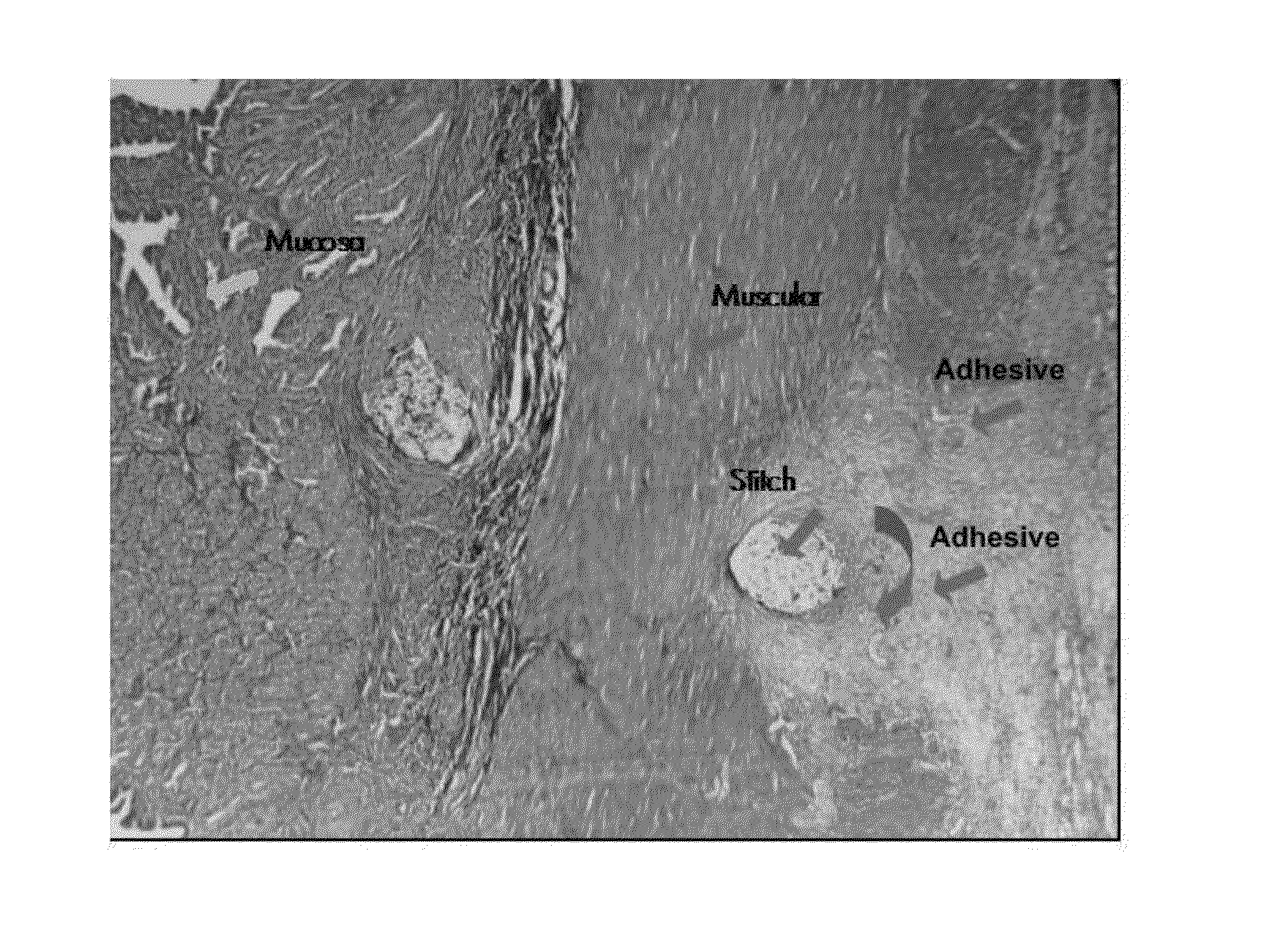
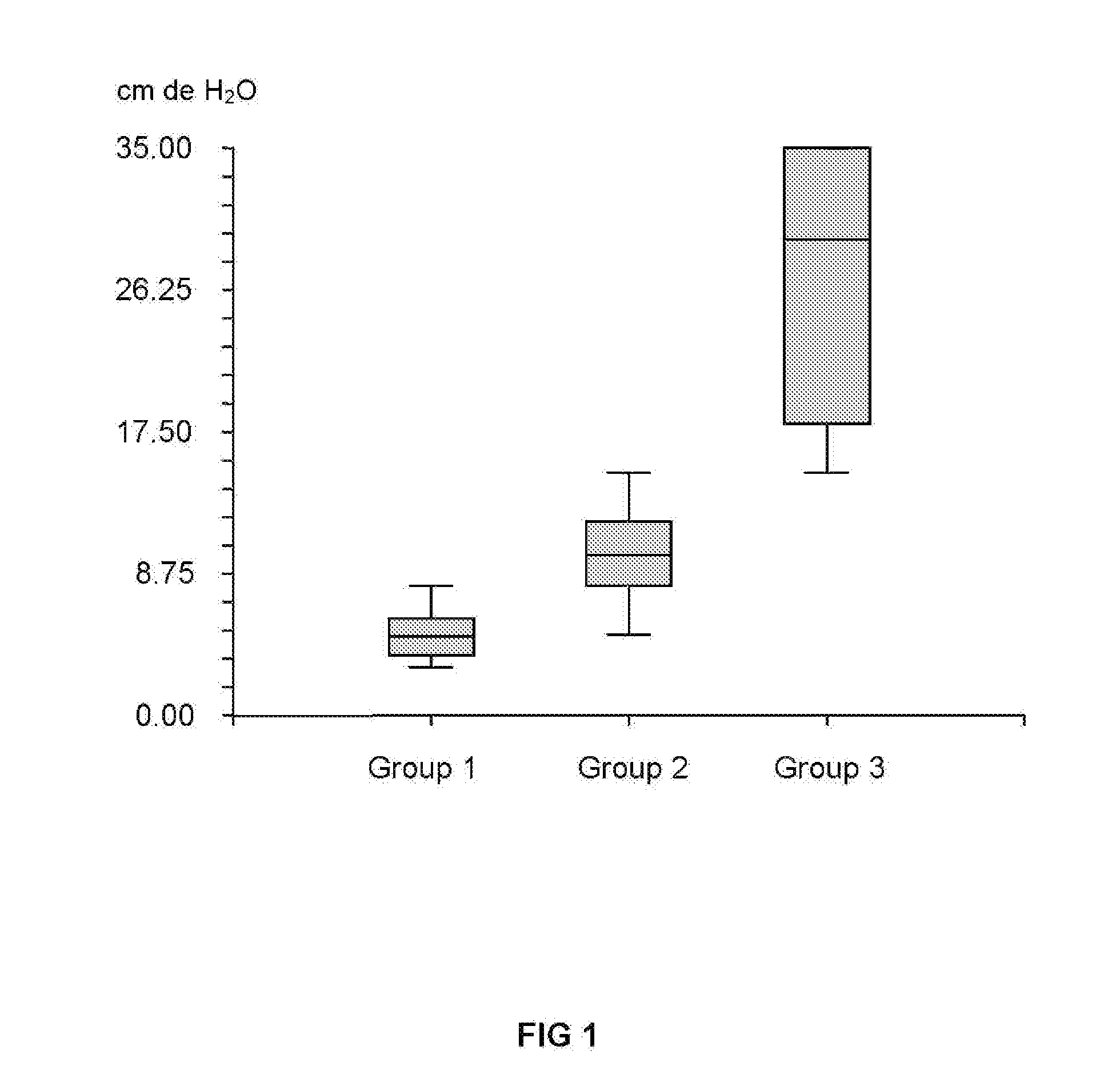
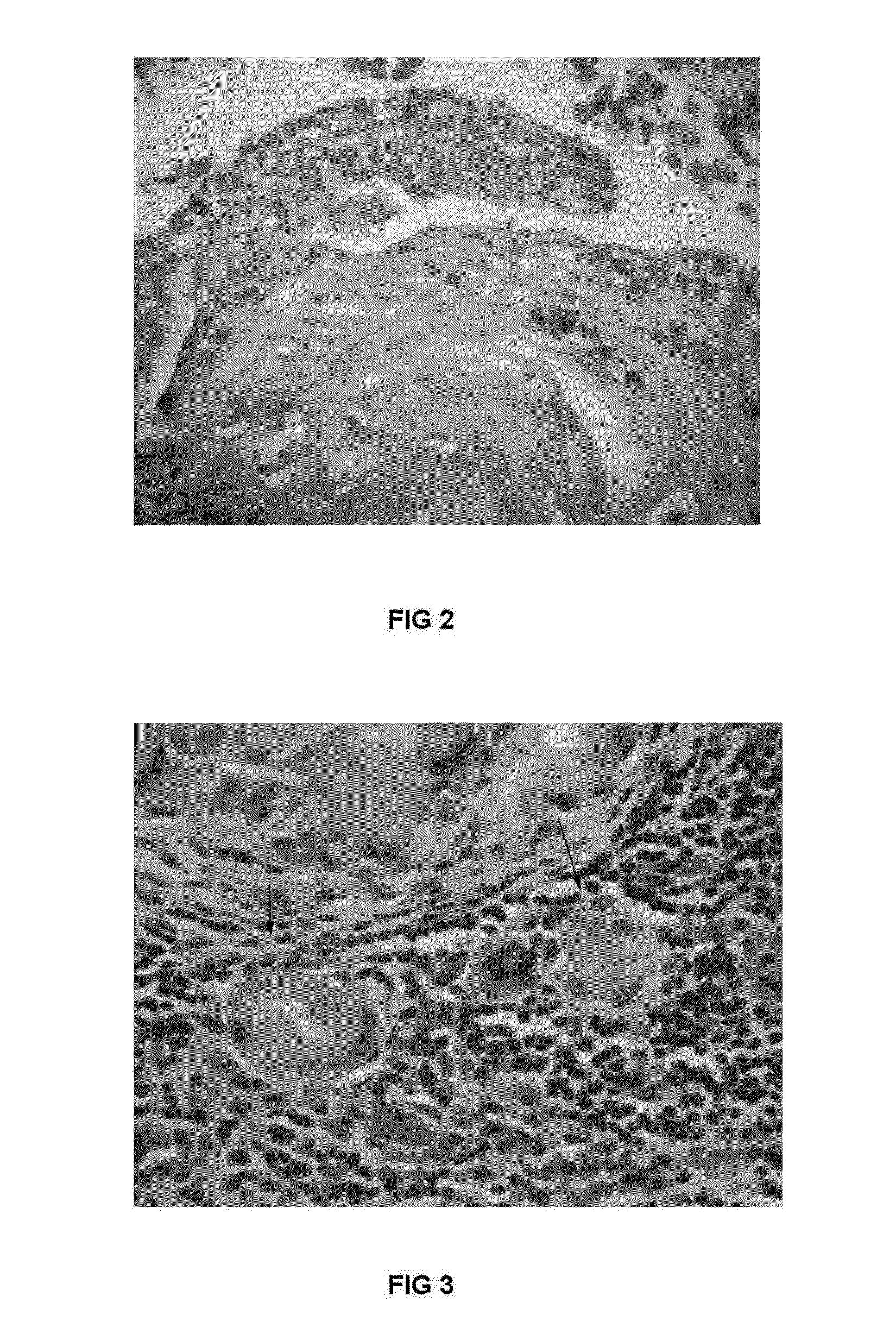
- A biodegradable, non-toxic thixotropic adhesive composed mainly of dextrin with a metal oxide component, providing high viscosity and adhesiveness, which remains stable for long periods without special storage conditions, and can be transformed into a gel for clinical use, offering temporary protection and promoting healing by sealing anastomotic sites and affixing prostheses.

Biocompatibility Testing Standards and Regulations
The biocompatibility assessment of thixotropic materials requires adherence to internationally recognized testing standards that ensure patient safety and regulatory compliance. The ISO 10993 series serves as the primary framework for biological evaluation of medical devices, with ISO 10993-1 providing guidance on evaluation and testing within a risk management process. This standard establishes the foundation for determining appropriate biocompatibility testing based on the nature and duration of patient contact.
For thixotropic materials intended for medical applications, cytotoxicity testing under ISO 10993-5 represents a fundamental requirement. This standard evaluates the potential of materials to cause cell death or inhibit cell growth through direct contact, extract testing, or indirect contact methods. The dynamic nature of thixotropic materials necessitates careful consideration of testing conditions, as their flow properties may influence cellular interactions and toxicity profiles.
Sensitization and irritation testing protocols outlined in ISO 10993-10 become particularly relevant for thixotropic formulations that may come into prolonged contact with tissues. These tests assess the potential for allergic reactions and local tissue irritation, which can be influenced by the material's rheological properties and the rate of structural recovery after shear stress application.
The FDA's guidance documents, particularly those addressing biocompatibility assessment for medical devices, provide additional regulatory framework specific to the United States market. The FDA emphasizes a risk-based approach that considers the chemical composition, manufacturing processes, and intended use of thixotropic materials. Recent updates to FDA guidance have incorporated ISO 10993-1:2018 requirements, streamlining the regulatory pathway while maintaining safety standards.
European regulations under the Medical Device Regulation (MDR 2017/745) impose stringent biocompatibility requirements that directly impact thixotropic material development. The MDR requires comprehensive biological safety data and emphasizes post-market surveillance, necessitating long-term biocompatibility monitoring of thixotropic formulations throughout their commercial lifecycle.
Specialized testing considerations for thixotropic materials include evaluation under dynamic conditions that simulate clinical use scenarios. Standard static testing methods may not adequately capture the biocompatibility profile of materials whose properties change under applied stress. This has led to the development of modified testing protocols that incorporate shear conditions and evaluate cellular responses to materials in both gel and sol states.
For thixotropic materials intended for medical applications, cytotoxicity testing under ISO 10993-5 represents a fundamental requirement. This standard evaluates the potential of materials to cause cell death or inhibit cell growth through direct contact, extract testing, or indirect contact methods. The dynamic nature of thixotropic materials necessitates careful consideration of testing conditions, as their flow properties may influence cellular interactions and toxicity profiles.
Sensitization and irritation testing protocols outlined in ISO 10993-10 become particularly relevant for thixotropic formulations that may come into prolonged contact with tissues. These tests assess the potential for allergic reactions and local tissue irritation, which can be influenced by the material's rheological properties and the rate of structural recovery after shear stress application.
The FDA's guidance documents, particularly those addressing biocompatibility assessment for medical devices, provide additional regulatory framework specific to the United States market. The FDA emphasizes a risk-based approach that considers the chemical composition, manufacturing processes, and intended use of thixotropic materials. Recent updates to FDA guidance have incorporated ISO 10993-1:2018 requirements, streamlining the regulatory pathway while maintaining safety standards.
European regulations under the Medical Device Regulation (MDR 2017/745) impose stringent biocompatibility requirements that directly impact thixotropic material development. The MDR requires comprehensive biological safety data and emphasizes post-market surveillance, necessitating long-term biocompatibility monitoring of thixotropic formulations throughout their commercial lifecycle.
Specialized testing considerations for thixotropic materials include evaluation under dynamic conditions that simulate clinical use scenarios. Standard static testing methods may not adequately capture the biocompatibility profile of materials whose properties change under applied stress. This has led to the development of modified testing protocols that incorporate shear conditions and evaluate cellular responses to materials in both gel and sol states.
Clinical Translation Pathways for Thixotropic Biomaterials
The clinical translation of thixotropic biomaterials requires a systematic approach that addresses regulatory requirements, safety validation, and efficacy demonstration. The pathway typically begins with comprehensive preclinical studies that establish the fundamental biocompatibility profile of the thixotropic material. These studies must demonstrate that the shear-thinning and recovery properties do not compromise cellular viability or trigger adverse immune responses.
Regulatory frameworks for thixotropic biomaterials vary significantly across jurisdictions, with the FDA, EMA, and other agencies requiring specific documentation of the material's rheological behavior under physiological conditions. The unique flow characteristics of these materials necessitate specialized testing protocols that evaluate both static biocompatibility and dynamic interactions with biological systems during shear-induced flow states.
Preclinical validation pathways must incorporate animal models that accurately simulate the intended clinical application environment. For injectable thixotropic biomaterials, studies should evaluate tissue response during both the injection process and subsequent gel recovery phases. This dual-phase assessment is critical because the material's biocompatibility profile may differ significantly between its fluid and gel states.
Clinical trial design for thixotropic biomaterials presents unique challenges in endpoint selection and safety monitoring. Phase I studies must establish safe injection parameters, including flow rates and delivery pressures that maintain biocompatibility while ensuring adequate material placement. The reversible nature of thixotropic behavior requires careful consideration of how mechanical disturbances during clinical use might affect therapeutic outcomes.
Manufacturing considerations play a crucial role in clinical translation, as the production process must maintain consistent thixotropic properties while meeting pharmaceutical-grade quality standards. Scale-up challenges include preserving the precise molecular architecture responsible for thixotropic behavior and ensuring batch-to-batch consistency in rheological performance.
Post-market surveillance strategies for thixotropic biomaterials must account for the long-term stability of the material's flow properties in vivo. Degradation products and their potential impact on surrounding tissues require ongoing monitoring, particularly as the thixotropic network structure evolves over time within the biological environment.
Regulatory frameworks for thixotropic biomaterials vary significantly across jurisdictions, with the FDA, EMA, and other agencies requiring specific documentation of the material's rheological behavior under physiological conditions. The unique flow characteristics of these materials necessitate specialized testing protocols that evaluate both static biocompatibility and dynamic interactions with biological systems during shear-induced flow states.
Preclinical validation pathways must incorporate animal models that accurately simulate the intended clinical application environment. For injectable thixotropic biomaterials, studies should evaluate tissue response during both the injection process and subsequent gel recovery phases. This dual-phase assessment is critical because the material's biocompatibility profile may differ significantly between its fluid and gel states.
Clinical trial design for thixotropic biomaterials presents unique challenges in endpoint selection and safety monitoring. Phase I studies must establish safe injection parameters, including flow rates and delivery pressures that maintain biocompatibility while ensuring adequate material placement. The reversible nature of thixotropic behavior requires careful consideration of how mechanical disturbances during clinical use might affect therapeutic outcomes.
Manufacturing considerations play a crucial role in clinical translation, as the production process must maintain consistent thixotropic properties while meeting pharmaceutical-grade quality standards. Scale-up challenges include preserving the precise molecular architecture responsible for thixotropic behavior and ensuring batch-to-batch consistency in rheological performance.
Post-market surveillance strategies for thixotropic biomaterials must account for the long-term stability of the material's flow properties in vivo. Degradation products and their potential impact on surrounding tissues require ongoing monitoring, particularly as the thixotropic network structure evolves over time within the biological environment.
Unlock deeper insights with Patsnap Eureka Quick Research — get a full tech report to explore trends and direct your research. Try now!
Generate Your Research Report Instantly with AI Agent
Supercharge your innovation with Patsnap Eureka AI Agent Platform!