Advanced Control Systems for Hydrothermal Circulation Performance
MAR 5, 20269 MIN READ
Generate Your Research Report Instantly with AI Agent
PatSnap Eureka helps you evaluate technical feasibility & market potential.
Hydrothermal Control Systems Background and Objectives
Hydrothermal circulation systems have emerged as critical components in various industrial applications, ranging from geothermal energy extraction to advanced manufacturing processes. These systems harness the natural or artificially induced circulation of heated fluids to achieve specific thermal management objectives. The evolution of hydrothermal technology traces back to early geothermal applications in the 1960s, where basic circulation principles were first systematically studied and implemented.
The technological landscape has witnessed significant advancement from simple passive circulation systems to sophisticated active control mechanisms. Early implementations relied primarily on natural convection and basic mechanical controls, limiting their efficiency and adaptability. The integration of digital control systems in the 1990s marked a pivotal transformation, enabling real-time monitoring and dynamic adjustment capabilities that substantially improved system performance and reliability.
Contemporary hydrothermal circulation systems face increasing demands for precision, efficiency, and environmental sustainability. Modern applications require precise temperature control within narrow tolerance bands, optimized energy consumption, and minimal environmental impact. These requirements have driven the development of advanced control algorithms, sensor integration technologies, and predictive maintenance capabilities that form the foundation of next-generation hydrothermal systems.
The primary objective of advanced control systems development centers on achieving optimal circulation performance through intelligent automation and adaptive control strategies. This encompasses real-time flow rate optimization, temperature gradient management, and energy efficiency maximization while maintaining system stability under varying operational conditions. Enhanced monitoring capabilities enable predictive maintenance scheduling and fault detection, reducing downtime and operational costs.
Future technological goals focus on implementing machine learning algorithms for predictive control, integrating renewable energy sources for sustainable operation, and developing autonomous systems capable of self-optimization. The convergence of Internet of Things technologies with hydrothermal systems promises unprecedented levels of connectivity and data-driven decision making, positioning these systems as integral components of smart industrial infrastructure.
The technological landscape has witnessed significant advancement from simple passive circulation systems to sophisticated active control mechanisms. Early implementations relied primarily on natural convection and basic mechanical controls, limiting their efficiency and adaptability. The integration of digital control systems in the 1990s marked a pivotal transformation, enabling real-time monitoring and dynamic adjustment capabilities that substantially improved system performance and reliability.
Contemporary hydrothermal circulation systems face increasing demands for precision, efficiency, and environmental sustainability. Modern applications require precise temperature control within narrow tolerance bands, optimized energy consumption, and minimal environmental impact. These requirements have driven the development of advanced control algorithms, sensor integration technologies, and predictive maintenance capabilities that form the foundation of next-generation hydrothermal systems.
The primary objective of advanced control systems development centers on achieving optimal circulation performance through intelligent automation and adaptive control strategies. This encompasses real-time flow rate optimization, temperature gradient management, and energy efficiency maximization while maintaining system stability under varying operational conditions. Enhanced monitoring capabilities enable predictive maintenance scheduling and fault detection, reducing downtime and operational costs.
Future technological goals focus on implementing machine learning algorithms for predictive control, integrating renewable energy sources for sustainable operation, and developing autonomous systems capable of self-optimization. The convergence of Internet of Things technologies with hydrothermal systems promises unprecedented levels of connectivity and data-driven decision making, positioning these systems as integral components of smart industrial infrastructure.
Market Demand for Advanced Hydrothermal Circulation Solutions
The global hydrothermal circulation systems market is experiencing unprecedented growth driven by increasing demand for sustainable energy solutions and enhanced geothermal resource utilization. Industrial sectors including power generation, district heating, and direct-use applications are actively seeking advanced control technologies to optimize system performance and maximize energy extraction efficiency.
Geothermal power generation represents the largest market segment, with utilities and independent power producers demanding sophisticated control systems capable of managing complex subsurface fluid dynamics. These stakeholders require solutions that can maintain optimal circulation rates, prevent thermal breakthrough, and extend reservoir lifespan while maximizing power output.
The industrial heating sector demonstrates strong demand for precise temperature control and flow management systems. Manufacturing facilities, greenhouse operations, and aquaculture installations increasingly rely on hydrothermal circulation for process heating, creating substantial market opportunities for advanced control technologies that can deliver consistent thermal performance.
District heating networks in Nordic countries, Eastern Europe, and emerging markets present significant growth potential. Municipal authorities and energy service companies seek intelligent control systems that can optimize heat distribution, reduce transmission losses, and integrate renewable energy sources effectively into existing infrastructure.
Enhanced geothermal systems development is driving demand for cutting-edge circulation control technologies. Oil and gas companies transitioning to geothermal energy require sophisticated monitoring and control solutions capable of managing engineered reservoirs and maintaining optimal fluid circulation in challenging geological conditions.
The market shows strong regional variations, with established geothermal markets in Iceland, New Zealand, and the western United States leading adoption of advanced control systems. Emerging markets in Southeast Asia, East Africa, and Latin America represent high-growth opportunities as geothermal development accelerates.
Technology integration trends indicate increasing demand for systems incorporating artificial intelligence, machine learning algorithms, and real-time optimization capabilities. End users prioritize solutions offering predictive maintenance, automated performance optimization, and seamless integration with existing supervisory control and data acquisition systems.
Environmental regulations and carbon reduction commitments are accelerating market adoption, with governments and corporations seeking reliable alternatives to fossil fuel-based heating systems. This regulatory environment creates sustained demand for proven, efficient hydrothermal circulation control technologies.
Geothermal power generation represents the largest market segment, with utilities and independent power producers demanding sophisticated control systems capable of managing complex subsurface fluid dynamics. These stakeholders require solutions that can maintain optimal circulation rates, prevent thermal breakthrough, and extend reservoir lifespan while maximizing power output.
The industrial heating sector demonstrates strong demand for precise temperature control and flow management systems. Manufacturing facilities, greenhouse operations, and aquaculture installations increasingly rely on hydrothermal circulation for process heating, creating substantial market opportunities for advanced control technologies that can deliver consistent thermal performance.
District heating networks in Nordic countries, Eastern Europe, and emerging markets present significant growth potential. Municipal authorities and energy service companies seek intelligent control systems that can optimize heat distribution, reduce transmission losses, and integrate renewable energy sources effectively into existing infrastructure.
Enhanced geothermal systems development is driving demand for cutting-edge circulation control technologies. Oil and gas companies transitioning to geothermal energy require sophisticated monitoring and control solutions capable of managing engineered reservoirs and maintaining optimal fluid circulation in challenging geological conditions.
The market shows strong regional variations, with established geothermal markets in Iceland, New Zealand, and the western United States leading adoption of advanced control systems. Emerging markets in Southeast Asia, East Africa, and Latin America represent high-growth opportunities as geothermal development accelerates.
Technology integration trends indicate increasing demand for systems incorporating artificial intelligence, machine learning algorithms, and real-time optimization capabilities. End users prioritize solutions offering predictive maintenance, automated performance optimization, and seamless integration with existing supervisory control and data acquisition systems.
Environmental regulations and carbon reduction commitments are accelerating market adoption, with governments and corporations seeking reliable alternatives to fossil fuel-based heating systems. This regulatory environment creates sustained demand for proven, efficient hydrothermal circulation control technologies.
Current State and Challenges in Hydrothermal Control Technology
The global hydrothermal control technology landscape presents a complex picture of varying maturity levels across different application domains. In geothermal energy systems, advanced control implementations have achieved significant penetration in developed markets, with countries like Iceland, New Zealand, and parts of the United States deploying sophisticated monitoring and control infrastructure. However, many emerging geothermal markets still rely on conventional control approaches that lack the precision and adaptability required for optimal performance optimization.
Industrial hydrothermal applications demonstrate considerable heterogeneity in control system sophistication. Large-scale chemical processing facilities and pharmaceutical manufacturing operations typically employ advanced distributed control systems with integrated thermal management capabilities. Conversely, smaller industrial operations often utilize legacy control systems that struggle to maintain optimal thermal circulation parameters under varying operational conditions.
The primary technical challenges facing hydrothermal control systems center on the inherent complexity of thermal fluid dynamics and the nonlinear behavior of circulation systems. Traditional proportional-integral-derivative controllers frequently exhibit inadequate performance when managing multi-phase flow conditions, temperature gradients, and pressure variations that characterize hydrothermal environments. These limitations become particularly pronounced during transient operations and system startup sequences.
Sensor integration and data acquisition represent critical bottlenecks in current implementations. Many existing systems suffer from insufficient sensor density, limited measurement accuracy under extreme thermal conditions, and inadequate real-time data processing capabilities. The harsh operating environments typical of hydrothermal applications pose significant challenges for sensor longevity and measurement reliability, leading to increased maintenance requirements and potential system performance degradation.
Control algorithm limitations constitute another fundamental challenge. Conventional control strategies often fail to account for the complex interdependencies between thermal, hydraulic, and chemical parameters in hydrothermal systems. The lack of robust predictive capabilities and adaptive control mechanisms results in suboptimal energy efficiency and reduced system reliability.
System integration complexity presents additional obstacles, particularly when retrofitting advanced control systems into existing hydrothermal infrastructure. Compatibility issues between legacy hardware and modern control platforms, along with the need for extensive system reconfiguration, create significant implementation barriers that limit widespread adoption of advanced control technologies.
Industrial hydrothermal applications demonstrate considerable heterogeneity in control system sophistication. Large-scale chemical processing facilities and pharmaceutical manufacturing operations typically employ advanced distributed control systems with integrated thermal management capabilities. Conversely, smaller industrial operations often utilize legacy control systems that struggle to maintain optimal thermal circulation parameters under varying operational conditions.
The primary technical challenges facing hydrothermal control systems center on the inherent complexity of thermal fluid dynamics and the nonlinear behavior of circulation systems. Traditional proportional-integral-derivative controllers frequently exhibit inadequate performance when managing multi-phase flow conditions, temperature gradients, and pressure variations that characterize hydrothermal environments. These limitations become particularly pronounced during transient operations and system startup sequences.
Sensor integration and data acquisition represent critical bottlenecks in current implementations. Many existing systems suffer from insufficient sensor density, limited measurement accuracy under extreme thermal conditions, and inadequate real-time data processing capabilities. The harsh operating environments typical of hydrothermal applications pose significant challenges for sensor longevity and measurement reliability, leading to increased maintenance requirements and potential system performance degradation.
Control algorithm limitations constitute another fundamental challenge. Conventional control strategies often fail to account for the complex interdependencies between thermal, hydraulic, and chemical parameters in hydrothermal systems. The lack of robust predictive capabilities and adaptive control mechanisms results in suboptimal energy efficiency and reduced system reliability.
System integration complexity presents additional obstacles, particularly when retrofitting advanced control systems into existing hydrothermal infrastructure. Compatibility issues between legacy hardware and modern control platforms, along with the need for extensive system reconfiguration, create significant implementation barriers that limit widespread adoption of advanced control technologies.
Current Advanced Control Solutions for Hydrothermal Systems
01 Model Predictive Control (MPC) for Enhanced System Performance
Advanced control systems utilize model predictive control algorithms to optimize system performance by predicting future states and adjusting control actions accordingly. This approach enables real-time optimization, constraint handling, and improved response to disturbances. The implementation of MPC frameworks allows for multi-variable control with enhanced stability and efficiency in complex industrial processes.- Model Predictive Control (MPC) for Enhanced System Performance: Advanced control systems utilize model predictive control algorithms to optimize system performance by predicting future states and adjusting control actions accordingly. This approach enables real-time optimization of complex processes, improving response time, stability, and overall system efficiency. The predictive nature allows for constraint handling and multi-variable optimization, making it suitable for industrial applications requiring precise control.
- Adaptive Control Algorithms for Dynamic System Optimization: Adaptive control techniques automatically adjust control parameters in response to changing system conditions and environmental factors. These algorithms learn from system behavior and modify their control strategies to maintain optimal performance under varying operational conditions. This self-tuning capability enhances robustness and reduces the need for manual recalibration, particularly beneficial in systems with time-varying characteristics or uncertain dynamics.
- Distributed Control Architecture for Scalable Performance: Distributed control systems employ multiple interconnected controllers working cooperatively to manage complex processes. This architecture enhances system reliability through redundancy, improves scalability, and reduces communication bottlenecks. The decentralized approach allows for modular design and easier maintenance while maintaining coordinated control across subsystems, making it ideal for large-scale industrial applications.
- Real-time Monitoring and Diagnostic Systems: Advanced performance monitoring systems continuously track control system parameters and detect anomalies or degradation in real-time. These diagnostic capabilities enable predictive maintenance, early fault detection, and performance optimization through data analytics. Integration of sensor networks and intelligent algorithms provides comprehensive system health assessment and supports decision-making for operational improvements.
- Intelligent Tuning and Optimization Methods: Automated tuning methodologies employ artificial intelligence and machine learning techniques to optimize control system parameters without extensive manual intervention. These methods analyze system responses, identify optimal settings, and continuously refine control strategies to achieve superior performance metrics. The intelligent approach reduces commissioning time and ensures sustained optimal operation across varying conditions.
02 Adaptive Control Algorithms for Dynamic System Optimization
Adaptive control techniques are employed to automatically adjust control parameters in response to changing system conditions and environmental factors. These algorithms continuously monitor system performance and modify control strategies to maintain optimal operation under varying conditions. The adaptive approach improves robustness and ensures consistent performance across different operating scenarios.Expand Specific Solutions03 Distributed Control Architecture for Improved Reliability
Distributed control systems enhance performance through decentralized processing and redundant control nodes that improve system reliability and fault tolerance. This architecture enables parallel processing, reduces single points of failure, and provides scalable solutions for large-scale industrial applications. The distributed approach facilitates better load balancing and faster response times.Expand Specific Solutions04 Real-time Performance Monitoring and Diagnostics
Advanced monitoring systems integrate real-time data acquisition and analysis capabilities to continuously assess control system performance. These systems employ sophisticated diagnostic algorithms to detect anomalies, predict potential failures, and provide actionable insights for maintenance optimization. The monitoring framework enables proactive system management and minimizes downtime.Expand Specific Solutions05 Intelligent Tuning and Optimization Methods
Intelligent tuning techniques leverage machine learning and artificial intelligence to automatically optimize control parameters and improve system performance. These methods analyze historical data, identify patterns, and implement self-learning algorithms that continuously refine control strategies. The intelligent optimization approach reduces manual tuning efforts and achieves superior performance compared to traditional methods.Expand Specific Solutions
Key Players in Hydrothermal Control Systems Industry
The advanced control systems for hydrothermal circulation performance market represents a mature yet evolving sector driven by energy efficiency demands and smart home integration. The industry has reached a consolidation phase with established players dominating through vertical integration and technological sophistication. Market size reflects substantial growth potential, particularly in Asia-Pacific regions where companies like Haier Smart Home, Gree Electric Appliances, and SUPCON Technology lead innovation. Technology maturity varies significantly across segments, with traditional manufacturers like Guangdong Vanward and Fotile advancing from conventional heating solutions toward intelligent control systems. Industrial automation specialists such as Mitsubishi Electric and research institutions like Harbin Institute of Technology are pushing boundaries in precision control algorithms and IoT integration, while emerging players like Vensum Power introduce disruptive power conversion technologies, indicating ongoing technological evolution.
SUPCON Technology Co., Ltd.
Technical Solution: SUPCON has developed advanced distributed control systems (DCS) specifically designed for hydrothermal circulation applications. Their WebField JX-300XP system integrates real-time monitoring, predictive control algorithms, and adaptive optimization for geothermal and hydrothermal processes. The system features multi-loop cascade control with feedforward compensation, enabling precise temperature and flow regulation in complex hydrothermal networks. Their solution incorporates machine learning algorithms for pattern recognition and fault prediction, achieving control accuracy within ±0.5% for temperature regulation and ±2% for flow control in hydrothermal circulation systems.
Strengths: Industry-leading DCS technology with proven track record in process control, strong R&D capabilities in automation systems. Weaknesses: Limited global market presence compared to international competitors, higher initial investment costs.
Haier Smart Home Co., Ltd.
Technical Solution: Haier Smart Home has developed IoT-enabled control systems for residential and commercial hydrothermal circulation applications. Their smart thermostat and heat pump control technology integrates cloud-based analytics with local control units, enabling remote monitoring and optimization of hydrothermal systems. The solution features adaptive learning algorithms that analyze usage patterns and environmental conditions to optimize energy efficiency. Their system supports integration with renewable energy sources and includes predictive maintenance capabilities through continuous monitoring of system parameters. The platform achieves energy savings of up to 25% compared to conventional control methods through intelligent scheduling and load balancing.
Strengths: Strong consumer market presence, innovative IoT integration capabilities, cost-effective solutions for residential applications. Weaknesses: Limited experience in large-scale industrial hydrothermal systems, less sophisticated compared to specialized industrial control providers.
Core Technologies in Hydrothermal Performance Optimization
Regulation system for a thermo-hydraulic circuit and control method
PatentActiveUS20230109989A1
Innovation
- A regulation system for a thermo-hydraulic circuit that includes an electronic control unit to jointly control a three-way valve and a pump, using a model function and feedback mechanisms to calculate and adjust valve and pump control signals based on temperature and flow rate errors, allowing simultaneous control of temperature and flow rate.


Energy control system and control method for heating and cooling water circulation
PatentInactiveCN102269444A
Innovation
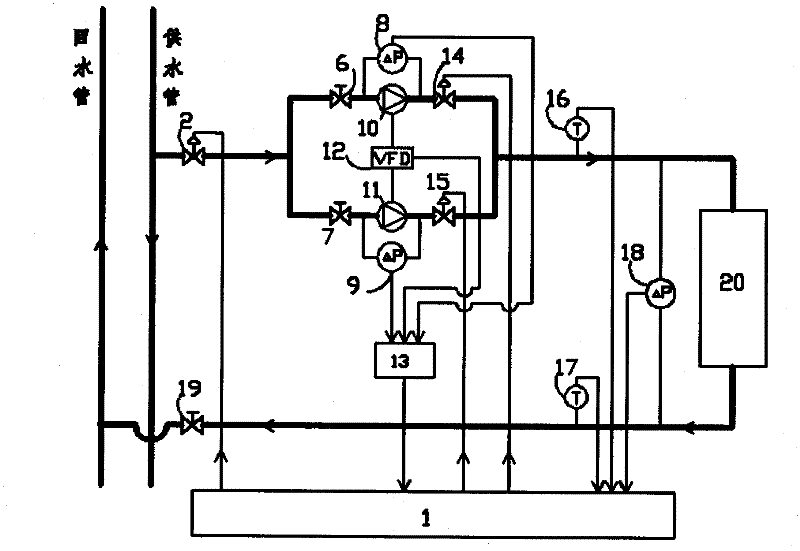
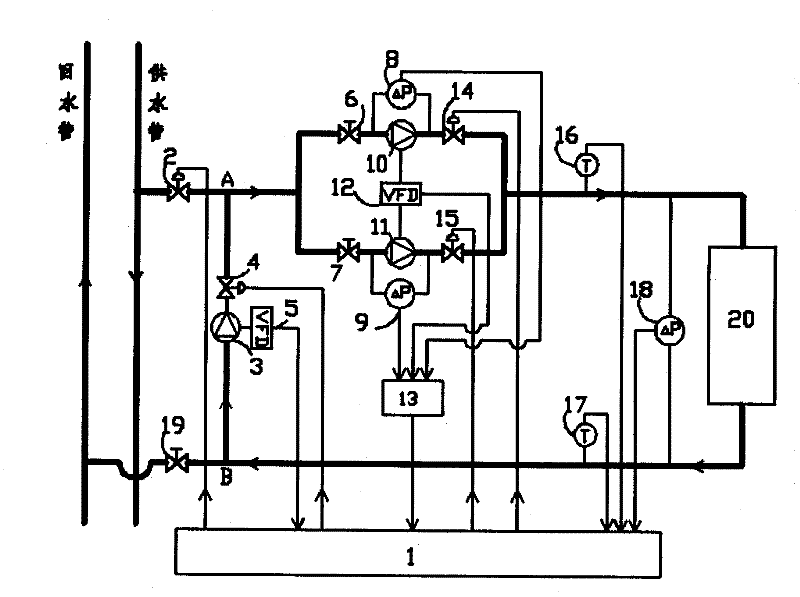
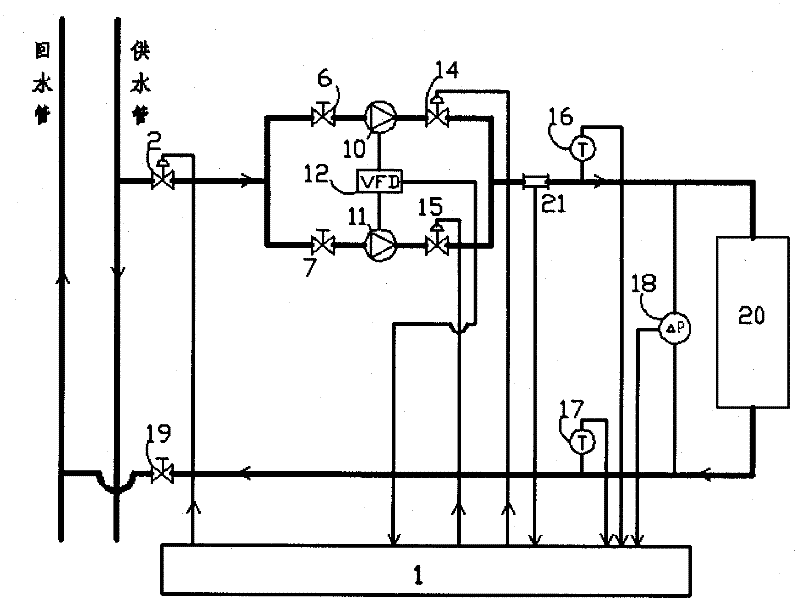
- Adopting a water circulation energy control system, including heat source water supply and return pipelines, water pumps, frequency converters, flow meters, electric control valves, differential pressure sensors, temperature sensors and controllers, through real-time monitoring and optimization of water pump frequency and valve opening, the system can be controlled Dynamic adjustment of flow and temperature to reduce energy waste.

Environmental Regulations for Hydrothermal Systems
Environmental regulations governing hydrothermal systems have evolved significantly over the past two decades, driven by increasing awareness of geothermal energy's environmental impacts and the need for sustainable resource management. These regulatory frameworks encompass multiple jurisdictions, from international guidelines to local permitting requirements, creating a complex compliance landscape for advanced control systems implementation.
The primary regulatory focus centers on water resource protection, given hydrothermal systems' substantial interaction with groundwater aquifers and surface water bodies. The Clean Water Act in the United States, along with similar legislation in Europe and Asia-Pacific regions, establishes stringent discharge standards for geothermal fluids. These regulations mandate continuous monitoring of water temperature, chemical composition, and flow rates, directly influencing control system design requirements for real-time environmental parameter tracking.
Air quality regulations present another critical compliance dimension, particularly regarding hydrogen sulfide emissions and other non-condensable gases. The Environmental Protection Agency's New Source Performance Standards require geothermal facilities to implement advanced emission control technologies, necessitating sophisticated control systems capable of managing gas treatment processes while maintaining operational efficiency.
Seismic activity monitoring has emerged as a mandatory regulatory requirement in most jurisdictions following increased awareness of induced seismicity risks. Control systems must now integrate real-time seismic monitoring capabilities and implement automated shutdown protocols when predetermined thresholds are exceeded. This regulatory evolution has driven significant innovation in predictive control algorithms and safety system integration.
Land use and wildlife protection regulations add additional complexity, requiring control systems to minimize surface disturbance and implement noise reduction measures. Recent regulatory updates in California and Iceland have established specific operational windows to protect migratory species, demanding flexible control strategies that can adapt to seasonal restrictions.
The regulatory trend toward carbon accounting and lifecycle environmental impact assessment is reshaping control system requirements. New regulations mandate comprehensive monitoring of the entire hydrothermal circulation process, from extraction through reinjection, requiring integrated data management systems capable of supporting environmental reporting obligations while optimizing operational performance within regulatory constraints.
The primary regulatory focus centers on water resource protection, given hydrothermal systems' substantial interaction with groundwater aquifers and surface water bodies. The Clean Water Act in the United States, along with similar legislation in Europe and Asia-Pacific regions, establishes stringent discharge standards for geothermal fluids. These regulations mandate continuous monitoring of water temperature, chemical composition, and flow rates, directly influencing control system design requirements for real-time environmental parameter tracking.
Air quality regulations present another critical compliance dimension, particularly regarding hydrogen sulfide emissions and other non-condensable gases. The Environmental Protection Agency's New Source Performance Standards require geothermal facilities to implement advanced emission control technologies, necessitating sophisticated control systems capable of managing gas treatment processes while maintaining operational efficiency.
Seismic activity monitoring has emerged as a mandatory regulatory requirement in most jurisdictions following increased awareness of induced seismicity risks. Control systems must now integrate real-time seismic monitoring capabilities and implement automated shutdown protocols when predetermined thresholds are exceeded. This regulatory evolution has driven significant innovation in predictive control algorithms and safety system integration.
Land use and wildlife protection regulations add additional complexity, requiring control systems to minimize surface disturbance and implement noise reduction measures. Recent regulatory updates in California and Iceland have established specific operational windows to protect migratory species, demanding flexible control strategies that can adapt to seasonal restrictions.
The regulatory trend toward carbon accounting and lifecycle environmental impact assessment is reshaping control system requirements. New regulations mandate comprehensive monitoring of the entire hydrothermal circulation process, from extraction through reinjection, requiring integrated data management systems capable of supporting environmental reporting obligations while optimizing operational performance within regulatory constraints.
Energy Efficiency Standards and Sustainability Requirements
The implementation of advanced control systems for hydrothermal circulation performance must align with increasingly stringent energy efficiency standards established by international regulatory bodies. Current standards such as ISO 50001 for energy management systems and ASHRAE 90.1 for building energy efficiency provide frameworks that directly impact hydrothermal system design requirements. These standards mandate minimum efficiency ratings, typically requiring coefficient of performance (COP) values exceeding 4.0 for ground-source heat pump systems and establishing maximum energy consumption thresholds per unit of thermal output.
Emerging regulatory frameworks are introducing more comprehensive sustainability metrics beyond traditional energy efficiency measures. The European Union's Energy Performance of Buildings Directive (EPBD) and similar regulations in North America now incorporate lifecycle carbon assessments, requiring hydrothermal systems to demonstrate reduced environmental impact throughout their operational lifespan. These evolving standards necessitate advanced control systems capable of optimizing not only immediate energy consumption but also long-term environmental performance indicators.
Sustainability requirements are driving the integration of renewable energy sources and grid-interactive capabilities within hydrothermal circulation systems. Modern standards emphasize demand response functionality, requiring control systems to modulate operation based on grid conditions and renewable energy availability. This includes compliance with IEEE 2030 standards for smart grid interoperability and the ability to participate in utility demand management programs while maintaining optimal thermal performance.
Water conservation and resource management have become critical components of sustainability requirements for hydrothermal systems. Advanced control systems must now incorporate water quality monitoring, minimize makeup water requirements, and optimize chemical treatment processes to extend system lifespan. Compliance with standards such as LEED v4.1 and BREEAM requires demonstration of water use efficiency improvements of at least 20% compared to baseline systems.
Future sustainability requirements are expected to mandate real-time environmental impact reporting and predictive maintenance capabilities. Control systems will need to provide continuous monitoring of energy consumption patterns, refrigerant leakage detection, and predictive analytics for component replacement scheduling. These requirements align with emerging circular economy principles and will likely become mandatory for commercial hydrothermal installations within the next five years.
Emerging regulatory frameworks are introducing more comprehensive sustainability metrics beyond traditional energy efficiency measures. The European Union's Energy Performance of Buildings Directive (EPBD) and similar regulations in North America now incorporate lifecycle carbon assessments, requiring hydrothermal systems to demonstrate reduced environmental impact throughout their operational lifespan. These evolving standards necessitate advanced control systems capable of optimizing not only immediate energy consumption but also long-term environmental performance indicators.
Sustainability requirements are driving the integration of renewable energy sources and grid-interactive capabilities within hydrothermal circulation systems. Modern standards emphasize demand response functionality, requiring control systems to modulate operation based on grid conditions and renewable energy availability. This includes compliance with IEEE 2030 standards for smart grid interoperability and the ability to participate in utility demand management programs while maintaining optimal thermal performance.
Water conservation and resource management have become critical components of sustainability requirements for hydrothermal systems. Advanced control systems must now incorporate water quality monitoring, minimize makeup water requirements, and optimize chemical treatment processes to extend system lifespan. Compliance with standards such as LEED v4.1 and BREEAM requires demonstration of water use efficiency improvements of at least 20% compared to baseline systems.
Future sustainability requirements are expected to mandate real-time environmental impact reporting and predictive maintenance capabilities. Control systems will need to provide continuous monitoring of energy consumption patterns, refrigerant leakage detection, and predictive analytics for component replacement scheduling. These requirements align with emerging circular economy principles and will likely become mandatory for commercial hydrothermal installations within the next five years.
Unlock deeper insights with PatSnap Eureka Quick Research — get a full tech report to explore trends and direct your research. Try now!
Generate Your Research Report Instantly with AI Agent
Supercharge your innovation with PatSnap Eureka AI Agent Platform!