

Air Bearings: How To Optimize Precision Performance
MAY 12, 20269 MIN READ
Generate Your Research Report Instantly with AI Agent
PatSnap Eureka helps you evaluate technical feasibility & market potential.
Air Bearing Technology Background and Precision Goals
Air bearing technology represents a revolutionary approach to precision motion control, utilizing pressurized air to create a frictionless interface between moving components. This non-contact bearing system eliminates mechanical wear and provides exceptional smoothness in motion applications. The fundamental principle involves creating a thin film of pressurized air that separates surfaces, enabling virtually friction-free movement with nanometer-level precision capabilities.
The evolution of air bearing technology traces back to the mid-20th century when aerospace and semiconductor industries demanded ultra-precise positioning systems. Early developments focused on basic pneumatic levitation principles, gradually advancing to sophisticated multi-axis systems capable of supporting heavy loads while maintaining exceptional accuracy. The technology has progressed from simple radial designs to complex hybrid systems incorporating active feedback control mechanisms.
Modern air bearing systems have achieved remarkable precision milestones, with positioning accuracies reaching sub-nanometer levels and repeatability specifications often exceeding traditional mechanical bearing systems by orders of magnitude. Contemporary applications span semiconductor manufacturing, metrology equipment, optical systems, and high-precision machining centers where thermal stability and vibration isolation are critical performance factors.
The primary technical objectives driving current air bearing development center on optimizing the balance between load capacity, stiffness, and precision performance. Engineers continuously work to minimize air consumption while maximizing dynamic stiffness, addressing challenges related to pneumatic hammer effects and thermal drift. Advanced computational fluid dynamics modeling now enables precise prediction of bearing performance characteristics under various operating conditions.
Emerging precision goals focus on achieving atomic-scale positioning accuracy while maintaining robust performance in industrial environments. Integration with advanced control algorithms and real-time compensation systems represents the next frontier in air bearing technology. The industry targets sub-angstrom repeatability for next-generation lithography systems and ultra-precision manufacturing applications, pushing the boundaries of what mechanical systems can achieve in terms of accuracy and stability.
The evolution of air bearing technology traces back to the mid-20th century when aerospace and semiconductor industries demanded ultra-precise positioning systems. Early developments focused on basic pneumatic levitation principles, gradually advancing to sophisticated multi-axis systems capable of supporting heavy loads while maintaining exceptional accuracy. The technology has progressed from simple radial designs to complex hybrid systems incorporating active feedback control mechanisms.
Modern air bearing systems have achieved remarkable precision milestones, with positioning accuracies reaching sub-nanometer levels and repeatability specifications often exceeding traditional mechanical bearing systems by orders of magnitude. Contemporary applications span semiconductor manufacturing, metrology equipment, optical systems, and high-precision machining centers where thermal stability and vibration isolation are critical performance factors.
The primary technical objectives driving current air bearing development center on optimizing the balance between load capacity, stiffness, and precision performance. Engineers continuously work to minimize air consumption while maximizing dynamic stiffness, addressing challenges related to pneumatic hammer effects and thermal drift. Advanced computational fluid dynamics modeling now enables precise prediction of bearing performance characteristics under various operating conditions.
Emerging precision goals focus on achieving atomic-scale positioning accuracy while maintaining robust performance in industrial environments. Integration with advanced control algorithms and real-time compensation systems represents the next frontier in air bearing technology. The industry targets sub-angstrom repeatability for next-generation lithography systems and ultra-precision manufacturing applications, pushing the boundaries of what mechanical systems can achieve in terms of accuracy and stability.
Market Demand for High-Precision Air Bearing Applications
The semiconductor manufacturing industry represents the largest and most demanding market segment for high-precision air bearing applications. Modern semiconductor fabrication equipment requires positioning accuracies in the nanometer range, driving substantial demand for ultra-precise air bearing systems. Photolithography steppers, electron beam lithography systems, and wafer inspection equipment all rely heavily on air bearing technology to achieve the required precision levels. The continuous push toward smaller feature sizes and higher chip densities intensifies the need for increasingly sophisticated air bearing solutions.
Precision metrology and measurement equipment constitutes another critical market segment experiencing robust growth. Coordinate measuring machines, surface profilers, and optical measurement systems demand air bearings capable of delivering exceptional straightness, minimal vibration transmission, and thermal stability. The expanding quality control requirements across manufacturing industries fuel consistent demand for these high-precision measurement solutions.
The machine tool industry shows increasing adoption of air bearing technology, particularly in ultra-precision machining applications. Diamond turning machines, precision grinding equipment, and micro-machining centers utilize air bearings to achieve surface finishes and dimensional tolerances previously unattainable with conventional bearing systems. The growing demand for precision optical components, medical devices, and aerospace parts drives this market expansion.
Medical and biotechnology applications represent an emerging high-growth segment. Precision surgical robots, advanced imaging systems, and laboratory automation equipment increasingly incorporate air bearing technology to eliminate contamination risks while maintaining exceptional positioning accuracy. The sterile, maintenance-free operation characteristics of air bearings align perfectly with stringent medical industry requirements.
Aerospace and defense applications continue to drive demand for specialized air bearing solutions. Satellite positioning systems, telescope mounts, and precision guidance equipment require bearings capable of operating in extreme environments while maintaining exceptional accuracy. The increasing complexity of space missions and defense systems sustains steady market growth in this sector.
The overall market trajectory indicates strong growth potential, driven by advancing manufacturing precision requirements, expanding automation across industries, and emerging applications in biotechnology and renewable energy sectors. Regional demand patterns show particular strength in Asia-Pacific manufacturing hubs, North American technology centers, and European precision engineering markets.
Precision metrology and measurement equipment constitutes another critical market segment experiencing robust growth. Coordinate measuring machines, surface profilers, and optical measurement systems demand air bearings capable of delivering exceptional straightness, minimal vibration transmission, and thermal stability. The expanding quality control requirements across manufacturing industries fuel consistent demand for these high-precision measurement solutions.
The machine tool industry shows increasing adoption of air bearing technology, particularly in ultra-precision machining applications. Diamond turning machines, precision grinding equipment, and micro-machining centers utilize air bearings to achieve surface finishes and dimensional tolerances previously unattainable with conventional bearing systems. The growing demand for precision optical components, medical devices, and aerospace parts drives this market expansion.
Medical and biotechnology applications represent an emerging high-growth segment. Precision surgical robots, advanced imaging systems, and laboratory automation equipment increasingly incorporate air bearing technology to eliminate contamination risks while maintaining exceptional positioning accuracy. The sterile, maintenance-free operation characteristics of air bearings align perfectly with stringent medical industry requirements.
Aerospace and defense applications continue to drive demand for specialized air bearing solutions. Satellite positioning systems, telescope mounts, and precision guidance equipment require bearings capable of operating in extreme environments while maintaining exceptional accuracy. The increasing complexity of space missions and defense systems sustains steady market growth in this sector.
The overall market trajectory indicates strong growth potential, driven by advancing manufacturing precision requirements, expanding automation across industries, and emerging applications in biotechnology and renewable energy sectors. Regional demand patterns show particular strength in Asia-Pacific manufacturing hubs, North American technology centers, and European precision engineering markets.
Current State and Challenges in Air Bearing Precision
Air bearing technology has reached a sophisticated level of development, with precision performance capabilities extending into the nanometer range. Current state-of-the-art systems can achieve positioning accuracies of less than 10 nanometers and rotational accuracies below 0.1 arc-seconds. These achievements are primarily concentrated in high-end manufacturing sectors, including semiconductor fabrication, precision metrology, and advanced optical systems. Leading implementations demonstrate exceptional stiffness characteristics, with radial stiffness values exceeding 100 N/μm in optimized designs.
The geographical distribution of advanced air bearing technology shows significant concentration in developed industrial regions. Japan, Germany, and the United States maintain dominant positions in ultra-precision applications, while emerging markets in Asia are rapidly developing capabilities in mid-range precision segments. European manufacturers excel in machine tool applications, whereas North American companies lead in semiconductor and aerospace implementations.
Despite technological advances, several critical challenges persist in optimizing precision performance. Thermal management remains a primary constraint, as temperature variations of even 0.1°C can cause dimensional changes that compromise nanometer-level accuracy. Air supply quality presents another significant challenge, requiring filtration systems capable of removing particles smaller than 0.1 micrometers while maintaining consistent pressure and flow characteristics.
Dynamic performance limitations continue to restrict applications requiring high-speed operations with simultaneous precision demands. Pneumatic hammer effects, caused by supply pressure fluctuations, can induce vibrations that degrade positioning accuracy. Additionally, the inherent compressibility of air creates compliance issues that affect system stiffness, particularly under varying load conditions.
Manufacturing tolerances represent a fundamental bottleneck in achieving optimal performance. Surface finish requirements often demand Ra values below 0.025 micrometers, while geometric tolerances must be maintained within sub-micrometer ranges. These stringent requirements significantly increase production costs and limit widespread adoption.
Environmental sensitivity poses ongoing challenges for precision applications. Humidity variations affect air density and viscosity, while atmospheric pressure changes influence bearing characteristics. Contamination control requires sophisticated clean room environments, adding complexity and operational costs to precision systems.
Integration complexity with feedback control systems presents additional technical hurdles. Achieving optimal performance requires sophisticated compensation algorithms to address nonlinear behaviors, thermal drift, and dynamic coupling effects between multiple axes in multi-dimensional positioning systems.
The geographical distribution of advanced air bearing technology shows significant concentration in developed industrial regions. Japan, Germany, and the United States maintain dominant positions in ultra-precision applications, while emerging markets in Asia are rapidly developing capabilities in mid-range precision segments. European manufacturers excel in machine tool applications, whereas North American companies lead in semiconductor and aerospace implementations.
Despite technological advances, several critical challenges persist in optimizing precision performance. Thermal management remains a primary constraint, as temperature variations of even 0.1°C can cause dimensional changes that compromise nanometer-level accuracy. Air supply quality presents another significant challenge, requiring filtration systems capable of removing particles smaller than 0.1 micrometers while maintaining consistent pressure and flow characteristics.
Dynamic performance limitations continue to restrict applications requiring high-speed operations with simultaneous precision demands. Pneumatic hammer effects, caused by supply pressure fluctuations, can induce vibrations that degrade positioning accuracy. Additionally, the inherent compressibility of air creates compliance issues that affect system stiffness, particularly under varying load conditions.
Manufacturing tolerances represent a fundamental bottleneck in achieving optimal performance. Surface finish requirements often demand Ra values below 0.025 micrometers, while geometric tolerances must be maintained within sub-micrometer ranges. These stringent requirements significantly increase production costs and limit widespread adoption.
Environmental sensitivity poses ongoing challenges for precision applications. Humidity variations affect air density and viscosity, while atmospheric pressure changes influence bearing characteristics. Contamination control requires sophisticated clean room environments, adding complexity and operational costs to precision systems.
Integration complexity with feedback control systems presents additional technical hurdles. Achieving optimal performance requires sophisticated compensation algorithms to address nonlinear behaviors, thermal drift, and dynamic coupling effects between multiple axes in multi-dimensional positioning systems.
Current Solutions for Air Bearing Precision Optimization
01 Air bearing structural design and configuration optimization
Advanced structural designs and configurations for air bearings that optimize the bearing geometry, air flow patterns, and load distribution to enhance precision performance. These designs focus on improving the bearing's ability to maintain stable positioning and reduce vibrations through optimized air gap control and bearing surface configurations.- Air bearing surface design and geometry optimization: Advanced surface design techniques and geometric configurations are employed to optimize air bearing performance. These include specialized groove patterns, surface textures, and bearing pad configurations that enhance load capacity and stability. The geometric parameters such as bearing clearance, surface area distribution, and flow channel design are critical factors in achieving high precision performance.
- Pressure control and air supply systems: Sophisticated pressure regulation and air supply mechanisms are implemented to maintain consistent bearing performance. These systems include pressure feedback control, flow rate optimization, and supply pressure stabilization techniques. Advanced control algorithms and sensor integration ensure stable air film thickness and uniform pressure distribution across the bearing surface.
- Dynamic compensation and active control methods: Active compensation systems are developed to counteract external disturbances and maintain precision positioning. These methods involve real-time monitoring of bearing performance parameters and automatic adjustment of operating conditions. Dynamic response optimization and vibration suppression techniques are integrated to enhance overall system stability and accuracy.
- Material selection and surface treatment technologies: Specialized materials and surface treatment processes are utilized to improve bearing durability and performance characteristics. These include advanced coating technologies, surface hardening treatments, and material compositions that provide enhanced wear resistance and thermal stability. The selection of appropriate materials ensures long-term precision maintenance under various operating conditions.
- Measurement and calibration systems for precision assessment: Comprehensive measurement and calibration methodologies are employed to evaluate and maintain air bearing precision performance. These systems incorporate high-resolution sensors, precision measurement instruments, and automated calibration procedures. Advanced metrology techniques enable accurate assessment of bearing characteristics such as stiffness, damping, and positioning accuracy.
02 Precision control systems and feedback mechanisms
Implementation of sophisticated control systems and feedback mechanisms that monitor and adjust air bearing performance in real-time. These systems utilize sensors and control algorithms to maintain optimal air pressure, positioning accuracy, and dynamic response characteristics for high-precision applications.Expand Specific Solutions03 Air supply and pressure regulation technologies
Advanced air supply systems and pressure regulation technologies that ensure consistent and stable air flow to the bearing surfaces. These technologies focus on maintaining uniform pressure distribution, reducing pressure fluctuations, and optimizing air consumption for enhanced bearing performance and reliability.Expand Specific Solutions04 Surface treatment and material optimization
Specialized surface treatments and material selection techniques that improve the performance characteristics of air bearing components. These approaches focus on reducing surface roughness, enhancing wear resistance, and optimizing material properties to achieve better precision and longer service life.Expand Specific Solutions05 Dynamic performance enhancement and vibration control
Technologies and methods for enhancing the dynamic performance of air bearings through vibration control, damping mechanisms, and stability improvements. These solutions address issues related to dynamic stiffness, resonance suppression, and motion accuracy under varying operational conditions.Expand Specific Solutions
Key Players in Air Bearing and Precision Manufacturing
The air bearing technology market is experiencing significant growth driven by increasing demand for ultra-precision manufacturing and positioning systems. The industry is in a mature development stage with established players like FANUC Corp., Canon Inc., and Carl Zeiss leading in high-precision applications, while companies such as Schaeffler Technologies and NTN Corp. dominate bearing manufacturing. Technology maturity varies across segments, with aerospace applications by Airbus Operations and semiconductor equipment by Western Digital Technologies representing advanced implementations. Research institutions including Harbin Institute of Technology and China Jiliang University are advancing fundamental research, while specialized manufacturers like HIWIN Mikrosystem and Integrated Dynamics Engineering focus on precision motion control solutions. The competitive landscape shows strong consolidation among established industrial giants alongside emerging specialized technology providers targeting niche high-precision applications.
FANUC Corp.
Technical Solution: FANUC has developed advanced air bearing systems for ultra-precision machining applications, particularly in their high-speed spindle technology. Their air bearing solutions incorporate adaptive control algorithms that continuously monitor and adjust bearing gap clearances in real-time to maintain optimal stiffness and damping characteristics. The company's proprietary porous media air bearing design utilizes micro-porous carbon materials to achieve uniform pressure distribution across the bearing surface, resulting in sub-micron positioning accuracy. Their systems feature integrated temperature compensation mechanisms and advanced filtration systems to ensure consistent performance under varying operating conditions.
Strengths: Excellent integration with CNC systems, proven reliability in industrial applications, advanced control algorithms. Weaknesses: Higher cost compared to conventional bearings, requires clean compressed air supply, limited load capacity compared to mechanical bearings.
Carl Zeiss Industrielle Messtechnik GmbH
Technical Solution: Carl Zeiss has developed sophisticated air bearing technology for their coordinate measuring machines (CMMs) and optical inspection systems. Their air bearing design focuses on achieving nanometer-level precision through the use of aerostatic bearing principles with precisely machined bearing surfaces and optimized air flow patterns. The company employs computational fluid dynamics modeling to optimize bearing geometry and air supply configurations, resulting in minimal thermal drift and exceptional rotational accuracy. Their systems incorporate multi-zone pressure control and active vibration isolation to maintain measurement precision even in challenging industrial environments.
Strengths: Exceptional precision and accuracy, excellent thermal stability, superior vibration isolation capabilities. Weaknesses: Requires highly controlled environment, expensive maintenance, sensitive to air quality variations.
Core Technologies in Air Bearing Precision Enhancement
Fluid bearing structure and assembly method for fluid bearing structure
PatentInactiveEP2037136A2
Innovation
- A fluid bearing structure comprising a bearing guide and a slider with different thermal expansion coefficients, assembled with zero clearance at a specific temperature, allowing the bearing clearance to adjust based on temperature differences, eliminating the need for complex adjustments.


Air bearing structure
PatentInactiveUS20160363165A1
Innovation
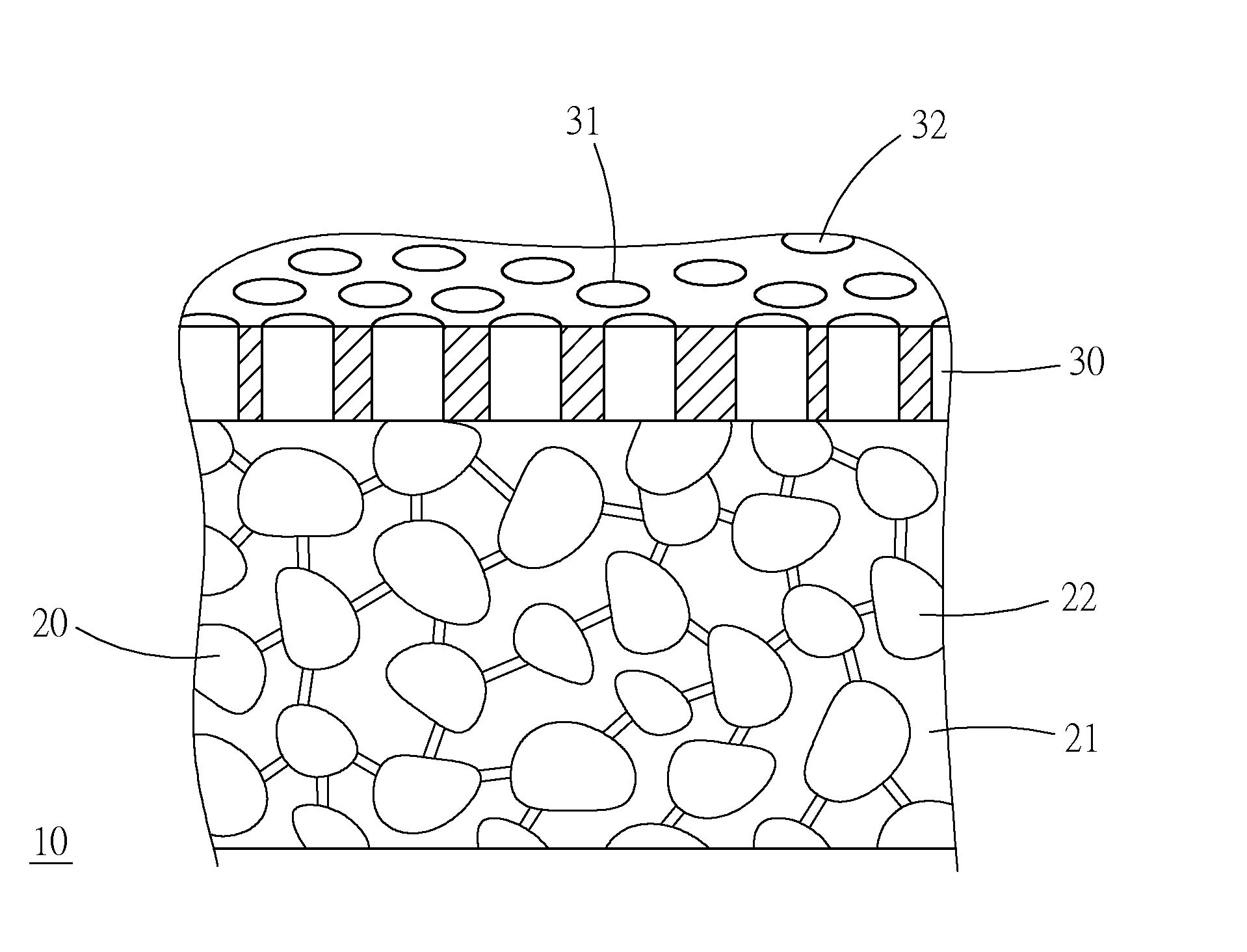
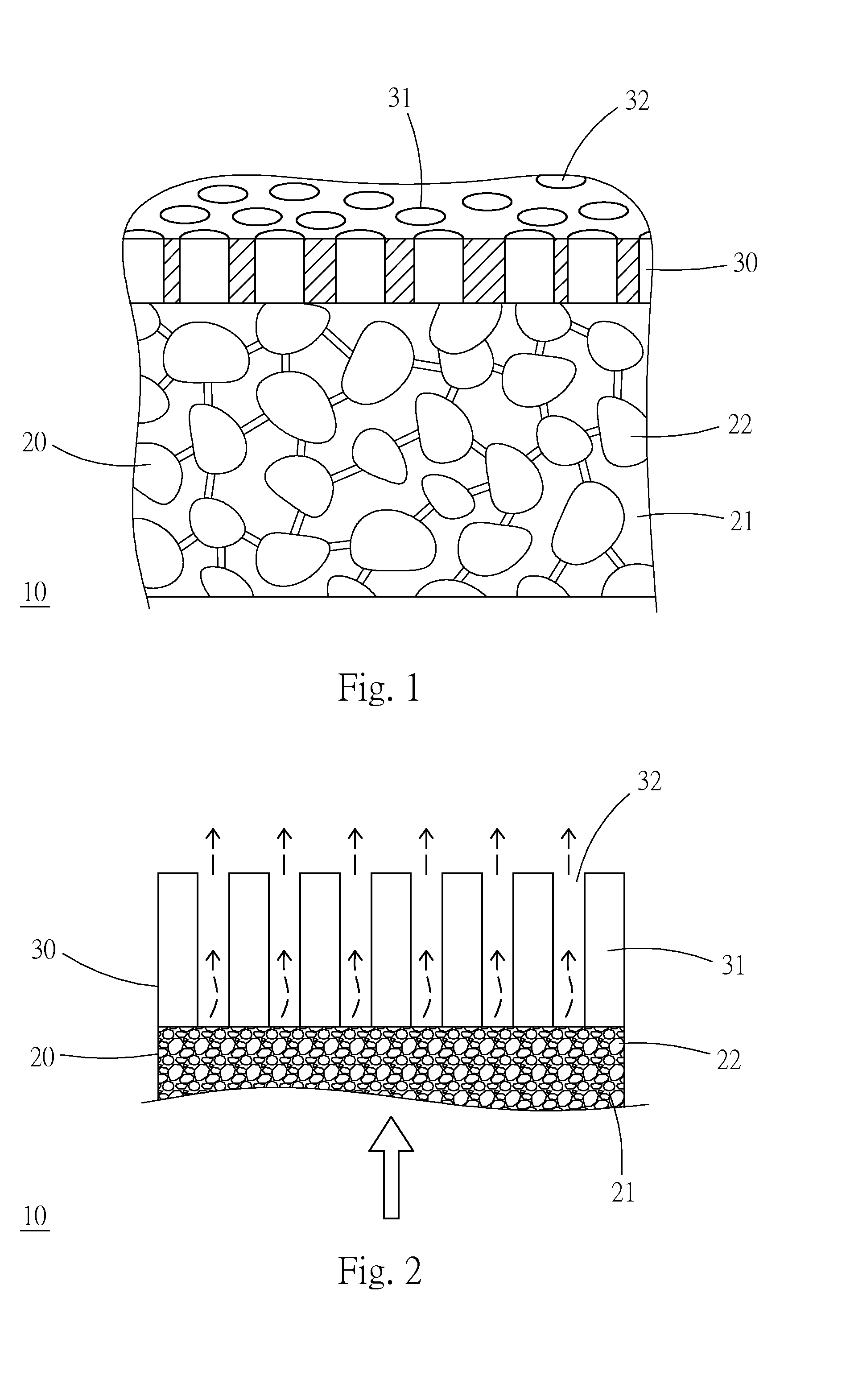
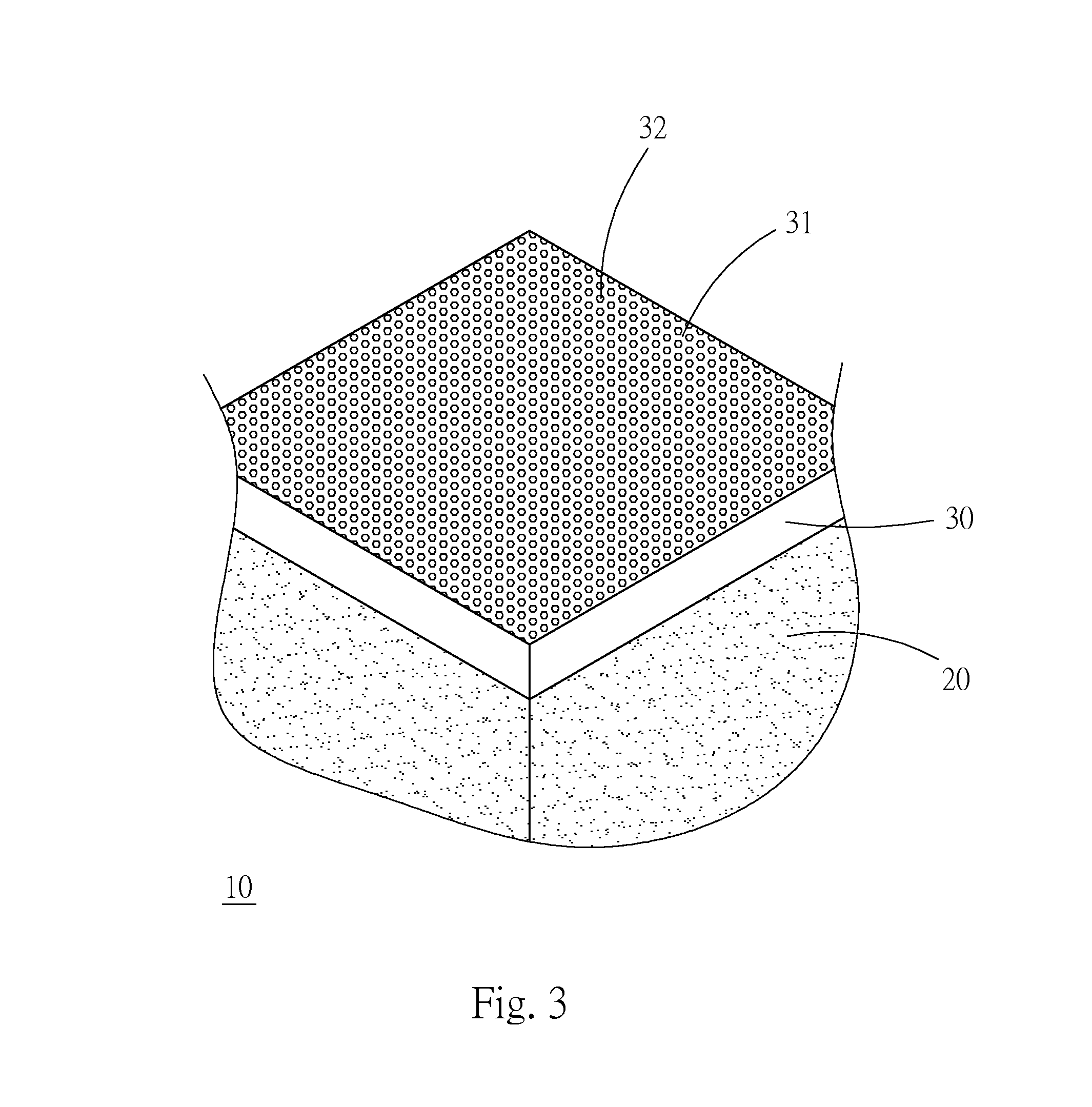
- A static-pressure air bearing with a porous main body and a throttling layer section formed of an aluminum layer having multiple vents with a high depth-diameter ratio, where the vents can be adjusted and uniformly arranged to enhance airflow stability and rigidity, using methods like physical vapor deposition and anodic oxidation to create vents with precise dimensions.

Manufacturing Standards for Precision Air Bearings
Manufacturing standards for precision air bearings represent a critical framework that governs the production quality, dimensional accuracy, and performance consistency of these sophisticated mechanical components. The establishment of rigorous manufacturing protocols ensures that air bearings can achieve the sub-micron precision levels required in advanced industrial applications such as semiconductor manufacturing, precision metrology, and high-end machine tools.
The foundation of precision air bearing manufacturing lies in material selection and surface preparation standards. High-grade materials such as hardened steel, ceramic composites, or specialized alloys must meet stringent purity requirements and undergo controlled heat treatment processes. Surface roughness specifications typically demand Ra values below 0.1 micrometers, with flatness tolerances maintained within 0.5 micrometers across the bearing surface. These exacting standards require advanced machining techniques including diamond turning, precision grinding, and lapping operations performed under controlled environmental conditions.
Dimensional tolerances constitute another cornerstone of manufacturing standards, where geometric accuracy directly impacts bearing performance. Bore concentricity must be maintained within 1-2 micrometers, while surface parallelism and perpendicularity tolerances typically range from 0.5 to 2 micrometers depending on the bearing size and application requirements. Air gap uniformity, critical for stable operation, demands manufacturing precision that ensures gap variations remain below 10% of the nominal clearance value.
Quality control protocols encompass comprehensive inspection procedures utilizing coordinate measuring machines, laser interferometry, and pneumatic testing systems. Each bearing undergoes multi-stage verification including dimensional inspection, surface quality assessment, and functional performance testing under controlled air supply conditions. Statistical process control methods ensure manufacturing consistency across production batches, with capability indices typically exceeding 1.33 for critical parameters.
Environmental control during manufacturing plays a vital role in achieving precision standards. Clean room facilities with controlled temperature, humidity, and particulate levels prevent contamination that could compromise bearing performance. Assembly procedures require specialized tooling and handling techniques to maintain the integrity of precision-machined surfaces throughout the production process.
The foundation of precision air bearing manufacturing lies in material selection and surface preparation standards. High-grade materials such as hardened steel, ceramic composites, or specialized alloys must meet stringent purity requirements and undergo controlled heat treatment processes. Surface roughness specifications typically demand Ra values below 0.1 micrometers, with flatness tolerances maintained within 0.5 micrometers across the bearing surface. These exacting standards require advanced machining techniques including diamond turning, precision grinding, and lapping operations performed under controlled environmental conditions.
Dimensional tolerances constitute another cornerstone of manufacturing standards, where geometric accuracy directly impacts bearing performance. Bore concentricity must be maintained within 1-2 micrometers, while surface parallelism and perpendicularity tolerances typically range from 0.5 to 2 micrometers depending on the bearing size and application requirements. Air gap uniformity, critical for stable operation, demands manufacturing precision that ensures gap variations remain below 10% of the nominal clearance value.
Quality control protocols encompass comprehensive inspection procedures utilizing coordinate measuring machines, laser interferometry, and pneumatic testing systems. Each bearing undergoes multi-stage verification including dimensional inspection, surface quality assessment, and functional performance testing under controlled air supply conditions. Statistical process control methods ensure manufacturing consistency across production batches, with capability indices typically exceeding 1.33 for critical parameters.
Environmental control during manufacturing plays a vital role in achieving precision standards. Clean room facilities with controlled temperature, humidity, and particulate levels prevent contamination that could compromise bearing performance. Assembly procedures require specialized tooling and handling techniques to maintain the integrity of precision-machined surfaces throughout the production process.
Environmental Factors Affecting Air Bearing Performance
Air bearing performance is significantly influenced by various environmental conditions that can affect both the stability and precision of these systems. Temperature variations represent one of the most critical environmental factors, as thermal expansion and contraction of bearing components can alter clearance gaps and affect the air film thickness. Even minor temperature fluctuations of a few degrees Celsius can cause dimensional changes that impact bearing stiffness and load capacity, potentially leading to reduced positioning accuracy and increased runout.
Humidity levels in the operating environment directly affect air density and viscosity, which are fundamental parameters governing air bearing performance. High humidity can cause condensation within the bearing gap, disrupting the air film and potentially causing bearing failure. Conversely, extremely low humidity may lead to static electricity buildup, affecting sensitive positioning systems. Optimal humidity control typically requires maintaining relative humidity between 40-60% for consistent performance.
Atmospheric pressure variations, whether due to altitude changes or weather conditions, significantly impact air bearing characteristics. Lower atmospheric pressure reduces the effective load capacity and stiffness of air bearings, as the pressure differential across the bearing gap decreases. This effect is particularly pronounced in applications requiring high precision, where even small pressure variations can translate to measurable performance degradation.
Contamination from airborne particles poses substantial risks to air bearing systems. Dust, oil vapors, and other contaminants can clog air supply filters, restrict flow passages, and accumulate on bearing surfaces. Particle contamination is especially problematic as particles larger than the bearing gap can cause catastrophic damage, while smaller particles may gradually degrade performance through surface roughening or flow restriction.
Vibration from external sources can couple with air bearing natural frequencies, potentially causing resonance conditions that amplify motion errors. Environmental vibrations from nearby machinery, building movement, or ground disturbances can significantly impact the precision performance of air bearing systems, particularly in ultra-precision applications where nanometer-level accuracy is required.
Air quality considerations extend beyond particle contamination to include chemical contaminants such as corrosive gases or organic compounds that may affect bearing materials or lubrication properties. Clean room environments with appropriate filtration systems are often necessary to maintain optimal air bearing performance in precision applications.
Humidity levels in the operating environment directly affect air density and viscosity, which are fundamental parameters governing air bearing performance. High humidity can cause condensation within the bearing gap, disrupting the air film and potentially causing bearing failure. Conversely, extremely low humidity may lead to static electricity buildup, affecting sensitive positioning systems. Optimal humidity control typically requires maintaining relative humidity between 40-60% for consistent performance.
Atmospheric pressure variations, whether due to altitude changes or weather conditions, significantly impact air bearing characteristics. Lower atmospheric pressure reduces the effective load capacity and stiffness of air bearings, as the pressure differential across the bearing gap decreases. This effect is particularly pronounced in applications requiring high precision, where even small pressure variations can translate to measurable performance degradation.
Contamination from airborne particles poses substantial risks to air bearing systems. Dust, oil vapors, and other contaminants can clog air supply filters, restrict flow passages, and accumulate on bearing surfaces. Particle contamination is especially problematic as particles larger than the bearing gap can cause catastrophic damage, while smaller particles may gradually degrade performance through surface roughening or flow restriction.
Vibration from external sources can couple with air bearing natural frequencies, potentially causing resonance conditions that amplify motion errors. Environmental vibrations from nearby machinery, building movement, or ground disturbances can significantly impact the precision performance of air bearing systems, particularly in ultra-precision applications where nanometer-level accuracy is required.
Air quality considerations extend beyond particle contamination to include chemical contaminants such as corrosive gases or organic compounds that may affect bearing materials or lubrication properties. Clean room environments with appropriate filtration systems are often necessary to maintain optimal air bearing performance in precision applications.
Unlock deeper insights with PatSnap Eureka Quick Research — get a full tech report to explore trends and direct your research. Try now!
Generate Your Research Report Instantly with AI Agent
Supercharge your innovation with PatSnap Eureka AI Agent Platform!