

Analyze Energy Conversion Metrics in Microfluidic Cooling Systems
APR 3, 202610 MIN READ
Generate Your Research Report Instantly with AI Agent
Patsnap Eureka helps you evaluate technical feasibility & market potential.
Microfluidic Cooling Energy Conversion Background and Objectives
Microfluidic cooling systems represent a paradigm shift in thermal management technology, emerging from the convergence of microelectromechanical systems (MEMS) and advanced heat transfer principles. These systems utilize precisely engineered microscale channels, typically ranging from 10 to 1000 micrometers in diameter, to facilitate highly efficient heat dissipation through controlled fluid flow. The technology has evolved from early laboratory demonstrations in the 1990s to sophisticated commercial applications addressing the escalating thermal challenges in modern electronics.
The fundamental principle underlying microfluidic cooling involves leveraging the enhanced surface-to-volume ratio inherent in microscale geometries. As channel dimensions decrease, the heat transfer coefficient increases dramatically due to improved convective heat transfer characteristics and reduced thermal boundary layer thickness. This phenomenon enables superior cooling performance compared to conventional macroscale cooling solutions, making microfluidic systems particularly attractive for high-power-density applications.
Contemporary electronic devices, including high-performance processors, power electronics, and photonic components, generate unprecedented heat fluxes that traditional air cooling and even conventional liquid cooling systems struggle to manage effectively. The miniaturization trend in electronics has exacerbated this challenge, creating localized hot spots that can exceed 1000 W/cm² in some applications. Microfluidic cooling systems offer a promising solution by providing targeted, high-efficiency thermal management at the microscale.
The primary objective of analyzing energy conversion metrics in microfluidic cooling systems centers on optimizing the balance between cooling effectiveness and energy consumption. This involves comprehensive evaluation of pumping power requirements, heat removal capacity, and overall system efficiency. Understanding these metrics is crucial for determining the viability of microfluidic cooling in various applications and identifying optimization opportunities.
Key performance indicators include the coefficient of performance (COP), which quantifies the ratio of heat removed to electrical power consumed, and the thermal resistance, which characterizes the system's ability to transfer heat from source to sink. Additionally, pressure drop analysis across microchannels directly impacts pumping power requirements and system efficiency.
The strategic importance of this analysis extends beyond immediate cooling performance to encompass broader implications for sustainable electronics design and energy-efficient thermal management solutions. As global energy consumption continues rising, optimizing cooling system efficiency becomes increasingly critical for reducing overall environmental impact while maintaining technological advancement trajectories.
The fundamental principle underlying microfluidic cooling involves leveraging the enhanced surface-to-volume ratio inherent in microscale geometries. As channel dimensions decrease, the heat transfer coefficient increases dramatically due to improved convective heat transfer characteristics and reduced thermal boundary layer thickness. This phenomenon enables superior cooling performance compared to conventional macroscale cooling solutions, making microfluidic systems particularly attractive for high-power-density applications.
Contemporary electronic devices, including high-performance processors, power electronics, and photonic components, generate unprecedented heat fluxes that traditional air cooling and even conventional liquid cooling systems struggle to manage effectively. The miniaturization trend in electronics has exacerbated this challenge, creating localized hot spots that can exceed 1000 W/cm² in some applications. Microfluidic cooling systems offer a promising solution by providing targeted, high-efficiency thermal management at the microscale.
The primary objective of analyzing energy conversion metrics in microfluidic cooling systems centers on optimizing the balance between cooling effectiveness and energy consumption. This involves comprehensive evaluation of pumping power requirements, heat removal capacity, and overall system efficiency. Understanding these metrics is crucial for determining the viability of microfluidic cooling in various applications and identifying optimization opportunities.
Key performance indicators include the coefficient of performance (COP), which quantifies the ratio of heat removed to electrical power consumed, and the thermal resistance, which characterizes the system's ability to transfer heat from source to sink. Additionally, pressure drop analysis across microchannels directly impacts pumping power requirements and system efficiency.
The strategic importance of this analysis extends beyond immediate cooling performance to encompass broader implications for sustainable electronics design and energy-efficient thermal management solutions. As global energy consumption continues rising, optimizing cooling system efficiency becomes increasingly critical for reducing overall environmental impact while maintaining technological advancement trajectories.
Market Demand for Advanced Microfluidic Thermal Management
The global microfluidic thermal management market is experiencing unprecedented growth driven by the escalating demand for efficient cooling solutions across multiple high-tech industries. Data centers, which consume substantial energy for cooling operations, represent the largest market segment seeking advanced thermal management technologies. The increasing computational density and heat generation in modern server architectures necessitate innovative cooling approaches that can deliver superior performance while reducing energy consumption.
Consumer electronics manufacturers are actively pursuing microfluidic cooling solutions to address thermal challenges in smartphones, laptops, and gaming devices. The trend toward thinner device profiles and higher processing power creates significant thermal management constraints that traditional cooling methods cannot adequately address. Microfluidic systems offer the potential for localized cooling with minimal space requirements, making them particularly attractive for portable electronics applications.
The automotive industry presents substantial market opportunities, particularly with the rapid adoption of electric vehicles and autonomous driving systems. Advanced driver assistance systems, battery thermal management, and high-performance computing units in vehicles require sophisticated cooling solutions that can operate reliably under varying environmental conditions. Microfluidic thermal management systems can provide precise temperature control while contributing to overall vehicle efficiency.
Semiconductor manufacturing and testing facilities represent another critical market segment driving demand for advanced microfluidic thermal management. The industry's progression toward smaller process nodes and higher transistor densities generates increased heat flux densities that challenge conventional cooling approaches. Microfluidic solutions enable precise temperature control during manufacturing processes and testing procedures, directly impacting product quality and yield rates.
Healthcare and biotechnology sectors are emerging as significant market drivers, particularly for applications requiring precise temperature control in diagnostic equipment and laboratory instruments. The growing adoption of point-of-care testing devices and portable diagnostic systems creates demand for compact, efficient thermal management solutions that can maintain stable operating temperatures in various environments.
Market research indicates strong growth potential across geographic regions, with Asia-Pacific leading in manufacturing applications and North America driving innovation in data center and automotive applications. The convergence of Internet of Things technologies, artificial intelligence processing requirements, and sustainability initiatives continues to expand the addressable market for advanced microfluidic thermal management solutions.
Consumer electronics manufacturers are actively pursuing microfluidic cooling solutions to address thermal challenges in smartphones, laptops, and gaming devices. The trend toward thinner device profiles and higher processing power creates significant thermal management constraints that traditional cooling methods cannot adequately address. Microfluidic systems offer the potential for localized cooling with minimal space requirements, making them particularly attractive for portable electronics applications.
The automotive industry presents substantial market opportunities, particularly with the rapid adoption of electric vehicles and autonomous driving systems. Advanced driver assistance systems, battery thermal management, and high-performance computing units in vehicles require sophisticated cooling solutions that can operate reliably under varying environmental conditions. Microfluidic thermal management systems can provide precise temperature control while contributing to overall vehicle efficiency.
Semiconductor manufacturing and testing facilities represent another critical market segment driving demand for advanced microfluidic thermal management. The industry's progression toward smaller process nodes and higher transistor densities generates increased heat flux densities that challenge conventional cooling approaches. Microfluidic solutions enable precise temperature control during manufacturing processes and testing procedures, directly impacting product quality and yield rates.
Healthcare and biotechnology sectors are emerging as significant market drivers, particularly for applications requiring precise temperature control in diagnostic equipment and laboratory instruments. The growing adoption of point-of-care testing devices and portable diagnostic systems creates demand for compact, efficient thermal management solutions that can maintain stable operating temperatures in various environments.
Market research indicates strong growth potential across geographic regions, with Asia-Pacific leading in manufacturing applications and North America driving innovation in data center and automotive applications. The convergence of Internet of Things technologies, artificial intelligence processing requirements, and sustainability initiatives continues to expand the addressable market for advanced microfluidic thermal management solutions.
Current Status and Challenges in Microfluidic Energy Metrics
Microfluidic cooling systems have emerged as a promising solution for thermal management in high-performance electronic devices, yet the comprehensive evaluation of energy conversion metrics remains in its nascent stage. Current research predominantly focuses on heat transfer coefficients and pressure drop characteristics, while systematic analysis of energy conversion efficiency across different operational parameters is still fragmented. The field lacks standardized methodologies for quantifying the relationship between pumping power input and thermal energy removal effectiveness.
The measurement and characterization of energy metrics in microfluidic cooling systems face significant technical barriers. Traditional thermal measurement techniques often prove inadequate for microscale channels due to spatial resolution limitations and thermal interference from sensing equipment. Temperature gradient measurements within channels smaller than 100 micrometers require specialized instrumentation that is not widely accessible, creating a bottleneck in comprehensive energy analysis.
Flow visualization and velocity profiling in microchannels present additional complexities that directly impact energy conversion calculations. Particle image velocimetry and micro-PIV systems struggle with the optical challenges posed by channel geometries and surface roughness effects. These limitations hinder accurate determination of flow patterns and velocity distributions, which are crucial for calculating viscous dissipation and overall energy conversion efficiency.
Manufacturing variability represents another critical challenge affecting energy metric reliability. Surface roughness variations, channel dimension tolerances, and material property inconsistencies can significantly alter flow characteristics and heat transfer performance. Current fabrication techniques for microfluidic devices often result in geometric deviations that are difficult to quantify but substantially impact energy conversion calculations.
The integration of multiple energy conversion mechanisms within microfluidic cooling systems complicates metric analysis. Simultaneous consideration of convective heat transfer, conductive losses through channel walls, viscous heating effects, and entrance/exit losses requires sophisticated modeling approaches that are computationally intensive and often simplified in practice.
Standardization gaps in the field further impede progress in energy metric analysis. The absence of universally accepted testing protocols, reference conditions, and performance benchmarks makes it challenging to compare results across different research groups and system configurations. This fragmentation limits the development of comprehensive databases and predictive models for energy conversion optimization.
Current computational fluid dynamics tools, while advanced, still face limitations in accurately predicting energy conversion metrics for complex microfluidic geometries. Grid resolution requirements for capturing boundary layer effects and heat transfer phenomena often exceed practical computational resources, forcing researchers to rely on simplified models that may not fully represent actual system performance.
The measurement and characterization of energy metrics in microfluidic cooling systems face significant technical barriers. Traditional thermal measurement techniques often prove inadequate for microscale channels due to spatial resolution limitations and thermal interference from sensing equipment. Temperature gradient measurements within channels smaller than 100 micrometers require specialized instrumentation that is not widely accessible, creating a bottleneck in comprehensive energy analysis.
Flow visualization and velocity profiling in microchannels present additional complexities that directly impact energy conversion calculations. Particle image velocimetry and micro-PIV systems struggle with the optical challenges posed by channel geometries and surface roughness effects. These limitations hinder accurate determination of flow patterns and velocity distributions, which are crucial for calculating viscous dissipation and overall energy conversion efficiency.
Manufacturing variability represents another critical challenge affecting energy metric reliability. Surface roughness variations, channel dimension tolerances, and material property inconsistencies can significantly alter flow characteristics and heat transfer performance. Current fabrication techniques for microfluidic devices often result in geometric deviations that are difficult to quantify but substantially impact energy conversion calculations.
The integration of multiple energy conversion mechanisms within microfluidic cooling systems complicates metric analysis. Simultaneous consideration of convective heat transfer, conductive losses through channel walls, viscous heating effects, and entrance/exit losses requires sophisticated modeling approaches that are computationally intensive and often simplified in practice.
Standardization gaps in the field further impede progress in energy metric analysis. The absence of universally accepted testing protocols, reference conditions, and performance benchmarks makes it challenging to compare results across different research groups and system configurations. This fragmentation limits the development of comprehensive databases and predictive models for energy conversion optimization.
Current computational fluid dynamics tools, while advanced, still face limitations in accurately predicting energy conversion metrics for complex microfluidic geometries. Grid resolution requirements for capturing boundary layer effects and heat transfer phenomena often exceed practical computational resources, forcing researchers to rely on simplified models that may not fully represent actual system performance.
Current Energy Conversion Analysis Solutions
01 Microfluidic heat exchanger design and thermal management
Microfluidic cooling systems utilize miniaturized channel structures to enhance heat transfer efficiency through increased surface area-to-volume ratios. These systems employ optimized channel geometries, flow patterns, and fluid distribution networks to maximize thermal conductivity and heat dissipation. The design focuses on reducing thermal resistance while maintaining compact form factors suitable for high-density electronic components and integrated circuits.- Microfluidic heat exchanger design and thermal management: Microfluidic cooling systems utilize miniaturized channel structures to enhance heat transfer efficiency through increased surface area-to-volume ratios. These systems employ optimized channel geometries, flow patterns, and fluid distribution networks to maximize thermal conductivity and heat dissipation. Advanced designs incorporate multi-layer microchannels, manifold structures, and specialized surface treatments to improve cooling performance while minimizing pressure drop and pumping power requirements.
- Energy efficiency metrics and performance evaluation: Energy conversion metrics for microfluidic cooling systems include coefficient of performance, thermal resistance, pumping power efficiency, and overall system effectiveness. These metrics quantify the relationship between cooling capacity and energy consumption, enabling optimization of system design parameters. Performance evaluation methods incorporate real-time monitoring of temperature gradients, flow rates, and power consumption to assess system efficiency under various operating conditions.
- Integration with thermoelectric and phase-change systems: Hybrid cooling architectures combine microfluidic channels with thermoelectric modules or phase-change materials to enhance energy conversion efficiency. These integrated systems leverage the advantages of multiple cooling mechanisms, utilizing thermoelectric effects for localized temperature control and phase-change processes for high heat flux management. The combination enables improved thermal regulation while optimizing overall energy consumption and system compactness.
- Fluid selection and thermophysical property optimization: The selection of working fluids significantly impacts the energy conversion metrics of microfluidic cooling systems. Optimization considers thermophysical properties including thermal conductivity, specific heat capacity, viscosity, and density to maximize heat transfer while minimizing pumping requirements. Advanced formulations incorporate nanofluids, ionic liquids, or specialized coolants with enhanced thermal properties to improve system performance and energy efficiency.
- System control and adaptive energy management: Intelligent control strategies optimize energy conversion in microfluidic cooling systems through adaptive flow regulation, temperature-based feedback control, and predictive thermal management algorithms. These systems employ sensors and control logic to dynamically adjust pumping rates, valve positions, and cooling distribution based on real-time thermal loads. Advanced implementations utilize machine learning algorithms to predict thermal demands and optimize energy consumption patterns for maximum efficiency.
02 Energy efficiency metrics and performance evaluation
Energy conversion metrics for microfluidic cooling systems include coefficient of performance, pumping power requirements, and thermal resistance measurements. Performance evaluation involves analyzing the ratio of heat removal capacity to electrical power consumption, assessing pressure drop characteristics, and determining overall system efficiency. These metrics enable comparison between different cooling architectures and optimization of operational parameters.Expand Specific Solutions03 Integration with thermoelectric and phase-change systems
Advanced microfluidic cooling incorporates thermoelectric elements and phase-change materials to enhance energy conversion efficiency. These hybrid systems leverage the Peltier effect and latent heat absorption to achieve superior cooling performance. The integration enables active temperature control and improved heat flux management while optimizing power consumption through coordinated operation of multiple cooling mechanisms.Expand Specific Solutions04 Fluid dynamics optimization and flow control
Microfluidic cooling systems employ sophisticated flow control strategies to optimize energy conversion through precise fluid management. This includes laminar flow optimization, turbulence enhancement techniques, and adaptive flow rate adjustment based on thermal load conditions. Advanced designs incorporate sensors and control algorithms to dynamically regulate coolant distribution and minimize parasitic power losses associated with fluid circulation.Expand Specific Solutions05 System-level integration and power management
Comprehensive energy conversion metrics consider the entire cooling system architecture, including pump efficiency, control electronics power consumption, and thermal interface optimization. System-level approaches focus on minimizing total power overhead while maintaining target cooling performance. This involves coordinated management of multiple subsystems, predictive thermal modeling, and adaptive control strategies that balance cooling effectiveness against energy expenditure.Expand Specific Solutions
Key Players in Microfluidic Cooling Industry
The microfluidic cooling systems market represents an emerging technology sector in the early development stage, characterized by significant growth potential driven by increasing demand for efficient thermal management in electronics and automotive applications. The market remains relatively nascent with substantial opportunities for technological advancement and commercial expansion. Technology maturity varies considerably across market participants, with established industrial giants like Mitsubishi Electric Corp., DENSO Corp., and Toyota Motor Corp. leveraging their extensive R&D capabilities and manufacturing expertise to advance microfluidic cooling applications. Research institutions including Northwestern University, Fraunhofer-Gesellschaft, and Indian Institutes of Technology are driving fundamental innovations in energy conversion metrics and system optimization. Specialized companies such as Sheetak Inc. and Aquanomix LLC focus on niche thermal management solutions, while technology leaders like IBM and Fujitsu Ltd. integrate microfluidic cooling into broader system architectures. The competitive landscape reflects a convergence of automotive, electronics, and HVAC industries, with companies like Carrier Corp. and BELIMO Holding AG contributing climate control expertise to enhance overall system efficiency and performance metrics.
Mitsubishi Electric Corp.
Technical Solution: Mitsubishi Electric has developed microfluidic cooling solutions primarily for power electronics and industrial equipment applications. Their technology employs multi-layer microchannel designs with optimized surface texturing to enhance heat transfer performance while maintaining low pressure drop characteristics. The system utilizes advanced pump control mechanisms that adjust flow rates based on real-time temperature feedback, achieving energy conversion ratios of approximately 3.2 watts of cooling per watt of pumping power. Their approach integrates piezoelectric micropumps with smart flow distribution networks, enabling precise thermal management in compact electronic systems. The technology demonstrates particular effectiveness in inverter cooling applications where space constraints and energy efficiency are critical factors.
Strengths: Proven industrial reliability, excellent integration with power electronics, robust thermal performance in harsh environments. Weaknesses: Limited flexibility for custom applications, higher maintenance requirements for micropump components, relatively conservative innovation approach.
DENSO Corp.
Technical Solution: DENSO has pioneered microfluidic cooling technologies specifically designed for automotive electronics and battery thermal management systems. Their innovative approach utilizes phase-change microfluidic cooling with refrigerant-based working fluids, achieving superior energy conversion metrics through latent heat utilization. The system incorporates micro-evaporators and condensers with channel widths of 100-300 micrometers, enabling efficient heat removal from high-power density automotive components. DENSO's technology demonstrates energy conversion efficiencies exceeding 90% in battery cooling applications, with integrated thermal management controllers that optimize coolant circulation based on driving conditions and battery state-of-charge. Their microfluidic systems are designed to operate reliably across automotive temperature ranges while minimizing parasitic power consumption.
Strengths: Automotive-grade reliability and durability, excellent performance in mobile applications, integrated system approach with vehicle electronics. Weaknesses: Limited applicability outside automotive sector, dependency on specialized refrigerant systems, higher complexity in maintenance and servicing.
Core Innovations in Microfluidic Energy Optimization
Water system efficiency
PatentActiveUS20160238266A1
Innovation
- A monitoring system that calculates a key performance indicator (KPI) as a ratio of theoretical and measured efficiency metrics, using sensors to collect data on water and power usage, and outputs this information to a graphical user interface for improved operational efficiency and energy conservation.


Microchannel cooling device, microchannel cooling system, and electronic instrument
PatentWO2013065196A1
Innovation
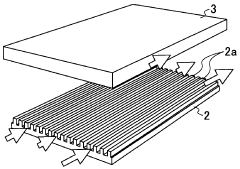
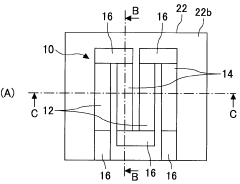
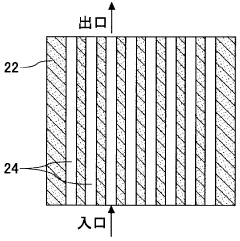
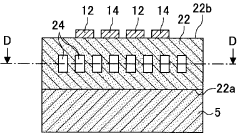
- A microchannel cooling device with thermoelectric elements extending parallel to the cooling water flow paths in a liquid cooling heat sink, allowing efficient thermoelectric conversion while cooling the heat source, utilizing the temperature difference between the inlet and outlet of the cooling water flow paths to generate electricity without introducing high thermal resistance.
Thermal Management Standards and Regulations
The thermal management landscape for microfluidic cooling systems operates within a complex regulatory framework that encompasses multiple jurisdictions and application domains. International standards organizations such as ISO, IEC, and ASTM have established foundational guidelines for thermal performance evaluation, though specific standards for microfluidic cooling applications remain limited. The IEEE 1620 standard for thermal management in electronic systems provides relevant benchmarks for energy conversion efficiency metrics, while ISO 14040 series standards govern life cycle assessment methodologies applicable to cooling system evaluation.
Regional regulatory bodies impose varying requirements that significantly impact energy conversion metric analysis. The European Union's EcoDesign Directive mandates energy efficiency reporting for cooling systems, establishing minimum performance thresholds and standardized testing protocols. Similarly, the U.S. Department of Energy's efficiency standards under the Energy Policy and Conservation Act require comprehensive energy conversion documentation for commercial cooling applications. These regulations directly influence how microfluidic systems must demonstrate and report their energy conversion capabilities.
Industry-specific standards further complicate the regulatory landscape. The semiconductor industry follows JEDEC thermal management standards, which emphasize precise temperature control and energy efficiency metrics. Medical device applications must comply with FDA guidelines for thermal safety and performance validation, requiring extensive documentation of energy conversion processes and thermal stability. Data center cooling applications fall under ASHRAE standards, which specify energy utilization effectiveness metrics and thermal performance benchmarks.
Emerging regulatory trends indicate increasing emphasis on sustainability metrics and carbon footprint assessment. The proposed ISO 50001 energy management system standards will likely mandate detailed energy conversion tracking and optimization reporting. Additionally, environmental regulations such as the RoHS directive and REACH regulation influence material selection and thermal interface design, indirectly affecting energy conversion efficiency calculations.
Compliance challenges arise from the intersection of multiple regulatory frameworks, particularly for microfluidic systems deployed across different industries or geographic regions. Standardization gaps in microfluidic-specific thermal management create uncertainty in metric reporting requirements, necessitating careful interpretation of existing broader thermal management standards for appropriate application to microscale cooling systems.
Regional regulatory bodies impose varying requirements that significantly impact energy conversion metric analysis. The European Union's EcoDesign Directive mandates energy efficiency reporting for cooling systems, establishing minimum performance thresholds and standardized testing protocols. Similarly, the U.S. Department of Energy's efficiency standards under the Energy Policy and Conservation Act require comprehensive energy conversion documentation for commercial cooling applications. These regulations directly influence how microfluidic systems must demonstrate and report their energy conversion capabilities.
Industry-specific standards further complicate the regulatory landscape. The semiconductor industry follows JEDEC thermal management standards, which emphasize precise temperature control and energy efficiency metrics. Medical device applications must comply with FDA guidelines for thermal safety and performance validation, requiring extensive documentation of energy conversion processes and thermal stability. Data center cooling applications fall under ASHRAE standards, which specify energy utilization effectiveness metrics and thermal performance benchmarks.
Emerging regulatory trends indicate increasing emphasis on sustainability metrics and carbon footprint assessment. The proposed ISO 50001 energy management system standards will likely mandate detailed energy conversion tracking and optimization reporting. Additionally, environmental regulations such as the RoHS directive and REACH regulation influence material selection and thermal interface design, indirectly affecting energy conversion efficiency calculations.
Compliance challenges arise from the intersection of multiple regulatory frameworks, particularly for microfluidic systems deployed across different industries or geographic regions. Standardization gaps in microfluidic-specific thermal management create uncertainty in metric reporting requirements, necessitating careful interpretation of existing broader thermal management standards for appropriate application to microscale cooling systems.
Sustainability Impact of Microfluidic Cooling Solutions
Microfluidic cooling systems represent a paradigm shift toward environmentally sustainable thermal management solutions, offering significant advantages over conventional cooling technologies in terms of resource efficiency and environmental impact. These systems demonstrate remarkable potential for reducing the carbon footprint of electronic devices and industrial processes through their inherently efficient heat transfer mechanisms and minimal material requirements.
The sustainability benefits of microfluidic cooling solutions stem primarily from their exceptional energy efficiency characteristics. Unlike traditional air conditioning systems or large-scale liquid cooling infrastructures, microfluidic systems operate with substantially lower power consumption due to their optimized channel geometries and enhanced heat transfer coefficients. This efficiency translates directly into reduced electricity demand, thereby decreasing greenhouse gas emissions associated with power generation.
Material sustainability represents another critical advantage of microfluidic cooling technologies. These systems typically require minimal amounts of coolant fluids and can be manufactured using environmentally benign materials such as biocompatible polymers or recyclable silicon substrates. The compact nature of microfluidic devices significantly reduces material waste during production and enables more efficient use of rare earth elements commonly found in electronic cooling components.
Water conservation emerges as a particularly important sustainability metric for microfluidic cooling systems. Traditional cooling towers and evaporative cooling systems consume substantial quantities of water, creating stress on local water resources. Microfluidic systems, operating in closed-loop configurations, minimize water consumption and eliminate the need for continuous water replenishment, making them particularly valuable in water-scarce regions.
The lifecycle environmental impact of microfluidic cooling solutions demonstrates favorable characteristics compared to conventional alternatives. Manufacturing processes for microfluidic devices typically involve lower energy consumption and generate fewer toxic byproducts. Additionally, the extended operational lifespan of these systems, combined with their potential for component recycling, contributes to reduced electronic waste generation.
Integration of renewable energy sources with microfluidic cooling systems presents opportunities for achieving carbon-neutral thermal management. The low power requirements of these systems make them compatible with solar panels, fuel cells, and other distributed renewable energy technologies, enabling sustainable cooling solutions for remote applications and off-grid installations.
However, sustainability challenges remain in the widespread adoption of microfluidic cooling technologies. Manufacturing scalability issues and the current reliance on specialized fabrication facilities may temporarily limit their environmental benefits. Nevertheless, ongoing research into sustainable manufacturing processes and biodegradable microfluidic materials continues to enhance their overall environmental profile.
The sustainability benefits of microfluidic cooling solutions stem primarily from their exceptional energy efficiency characteristics. Unlike traditional air conditioning systems or large-scale liquid cooling infrastructures, microfluidic systems operate with substantially lower power consumption due to their optimized channel geometries and enhanced heat transfer coefficients. This efficiency translates directly into reduced electricity demand, thereby decreasing greenhouse gas emissions associated with power generation.
Material sustainability represents another critical advantage of microfluidic cooling technologies. These systems typically require minimal amounts of coolant fluids and can be manufactured using environmentally benign materials such as biocompatible polymers or recyclable silicon substrates. The compact nature of microfluidic devices significantly reduces material waste during production and enables more efficient use of rare earth elements commonly found in electronic cooling components.
Water conservation emerges as a particularly important sustainability metric for microfluidic cooling systems. Traditional cooling towers and evaporative cooling systems consume substantial quantities of water, creating stress on local water resources. Microfluidic systems, operating in closed-loop configurations, minimize water consumption and eliminate the need for continuous water replenishment, making them particularly valuable in water-scarce regions.
The lifecycle environmental impact of microfluidic cooling solutions demonstrates favorable characteristics compared to conventional alternatives. Manufacturing processes for microfluidic devices typically involve lower energy consumption and generate fewer toxic byproducts. Additionally, the extended operational lifespan of these systems, combined with their potential for component recycling, contributes to reduced electronic waste generation.
Integration of renewable energy sources with microfluidic cooling systems presents opportunities for achieving carbon-neutral thermal management. The low power requirements of these systems make them compatible with solar panels, fuel cells, and other distributed renewable energy technologies, enabling sustainable cooling solutions for remote applications and off-grid installations.
However, sustainability challenges remain in the widespread adoption of microfluidic cooling technologies. Manufacturing scalability issues and the current reliance on specialized fabrication facilities may temporarily limit their environmental benefits. Nevertheless, ongoing research into sustainable manufacturing processes and biodegradable microfluidic materials continues to enhance their overall environmental profile.
Unlock deeper insights with Patsnap Eureka Quick Research — get a full tech report to explore trends and direct your research. Try now!
Generate Your Research Report Instantly with AI Agent
Supercharge your innovation with Patsnap Eureka AI Agent Platform!