
Analyze Noise Reduction Techniques for Composite Current Sources
MAR 19, 202610 MIN READ
Generate Your Research Report Instantly with AI Agent
Patsnap Eureka helps you evaluate technical feasibility & market potential.
Composite Current Source Noise Challenges and Objectives
Composite current sources have emerged as critical components in modern analog and mixed-signal integrated circuits, serving applications ranging from precision instrumentation to high-speed data converters. These circuits combine multiple current source elements to achieve enhanced performance characteristics such as improved matching, reduced systematic errors, and increased output impedance. However, the composite architecture introduces unique noise challenges that significantly impact overall system performance, particularly in low-noise applications where signal integrity is paramount.
The fundamental noise challenges in composite current sources stem from the inherent noise contributions of individual current source elements and their complex interactions within the composite structure. Each constituent current source generates thermal noise, flicker noise, and shot noise, which combine in non-trivial ways depending on the specific topology and operating conditions. The noise behavior becomes particularly complex when considering dynamic element matching techniques, where switching operations introduce additional noise sources and modulate existing noise spectra.
Current noise represents the primary concern in composite current source design, as it directly affects the precision and stability of the output current. The noise floor is determined not only by the individual device characteristics but also by the correlation between different noise sources within the composite structure. Voltage noise at the output nodes can also significantly impact performance, especially when the current sources are required to maintain high output impedance across wide frequency ranges.
The primary objective of noise reduction techniques for composite current sources is to minimize the total integrated noise while preserving the desired performance benefits of the composite architecture. This involves developing systematic approaches to identify and mitigate dominant noise sources, optimize circuit topologies for reduced noise sensitivity, and implement effective filtering and compensation strategies. The goal extends beyond simple noise reduction to achieving optimal trade-offs between noise performance, power consumption, area efficiency, and dynamic range.
Advanced noise reduction objectives include developing predictive noise models that accurately capture the behavior of composite structures under various operating conditions. These models must account for process variations, temperature dependencies, and aging effects that can significantly alter noise characteristics over time. Furthermore, the objectives encompass the development of adaptive noise reduction techniques that can dynamically adjust to changing operating conditions and maintain optimal noise performance across different application scenarios.
The ultimate technical goal is to establish comprehensive design methodologies that enable engineers to systematically approach noise optimization in composite current sources, providing clear guidelines for topology selection, device sizing, and circuit implementation strategies that achieve target noise specifications while meeting other performance requirements.
The fundamental noise challenges in composite current sources stem from the inherent noise contributions of individual current source elements and their complex interactions within the composite structure. Each constituent current source generates thermal noise, flicker noise, and shot noise, which combine in non-trivial ways depending on the specific topology and operating conditions. The noise behavior becomes particularly complex when considering dynamic element matching techniques, where switching operations introduce additional noise sources and modulate existing noise spectra.
Current noise represents the primary concern in composite current source design, as it directly affects the precision and stability of the output current. The noise floor is determined not only by the individual device characteristics but also by the correlation between different noise sources within the composite structure. Voltage noise at the output nodes can also significantly impact performance, especially when the current sources are required to maintain high output impedance across wide frequency ranges.
The primary objective of noise reduction techniques for composite current sources is to minimize the total integrated noise while preserving the desired performance benefits of the composite architecture. This involves developing systematic approaches to identify and mitigate dominant noise sources, optimize circuit topologies for reduced noise sensitivity, and implement effective filtering and compensation strategies. The goal extends beyond simple noise reduction to achieving optimal trade-offs between noise performance, power consumption, area efficiency, and dynamic range.
Advanced noise reduction objectives include developing predictive noise models that accurately capture the behavior of composite structures under various operating conditions. These models must account for process variations, temperature dependencies, and aging effects that can significantly alter noise characteristics over time. Furthermore, the objectives encompass the development of adaptive noise reduction techniques that can dynamically adjust to changing operating conditions and maintain optimal noise performance across different application scenarios.
The ultimate technical goal is to establish comprehensive design methodologies that enable engineers to systematically approach noise optimization in composite current sources, providing clear guidelines for topology selection, device sizing, and circuit implementation strategies that achieve target noise specifications while meeting other performance requirements.
Market Demand for Low-Noise Current Source Applications
The demand for low-noise current sources has experienced substantial growth across multiple high-precision application domains, driven by the increasing sophistication of electronic systems and stringent performance requirements. This market expansion reflects the critical role these components play in enabling advanced technological capabilities across diverse industries.
Precision measurement instrumentation represents one of the largest market segments for low-noise current sources. Laboratory equipment, scientific instruments, and metrology systems require exceptional current stability and minimal noise characteristics to achieve measurement accuracies at the parts-per-million level. The growing emphasis on quality control and precision manufacturing has intensified demand for these specialized current sources in industrial testing environments.
The semiconductor testing industry has emerged as a particularly dynamic market driver. As integrated circuits become more complex and operate at lower power levels, the need for ultra-low-noise current sources in automated test equipment has become paramount. These applications demand current sources capable of delivering precise bias currents while maintaining noise floors below picoampere levels, essential for characterizing sensitive analog and mixed-signal devices.
Medical device applications constitute another significant market segment, where low-noise current sources enable critical diagnostic and therapeutic functions. Biomedical sensors, patient monitoring systems, and implantable devices rely on these components to ensure accurate signal acquisition and processing. The expanding healthcare technology sector, particularly in areas such as neural interfaces and biosensors, continues to drive demand for increasingly sophisticated current source solutions.
Telecommunications infrastructure and high-speed data communication systems represent rapidly growing application areas. The deployment of advanced optical communication networks and high-frequency electronic systems requires current sources with exceptional noise performance to maintain signal integrity and system reliability. The transition to higher data rates and more complex modulation schemes has intensified requirements for low-noise bias and reference current generation.
Research and development activities in emerging technologies such as quantum computing, advanced materials characterization, and nanotechnology applications are creating new market opportunities. These cutting-edge fields often require current sources with unprecedented noise performance and stability characteristics, pushing the boundaries of existing technology capabilities.
The automotive electronics sector has also contributed to market growth, particularly with the advancement of electric vehicles and autonomous driving systems. Precision current sources are essential for battery management systems, sensor interfaces, and safety-critical electronic control units where noise performance directly impacts system reliability and safety.
Market trends indicate continued expansion driven by the proliferation of Internet of Things devices, artificial intelligence hardware, and advanced sensor networks, all of which benefit from improved current source noise performance to enhance overall system capabilities and measurement precision.
Precision measurement instrumentation represents one of the largest market segments for low-noise current sources. Laboratory equipment, scientific instruments, and metrology systems require exceptional current stability and minimal noise characteristics to achieve measurement accuracies at the parts-per-million level. The growing emphasis on quality control and precision manufacturing has intensified demand for these specialized current sources in industrial testing environments.
The semiconductor testing industry has emerged as a particularly dynamic market driver. As integrated circuits become more complex and operate at lower power levels, the need for ultra-low-noise current sources in automated test equipment has become paramount. These applications demand current sources capable of delivering precise bias currents while maintaining noise floors below picoampere levels, essential for characterizing sensitive analog and mixed-signal devices.
Medical device applications constitute another significant market segment, where low-noise current sources enable critical diagnostic and therapeutic functions. Biomedical sensors, patient monitoring systems, and implantable devices rely on these components to ensure accurate signal acquisition and processing. The expanding healthcare technology sector, particularly in areas such as neural interfaces and biosensors, continues to drive demand for increasingly sophisticated current source solutions.
Telecommunications infrastructure and high-speed data communication systems represent rapidly growing application areas. The deployment of advanced optical communication networks and high-frequency electronic systems requires current sources with exceptional noise performance to maintain signal integrity and system reliability. The transition to higher data rates and more complex modulation schemes has intensified requirements for low-noise bias and reference current generation.
Research and development activities in emerging technologies such as quantum computing, advanced materials characterization, and nanotechnology applications are creating new market opportunities. These cutting-edge fields often require current sources with unprecedented noise performance and stability characteristics, pushing the boundaries of existing technology capabilities.
The automotive electronics sector has also contributed to market growth, particularly with the advancement of electric vehicles and autonomous driving systems. Precision current sources are essential for battery management systems, sensor interfaces, and safety-critical electronic control units where noise performance directly impacts system reliability and safety.
Market trends indicate continued expansion driven by the proliferation of Internet of Things devices, artificial intelligence hardware, and advanced sensor networks, all of which benefit from improved current source noise performance to enhance overall system capabilities and measurement precision.
Current Noise Issues in Composite Current Source Designs
Composite current sources face significant noise challenges that fundamentally limit their precision and stability in high-performance applications. The primary noise contributors stem from multiple sources within the circuit topology, creating a complex interference environment that degrades overall system performance. These noise issues manifest across different frequency domains and originate from both intrinsic device characteristics and external environmental factors.
Thermal noise represents the most fundamental limitation in composite current source designs. Generated by the random motion of charge carriers within resistive elements and semiconductor junctions, thermal noise creates a broadband spectral density that directly impacts the current source's output stability. The noise power is proportional to temperature and bandwidth, making it particularly problematic in precision applications where low-frequency stability is critical.
Flicker noise, also known as 1/f noise, poses another significant challenge in composite current source architectures. This low-frequency noise phenomenon becomes dominant at frequencies below 1 kHz and exhibits an inverse relationship with frequency. In composite designs utilizing multiple transistors and operational amplifiers, flicker noise contributions from each active device accumulate, creating substantial low-frequency instability that affects DC precision and long-term drift characteristics.
Shot noise emerges from the discrete nature of charge carrier flow across semiconductor junctions, particularly in bipolar transistors used within composite current source topologies. The random arrival of charge carriers generates current fluctuations with a white noise spectrum, contributing to the overall noise floor. This becomes especially problematic in high-current applications where multiple parallel devices are employed to achieve desired current levels.
Power supply rejection limitations introduce additional noise coupling mechanisms in composite current source designs. Variations in supply voltage directly translate to output current fluctuations through finite power supply rejection ratios of active components. The cascaded nature of composite topologies can amplify these supply-induced noise contributions, particularly when multiple gain stages are involved in the current regulation loop.
Reference voltage noise propagation represents a critical concern in composite current source implementations. Since the output current accuracy depends directly on the reference voltage stability, any noise present in the reference signal becomes amplified through the current source's transfer function. This is particularly problematic in high-gain configurations where small reference disturbances result in significant output current variations.
Temperature-induced noise variations create additional complexity in composite current source designs. Beyond thermal noise increases, temperature fluctuations cause parameter variations in active devices, leading to current source drift and increased noise susceptibility. The thermal coupling between multiple devices in composite configurations can create thermal feedback loops that exacerbate noise performance degradation.
Thermal noise represents the most fundamental limitation in composite current source designs. Generated by the random motion of charge carriers within resistive elements and semiconductor junctions, thermal noise creates a broadband spectral density that directly impacts the current source's output stability. The noise power is proportional to temperature and bandwidth, making it particularly problematic in precision applications where low-frequency stability is critical.
Flicker noise, also known as 1/f noise, poses another significant challenge in composite current source architectures. This low-frequency noise phenomenon becomes dominant at frequencies below 1 kHz and exhibits an inverse relationship with frequency. In composite designs utilizing multiple transistors and operational amplifiers, flicker noise contributions from each active device accumulate, creating substantial low-frequency instability that affects DC precision and long-term drift characteristics.
Shot noise emerges from the discrete nature of charge carrier flow across semiconductor junctions, particularly in bipolar transistors used within composite current source topologies. The random arrival of charge carriers generates current fluctuations with a white noise spectrum, contributing to the overall noise floor. This becomes especially problematic in high-current applications where multiple parallel devices are employed to achieve desired current levels.
Power supply rejection limitations introduce additional noise coupling mechanisms in composite current source designs. Variations in supply voltage directly translate to output current fluctuations through finite power supply rejection ratios of active components. The cascaded nature of composite topologies can amplify these supply-induced noise contributions, particularly when multiple gain stages are involved in the current regulation loop.
Reference voltage noise propagation represents a critical concern in composite current source implementations. Since the output current accuracy depends directly on the reference voltage stability, any noise present in the reference signal becomes amplified through the current source's transfer function. This is particularly problematic in high-gain configurations where small reference disturbances result in significant output current variations.
Temperature-induced noise variations create additional complexity in composite current source designs. Beyond thermal noise increases, temperature fluctuations cause parameter variations in active devices, leading to current source drift and increased noise susceptibility. The thermal coupling between multiple devices in composite configurations can create thermal feedback loops that exacerbate noise performance degradation.
Existing Noise Reduction Solutions for Current Sources
01 Low-noise current source circuit design with cascode configurations
Current source circuits can be designed with cascode configurations to reduce noise and improve performance. These designs typically employ multiple transistors in series to increase output impedance and minimize noise contributions from individual components. The cascode topology helps isolate the output from supply variations and reduces the impact of channel noise. Advanced implementations may include feedback mechanisms and bias optimization techniques to further suppress noise while maintaining stable current output across varying load conditions.- Low-noise current source circuit design with cascode configurations: Current source circuits can be designed with cascode configurations to reduce noise and improve performance. These designs typically employ multiple transistors in series to increase output impedance and minimize noise contributions from individual components. The cascode topology helps isolate the output from supply variations and reduces the impact of channel noise. Advanced implementations may include feedback mechanisms and bias optimization techniques to further suppress noise while maintaining stable current output across varying load conditions.
- Composite current sources with noise filtering and compensation: Composite current source architectures incorporate noise filtering and compensation techniques to achieve ultra-low noise performance. These systems combine multiple current source elements with active or passive filtering networks to attenuate high-frequency noise components. Compensation circuits may include temperature-dependent elements, trimming capabilities, and dynamic adjustment mechanisms. The composite approach allows for cancellation of correlated noise sources while maintaining high precision and stability over process, voltage, and temperature variations.
- Current source noise reduction through matching and layout techniques: Noise performance in current sources can be significantly improved through careful device matching and optimized layout strategies. Techniques include using matched transistor pairs, common-centroid layouts, and shielding structures to minimize mismatch-induced noise and interference. Proper sizing of devices and strategic placement help reduce flicker noise and thermal noise contributions. These physical design considerations work in conjunction with circuit topology to achieve superior noise characteristics in integrated current source implementations.
- Active noise cancellation in programmable current sources: Programmable current sources can employ active noise cancellation techniques to maintain low noise across different operating points. These systems utilize replica circuits, feedback loops, or feedforward paths to detect and cancel noise components dynamically. The cancellation mechanisms can be adaptive, adjusting to varying load conditions and current levels. Digital control interfaces may be integrated to enable precise tuning of noise cancellation parameters while maintaining programmability and flexibility in current output settings.
- Composite current mirrors with enhanced noise immunity: Current mirror configurations can be enhanced with composite structures to improve noise immunity and accuracy. These designs utilize multiple feedback paths, degeneration resistors, and auxiliary amplifiers to reduce the impact of noise from reference sources and supply lines. The composite architecture provides better power supply rejection and reduces sensitivity to substrate noise and crosstalk. Advanced implementations may include self-biasing techniques and startup circuits that ensure stable operation while minimizing noise injection during transient conditions.
02 Composite current sources with noise filtering and compensation
Composite current source architectures incorporate noise filtering and compensation techniques to achieve low-noise operation. These systems combine multiple current source elements with filtering networks that attenuate high-frequency noise components. Compensation circuits actively cancel noise by detecting and subtracting noise signals from the output. The composite approach allows for improved noise performance compared to single current source designs while maintaining good current accuracy and temperature stability.Expand Specific Solutions03 Current source noise reduction through device matching and layout optimization
Noise reduction in current sources can be achieved through careful device matching and optimized layout techniques. Matched transistor pairs or arrays minimize mismatch-induced noise and improve overall circuit performance. Layout optimization includes minimizing parasitic capacitances and resistances, proper shielding, and symmetrical routing to reduce electromagnetic interference. These techniques are particularly effective in integrated circuit implementations where precise control over device characteristics and physical placement is possible.Expand Specific Solutions04 Active noise cancellation in composite current source systems
Active noise cancellation techniques can be implemented in composite current source systems to dynamically reduce noise. These systems employ sensing circuits to detect noise components and generate anti-phase signals that cancel the detected noise. Feedback loops continuously monitor the output and adjust cancellation parameters to maintain low noise levels across different operating conditions. This approach is effective for reducing both low-frequency and high-frequency noise components in precision current source applications.Expand Specific Solutions05 Temperature-compensated current sources with reduced thermal noise
Temperature compensation techniques in current sources help reduce thermal noise and improve stability over varying temperature conditions. These designs incorporate temperature-sensing elements and compensation networks that adjust bias conditions to maintain constant current output and minimize temperature-dependent noise variations. Bandgap reference circuits and proportional-to-absolute-temperature circuits are commonly used to provide stable reference voltages that are insensitive to temperature changes, thereby reducing thermal noise contributions in the overall current source system.Expand Specific Solutions
Key Players in Precision Current Source Industry
The noise reduction techniques for composite current sources market represents a mature yet evolving technological landscape driven by increasing demand for precision electronics across automotive, industrial, and consumer applications. The market demonstrates steady growth with established players like Renesas Electronics, Mitsubishi Electric, and TDK leading through advanced semiconductor solutions and passive components expertise. Technology maturity varies significantly, with companies like Intel and Huawei pushing cutting-edge digital signal processing approaches, while traditional component manufacturers such as Nippon Chemi-Con and Fuji Electric focus on proven analog filtering methods. Japanese firms dominate the competitive landscape, leveraging decades of power electronics experience, though emerging players from China and Korea are rapidly advancing. The industry shows strong consolidation trends, evidenced by Renesas's formation through strategic mergers, indicating market maturation and the need for comprehensive solution portfolios to address increasingly complex noise reduction requirements.
Renesas Electronics Corp.
Technical Solution: Renesas develops advanced noise reduction techniques for composite current sources through their proprietary analog front-end (AFE) solutions and power management ICs. Their approach combines adaptive filtering algorithms with hardware-based noise suppression, utilizing correlated double sampling (CDS) and chopper stabilization techniques to minimize 1/f noise and offset drift. The company's solutions feature integrated sigma-delta ADCs with oversampling ratios up to 256x, achieving noise floors as low as 10nV/√Hz. Their composite current source designs incorporate multiple parallel current paths with dynamic matching and calibration circuits to reduce systematic noise sources while maintaining high precision and linearity across temperature variations.
Strengths: Industry-leading low-noise performance, comprehensive integration reducing external components, proven automotive-grade reliability. Weaknesses: Higher cost compared to discrete solutions, limited customization options for specialized applications.
Fuji Electric Co., Ltd.
Technical Solution: Fuji Electric implements noise reduction in composite current sources through their advanced power semiconductor technology and intelligent control systems. Their methodology focuses on switching noise mitigation using soft-switching techniques and optimized gate drive circuits. The company employs spread spectrum modulation and interleaving strategies to distribute noise energy across frequency bands, reducing peak emissions by up to 15dB. Their solutions integrate real-time noise monitoring with adaptive compensation algorithms that dynamically adjust current source parameters based on load conditions and environmental factors. The technology includes EMI filtering stages and shielding techniques specifically designed for high-current applications in industrial and renewable energy systems.
Strengths: Excellent performance in high-power applications, robust EMI suppression capabilities, strong industrial market presence. Weaknesses: Solutions primarily focused on power applications, less suitable for precision low-current measurements.
Core Innovations in Composite Current Source Noise Control
DC/DC converter and communication power supply with common mode noise suppression
PatentActiveUS12119740B2
Innovation
- The implementation of an LLC resonant DC/DC converter with a noise suppression network that includes a transformer, resonant inductor, and resonant capacitor, along with a balance capacitance and signal source, to generate a suppression current that cancels common mode noise, effectively reducing noise across a full load range without increasing magnetic core size.


Method and apparatus for suppressing noise caused by parasitic capacitance and/or resistance in an electronic circuit or system
PatentInactiveUS20100283436A1
Innovation
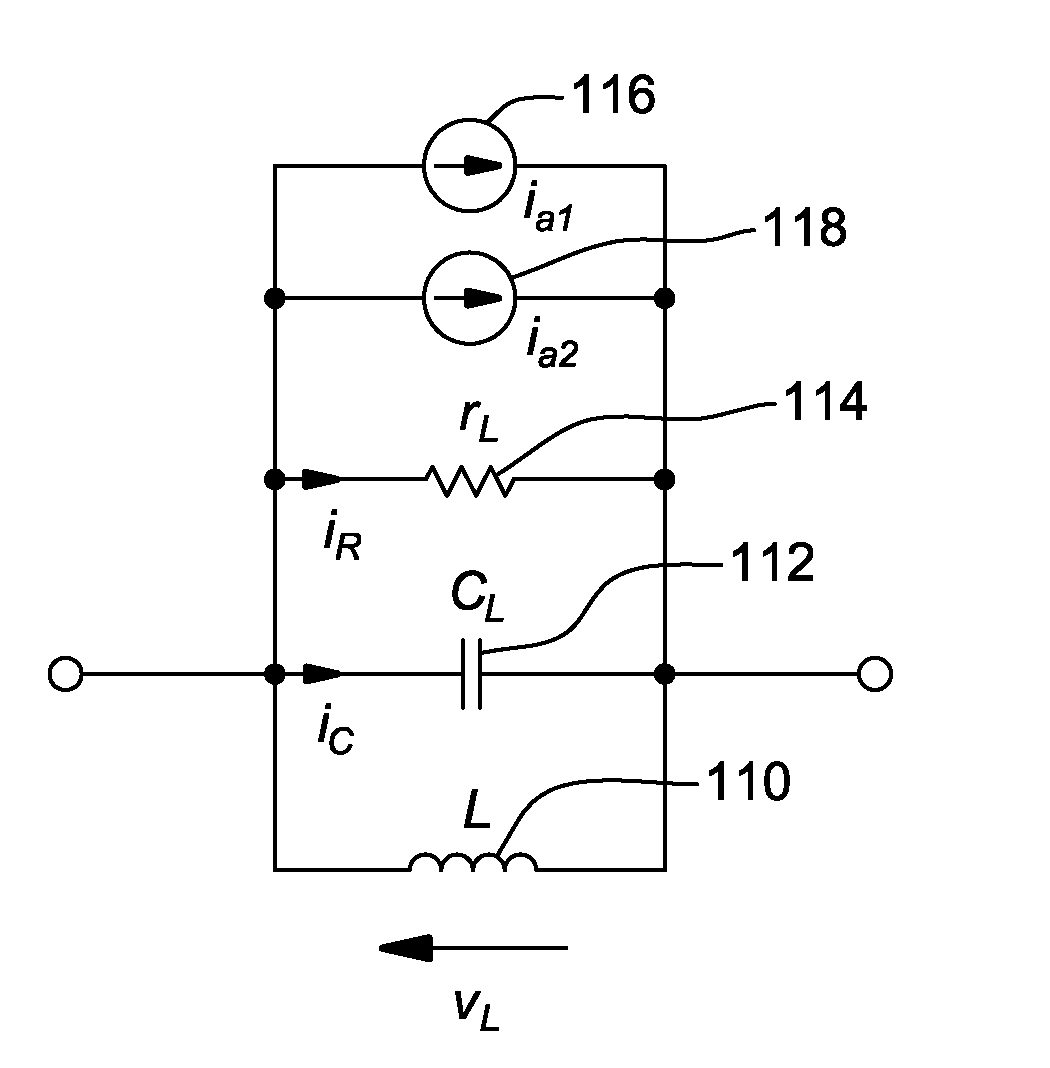
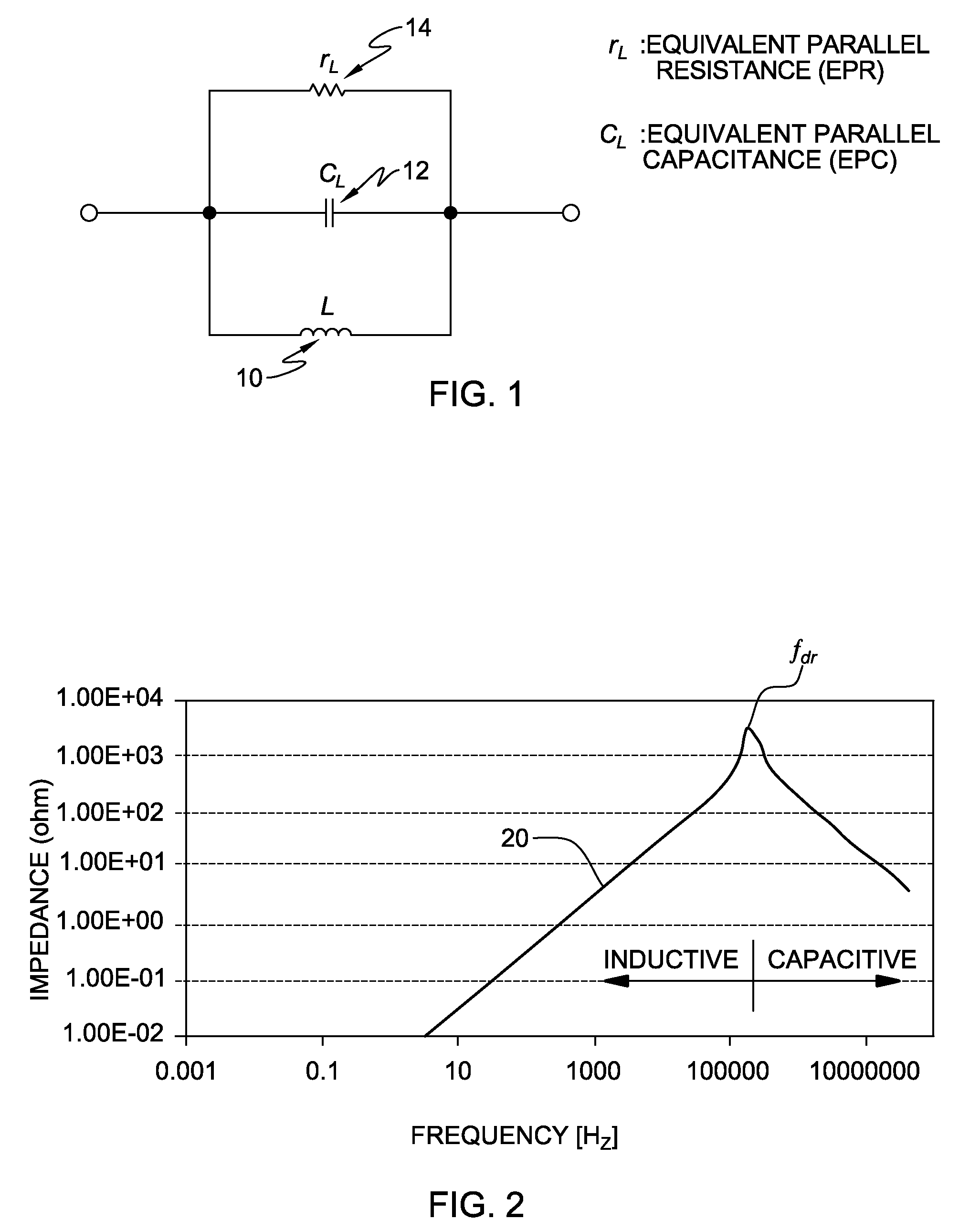
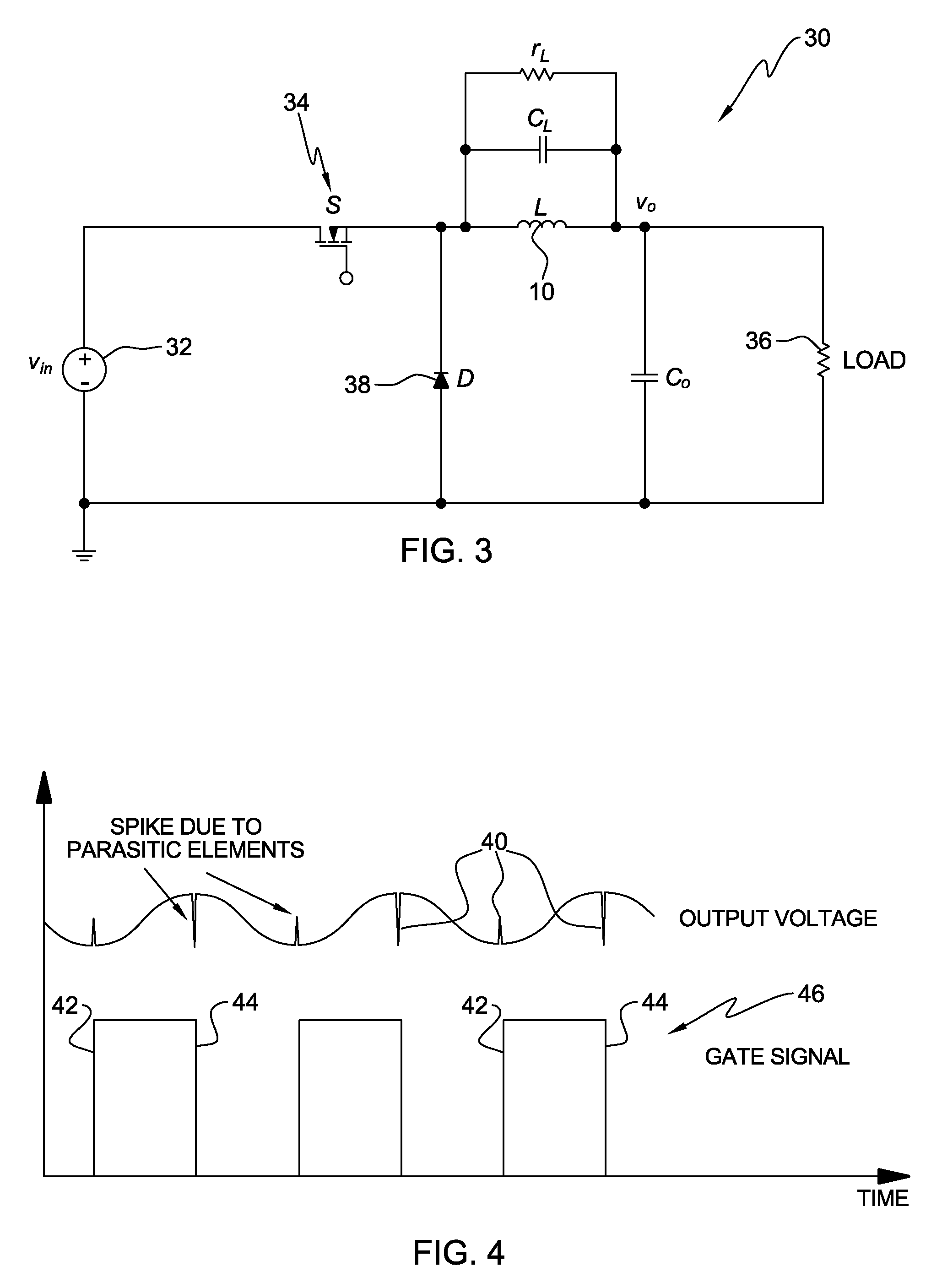
- An active current source is added in parallel to an inductor to counteract parasitic capacitance and resistance effects, with the current magnitude derived from sensing the inductor voltage, enhancing the frequency response by delivering a compensating current of equal magnitude but opposite phase.

EMC Standards for Current Source Noise Compliance
Electromagnetic compatibility standards play a crucial role in ensuring that composite current sources operate within acceptable noise limits across various applications. The International Electrotechnical Commission (IEC) 61000 series provides comprehensive guidelines for EMC requirements, with IEC 61000-6-3 and IEC 61000-6-4 specifically addressing emission standards for residential and industrial environments respectively. These standards define maximum permissible levels for conducted and radiated emissions, establishing frequency ranges from 150 kHz to 1 GHz for radiated disturbances and 150 kHz to 30 MHz for conducted emissions.
The Federal Communications Commission (FCC) Part 15 regulations in the United States complement international standards by setting specific limits for unintentional radiators, which include current source circuits used in electronic devices. Class A devices intended for commercial use must meet less stringent requirements compared to Class B devices designed for residential applications. The measurement procedures outlined in CISPR 25 are particularly relevant for automotive applications, where composite current sources face unique challenges due to the harsh electromagnetic environment.
Compliance testing methodologies require specialized equipment including EMI receivers, line impedance stabilization networks (LISN), and anechoic chambers for accurate measurement of noise emissions. The CISPR 16 series defines measurement instrumentation and methods, specifying detector characteristics, measurement bandwidths, and calibration procedures. Peak, quasi-peak, and average detectors are employed depending on the frequency range and emission type being evaluated.
Recent updates to EMC standards have introduced more stringent requirements for switching power supplies and DC-DC converters, which commonly employ composite current source topologies. The automotive industry has seen particular emphasis on conducted emissions below 150 kHz, addressing concerns about interference with power line communication systems. Additionally, emerging 5G communication standards have prompted revisions to radiated emission limits in the 3-6 GHz frequency range.
Compliance strategies for composite current sources typically involve a combination of circuit-level design considerations and system-level mitigation techniques. Pre-compliance testing during the design phase enables early identification of potential issues, reducing the risk of costly redesigns. The integration of EMC requirements into the initial design specification ensures that noise reduction techniques are implemented proactively rather than reactively, ultimately leading to more robust and compliant current source implementations.
The Federal Communications Commission (FCC) Part 15 regulations in the United States complement international standards by setting specific limits for unintentional radiators, which include current source circuits used in electronic devices. Class A devices intended for commercial use must meet less stringent requirements compared to Class B devices designed for residential applications. The measurement procedures outlined in CISPR 25 are particularly relevant for automotive applications, where composite current sources face unique challenges due to the harsh electromagnetic environment.
Compliance testing methodologies require specialized equipment including EMI receivers, line impedance stabilization networks (LISN), and anechoic chambers for accurate measurement of noise emissions. The CISPR 16 series defines measurement instrumentation and methods, specifying detector characteristics, measurement bandwidths, and calibration procedures. Peak, quasi-peak, and average detectors are employed depending on the frequency range and emission type being evaluated.
Recent updates to EMC standards have introduced more stringent requirements for switching power supplies and DC-DC converters, which commonly employ composite current source topologies. The automotive industry has seen particular emphasis on conducted emissions below 150 kHz, addressing concerns about interference with power line communication systems. Additionally, emerging 5G communication standards have prompted revisions to radiated emission limits in the 3-6 GHz frequency range.
Compliance strategies for composite current sources typically involve a combination of circuit-level design considerations and system-level mitigation techniques. Pre-compliance testing during the design phase enables early identification of potential issues, reducing the risk of costly redesigns. The integration of EMC requirements into the initial design specification ensures that noise reduction techniques are implemented proactively rather than reactively, ultimately leading to more robust and compliant current source implementations.
Thermal Management in Low-Noise Current Source Design
Thermal management represents a critical design consideration in low-noise current source applications, as temperature variations directly impact both noise performance and long-term stability. Heat generation in composite current sources primarily originates from power dissipation across series resistance elements, reference voltage circuits, and active regulation components. Excessive thermal buildup can degrade noise characteristics through increased Johnson noise, drift in reference voltages, and temperature-dependent variations in semiconductor junction properties.
The relationship between temperature and noise performance in current sources follows well-established physical principles. Johnson noise increases proportionally with absolute temperature, while flicker noise exhibits temperature-dependent characteristics that vary by semiconductor technology. Temperature coefficients of precision resistors and voltage references can introduce systematic drift that compromises measurement accuracy in sensitive applications. These thermal effects become particularly pronounced in high-current applications or when multiple current sources operate in close proximity.
Effective thermal design strategies encompass both passive and active cooling approaches tailored to specific application requirements. Passive techniques include optimized PCB layout with dedicated thermal planes, strategic component placement to minimize hot spots, and selection of low thermal resistance packaging for critical components. Heat sinks and thermal interface materials provide additional thermal pathways for power-dissipating elements. Active cooling solutions, such as forced air circulation or thermoelectric coolers, become necessary in high-power applications or when ambient temperature control is insufficient.
Advanced thermal management implementations incorporate temperature sensing and compensation mechanisms to maintain consistent performance across operating conditions. Integrated temperature sensors enable real-time monitoring of critical circuit nodes, while adaptive bias adjustment circuits can compensate for temperature-induced variations. Some designs employ thermally-matched component pairs or temperature-stable reference architectures to minimize drift effects. Thermal isolation techniques, including physical separation and thermal barriers, prevent heat transfer between sensitive analog circuits and power-dissipating digital components.
Modern thermal simulation tools enable comprehensive analysis of heat distribution patterns during the design phase, allowing optimization of component placement and thermal pathway design before prototype fabrication. These tools facilitate evaluation of various cooling strategies and help identify potential thermal bottlenecks that could compromise noise performance in operational environments.
The relationship between temperature and noise performance in current sources follows well-established physical principles. Johnson noise increases proportionally with absolute temperature, while flicker noise exhibits temperature-dependent characteristics that vary by semiconductor technology. Temperature coefficients of precision resistors and voltage references can introduce systematic drift that compromises measurement accuracy in sensitive applications. These thermal effects become particularly pronounced in high-current applications or when multiple current sources operate in close proximity.
Effective thermal design strategies encompass both passive and active cooling approaches tailored to specific application requirements. Passive techniques include optimized PCB layout with dedicated thermal planes, strategic component placement to minimize hot spots, and selection of low thermal resistance packaging for critical components. Heat sinks and thermal interface materials provide additional thermal pathways for power-dissipating elements. Active cooling solutions, such as forced air circulation or thermoelectric coolers, become necessary in high-power applications or when ambient temperature control is insufficient.
Advanced thermal management implementations incorporate temperature sensing and compensation mechanisms to maintain consistent performance across operating conditions. Integrated temperature sensors enable real-time monitoring of critical circuit nodes, while adaptive bias adjustment circuits can compensate for temperature-induced variations. Some designs employ thermally-matched component pairs or temperature-stable reference architectures to minimize drift effects. Thermal isolation techniques, including physical separation and thermal barriers, prevent heat transfer between sensitive analog circuits and power-dissipating digital components.
Modern thermal simulation tools enable comprehensive analysis of heat distribution patterns during the design phase, allowing optimization of component placement and thermal pathway design before prototype fabrication. These tools facilitate evaluation of various cooling strategies and help identify potential thermal bottlenecks that could compromise noise performance in operational environments.
Unlock deeper insights with Patsnap Eureka Quick Research — get a full tech report to explore trends and direct your research. Try now!
Generate Your Research Report Instantly with AI Agent
Supercharge your innovation with Patsnap Eureka AI Agent Platform!