

Anchor Bolt vs Epoxy Grout: Bonding Strength Comparison
FEB 12, 20269 MIN READ
Generate Your Research Report Instantly with AI Agent
PatSnap Eureka helps you evaluate technical feasibility & market potential.
Anchor Bolt and Epoxy Grout Technology Background and Objectives
Anchor bolts and epoxy grout represent two fundamental approaches to structural fastening and bonding in construction and engineering applications. Anchor bolts, mechanical fasteners that transfer loads through physical engagement with base materials, have been utilized in construction for over a century. These systems rely on expansion mechanisms, undercut formations, or adhesive bonding to achieve load transfer. Epoxy grout, a polymer-based bonding system, emerged as a chemical anchoring solution in the mid-20th century, offering enhanced performance characteristics through molecular adhesion and gap-filling capabilities.
The evolution of these technologies reflects the construction industry's continuous pursuit of stronger, more reliable, and versatile fastening solutions. Traditional mechanical anchoring systems dominated early infrastructure development, providing predictable performance through well-understood mechanical principles. However, the introduction of high-performance epoxy systems revolutionized anchoring applications by enabling superior load distribution, corrosion resistance, and adaptability to various substrate conditions.
Current technological trends emphasize the optimization of bonding strength performance across diverse environmental conditions and loading scenarios. The industry increasingly demands fastening solutions that can withstand extreme temperatures, chemical exposure, seismic forces, and long-term fatigue loading. This has driven significant research into hybrid systems that combine mechanical and chemical anchoring principles, advanced polymer formulations, and surface preparation techniques that maximize interfacial bonding.
The primary objective of comparing anchor bolt and epoxy grout bonding strength centers on establishing performance benchmarks for different application scenarios. This comparison aims to quantify tensile strength, shear resistance, and long-term durability characteristics under standardized testing conditions. Understanding these performance parameters enables engineers to make informed decisions regarding fastening system selection based on specific project requirements, environmental conditions, and safety factors.
Secondary objectives include evaluating installation complexity, cost-effectiveness, and maintenance requirements associated with each technology. The analysis seeks to identify optimal application domains where each system demonstrates superior performance, considering factors such as substrate material properties, loading patterns, and environmental exposure conditions. This comprehensive evaluation framework supports the development of application-specific guidelines and performance specifications for structural fastening systems.
The evolution of these technologies reflects the construction industry's continuous pursuit of stronger, more reliable, and versatile fastening solutions. Traditional mechanical anchoring systems dominated early infrastructure development, providing predictable performance through well-understood mechanical principles. However, the introduction of high-performance epoxy systems revolutionized anchoring applications by enabling superior load distribution, corrosion resistance, and adaptability to various substrate conditions.
Current technological trends emphasize the optimization of bonding strength performance across diverse environmental conditions and loading scenarios. The industry increasingly demands fastening solutions that can withstand extreme temperatures, chemical exposure, seismic forces, and long-term fatigue loading. This has driven significant research into hybrid systems that combine mechanical and chemical anchoring principles, advanced polymer formulations, and surface preparation techniques that maximize interfacial bonding.
The primary objective of comparing anchor bolt and epoxy grout bonding strength centers on establishing performance benchmarks for different application scenarios. This comparison aims to quantify tensile strength, shear resistance, and long-term durability characteristics under standardized testing conditions. Understanding these performance parameters enables engineers to make informed decisions regarding fastening system selection based on specific project requirements, environmental conditions, and safety factors.
Secondary objectives include evaluating installation complexity, cost-effectiveness, and maintenance requirements associated with each technology. The analysis seeks to identify optimal application domains where each system demonstrates superior performance, considering factors such as substrate material properties, loading patterns, and environmental exposure conditions. This comprehensive evaluation framework supports the development of application-specific guidelines and performance specifications for structural fastening systems.
Market Demand Analysis for Structural Bonding Solutions
The global structural bonding solutions market demonstrates robust growth driven by expanding construction activities, infrastructure modernization projects, and increasing emphasis on structural safety standards. Construction industry expansion across emerging economies creates substantial demand for reliable anchoring and bonding technologies, particularly in high-rise buildings, bridges, and industrial facilities where structural integrity remains paramount.
Infrastructure rehabilitation projects represent a significant market segment, as aging structures worldwide require retrofitting and strengthening solutions. Government initiatives focusing on infrastructure renewal drive consistent demand for both traditional anchor bolt systems and advanced epoxy grout technologies. The market benefits from stringent building codes and safety regulations that mandate specific bonding strength requirements for critical structural applications.
Industrial sectors including oil and gas, power generation, and manufacturing facilities generate steady demand for high-performance structural bonding solutions. These applications often require superior load-bearing capacity and resistance to environmental factors, creating opportunities for advanced epoxy-based systems that offer enhanced bonding characteristics compared to conventional mechanical anchoring methods.
The seismic retrofitting market presents substantial growth potential, particularly in earthquake-prone regions where existing structures require strengthening to meet updated safety standards. This segment increasingly favors bonding solutions that provide superior flexibility and energy dissipation capabilities during seismic events, driving innovation in epoxy grout formulations and application techniques.
Market segmentation reveals distinct preferences across different construction types and geographic regions. Commercial construction projects often prioritize installation efficiency and long-term reliability, while industrial applications emphasize maximum bonding strength and chemical resistance. Regional variations in building codes, material availability, and construction practices influence technology adoption patterns and create diverse market opportunities.
Emerging trends include growing preference for sustainable and environmentally friendly bonding solutions, driving development of bio-based epoxy formulations and recyclable anchoring systems. Digital construction technologies and prefabrication methods also influence market dynamics by requiring bonding solutions compatible with automated installation processes and quality control systems.
The competitive landscape features established manufacturers of traditional anchor bolt systems alongside specialized chemical anchoring solution providers, creating a dynamic market environment where performance advantages and cost-effectiveness determine market share distribution across different application segments.
Infrastructure rehabilitation projects represent a significant market segment, as aging structures worldwide require retrofitting and strengthening solutions. Government initiatives focusing on infrastructure renewal drive consistent demand for both traditional anchor bolt systems and advanced epoxy grout technologies. The market benefits from stringent building codes and safety regulations that mandate specific bonding strength requirements for critical structural applications.
Industrial sectors including oil and gas, power generation, and manufacturing facilities generate steady demand for high-performance structural bonding solutions. These applications often require superior load-bearing capacity and resistance to environmental factors, creating opportunities for advanced epoxy-based systems that offer enhanced bonding characteristics compared to conventional mechanical anchoring methods.
The seismic retrofitting market presents substantial growth potential, particularly in earthquake-prone regions where existing structures require strengthening to meet updated safety standards. This segment increasingly favors bonding solutions that provide superior flexibility and energy dissipation capabilities during seismic events, driving innovation in epoxy grout formulations and application techniques.
Market segmentation reveals distinct preferences across different construction types and geographic regions. Commercial construction projects often prioritize installation efficiency and long-term reliability, while industrial applications emphasize maximum bonding strength and chemical resistance. Regional variations in building codes, material availability, and construction practices influence technology adoption patterns and create diverse market opportunities.
Emerging trends include growing preference for sustainable and environmentally friendly bonding solutions, driving development of bio-based epoxy formulations and recyclable anchoring systems. Digital construction technologies and prefabrication methods also influence market dynamics by requiring bonding solutions compatible with automated installation processes and quality control systems.
The competitive landscape features established manufacturers of traditional anchor bolt systems alongside specialized chemical anchoring solution providers, creating a dynamic market environment where performance advantages and cost-effectiveness determine market share distribution across different application segments.
Current State and Challenges in Anchor Bolt vs Epoxy Grout Performance
The current landscape of anchor bolt and epoxy grout performance evaluation reveals significant disparities in testing methodologies and performance standards across different regions and applications. Traditional mechanical anchor bolts have dominated the construction industry for decades, with well-established installation procedures and predictable load-bearing characteristics. However, their performance is heavily dependent on substrate quality, installation precision, and environmental conditions.
Epoxy grout systems have emerged as a compelling alternative, offering superior chemical bonding properties and enhanced resistance to dynamic loading conditions. Current epoxy formulations demonstrate exceptional tensile and shear strength capabilities, often exceeding those of conventional mechanical anchors in laboratory settings. Nevertheless, real-world performance data remains fragmented, with limited long-term studies comparing bonding strength degradation over extended service periods.
One of the primary challenges facing the industry is the lack of standardized testing protocols for direct comparison between these two fastening technologies. Existing standards such as ASTM E488 and ACI 355.4 were primarily developed for mechanical anchors, creating gaps in evaluation criteria for chemical bonding systems. This standardization deficit complicates procurement decisions and performance validation processes for engineering professionals.
Temperature sensitivity represents another critical challenge, particularly for epoxy grout applications. While mechanical anchors maintain relatively stable performance across temperature ranges, epoxy systems exhibit varying bonding characteristics under thermal cycling conditions. Current research indicates that epoxy performance can degrade significantly at elevated temperatures, with some formulations showing up to 30% strength reduction at temperatures exceeding 60°C.
Installation complexity and quality control present ongoing challenges for both technologies. Mechanical anchor installation requires precise torque specifications and substrate preparation, while epoxy grout demands careful mixing ratios, curing time management, and environmental condition control. Field installation variability often results in performance discrepancies that deviate substantially from laboratory test results.
The geographic distribution of expertise and technology adoption varies considerably, with European markets showing greater acceptance of chemical anchoring systems compared to North American applications. This regional disparity stems from different regulatory frameworks, industry practices, and historical preferences that influence technology selection and implementation strategies.
Epoxy grout systems have emerged as a compelling alternative, offering superior chemical bonding properties and enhanced resistance to dynamic loading conditions. Current epoxy formulations demonstrate exceptional tensile and shear strength capabilities, often exceeding those of conventional mechanical anchors in laboratory settings. Nevertheless, real-world performance data remains fragmented, with limited long-term studies comparing bonding strength degradation over extended service periods.
One of the primary challenges facing the industry is the lack of standardized testing protocols for direct comparison between these two fastening technologies. Existing standards such as ASTM E488 and ACI 355.4 were primarily developed for mechanical anchors, creating gaps in evaluation criteria for chemical bonding systems. This standardization deficit complicates procurement decisions and performance validation processes for engineering professionals.
Temperature sensitivity represents another critical challenge, particularly for epoxy grout applications. While mechanical anchors maintain relatively stable performance across temperature ranges, epoxy systems exhibit varying bonding characteristics under thermal cycling conditions. Current research indicates that epoxy performance can degrade significantly at elevated temperatures, with some formulations showing up to 30% strength reduction at temperatures exceeding 60°C.
Installation complexity and quality control present ongoing challenges for both technologies. Mechanical anchor installation requires precise torque specifications and substrate preparation, while epoxy grout demands careful mixing ratios, curing time management, and environmental condition control. Field installation variability often results in performance discrepancies that deviate substantially from laboratory test results.
The geographic distribution of expertise and technology adoption varies considerably, with European markets showing greater acceptance of chemical anchoring systems compared to North American applications. This regional disparity stems from different regulatory frameworks, industry practices, and historical preferences that influence technology selection and implementation strategies.
Current Bonding Strength Testing and Comparison Methods
01 Epoxy resin composition formulation for enhanced bonding
Specific epoxy resin compositions can be formulated to improve the bonding strength between anchor bolts and grout materials. These compositions may include modified epoxy resins, hardeners, and additives that enhance adhesion properties, cure characteristics, and mechanical strength. The formulation can be optimized by adjusting the ratio of resin to hardener and incorporating fillers or reactive diluents to achieve superior bond performance in various environmental conditions.- Epoxy resin composition formulation for enhanced bonding: Specific epoxy resin compositions can be formulated to improve the bonding strength between anchor bolts and grout materials. These compositions may include modified epoxy resins, hardeners, and additives that enhance adhesion properties, cure characteristics, and mechanical strength. The formulation can be optimized by adjusting the ratio of resin to hardener, incorporating flexibilizers, and adding fillers to achieve superior bond performance in various environmental conditions.
- Surface treatment and preparation methods for anchor bolts: The bonding strength can be significantly improved through proper surface treatment of anchor bolts prior to grouting. Methods include mechanical roughening, chemical etching, application of primers or coupling agents, and cleaning procedures to remove contaminants. These treatments increase the surface area and improve the chemical compatibility between the metal surface and epoxy grout, resulting in enhanced mechanical interlocking and chemical bonding.
- Addition of reinforcing fillers and aggregates: Incorporating various reinforcing fillers and aggregates into epoxy grout formulations can enhance the bonding strength with anchor bolts. These materials may include silica, alumina, carbon fibers, glass fibers, or ceramic particles that improve the mechanical properties, reduce shrinkage, and increase the load transfer capacity. The particle size distribution, content ratio, and dispersion method of these fillers are critical factors affecting the final bonding performance.
- Curing conditions and process optimization: The bonding strength between anchor bolts and epoxy grout is significantly influenced by curing conditions including temperature, humidity, and time. Optimized curing processes may involve controlled temperature ramping, moisture management, and extended curing periods to achieve maximum cross-linking density. Post-curing treatments and accelerated curing methods can also be employed to enhance the bond strength while reducing installation time.
- Testing methods and quality control for bond strength evaluation: Various testing methodologies have been developed to evaluate and ensure adequate bonding strength between anchor bolts and epoxy grout. These include pull-out tests, shear tests, cyclic loading tests, and non-destructive evaluation techniques. Standardized testing protocols help establish quality control parameters, acceptance criteria, and performance specifications for different applications. The testing methods consider factors such as load rate, environmental conditions, and aging effects on bond integrity.
02 Surface treatment and preparation methods for anchor bolts
Surface treatment techniques for anchor bolts can significantly improve bonding strength with epoxy grout. Methods include mechanical roughening, chemical etching, coating with primers, or applying coupling agents to the bolt surface. These treatments increase surface area and chemical reactivity, promoting better mechanical interlocking and chemical bonding between the metal substrate and the epoxy grout system.Expand Specific Solutions03 Addition of reinforcing fillers and aggregates
Incorporating reinforcing fillers and aggregates into epoxy grout formulations can enhance bonding strength and mechanical properties. These materials may include silica, alumina, carbon fibers, or other inorganic particles that improve compressive strength, reduce shrinkage, and increase the modulus of elasticity. The particle size distribution and concentration of fillers can be optimized to achieve maximum bonding performance while maintaining workability.Expand Specific Solutions04 Installation methods and curing conditions optimization
Proper installation procedures and controlled curing conditions are critical for achieving optimal bonding strength. This includes controlling the hole preparation, cleaning procedures, grout injection techniques, and maintaining appropriate temperature and humidity during curing. The curing schedule can be adjusted based on ambient conditions and specific application requirements to ensure complete polymerization and maximum bond development.Expand Specific Solutions05 Testing and quality control methods for bond strength evaluation
Various testing methodologies and quality control procedures have been developed to evaluate and ensure adequate bonding strength between anchor bolts and epoxy grout. These include pull-out tests, torque tests, non-destructive testing methods, and accelerated aging tests. Standardized testing protocols help verify that the bonding system meets specified performance criteria and can withstand expected service loads and environmental conditions.Expand Specific Solutions
Key Players in Anchor Systems and Epoxy Grout Industry
The anchor bolt versus epoxy grout bonding strength comparison represents a mature construction fastening market experiencing steady growth driven by infrastructure development and building safety regulations. The market demonstrates significant scale with established players like Hilti AG, Sika Technology AG, and BASF Corp leading through extensive R&D investments exceeding $350M annually. Technology maturity varies across segments, with traditional mechanical anchoring systems being well-established while advanced chemical bonding solutions continue evolving. Companies like 3M Innovative Properties Co., Illinois Tool Works Inc., and fischerwerke demonstrate high technical sophistication through patent portfolios and specialized fastening systems. Academic institutions including Rensselaer Polytechnic Institute and various Chinese universities contribute fundamental research, while construction giants like TAISEI Corp. and China Railway groups drive practical applications, indicating a competitive landscape balancing innovation with proven performance standards.
Hilti AG
Technical Solution: Hilti has developed advanced chemical anchor systems that utilize high-performance epoxy resins for structural bonding applications. Their HIT-RE 500 V4 injectable mortar system provides exceptional bond strength in cracked and uncracked concrete, achieving pull-out loads up to 180 kN in optimal conditions. The system incorporates specialized resin formulations that cure at ambient temperatures and provide reliable performance across various environmental conditions. Hilti's anchor bolt solutions complement their epoxy systems, offering mechanical fastening with immediate loading capacity and precise torque specifications for critical structural applications.
Strengths: Market-leading brand recognition, comprehensive testing data, immediate load capacity with mechanical anchors. Weaknesses: Higher cost compared to generic solutions, requires specialized installation equipment.
Sika Technology AG
Technical Solution: Sika has developed innovative structural bonding solutions including SikaAnchorFix epoxy anchor systems that demonstrate superior bonding strength compared to traditional mechanical anchors in many applications. Their two-component epoxy mortars achieve compressive strengths exceeding 80 MPa and provide excellent chemical resistance. The company's research focuses on hybrid bonding systems that combine mechanical anchor elements with high-strength epoxy grouts, optimizing both immediate and long-term load transfer capabilities. Sika's formulations incorporate advanced polymer chemistry to enhance adhesion to various substrates while maintaining workability in field conditions.
Strengths: Strong chemical expertise, proven performance in harsh environments, comprehensive product portfolio. Weaknesses: Longer curing times compared to mechanical systems, temperature-sensitive installation requirements.
Core Technologies in Anchor Bolt and Epoxy Grout Bonding
Method for testing the bonding strength of rock bolt-grout-surrounding rock
PatentInactiveUS20180031458A1
Innovation
- A method involving the fabrication of a simulative rock bolt body with a concave-convex surface matching the actual rock bolt, simulating a grout layer, and a surrounding rock layer, followed by a shear test to achieve uniform shear stress distribution and obtain accurate mechanical parameters of the anchoring body.


Curing agent for epoxy resin adhesives
PatentInactiveUS20220033568A1
Innovation
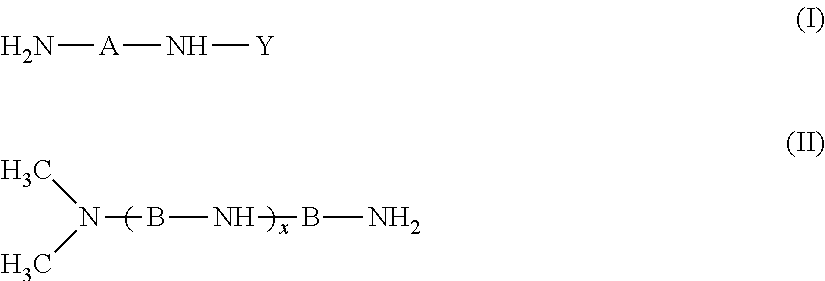
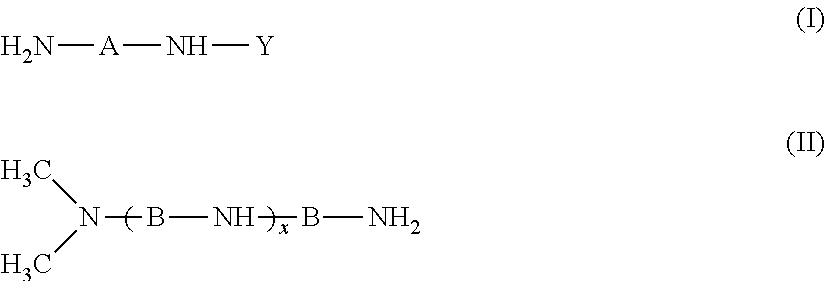
- A curing agent combination of at least one alkylated amine A1 and one dimethylaminopolyalkyleneamine A2, with a specific weight ratio, is used to create a low-viscosity, blushing-resistant epoxy resin adhesive with high bond strength and glass transition temperature, enabling rapid curing and long pot life.
Construction Standards and Safety Regulations for Structural Bonding
The regulatory landscape for structural bonding applications involving anchor bolts and epoxy grout systems is governed by comprehensive international and national standards that establish minimum performance requirements and safety protocols. The American Concrete Institute (ACI) 318 Building Code Requirements for Structural Concrete serves as the primary framework in North America, specifically addressing post-installed anchoring systems through ACI 355.4 standards. These regulations mandate rigorous testing procedures for bond strength evaluation, including tension and shear load testing under various environmental conditions.
European standards, particularly EN 1992 (Eurocode 2) and EN 1504 series, provide detailed specifications for structural bonding applications in concrete structures. These standards emphasize the importance of substrate preparation, material compatibility, and long-term durability assessment. The EN 1504-4 standard specifically addresses structural bonding requirements, establishing minimum bond strength thresholds and testing methodologies that must be satisfied for both mechanical and chemical anchoring systems.
Safety regulations mandate comprehensive quality assurance protocols throughout the installation process. OSHA guidelines require proper ventilation systems when working with epoxy-based materials due to potential volatile organic compound emissions. Additionally, installers must demonstrate competency through certified training programs that cover material handling, surface preparation techniques, and curing procedures. These regulations also stipulate mandatory inspection intervals and documentation requirements for critical structural connections.
Load factor specifications vary significantly between mechanical anchor bolts and chemical epoxy systems. Current standards typically apply higher safety factors to chemical anchoring systems due to their sensitivity to installation variables and environmental conditions. For instance, ACI 318 requires load reduction factors ranging from 0.45 to 0.75 for post-installed anchors, depending on the failure mode and installation conditions.
Compliance verification procedures mandate third-party testing and certification for both anchor bolt and epoxy grout systems. These standards require manufacturers to provide comprehensive technical data sheets including bond strength values, temperature limitations, and chemical resistance properties. Regular auditing of installation practices and material quality control ensures adherence to established safety margins and performance criteria in structural bonding applications.
European standards, particularly EN 1992 (Eurocode 2) and EN 1504 series, provide detailed specifications for structural bonding applications in concrete structures. These standards emphasize the importance of substrate preparation, material compatibility, and long-term durability assessment. The EN 1504-4 standard specifically addresses structural bonding requirements, establishing minimum bond strength thresholds and testing methodologies that must be satisfied for both mechanical and chemical anchoring systems.
Safety regulations mandate comprehensive quality assurance protocols throughout the installation process. OSHA guidelines require proper ventilation systems when working with epoxy-based materials due to potential volatile organic compound emissions. Additionally, installers must demonstrate competency through certified training programs that cover material handling, surface preparation techniques, and curing procedures. These regulations also stipulate mandatory inspection intervals and documentation requirements for critical structural connections.
Load factor specifications vary significantly between mechanical anchor bolts and chemical epoxy systems. Current standards typically apply higher safety factors to chemical anchoring systems due to their sensitivity to installation variables and environmental conditions. For instance, ACI 318 requires load reduction factors ranging from 0.45 to 0.75 for post-installed anchors, depending on the failure mode and installation conditions.
Compliance verification procedures mandate third-party testing and certification for both anchor bolt and epoxy grout systems. These standards require manufacturers to provide comprehensive technical data sheets including bond strength values, temperature limitations, and chemical resistance properties. Regular auditing of installation practices and material quality control ensures adherence to established safety margins and performance criteria in structural bonding applications.
Environmental Impact Assessment of Bonding Materials
The environmental implications of bonding materials used in structural applications have become increasingly critical as sustainability concerns drive construction industry practices. Both anchor bolts and epoxy grout systems present distinct environmental profiles that must be evaluated across their entire lifecycle, from raw material extraction through end-of-life disposal.
Anchor bolt systems, typically manufactured from steel alloys, carry significant environmental burdens during production phases. Steel manufacturing processes generate substantial carbon emissions, with approximately 1.8 tons of CO2 produced per ton of steel. However, steel's recyclability offers long-term environmental benefits, as recycled steel requires 75% less energy than primary production. The galvanization or coating processes applied to anchor bolts introduce additional environmental considerations, particularly regarding zinc emissions and chemical waste streams.
Epoxy grout formulations present complex environmental challenges due to their petrochemical origins and synthetic polymer compositions. The production of epoxy resins involves energy-intensive processes and generates volatile organic compounds during manufacturing. These materials typically exhibit lower recyclability compared to metallic alternatives, often requiring specialized disposal methods or incineration at end-of-life stages.
Lifecycle carbon footprint analyses reveal contrasting patterns between these bonding approaches. While epoxy systems demonstrate lower initial embodied energy due to reduced material volumes, their long-term environmental impact may exceed that of anchor bolts when considering disposal challenges and limited recycling options. Steel anchor systems, despite higher initial carbon footprints, offer superior end-of-life value recovery through established recycling infrastructure.
Installation phase environmental impacts also differ significantly. Epoxy grout applications often require controlled temperature conditions and extended curing periods, potentially increasing energy consumption during construction. Conversely, mechanical anchor bolt installation typically involves minimal environmental impact beyond standard construction activities.
Emerging environmental regulations increasingly favor materials with established recycling pathways and lower toxicity profiles. This regulatory trend may influence future material selection criteria, potentially favoring mechanical fastening systems over chemical bonding solutions in environmentally sensitive applications or projects pursuing green building certifications.
Anchor bolt systems, typically manufactured from steel alloys, carry significant environmental burdens during production phases. Steel manufacturing processes generate substantial carbon emissions, with approximately 1.8 tons of CO2 produced per ton of steel. However, steel's recyclability offers long-term environmental benefits, as recycled steel requires 75% less energy than primary production. The galvanization or coating processes applied to anchor bolts introduce additional environmental considerations, particularly regarding zinc emissions and chemical waste streams.
Epoxy grout formulations present complex environmental challenges due to their petrochemical origins and synthetic polymer compositions. The production of epoxy resins involves energy-intensive processes and generates volatile organic compounds during manufacturing. These materials typically exhibit lower recyclability compared to metallic alternatives, often requiring specialized disposal methods or incineration at end-of-life stages.
Lifecycle carbon footprint analyses reveal contrasting patterns between these bonding approaches. While epoxy systems demonstrate lower initial embodied energy due to reduced material volumes, their long-term environmental impact may exceed that of anchor bolts when considering disposal challenges and limited recycling options. Steel anchor systems, despite higher initial carbon footprints, offer superior end-of-life value recovery through established recycling infrastructure.
Installation phase environmental impacts also differ significantly. Epoxy grout applications often require controlled temperature conditions and extended curing periods, potentially increasing energy consumption during construction. Conversely, mechanical anchor bolt installation typically involves minimal environmental impact beyond standard construction activities.
Emerging environmental regulations increasingly favor materials with established recycling pathways and lower toxicity profiles. This regulatory trend may influence future material selection criteria, potentially favoring mechanical fastening systems over chemical bonding solutions in environmentally sensitive applications or projects pursuing green building certifications.
Unlock deeper insights with PatSnap Eureka Quick Research — get a full tech report to explore trends and direct your research. Try now!
Generate Your Research Report Instantly with AI Agent
Supercharge your innovation with PatSnap Eureka AI Agent Platform!